When I was scrolling through my phone this morning, I stumbled upon a piece of breaking news that instantly caught my attention Wipro had just rolled out its Q4 numbers and the story was already trending across India updates portals. I thought, ‘Let me dig a little deeper and see what the fuss is about,’ because as someone who works in a tech‑savvy family in Bengaluru, Wipro’s performance always feels like a pulse check for the whole IT sector.
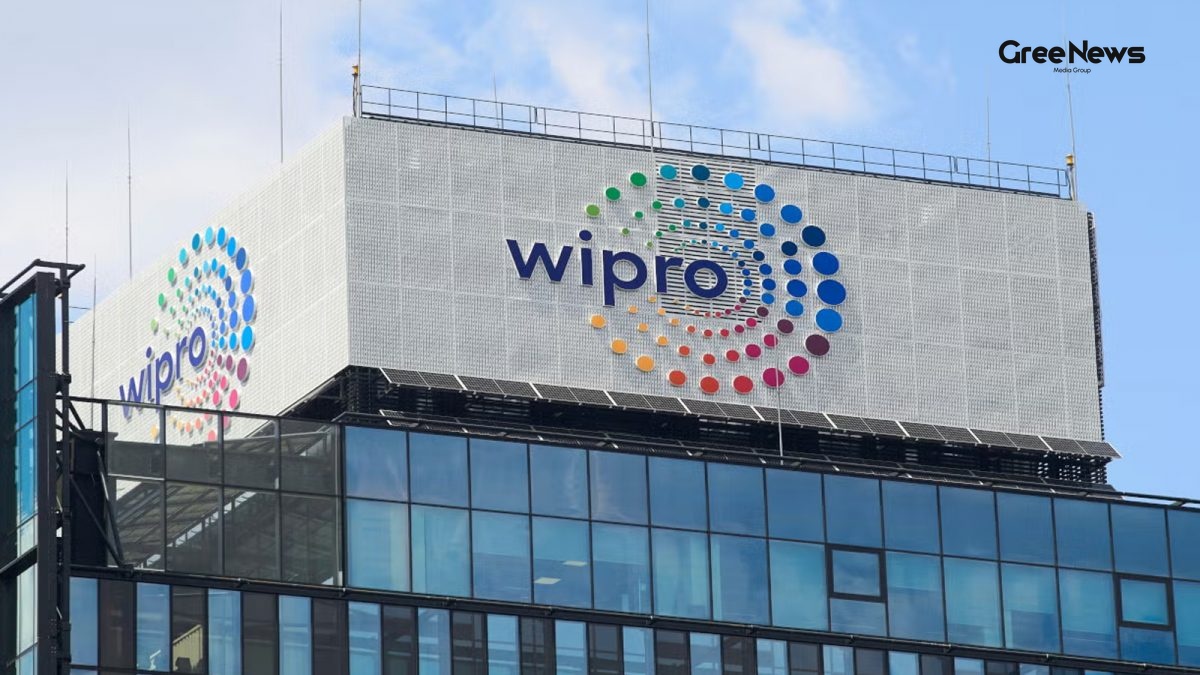
Wipro Q4 Results 2026 came as a mixed bag. On the one hand, the headline that a 1.9 per cent year‑on‑year decline in consolidated net profit to Rs 3,521 crore might look a little disappointing. On the other hand, the revenue side painted a brighter picture with a 7.7 per cent jump YoY, taking the total to Rs 24,236.3 crore. It’s the kind of nuance that often gets lost in viral news snippets, so I made a note to go through the numbers more carefully.
Revenue From Operations When Numbers Speak
Looking at the revenue from operations during the Jan‑Mar quarter, Wipro reported Rs 24,236.3 crore, compared with Rs 22,504.2 crore a year earlier. That means while the profit figure slipped, the top line kept climbing, which is a good sign of demand staying robust in the Indian IT market. If you think about it, many of my acquaintances in Delhi’s startup hubs have been hearing the same thing more projects, especially in digital transformation, even if margins have been a bit tight.
In fact, the net profit for the same quarter a year ago was Rs 3,588.1 crore, so the current Rs 3,521 crore is a slight dip. But if you flip to a quarter‑on‑quarter view, the profit actually rose 12.3 per cent, and revenue increased 2.9 per cent. That sequential improvement gave me the feeling that the dip is more of a temporary dip rather than a structural problem.
IT Services Revenue and Bookings The Engine Room
Wipro’s IT services segment recorded $2.651 billion in revenue during the quarter. That’s a modest 0.6 per cent rise from the previous quarter and a 2.1 per cent increase YoY. You know the kind of excitement when you see those numbers because they reflect the underlying demand for cloud, AI, and automation services that are spreading across small to large enterprises in India.
Total bookings for the quarter climbed to $3.455 billion, a 3.2 per cent sequential rise in constant currency terms. What really blew my mind was the large‑deal bookings they shot up to $1.44 billion, a whopping 65.1 per cent jump quarter‑on‑quarter. Imagine the kind of contracts that could be behind that surge probably multi‑year digital transformation deals that will keep the service pipelines full for months to come.
Margins and Attrition Walking the Tightrope
The operating margin for the IT services segment settled at 17.3 per cent for March quarter, down 0.3 percentage points sequentially and 0.2 points from a year ago. It’s a slight erosion, but not a dramatic one. In conversations with colleagues in Hyderabad, many pointed out that rising labour costs and competitive pricing in the sector often nibble at margins.
Voluntary attrition over the trailing 12‑month period was 13.8 per cent. That figure is important because India’s talent pool is a moving target; retaining skilled engineers while keeping the work culture vibrant is a constant challenge for any big IT house, Wipro included.
Full‑Year Performance The Bigger Picture
For the full financial year that ended 31 March 2026, Wipro reported gross revenue of Rs 92,620 crore, a 4 per cent YoY increase. Annual net profit stood at Rs 13,200 crore, reflecting a marginal 0.5 per cent rise over the previous year. These numbers tell a story of steady growth, even if the pace has slowed a little compared with the high‑growth years of the early 2020s.
Large‑deal bookings for FY26 rose 45.4 per cent YoY to $7.8 billion, while total bookings grew 14 per cent to $16.4 billion. That kind of surge in big contracts is a clear indicator that clients are still willing to invest heavily in technology upgrades, especially as AI becomes more mainstream.
June Quarter Guidance A Cautious Outlook
Looking ahead, Wipro gave a guidance range for the quarter ending 30 June 2026, projecting IT services revenue between $2.597 billion and $2.651 billion. In constant currency terms, that translates to a possible negative 2 per cent to flat growth sequentially. The guidance hints at a cautious near‑term demand environment, something that many analysts in Mumbai’s financial circles are watching closely.
For someone who’s been following the sector’s ebbs and flows, this projection feels like a reality check the market is still strong, but volatility can pop up anytime, especially when global macro‑economic factors shift.
Share Buyback A Big Move
One of the headline‑grabbing announcements was Wipro’s board approving a share buyback worth up to Rs 15,000 crore, subject to shareholder approval. The plan is to repurchase up to 60 crore equity shares, which is about 5.7 per cent of the total paid‑up equity capital, via the tender route at Rs 250 per share. At the time of the announcement, the market price of Wipro was Rs 210.26 per share.
Seeing such a large buyback gave me the sense that Wipro is confident about its cash generation capabilities. It also signals to investors that the management believes the shares are undervalued a classic signal that often fuels more interest among retail investors across the country.
Dividend Update Rewarding Shareholders
The company confirmed that the interim dividend of Rs 11 per share, which had been declared in FY26 during board meetings held in July 2025 and January 2026, would be treated as the final dividend for the fiscal year. This decision ensures that shareholders receive a tidy payout without any surprise adjustments later on.
In my own family, my uncle keeps a small portfolio of IT stocks, and he told me that a steady dividend like this is often a comfort factor, especially when market sentiment swings wildly.
Management Commentary AI and the Future
Srinivas Pallia, the CEO and Managing Director of Wipro, said that advancements in artificial intelligence are reshaping client priorities and creating new growth opportunities. He added that Wipro is pivoting toward a services‑as‑software model through its AI Native Business & Platforms unit.
“Advancements in AI are reshaping client priorities and creating new opportunities for us to partner more deeply to deliver value‑driven outcomes. To strengthen our position in an AI‑first world, we are pivoting to a services‑as‑software model through the AI Native Business & Platforms unit. Our strategic deal with the Olam Group further reflects the decisive investments we are making to capture opportunities at scale,” Srinivas Pallia said.
Aparna Iyer, the CFO of Wipro, highlighted that the company continued investing in clients, capabilities, and people while maintaining margins within a narrow band and delivering strong cash conversion. “We have continued to invest in our clients, capabilities and people and maintained our margins in narrow band. Our cash conversion continues to remain strong with operating cash flows at 112.6% of net income for FY’26. During the year we have returned substantial portion of our cash generated to shareholders in the form of dividend. Additionally, in our recently concluded board meeting, the Board of Directors announced buyback of Rs 15,000 crore at a price of Rs 250, subject to shareholder approval,” Aparna Iyer said.
Listening to their comments, I could sense a clear focus on AI as a growth driver something that aligns with the buzz I keep hearing on tech podcasts and trending news India feeds. The shift to a services‑as‑software approach seems like a logical step to stay relevant in an increasingly automated world.
What It Means for the Indian IT Landscape
Putting all the pieces together, the quarterly results tell a story that is very much in line with the broader narrative of the Indian IT sector. Revenue growth, even if modest, shows that demand for digital services remains solid. The dip in profit, coupled with a slight margin compression, reflects the usual cost pressures that many firms face today.
The strong large‑deal bookings and the aggressive buyback plan are signals that Wipro is positioning itself for the next wave of technology adoption, especially AI. For anyone watching the latest news India, this could be a cue that the sector is moving from a pure service‑delivery model to one that offers packaged, software‑centric solutions.
From a personal perspective, I’m keeping a close eye on how this plays out because it could affect job prospects for the many fresh graduates entering the tech space, the investment decisions of families like mine, and even the overall sentiment about the health of the Indian economy.