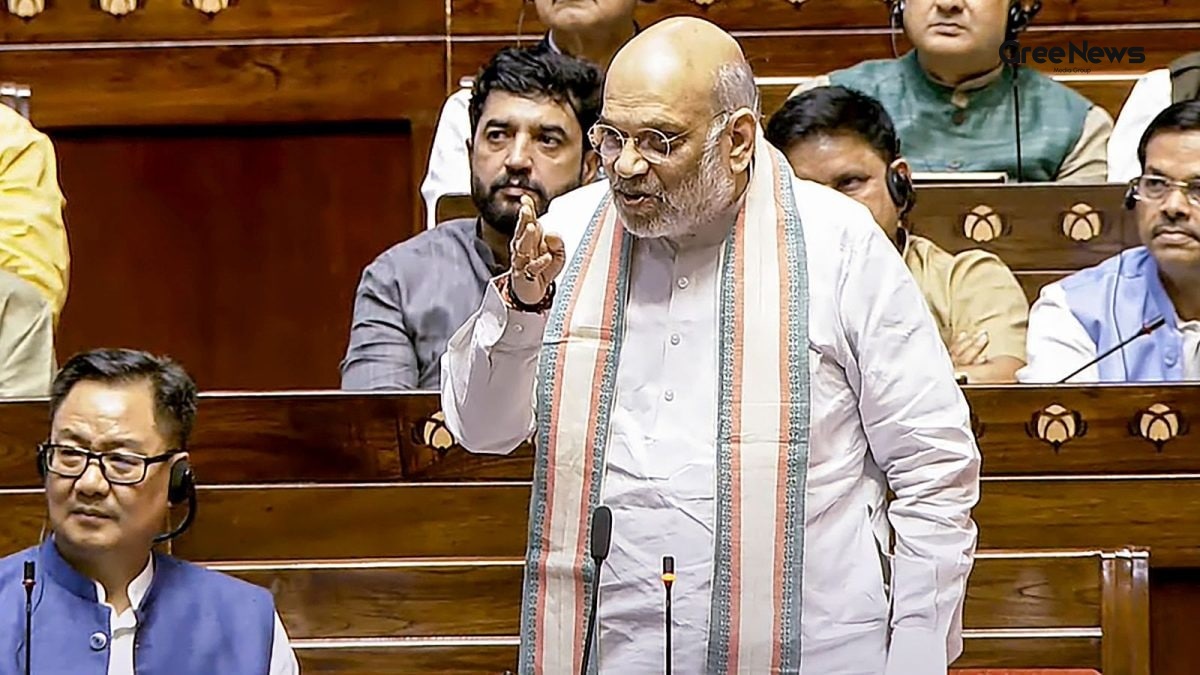
My take on Amit Shah’s promise to bring an amendment in an hour
So, the other day I was scrolling through the latest news India feed on my phone, and there it was a clip of Union Home Minister Amit Shah making a bold claim in the Lok Sabha. He said he would draft an official amendment within an hour if the Opposition aGreed to pass the delimitation bill that’s tied to the women’s reservation law. Honestly, I felt like I was watching a live episode of a political thriller, and I couldn’t help but think, “what happened next is interesting.”
What struck me most was the way Shah linked the women’s reservation officially called the Nari Shakti Vandan Adhiniyam to the need for a fresh delimitation. He started with a simple line that sounded like something you’d hear on the street: “If women’s reservation is to be implemented in 2029, then delimitation is necessary.” It was a clear signal that the government is trying to tie a constitutional amendment for women’s quota with a major reshuffle of parliamentary seats.
Now, the numbers he threw out were eye‑catching. Shah mentioned that the share of the five southern states Karnataka, Andhra Pradesh, Telangana, Tamil Nadu and Kerala would rise from 23.76% to 23.87% after a 50% increase in the seat count. That sounds like a tiny jump, but you have to understand the math behind it. Currently, these five states hold 129 of the 543 Lok Sabha seats. If the total number of seats swells to 816 (the figure he used for the 50% increase), the same five states would have 195 seats, which translates to that 23.87% share. No one loses, he said, and that “no loss” claim seemed to calm a few nerves in the house.
While I was trying to make sense of these percentages, I remembered the debate we often have at my aunt’s kitchen about north‑south rivalry. Shah’s comment “The country should not be divided by this ‘north‑south’ ‘east‑west’ narrative. All states and UTs have equal rights in this parliament” felt like a direct answer to those age‑old arguments. It was as if he was telling the whole nation, “let’s rise above this petty talk.” That line caught a lot of attention on social media, becoming one of the most viral news snippets of the day.
Another point Shah emphasized was the need for a written assurance. Congress’s KC Venugopal had asked for a guarantee that the delimitation would not disadvantage any state. Shah replied that he was ready to bring an official amendment as requested. He even said he would circulate this amendment within an hour a claim that sounds a bit like a rush‑hour metro train arriving just on time, but the opposition was skeptical.
Speaking of skepticism, Akhilesh Yadav, the chief of the Samajwadi Party, added his own flavor to the discussion. He said, “Even if the Bharatiya Janata Party gave a written assurance that they would appoint a woman Prime Minister, we still would not trust them.” That statement, while harsh, reflected the deep mistrust that has built up over years of political maneuvering. It’s the kind of comment that turns a parliamentary debate into a trending topic on every WhatsApp forward.
One surprising statistic Shah highlighted was the record number of women MPs speaking in the house 56 out of 133 members who spoke. He said it would be a record in itself. It reminded me of the time my sister, who’s a college student, told me how proud she felt seeing more women in politics. This tiny piece of data gave a human touch to a high‑octane political showdown.
Shah didn’t stop at the present. He dug into history, reminding everyone that delimitation isn’t a new concept. Back in 1972, under Prime Minister Indira Gandhi, the Lok Sabha seats went from 525 to 545, only to be frozen later during the Emergency. Shah blamed the Congress party for both the 1976 ban on delimitation and the current resistance, saying the same party that once blocked it is doing it again. That historical angle gave the debate a broader perspective a reminder that today’s arguments are part of a long‑running saga.
Now, let’s talk about the three bills that are currently under the microscope. First, the Constitution (131st Amendment) Bill, 2026, which proposes boosting the maximum strength of the Lok Sabha from 550 to 850 seats. The idea is to create extra space so that the women’s quota doesn’t eat into the existing seat distribution for men. Second, the Delimitation Bill, 2026, which calls for a massive redrawing of constituency boundaries across the country based on the latest population figures. And third, the Union Territories Laws (Amendment) Bill, 2026, aimed at aligning the laws of various UTs with the changes coming from the other two bills.
When Shah explained the numbers, he said, “If we listen to the entire narrative created for the South, then out of the 543 seats created by you, 129 MPs currently sit in this House, which is approximately 23.76%. In the new House, 195 MPs will be sitting here, and their power will be 23.87%.” This was his way of positioning the math as a win‑win for the South, countering the narrative that the South would lose power.
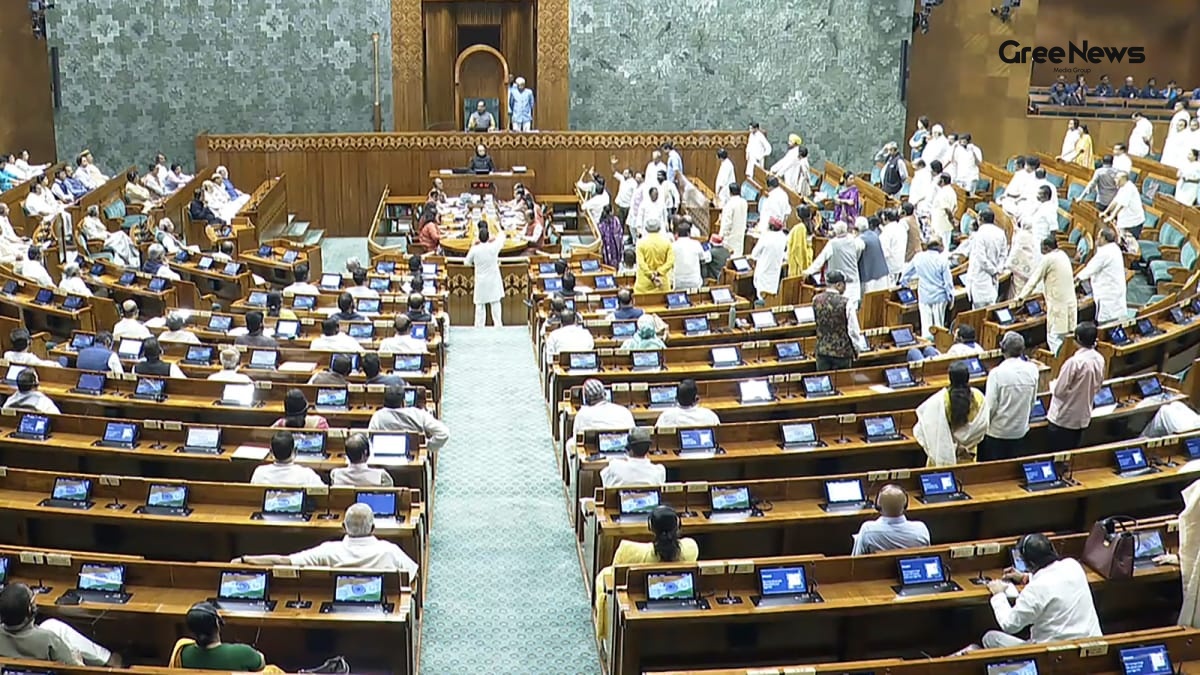
During the three‑day special session, Parliament has been buzzing with debates on these three bills. The government’s strategy is to fast‑track the implementation of women’s quota for the 2029 elections, while simultaneously ensuring that the principle of “one person, one vote, one value” stays intact. It’s a delicate balancing act, and many political analysts have called it a “high‑stakes game” that could reshape Indian politics for the next decade.
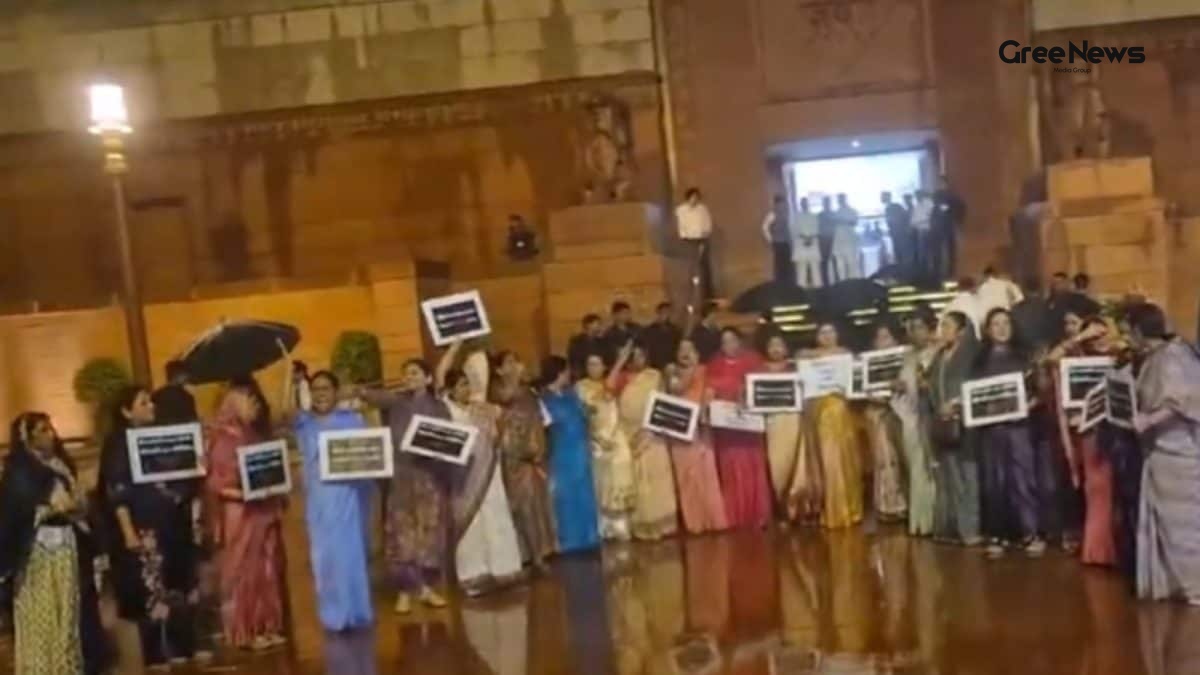
In my own experience, watching the session replay on TV, I could feel the tension in the room. The opposition members kept leaning forward, the speaker’s gavel kept echoing, and every time Amit Shah’s name flashed on the screen, the audience reaction was a mix of applause and murmurs. It felt like a cricket match in the final overs everyone waiting to see if the final delivery would be a boundary or a wicket.
From a citizen’s perspective, the discussion raises a lot of practical questions. Will the increase to 850 seats make the Parliament more representative, or will it just bloat the system? How will the new delimitation affect local governance, especially in states where population growth has been uneven? And, perhaps most importantly, will the women’s reservation actually be implemented by 2029, or will it get stuck in another political log‑jam? These are the kinds of concerns that keep popping up in the trending news India circles I follow.
What’s clear is that this debate has turned into a massive viral news story, with people sharing snippets on Twitter, Instagram reels, and even on the local tea stalls in our neighborhoods. The phrase “north‑south narrative” has become a meme, and the numbers 23.76% and 23.87% are being quoted in memes as well. It’s a perfect illustration of how political discourse and pop culture intersect in modern India.
In most cases, when a minister promises to draft an amendment within an hour, it signals both confidence and urgency. Whether Amit Shah can actually pull it off remains to be seen, but the promise itself has already shifted the momentum of the debate. Opposition parties are now forced to respond either they accept the amendment and move forward, or they continue to reject it and risk being seen as obstructing “India updates” that many citizens are eagerly awaiting.
All in all, this episode of parliamentary drama is shaping up to be one of the defining moments of Indian politics in recent memory. It blends constitutional law, gender equity, regional balance, and the age‑old north‑south rivalry into a single, high‑profile narrative. As someone who follows breaking news every day, I can tell you that this story isn’t just for politicians it affects every voter who will head to the polls in 2029.
So, the next time you hear a discussion about delimitation or women’s reservation on a news channel, remember the numbers behind it, the promises made, and the countless conversations happening in kitchens, offices, and college canteens across the country. Because at the end of the day, politics is not just about seats and percentages; it’s about how those decisions shape the lives of ordinary Indians like you and me.
Key Takeaways from the Debate
- Amit Shah pledged to circulate a written amendment within an hour if the Opposition supports the delimitation bill.
- The proposed 50% increase in Lok Sabha seats would raise the South’s share from 23.76% to 23.87%.
- The Constitution (131st Amendment) Bill aims to expand the Lok Sabha strength to 850 seats to accommodate a women’s quota.
- Historical context: Delimitation has been a contentious issue since the 1970s, with previous freezes during the Emergency.
- Opposition leaders like KC Venugopal and Akhilesh Yadav expressed strong doubts about the government’s assurances.