The humble garage where it all began
I still remember the first time I saw a documentary about that little garage in Los Altos, where two young lads – Steve Jobs and Steve Wozniak – started tinkering with circuit boards. It was like watching a neighbour’s kid building a go‑karta from spare parts – nothing fancy, just a cramped space, a few tools, and a lot of imagination. Who would have guessed that such a simple setting would later change how millions of Indians, from Delhi metro commuters to tea‑stall owners in Chennai, interact with technology?
Back then, the world was still using bulky desktop computers with tiny screens. In India, you could barely find an IBM PC at a university, let alone a personal computer for home use. Yet those two Steves managed to assemble something that would become the first Apple computer – the Apple I – and it felt like the start of a revolution, even if the rest of us didn’t notice at the time.
The turning point that saved Apple
Fast forward to the late 1990s. Apple was in a bad shape, you know – profits were barely a fraction of what they should have been, and the product line looked like a jumble of half‑finished ideas. It reminded me of a Delhi market stall where the seller has too many unsold items piled up, each one confusing the customers.
When Steve Jobs walked back into the company in 1997, he didn’t just bring new designs; he brought a need for clarity. He started trimming the product line, got rid of confusing models, and re‑focused the company on what it could do best – make beautiful, user‑friendly devices. I could feel the same kind of discipline when I cleaned out my own cluttered old Nokia phone collection to make room for my first iPod.
That period marked the shift from guess‑work innovation to a methodical, process‑driven approach. Jobs made sure that every department, from design to manufacturing, followed a strict set of standards. It was like moving from cooking a random curry to following a well‑tested recipe – the end result tastes consistent, every single time.
Where process met creativity
One thing that often gets missed in the glossy Apple stories is how Jobs learned that raw talent alone cannot guarantee success. His stint at Pixar taught him the importance of workflows. Imagine Pixar’s animation pipeline – step after step, each artist builds on the previous work until the final movie pops out. That same discipline was later injected into Apple’s design studios.
In my own experience, I saw this when I first tried out an iMac at a local computer shop in Hyderabad. The setup was seamless – the power button, the mouse, the display – everything just clicked. It was not magic; it was a well‑orchestrated process behind the scenes that made the product feel effortless. Jobs believed that when creativity is backed by a solid process, you can scale it without losing the soul.
And that’s exactly what Apple did – they turned extraordinary ideas into repeatable, reliable products. The process kept getting refined, just like how we keep updating our WhatsApp status daily, making sure it stays fresh and engaging.
The products that built a culture
Now, let’s talk about the gadgets that actually made people fall in love with Apple. The 1998 iMac was a bold statement – a colourful, all‑in‑one machine that turned boring beige boxes into something you’d proudly show off to friends. I still remember my uncle in Pune bringing home his first iMac and the whole family gathering around to admire its translucent colours.
Then came the iPod in 2001. It was like the candy store of music for Indian youths. Suddenly, you could carry a thousand songs in your pocket, replace that bulky Walkman, and listen to Bollywood hits while riding an auto‑rickshaw. The simplicity of the click wheel made it even more accessible for the older generation who weren’t tech‑savvy.
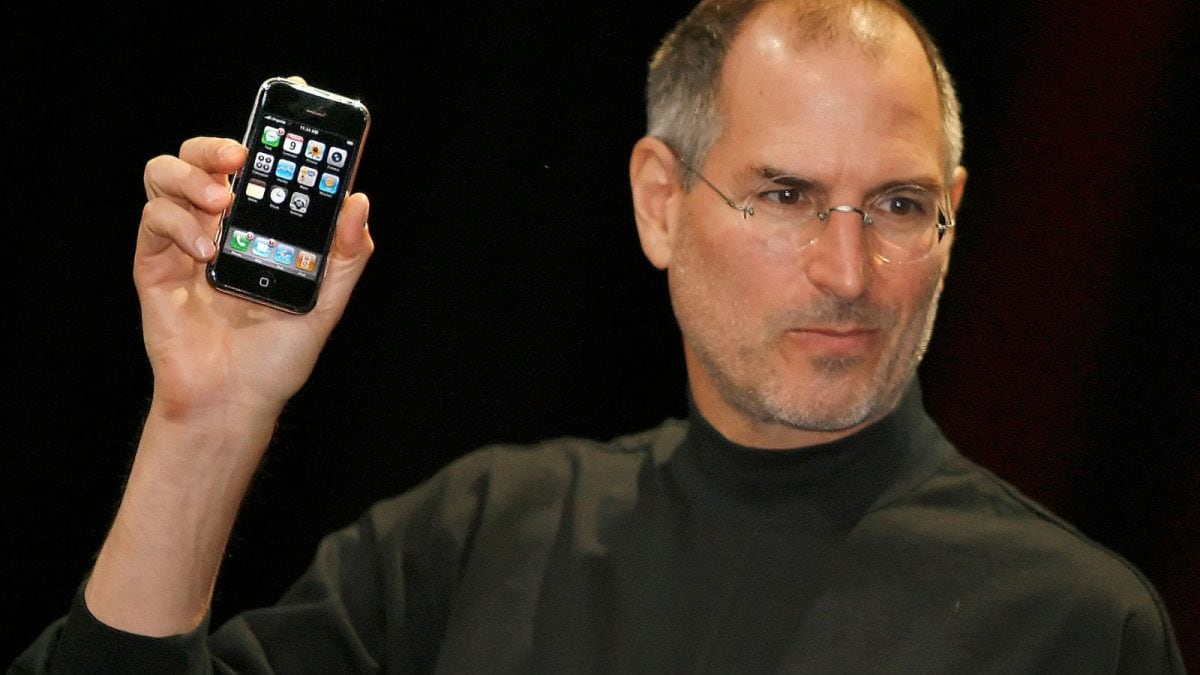
And who can ignore the 2007 iPhone? It smashed the idea that a phone is just for calls. It became a pocket‑sized computer, a camera, a wallet – everything. In my own life, the iPhone turned my daily commute on the Mumbai local into productive time; I could read news, reply to emails, and even watch a short Telugu series during a three‑hour train ride.
The iPhone’s ecosystem – the App Store, iTunes, iCloud – tied all these experiences together. Each new device built upon the previous one, creating a seamless network that made switching between a MacBook, iPad, and Apple Watch feel natural, not forced.
Even the numbers tell a story: annual shipments topping 200 million units, revenues crossing $200 billion, and profits over $50 billion. Those figures are not just numbers; they reflect how deeply Apple’s products have woven themselves into the everyday lives of people, from a school kid in Kolkata listening to podcasts on an iPad to a business executive in Bangalore managing presentations on a MacBook.
The system behind the success
Design is only half the battle; execution is the other half. Apple’s supply chain is a marvel that most of us just take for granted. The factories in China, the component suppliers in Japan, the design labs in Silicon Valley – they all work like a well‑rehearsed orchestra.
When I once visited a friend who works at an Apple supplier in Shenzhen, he told me about the strict quality checks that happen at each stage. It reminded me of the standards we follow in Indian manufacturing – from a small textile unit in Surat making sure each stitch meets a benchmark, to a big‑scale automotive plant in Chennai ensuring each bolt is tight.
Apple’s model blends three strengths: the innovative spirit of Silicon Valley, the precision engineering of post‑war Japan, and the massive scaling capabilities of Chinese factories. This trinity makes it almost impossible for competitors to copy the entire system.
Think of it this way: if you try to make a perfect dosa, you need the right batter, the right heat, and a skilled hand. Apple got all three, and the result is a product that cooks perfectly every single time, no matter where you are in the world.
Apple evolved beyond hardware
Nowadays, Apple is not just a hardware company. Its services – Apple Music, iCloud, Apple TV+, the App Store – have become a huge part of its revenue. In fact, the ecosystem now connects more than 2.5 billion active devices globally. You can see this right here in India: my sister streams bhajans on Apple Music while my brother uses iCloud to back up his college projects.
The shift to services means Apple can keep earning from a device long after the initial sale. It’s like buying a car and then paying for fuel and maintenance – the relationship continues. This ecosystem approach also makes each new product more valuable because it strengthens the whole network.
For example, when I bought an Apple Watch, it didn’t just sit on my wrist; it synced with my iPhone, tracked my health data, and even let me pay for my chai at the local stall using Apple Pay. The integration made my life a little smoother, something many Indian consumers appreciate in our fast‑paced daily routine.
Reinventing what already exists
One secret behind Apple’s magic is that it rarely invents brand‑new technology from scratch. Instead, it takes existing ideas – like the graphical user interface, the touchscreen – and refines them. The result feels fresh, but the underlying tech is often borrowed and perfected.
Take the iPhone’s touchscreen. Before Apple, there were smartphones with touch capability, but they were clunky. Apple made it smooth, responsive, and intuitive, turning a technical feature into a delightful experience. It’s similar to how we Indians took the traditional ‘tiffin box’ and turned it into a stainless‑steel lunchbox that keeps food warm for hours – the core idea stays, but the execution gets better.
By turning complexity into simplicity, Apple made technology feel approachable. When you pick up a new iPad, the learning curve isn’t steep; you start using apps within minutes, just like you’d instantly understand how to use a new instant‑pay app on your phone.
Technology as identity
Perhaps the most lasting impact of Apple is how its products became a part of personal identity. The “Think Different” campaign wasn’t just a marketing slogan; it was an invitation to see yourself as a creator, a non‑conformist. In India, owning an iPhone or a MacBook often signals a certain status – a blend of modernity, style, and a willingness to invest in quality.
Design plays a huge role here. The clean lines, the minimalist packaging, the attention to detail – they all make the device feel personal, almost like an extension of your own personality. I’ve seen students in Delhi proudly show off their MacBooks as if they were trophies.
This emotional connection turns a mere tool into a companion. When my mother switched from a basic feature phone to an iPhone, she started using FaceTime to talk to relatives abroad; the device became a bridge between her and her family, not just a phone.
The legacy of fifty years
Looking back, Apple’s journey is more than a chronology of products; it’s a story of how technology can feel human. From the first garage‑built computer to the current ecosystem of devices and services, the company has constantly re‑imagined the relationship between people and machines.
In my own life, Apple has been a silent partner – helping me study for exams on an iPad, keeping my health in check with an Apple Watch, and staying connected with family through iMessage. It’s not just about the hardware; it’s about the experience those devices enable.
Fifty years on, the biggest achievement might not be a single iconic gadget, but the idea that well‑designed technology can evoke emotion, foster creativity, and become part of our everyday stories. That, in my view, is Apple’s most enduring innovation – turning cold silicon into something that feels almost alive.