Why the buzz is now on West Bengal and Tamil Nadu
After finishing the first phase of the 2026 Assembly election cycle in Assam, Puducherry and Kerala, I found myself scrolling through endless updates on what’s happening next. The next big headlines are all about West Bengal and Tamil Nadu – two states that have always been political heavyweight zones in India. Personally, I remember how excited my uncle in Kolkata got during the 2011 elections, and the same kind of excitement is humming around my cousin in Chennai now. The air feels charged, and you can see the campaign colour everywhere – from tea stalls in Kolkata to auto‑rickshaw tops in Coimbatore.
Both states are about to head into the polls, but they are doing it in different ways. West Bengal will go for a two‑phase voting process, while Tamil Nadu has decided on a single‑day poll. The counting day for both will be the same – 4 May – and that’s when the whole nation will be glued to the television sets.
Key dates and the voting schedule
For West Bengal, the first batch of 152 constituencies will cast their votes on 23 April. The remaining 142 constituencies will vote a week later on 29 April. Counting for West Bengal will then happen on 4 May.
Tamil Nadu, on the other hand, decided to keep things simple. The whole state will vote in a single phase on 23 April, and the counting will also be held on 4 May.
These dates may seem like just numbers, but they carry a lot of weight for the parties. For example, when I was waiting in line at a polling booth in Mysore during the Karnataka polls, the whole schedule – especially the duration between voting and counting – shaped the campaigns’ final pushes.
Turn‑out records that set the tone
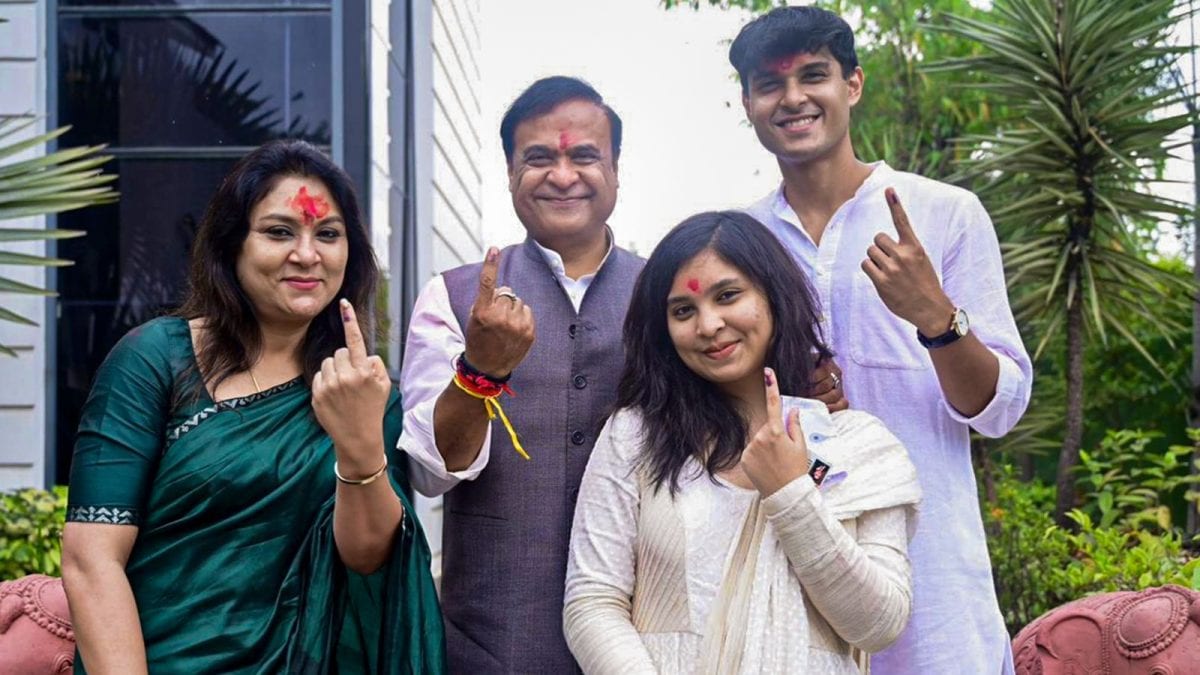
Looking back at the numbers from the first three states gives a good idea of the energy on the ground. Assam recorded a turnout of 85.38 %, which is pretty astounding when you think about the hilly terrain and the challenges voters face there. Puducherry went even higher, reaching 89.83 % – almost every eligible voter showed up. Kerala’s overall turnout was 78.03 %, with a notable gender split: women voted at 80.86 % while men voted at 75.01 %. Even the third gender participated, marking a turnout of 57.04 %.
These figures tell us something important: the people are motivated. When I walked through a market in Kozhikode after the Kerala polls, I heard vendors boasting about how their families turned out in huge numbers, even on a hot day. That kind of enthusiasm is likely to spill over into West Bengal and Tamil Nadu as well.
West Bengal: The Mamata‑BJP face‑off
West Bengal has always been a battlefield of ideas, and this time the main story is the epic clash between Trinamool Congress, led by Mamata Banerjee, and Bharatiya Janata Party, steered in the state by Suvendu Adhikari. The Left and Congress are still in the mix, but most opinion polls keep pointing to a direct duel between Mamata Banerjee’s Trinamool Congress and Suvendu Adhikari’s Bharatiya Janata Party.
I remember watching the streets of North Kolkata during the 2019 general elections – the banners, the slogans, the sound of dhols – it felt like a festival. This time, the atmosphere is even more intense. Everywhere you go – from the congested lanes of Howrah to the tea gardens of Darjeeling – you see volunteers handing out pamphlets, senior party members addressing crowds on makeshift stages, and social media memes flying faster than rickshaws during rush hour.
One personal observation that stands out: the way Trinamool Congress has been focusing on welfare schemes that directly touch everyday lives – like free electricity for certain households or subsidies on agricultural inputs. When I chatted with a farmer in Hooghly, he told me he feels the government's schemes have helped a lot, and that is why he leans towards Mamata Banerjee. On the other hand, Suvendu Adhikari’s campaign has been loud about development, infrastructure, and “Bengal first” rhetoric, which is resonating with young voters who are looking for jobs.
The two‑phase voting also adds a strategic layer. After the first phase, parties will get a clear picture of which constituencies they are winning and which they need to push harder. I expect both Mamata Banerjee’s Trinamool Congress and Suvendu Adhikari’s Bharatiya Janata Party to recalibrate their strategies between 23 April and 29 April, just as they did in the 2019 Lok Sabha elections where the first round of results guided the final campaign blitz.
Tamil Nadu: A multi‑party scramble
While West Bengal’s headline is a Mamata‑BJP trial, Tamil Nadu’s story is a little more distributed. The state will see a single‑phase election on 23 April, and the battleground includes Dravida Munnetra Kazhagam, All India Anna Dravida Munnetra Kazhagam, Indian National Congress, Bharatiya Janata Party and a few regional players.
From my neighbour in Chennai, I learned that the campaign in Tamil Nadu is not just about state‑wide promises but also about how parties address local issues – like water scarcity in Perambalur, power cuts in Coimbatore, and the need for better public transport in Madurai. The party workers have been going door‑to‑door, sometimes sharing sweets like laddu to win goodwill.
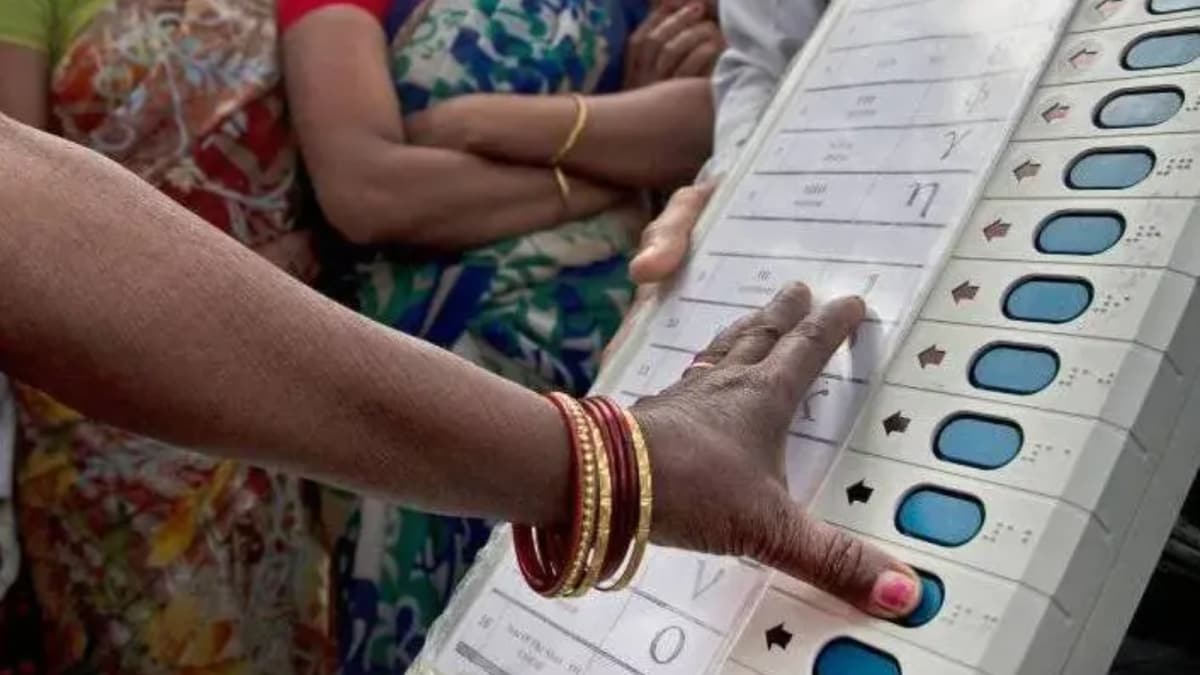
One practical observation: the Tamil Nadu election machinery is known for its efficiency. I have seen the “panacea of Indian democracy” – the polling booths being set up swiftly, the electronic voting machines being handled with care, and the robust security presence that ensures a peaceful voting day. This efficiency may favour parties that have a strong grassroots network, because they can mobilise voters quickly on the day itself.
Even though the main national narrative is about the Mamata‑BJP rivalry, Tamil Nadu’s election will also be watched closely to see how the Bharatiya Janata Party performs in a southern stronghold where it historically struggled. If Bharatiya Janata Party manages to secure a sizable vote share, it could signal a shift in the political map of the south.
What the early numbers might mean
If the high turnout numbers from Assam, Puducherry and Kerala are any indicator, we can anticipate a massive voter turn‑out in both West Bengal and Tamil Nadu as well. High participation usually means the results will have a clear mandate, which can either strengthen the winning party’s hold or give a strong signal to the opposition.
From my own experience watching elections in the suburbs of Delhi, I know that when turnout goes above 80 %, parties often credit their grassroots campaigns for getting people out of the house. In West Bengal, if Mamata Banerjee’s Trinamool Congress manages to maintain a high turnout among its core supporters, the party could keep its grip on the state. Conversely, if Suvendu Adhikari’s Bharatiya Janata Party pulls in a larger share of first‑time voters, especially the youth, the balance could tip.
In Tamil Nadu, the single‑phase schedule means voters will all vote on the same day, which could equalise any regional advantages that certain parties have. The count on 4 May will give a quick snapshot of how the political winds are blowing in the south.
Personal reflections and the road ahead
Living in a small town near the borders of West Bengal and Tamil Nadu, I’ve seen how election season changes the rhythm of daily life. Shops stay open later, cricketers join public rallies, and even traffic police get pulled into the excitement, directing crowds and sometimes joining in the chants.
One thing I’ve learned over the years is that the emotions surrounding elections are as powerful as the policies themselves. When I talk to my aunt in Siliguri, she tells me she votes mainly because she believes in the idea of democracy, not because she is locked to any particular party. On the other hand, my friend in Madurai says he votes based on the promise of a new hospital in his village. These personal motivations colour the larger narrative.
As the counting day approaches, I am setting aside time to watch the live telecast with my family. We will be discussing the results, chewing on pappadums, and debating what the next five years could look like for West Bengal and Tamil Nadu. Whether Mamata Banerjee’s Trinamool Congress or Suvendu Adhikari’s Bharatiya Janata Party wins in West Bengal, or whether the Dravida Munnetra Kazhagam coalition retains power in Tamil Nadu, the outcome will inevitably shape national politics.
One final thought: elections are the biggest participatory exercise in our democracy, and each state adds its own flavour. The excitement, the debates, the chai‑break political analysis at local stalls – all of it makes the 2026 Assembly elections a story worth following, not just for the political geeks but for every citizen who wants to see how the country moves forward.