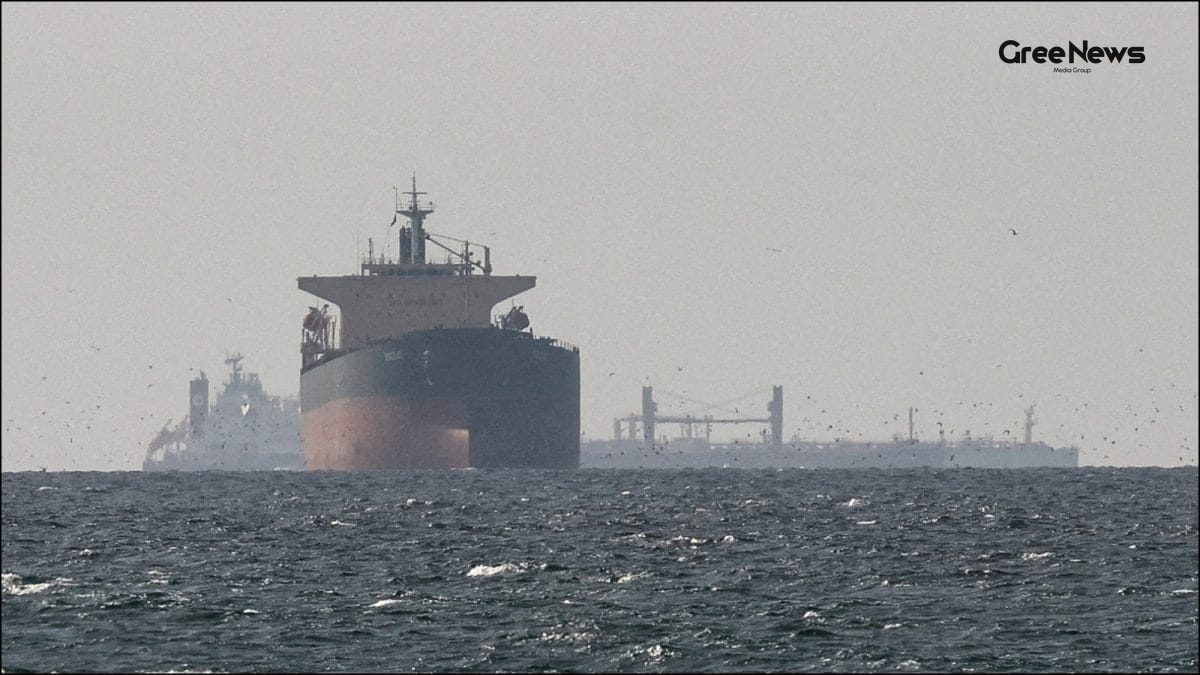
This comes after the US Central Command declared it would target "vessels of all nations entering or departing Iranian ports and coastal areas".
Honestly, when I first saw the headline about a US blockade in the Strait of Hormuz, I thought it was just another piece of the endless breaking news cycle. But as someone who watches the fuel price board at the local petrol pump, I realised this could actually touch my daily life. The news said at least two ships slipped through the strait within hours of the blockade kicking in, and a third one followed overnight. That data came from Kpler, a maritime tracking firm that many analysts rely on for the latest updates on shipping movements. The whole thing felt like a live drama unfolding in the Gulf, and I couldn't help but share it with my friends over chai because it sounded like something straight out of a thriller.
Why the Blockade? A Quick Backstory
Before I get into the ships that managed to get through, let me set the scene. The blockade was ordered by former President Donald Trump after talks with Iran fell apart over the weekend. In most cases, when diplomatic talks collapse, you expect some kind of sanction, but a naval blockade on one of the world’s most crucial waterways is a whole different ball‑game. The US Central Command made a sweeping statement, saying it would target “vessels of all nations entering or departing Iranian ports and coastal areas.” That basically means any ship, whether it’s an Indian oil tanker or a Japanese cargo carrier, would be under the US Navy’s radar. For us in India, where a huge chunk of our oil imports travel through Hormuz, that sounded pretty serious.
First Ship: Christianna’s Bold Move
So, what happened first? The Liberia‑flagged bulk carrier Christianna became the first to test the new restriction. This ship had just unloaded a load of corn at Bandar Imam Khomeini, which is one of Iran’s major ports on the Persian Gulf. You can imagine the relief on the crew’s faces when they finally completed the off‑loading, only to find themselves heading back into the strait a mere two hours after the blockade went live. The ship passed Larak Island, a key navigation point, and kept moving westward as if nothing had changed. I was watching a live map on a news portal, and the dot representing Christianna kept moving, almost daring the blockade to catch up.
What caught people’s attention was how quickly it happened. In most cases, you’d think a fresh blockade would cause ships to halt and wait for instructions, but Christianna just kept sailing. I remember thinking, "If this ship can do it, what about the rest of the vessels that rely on Hormuz for their routes?" It was a stark reminder that even a well‑publicised security measure can be challenged in real time.
Second Ship: The Elpis and Its Methanol Cargo
The next ship, the Comoros‑flagged tanker Elpis, entered the headlines almost simultaneously. This vessel had set sail from the Iranian port of Bushehr on the last day of March, carrying a hefty 31,000 tonnes of methanol. For those who might not know, methanol is a key ingredient in many industrial processes, including the production of plastics and certain types of fuel. The Elpis managed to clear the strait at roughly the same time as the Christianna, which was pretty remarkable. It was as if two ships were racing to beat the new rule, and they both succeeded.
When I discussed this with a colleague who works in a logistics company, he said that the timing was crucial. If the Elpis had tried to cross a few hours later, it might have faced a different scenario possibly even a direct encounter with a US warship. This made me think about how fragile the global supply chain can be, especially when political decisions ripple through the shipping lanes.
Third Ship: Rich Starry Takes the Night Route
The story didn’t end there. Overnight, the Chinese‑flagged tanker Rich Starry made its move. Unlike the first two vessels that went through the main channel, Rich Starry used an Iranian‑approved vetting route that lies south of Larak Island. This route is officially recognized by Iran for safe passage, but it’s still under the watchful eye of the US Navy as part of the blockade. Kpler’s data showed that Rich Starry successfully crossed the strait, which surprised many analysts who thought the night passage would be a tougher nut to crack.
Many people were surprised by this because the route is less commonly used for large tankers, especially during the night when visibility is low. It caught my attention because it showed that not only the big commercial players were looking for loopholes, but also that maritime authorities on both sides were perhaps more flexible than the official statements suggested. The fact that a Chinese tanker could find a way through added another layer to the story, especially given the ongoing geopolitical tensions involving China, the US, and Iran.
Trump’s Announcement: Truth Social Post and Its Tone
President Trump took to his Truth Social platform to announce the blockade. He wrote, “Effective immediately, the United States Navy, the Finest in the World, will begin the process of BLOCKADING any and all Ships trying to enter, or leave, the Strait of Hormuz.” The language was, as usual, pretty emphatic. He also warned that any Iranian attack boats that tried to challenge the blockade would be destroyed, and hinted that someday the restriction could be lifted “At some point, we will reach an ‘ALL BEING ALLOWED TO GO IN, ALL BEING ALLOWED TO GO OUT’ basis, but Iran has not allowed that to happen.”
Reading his post felt like watching a live‑stream of a political drama. I remember scrolling through the comments, and a lot of Indian netizens started talking about the possible impact on oil imports. Some of the younger crowd even turned it into a meme, which is typical of how viral news spreads in our country. This mix of serious policy announcement and social‑media buzz is pretty characteristic of modern breaking news in India.
Why It Matters: The Global Oil Flow and India's Interests
The Strait of Hormuz is not just any waterway it carries an estimated 20 percent of the world’s oil supply. Any sustained disruption would send immediate shockwaves through global energy markets. For India, which imports a large portion of its crude oil through this route, even a short‑term hiccup could translate into higher pump prices at the local petrol stations. I’ve seen that happen before during previous tensions in the Gulf; fuel prices would jump, and the whole country would feel it.
What’s more, the fact that ships are already navigating the strait despite the blockade raises questions about the effectiveness of such a measure. If the blockade can be sidestepped, then its impact on oil flow might be limited but the very uncertainty can still cause volatility in the markets. This is exactly why the latest news about the ships breaching the blockade has become trending news in India, with many analysts discussing the possible short‑term and long‑term effects.
Personal Reflection: Watching the News Over a Cup of Chai
I was sitting on my balcony, sipping chai, when I first read about the blockade. The morning air was cool, the city was waking up, and the news tickers on my phone kept flashing “breaking news: US blocks Hormuz” and “latest news India: oil price watch”. I thought about how this would affect my neighbor’s small tea stall, which often feels the pinch when fuel prices rise. It felt like the world’s big political moves were threading through my very ordinary day. I even called my brother who’s stationed in the Navy to get his take. He said that, from a strategic point of view, the US was sending a strong signal, but the actual navigation of ships would depend on the rules of the sea and the willingness of the crews to risk a standoff.
This personal connection made the story more than just a headline. It became “viral news” that we discussed at family gatherings, and it sparked curiosity among my friends about how international politics could directly affect a cup of tea in Mumbai. The whole episode reminded me how interconnected the world is a decision made in Washington can end up influencing the price of petrol at a pump in Delhi.
What Could Happen Next? Possible Scenarios
Now, looking ahead, there are a few possible outcomes that many experts are debating. First, the US could double down on the blockade, deploying more warships to enforce it strictly. If that happens, we might see more ships trying to find alternative routes, possibly even going around the Cape of Good Hope, which would add weeks to the journey and increase shipping costs dramatically. Second, Iran could respond with a show of force, sending fast attack boats to challenge the US presence. This could raise the risk of an actual clash, something that would instantly become the talk of the town, and could impact not just oil, but also commodities like corn, methanol, and other goods moving through the region.
Third, there might be diplomatic negotiations behind the scenes after all, economic interests usually push countries towards compromise. If a temporary arrangement is reached, perhaps ships could be allowed through under a strict vetting process, similar to the route used by Rich Starry. Whatever the case, the immediate impact on the Indian market would be something to watch closely. Energy analysts are already updating their models, and you can see the buzz in trending news India platforms as people try to guess how long the disruption could last.
Takeaway: Why This Story Still Matters
In the end, the episode of ships breaching the US‑declared blockade in the Strait of Hormuz is more than a footnote in maritime history. It’s a vivid illustration of how geopolitical maneuvers can ripple through daily life, especially in a country like India that is heavily dependent on oil imports. The fact that the first two ships Christianna and Elpis managed to pass within hours of the blockade, and a third Rich Starry took a night route, shows that the waters are still very much a contested but navigable space.
For anyone following the latest news India, this is a story that mixes breaking news with real‑world consequences. It’s a reminder that even when policies are announced in grand statements, the practical outcome often depends on the actions of ordinary sailors, captains, and the crews on board. And as we continue to monitor the situation, one thing is clear: the waters of the Hormuz will remain a focal point of global attention, and its sway over energy prices will keep us all looking up at the headlines, wondering what the next update will bring.