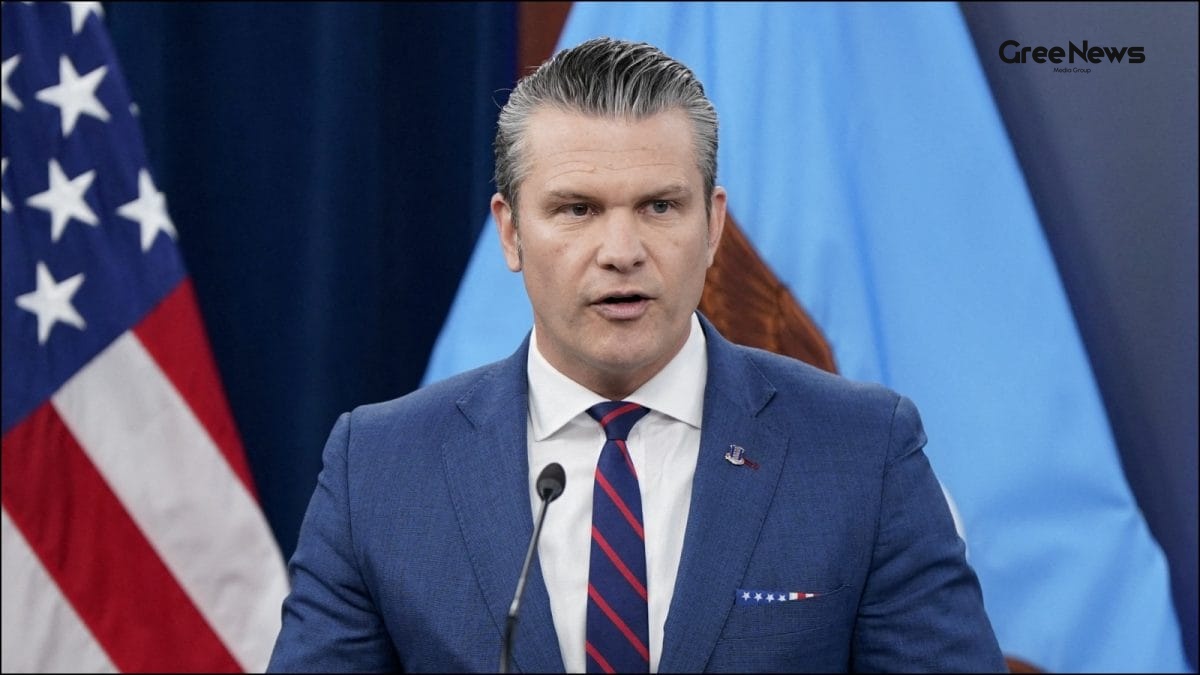
Honestly, when I first read that Pete Hegseth is skipping yet another Ukraine Defence Contact Group meeting, I felt a little jolt it’s the kind of thing that instantly becomes breaking news, not just in Washington but even in the Indian media circles where we follow the latest news India closely. The story isn’t just about a single absence; it’s actually a window into how the whole US approach to the Ukraine conflict is reshaping, and many people were surprised by this shift.
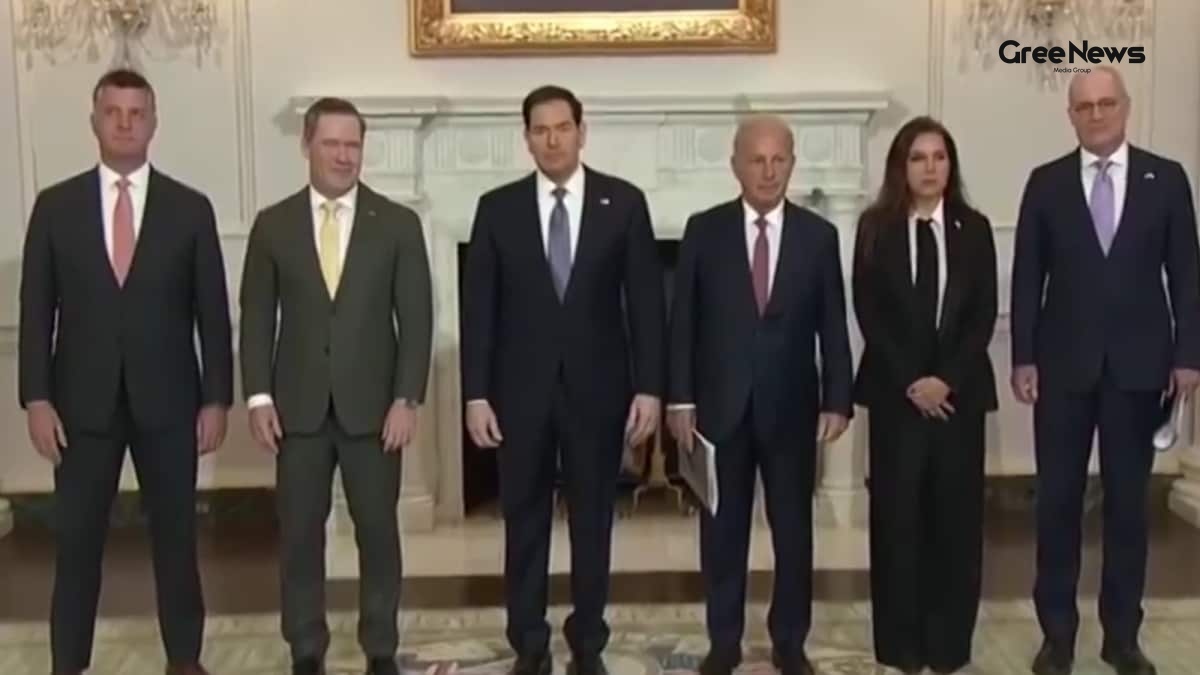
Instead of Hegseth, the Pentagon is sending policy chief Elbridge Colby to the virtual gathering. Colby isn’t a complete stranger to this forum; he was there in February, so at least there’s some continuity. The fact that the defence secretary’s spot is being filled by a policy official says a lot about the priority ladder in the White House right now.
Why Pete Hegseth’s Attendance Matters
Over the past year, Pete Hegseth’s presence at the Ukraine Defence Contact Group meetings has been, well, spotty at best. In most cases, he showed up only when the political winds demanded a quick photo‑op. This pattern, as analysts say, reflects the Trump administration’s broader strategic tilt they seem to be pushing Europe to shoulder the heavy lifting of supplying arms to Kyiv.
When I compare this with how we usually see US officials attend such multilateral gatherings, the contrast is stark. Previously, the Defence Secretary would be front‑and‑centre, signalling strong US commitment. Now, the fact that he’s missing again is a clear indicator that the administration is balancing its own domestic agenda like beefing up homeland security and focusing on the Western Hemisphere and the Asia‑Pacific against the ongoing war in Europe.
It’s interesting, because it also mirrors the type of trending news India sees when big leaders skip international forums: the narrative quickly turns to “why are they not showing up?” and that curiosity hook keeps readers glued to the story.
The Ukraine Defence Contact Group: Who’s Who?
The Ukraine Defence Contact Group is basically a coalition of more than 50 countries that have pledged support to Ukraine. The meeting this week is being hosted by German Defence Minister Boris Pistorius and UK Defence Secretary John Healey. These two have taken the reins after the US stepped back from its leadership role earlier this year.Having European ministers lead the conversation is a big deal. It tells us that the burden‑sharing narrative is not just a slogan; it’s becoming a reality on the ground. This has been an emerging theme in the viral news spread across diplomatic circles Europe is stepping up, while the US seems to be handing over the baton.
From a personal perspective, watching this shift reminded me of how often in India we see the baton being passed in large committees the moment the central figure steps aside, the whole structure gets a new rhythm.
NATO’s Partial Absence and What It Signifies
Even NATO’s top commander, General Alexus Grynkewich, won’t be at this meeting. His deputy, UK Air Chief Marshal Johnny Stringer, and German Major General Ulf Häussler are expected to attend instead. Grynkewich’s spokesperson, Colonel Martin O’Donnell, did reassure that NATO is still delivering crucial support to Ukraine.
This partial absence is a subtle but telling sign. In most cases, the presence of the highest NATO officer would underline a deep, coordinated commitment. But with the top brass stepping back, the alliance is signalling perhaps unintentionally that the US‑led initiative is winding down, and Europe is taking charge.
For readers in India, that’s akin to when the prime minister’s office delegates a major summit to a junior minister it still matters, but the weight of authority feels lighter.
Washington’s New Defence Focus
The Trump administration has been clear about its new defence priorities. Apart from pushing for higher NATO spending on American‑made weapons, the administration has been emphasizing homeland security, the Western Hemisphere, and the Indo‑Pacific theatre. This re‑orientation explains why Pete Hegseth’s calendar is packed with domestic and regional engagements rather than European security meetings.
What’s more, the administration has been pressuring European allies to increase their own defence budgets, especially for systems that the US manufactures. At the same time, there’s a noticeable reluctance to get involved in European security matters directly. This dual approach creates a bit of a paradox the US wants allies to buy more American arms, yet it’s stepping back from the front‑line coordination.
When I read about this, it reminded me of the way Indian states sometimes ask the centre for resources while managing their own local security, creating a dynamic of shared responsibility but also occasional tension.
The Prioritised Ukraine Requirements List (PURL)
One of the most significant developments in the past year has been the creation of the Prioritised Ukraine Requirements List, or PURL. This mechanism lets European countries directly purchase US‑made arms for Ukraine, and it has already unlocked billions of dollars in contracts.
The PURL is essentially a streamlined pipeline that bypasses a lot of the usual bureaucratic red‑tape. It was introduced to keep the flow of weapons steady, even as the US itself reduces direct shipments. In most cases, the list includes high‑priority items like air‑defence systems, ammunition, and combat vehicles that Kyiv needs most urgently.
The fact that this programme is already generating huge contracts shows how much Europe is willing to step up. However, the article warns that the sustainability of this pipeline is still uncertain. US officials have hinted that if the Pentagon reallocates resources to other hotspots say, a potential flare‑up with Iran the flow of weapons to Kyiv could face hiccups.
This concern is a part of the broader conversation that’s been gaining traction on social media platforms in India, where people discuss how international conflicts can affect regional security dynamics a clear example of trending news India linking global events to local perspectives.
Implications for US‑Europe Relations
The shifting stance has already put a strain on the US‑European relationship. Washington’s push for NATO members to raise defence spending has always been a delicate subject, but now it’s coupled with an expectation that Europe will take on a larger role in the Ukraine war.
European leaders have expressed frustration over the apparent double‑standard: they’re asked to fund more American weapons while the US steps back from direct engagement. This tension has also spilled over into other areas, like disaGreements over Iran. Some European countries have been reluctant to back US actions in the Middle East, further complicating the alliance.
What happened next is interesting the UK, for instance, has started organising its own meetings with dozens of allies to coordinate a response to broader security concerns, such as keeping the Strait of Hormuz open. Yet, as of now, no concrete joint action has been announced, keeping the situation in a kind of strategic limbo.
Why This Matters to Us
Even if you’re not directly following the geopolitics of Ukraine, this narrative has a ripple effect that reaches far beyond Europe. The way the US reallocates its defence focus can influence how other powers, including India, think about their own security posture. In most cases, when a superpower shifts its priorities, regional players re‑evaluate their strategies.
For example, the emphasis on the Indo‑Pacific by the Trump administration aligns with India’s own maritime concerns. At the same time, the reduced US involvement in European security could open space for other actors to step in, which might change the global power balance something that keeps getting picked up in the latest news India feeds.
From my point of view, watching this develop feels a bit like watching a cricket match where the star bowler is taken off the field early everyone wonders who will pick up the slack and whether the team can still win. This curiosity drives readers to stay glued to the story, especially when they see a familiar name like Pete Hegseth being mentioned less often.
Future Outlook and Potential Scenarios
Looking ahead, a few possibilities stand out. If the US continues to delegate more responsibility to European allies, we might see a more autonomous European defence framework emerge, perhaps akin to the way the European Union has been pushing for strategic autonomy.
On the other hand, if the Pentagon redirects resources toward another theater like a potential Iran‑related confrontation the PURL pipeline could face interruptions. That would force Kyiv to either look for alternative suppliers or renegotiate existing contracts, creating further uncertainty.
Another scenario could involve a resurgence of US‑led coordination if the situation in Ukraine escalates dramatically. In that case, Pete Hegseth (or his successor) might re‑appear on the meeting agenda, and the narrative would swing back to a more US‑centric approach.
Each of these outcomes carries implications not just for Ukraine but for global security dynamics, and they’re the kind of developments that keep the story alive on social media, making it viral news across continents.
Final Thoughts
All in all, Pete Hegseth’s decision to skip yet another Ukraine Defence Contact Group meeting is more than just a scheduling choice. It’s a symptom of a broader strategic realignment that is reshaping how the US interacts with its allies. The fact that the Pentagon chose to send Elbridge Colby instead underscores the administration’s desire to keep a presence, albeit a lower‑profile one.
For anyone tracking the shifting sands of international security, especially readers who keep an eye on the trending news India platform, this development offers a fascinating case study of how leadership priorities evolve. It also serves as a reminder that global events are interlinked changes in Washington can echo in Delhi, in London, and in Kyiv alike.
So, next time you hear about the Ukraine Defence Contact Group, remember that the story is still unfolding. Keep watching, because the next twist could be just around the corner, and it might very well change the way we understand power dynamics on the world stage.