Noida International Airport Ready on Paper, Yet Grounded by a Rule
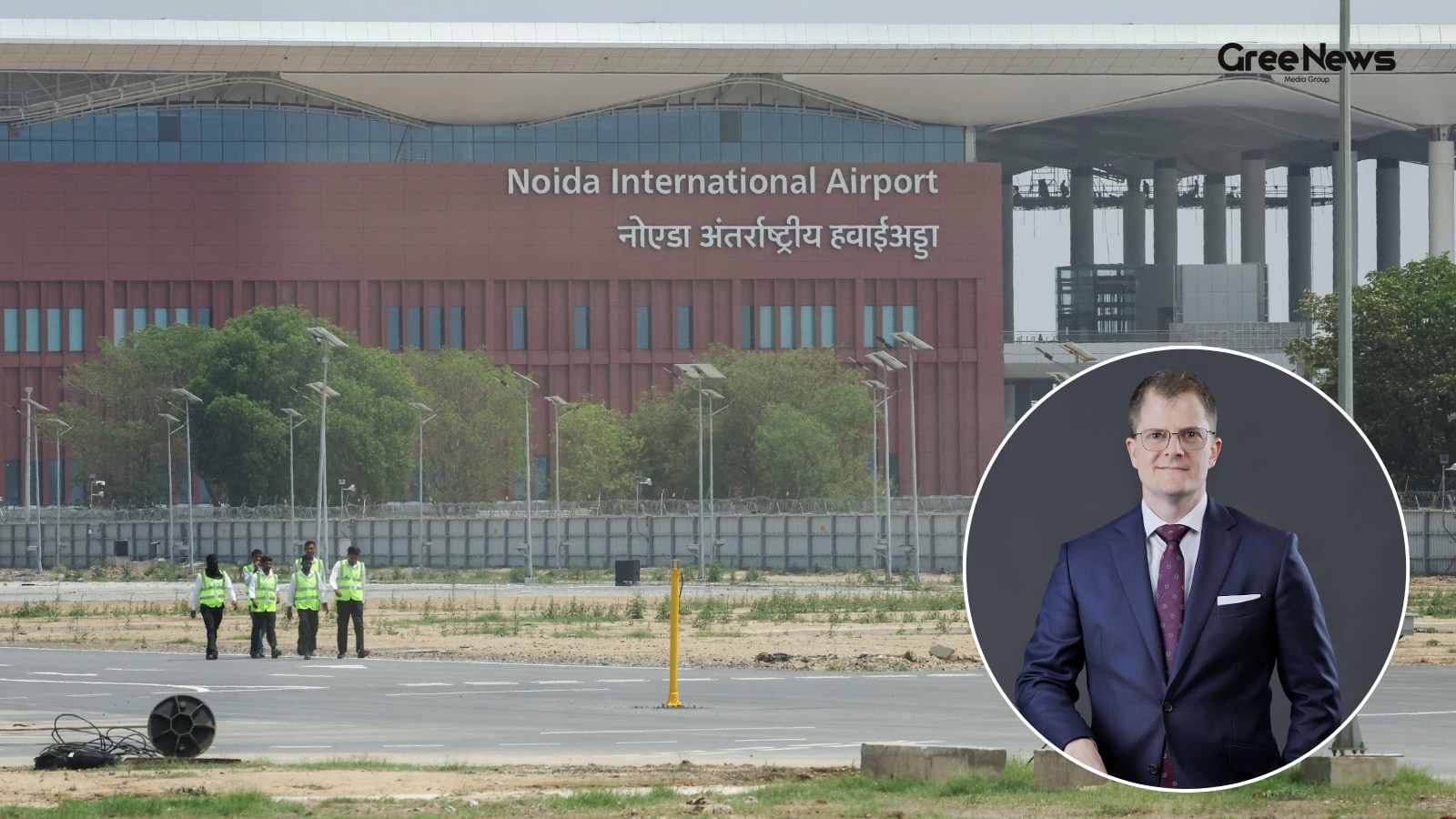
Honestly, when I first heard about the Noida International Airport’s inauguration, I thought it would be another feather in India’s growing aviation crown. The Prime Minister’s presence, the ribbon‑cutting ceremony, the glossy visuals it felt like watching a Bollywood climax. But less than a month after the fanfare, the airport is still not buzzing with planes. The real twist? It has nothing to do with the construction, the runways, or passenger facilities. It’s all about who wears the CEO’s hat.
Now, you might wonder why this matters to a regular traveller like you or me. In most cases, the CEO works behind the scenes, but here the rule tying the CEO’s nationality to security clearance has turned the whole project into a waiting game. As I dug deeper, I realized this is actually breaking news for anyone following the rapid expansion of Indian infrastructure, and it’s become a hot topic in the latest news India feeds.
Who is Christoph Schnellmann?
Let me take a step back and introduce you to the man at the centre of this drama. Christoph Schnellmann is not some last‑minute hire; he’s been involved with the Noida International Airport (NIA) since its inception. Representing Zurich Airport International AG, he’s been the project’s point person for years, and insiders often call him an “old India hand”. In fact, many of us in the industry heard his name linked with the earlier development of Bengaluru’s airport. So, when you hear “Swiss national”, you might picture an expatriate executive walking into a boardroom in Delhi, trying to balance Swiss precision with Indian bureaucracy.
What’s intriguing is that Schnellmann’s long‑term involvement is both a blessing and a curse. His familiarity with the project has ensured that the airport’s design, engineering, and operational plans are tightly knit. But the same rule that demands an Indian CEO now forces the airport to consider a leadership change just when everything else is ready. That’s the kind of plot twist that even a TV drama would struggle to script.
The Rule That’s Holding Everything Up
The crux of the issue lies in a regulation rolled out by the Bureau of Civil Aviation Security (BCAS) back in 2011. In plain English, the rule says that the chief executive of any Greenfield airport that is, an airport built from scratch must be an Indian citizen. The rationale? The CEO also serves as the airport’s security coordinator, responsible for executing aviation safety protocols that directly affect national security.
Now, you would think such a rule could be reviewed after a decade, especially with the inflow of foreign capital into Indian infrastructure. The BCAS actually sought an amendment, arguing that the global nature of airport operations calls for flexibility. But the Union Home Ministry the body that handles security clearances rejected the proposal. Their stance was clear: keep the rule as it stands, at least for now.
This seemingly dry regulatory detail suddenly became the biggest hurdle for the Noida airport, turning it into a story that started trending across social media platforms. It’s the kind of “viral news” that sees people sharing memes about a Swiss CEO being stuck because of a rule written before smartphones were common.
Why It Matters Right This Minute
We often hear about airports waiting for runway certifications or airline slots, but in this case the final piece is the Aerodrome Security Programme (ASP) clearance. The Noida airport already secured its aerodrome licence, which means the runways, taxiways, and basic operational systems satisfy international standards. However, without ASP approval a security protocol that hinges on the CEO’s nationality passenger flights can’t legally commence.
According to reports from reputable local dailies, Schnellmann has not yet received the mandatory security clearance from the Home Ministry. In most cases, this clearance is a formality for Indian CEOs, but for foreign nationals it becomes a labyrinth. One official, who asked to stay anonymous, told the press that this is “the only factor delaying the commencement of flight operations”. That line has been quoted in countless breaking news bulletins and is now part of the trending news India conversation.
Imagine being a resident of Jewar or a nearby town, hearing about a brand‑new airport that could cut travel time to Delhi or Mumbai dramatically, only to learn that bureaucracy is keeping the planes on the ground. It’s a mix of frustration and curiosity that keeps people scrolling through updates, hoping the next article will finally bring good news.
Why the Rule Isn’t Being Relaxed A Closer Look
Industry veterans argue that the rule is outdated. When it was drafted, most Indian airports were under military control, and foreign participation in airport management was rare. Fast forward to today, and the aviation landscape looks completely different private operators, foreign investors, and global best practices dominate the scene.
Take airline CEOs, for example. We have seen foreign nationals heading major Indian carriers like IndiGo and Air India without any regulatory pushback. Yet, the same flexibility isn’t extended to airport CEOs. This double standard feels odd, especially when the same security considerations apply to airlines and airports alike.
The Home Ministry’s refusal to amend the rule, citing security concerns, has sparked debates across think‑tanks and business forums. Some say it’s a necessary safeguard; others feel it hampers the very investment climate India is trying to foster. This debate is now part of the current India updates that policymakers and analysts are dissecting on panels and webinars.
What Could Happen Next?
So, what’s the likely next step? The airport authorities haven’t openly confirmed if they are hunting for an Indian CEO, but the pressure is mounting. If the rule remains unchanged, the most straightforward solution is to appoint an Indian national to the CEO position someone who can get the Home Ministry’s security nod quickly.
This could mean a last‑minute leadership reshuffle. For a project that already faced construction delays, a leadership change now could feel like another setback. Yet, it might also bring fresh perspectives, especially from professionals who have navigated Indian regulatory waters before.
Meanwhile, the airport says it’s working “closely with BCAS to secure the pending clearance and align all systems for launch”. In practice, that could involve intensive back‑and‑forth meetings, document submissions, and perhaps even a review of the existing security protocols to ensure they meet the Home Ministry’s expectations.
The Bigger Picture Balancing Openness and Security
Beyond the immediate drama, this episode points to a larger conversation about India’s regulatory framework. The country is aggressively courting foreign investment for roads, rail, ports, and airports a necessity given the scale of infrastructure needed. However, legacy regulations, especially those tied to national security, can sometimes act as speed bumps.
For the Noida International Airport, the tension is no longer an abstract policy discussion; it’s a real‑time hurdle that could affect thousands of jobs, regional connectivity, and the economic boost the airport promises. The story has been picked up by multiple news portals, becoming part of the latest news India carousel and sparking conversations on social media about whether India should modernise its rules to match global practices.
In my view, the solution lies in a balanced approach preserving security while allowing flexibility for capable leaders, irrespective of nationality, to steer these mega‑projects. Until then, the runway lights at Jewar will keep shining, but the planes will have to wait for that final Green signal.