Why the US is demanding Iran hand over enriched uranium
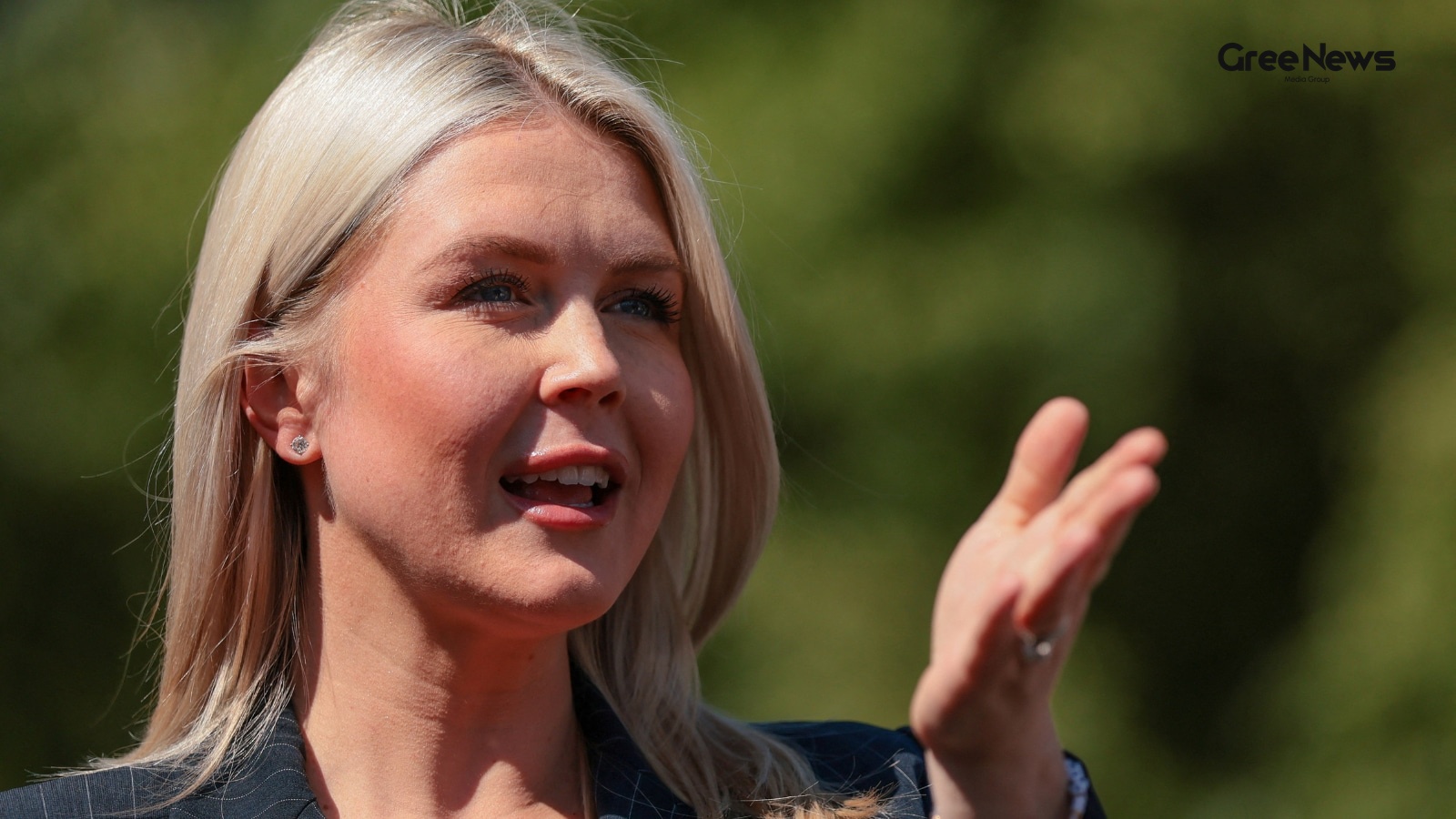
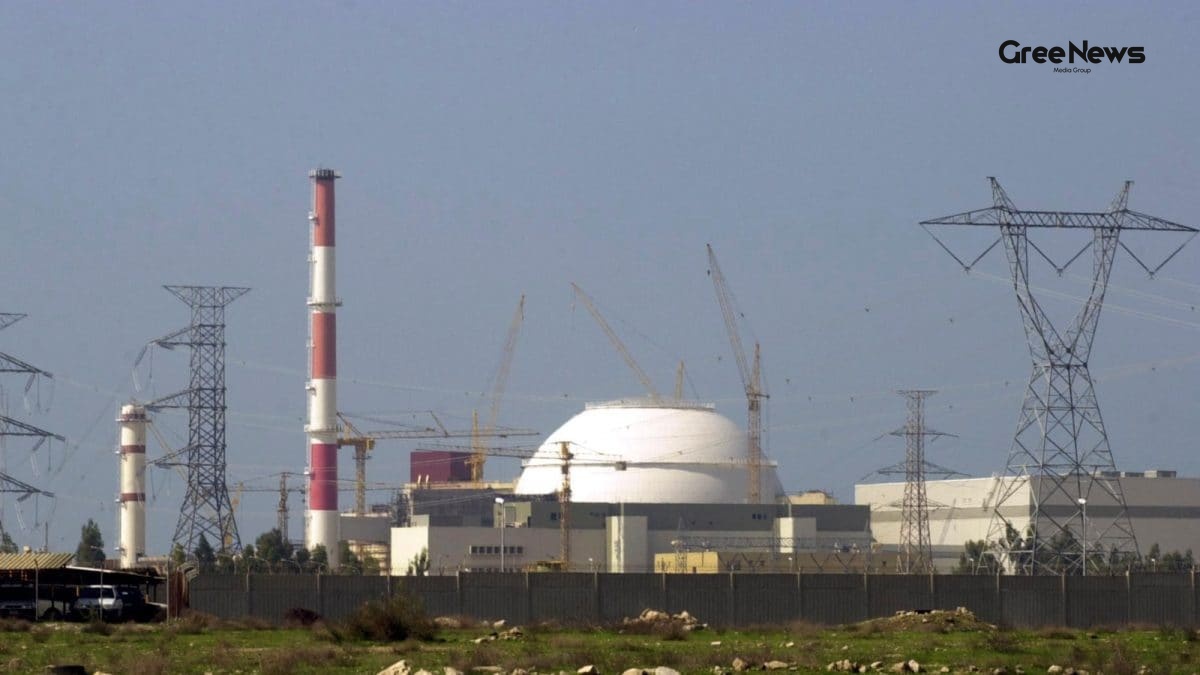
Honestly, when I was scrolling through the latest news India on my phone yesterday, the headline about the White House asking Iran to surrender its enriched uranium caught my eye. It felt like one of those breaking news moments that you just can’t ignore because it could shift the whole balance of power in the region. Karoline Leavitt, the White House Press Secretary, told reporters that handing over the uranium is a non‑negotiable part of the current nuclear talks. Basically, the U.S. wants to make sure that Iran’s stockpiles, especially the 60%‑enriched material which is technically close to weapons‑grade don’t become a future threat. This demand marks a clear shift from the earlier diplomatic language we were used to seeing.
What’s interesting, and what many people found surprising, is that the amount Iran is believed to hold is almost 2,000 kilograms in total. Out of that, about 440 kilograms is enriched up to 60%, the rest is at lower levels like 20% or below. In most cases, that lower‑enriched uranium can still be used for reactor fuel, but the 60% batch is what raises eyebrows because it can be further enriched to weapons‑grade with relatively less effort. The US sees this as a ticking time‑bomb if it’s left unchecked, and that’s why this demand is popping up as trending news India across many news feeds.
From the JCPOA to today’s fresh US demands
To understand why the US is taking this harder line, you have to look back at the Joint Comprehensive Plan of Action the JCPOA. Under that aGreement, Iran aGreed to cap enrichment at 3.67% and keep its stockpile around 300 kilograms. In return, a massive set of sanctions were lifted, giving Iran a bit of economic breathing room. But after the United States pulled out of the deal in 2018, things started to unravel. Iran slowly stepped back from its commitments, ramping up enrichment levels and expanding its stockpiles.
Now, fast forward to the present, the US is pressing for a new arrangement that not only brings Iran back into compliance but also asks for the surrender of existing enriched uranium. This is a big leap from the original limits and signals a tougher stance essentially saying, "We’re not comfortable with the old rules any longer." It’s the kind of shift that makes the story go viral, especially among policy geeks and everyday readers who follow India updates for a broader picture of world events.
How the talks are being affected by regional tension
While the nuclear talks are trying to get back on track, the backdrop is anything but calm. There’s a fragile ceasefire in place, a US naval blockade that still runs in the Persian Gulf, and the Strait of Hormuz remains a hot spot for potential disruptions. All these factors are feeding into the narrative of breaking news that everyone in the diplomatic community is watching closely.
What really caught my attention was the fact that Iran has refused to attend the fresh round of talks that were supposed to be held in Islamabad. The US Vice President JD Vance was slated to lead those negotiations, but Tehran threw the invitation back, citing the naval blockade and other cease‑fire violations as reasons not to sit at the table. In most cases, such a refusal is a strong signal that Iran wants to push the US into a corner, forcing them to either lift the blockade or rethink their demands. This back‑and‑forth has been the focus of a lot of trending news India, with many analysts speculating about the next move.
What this means for India and why we should care
As an Indian reader, you might wonder why a US‑Iran standoff matters to us. The answer lies in several layers. First, any escalation in the Middle East directly impacts global oil prices, and that, of course, ripples through the Indian economy from fuel costs at the pump to the price of goods that rely on transport. Second, the nuclear issue has a security dimension. India has always been cautious about nuclear proliferation in its neighbourhood, especially when it involves a country as strategically placed as Iran.
Moreover, the US‑Iran talks have implications for the broader diplomatic landscape, influencing how other countries, including India, navigate their own relationships with Tehran. For instance, India has been trying to maintain a balanced trade relationship with Iran, especially for oil imports, while also keeping close ties with the United States. The latest demands by the US could pressurise Iran into making concessions, potentially opening up new avenues for cooperation or, conversely, tightening the noose around Iran’s economic lifelines. This is why you’ll often see this story surface as part of viral news collections that buffeted Indian social media feeds this week.
Personal take why I’m keeping an eye on this
Honestly, I never thought a nuclear negotiation would become my morning coffee conversation, but here we are. I was chatting with a colleague over chai, and we started comparing the numbers 440 kilograms at 60% enrichment sounded massive to us, even though we are not nuclear experts. We both aGreed that if the US manages to get Iran to hand over that material, it could set a precedent for future non‑proliferation deals worldwide.
What also surprised me was the subtle way the US phrased its demand it wasn’t a blunt ‘give it up now’, but more a “we need a concrete step forward”. In most cases, such diplomatic language is designed to keep the door open for negotiation while still applying pressure. That nuance caught my eye, making me wonder how far the US is willing to go will they lift the blockade, will there be more sanctions, or will there be a new framework altogether? This curiosity drove me to read more articles, and it felt like a deep dive into something that started as a piece of breaking news but turned into a complex puzzle.
Potential scenarios what could happen next?
If Iran aGrees to hand over its enriched uranium, we could see a de‑escalation in the nuclear tension, possibly leading to a new aGreement that mirrors or even improves on the old JCPOA. That would be a win‑win from the US perspective and could stabilize the region enough to ease the naval blockade, which would be good news for shipping routes that are vital for Indian trade.
On the other hand, if Tehran continues to refuse, the stalemate could deepen. We might witness an increase in sanctions, more naval posturing by the US, and perhaps a harder‑line approach that could lead to unintended consequences. One thing is clear: the story will keep chiming in as trending news India, with new developments popping up almost daily. I’m keeping a close watch because any shift could ripple through our own diplomatic strategies and economic calculations.
How the international community is reacting
The reaction from other global powers has been a mix of caution and support for the US stance. Europe, particularly the EU, has expressed concern over the potential for a new nuclear arms race, urging Iran to comply without compromising its peaceful nuclear rights. Meanwhile, Russia, a traditional ally of Iran, has warned against any unilateral moves that could destabilise the region further.
What I found intriguing was the way each country framed the issue some called it a “necessary step for regional security,” while others labelled it “an aggressive demand.” This spread of opinions adds layers to the narrative, turning the whole saga into a viral news story that keeps getting shared across platforms, especially among the diaspora and policy‑watches in India.
Final thoughts why this story matters
All in all, the US demand for Iran to surrender its enriched uranium is more than just a diplomatic footnote. It’s a flashpoint that could reshape nuclear non‑proliferation norms, affect oil markets, and influence India’s own geopolitical calculations. As someone who follows the latest news India every day, I can say that the stakes are high, and the outcomes are still uncertain. What happened next will likely determine whether we see a new era of cooperation or a renewed round of tension.
So, keep an eye on the developments the next statement from Karoline Leavitt or a move by Iran could change the whole picture. And if you’re like me, you’ll probably be sharing the updates with friends over a cup of tea, because the story is too big to ignore and just the kind of breaking news that keeps you awake at night, wondering what the future holds for the region and for India.