How I First Heard About the Veiled Waterfall
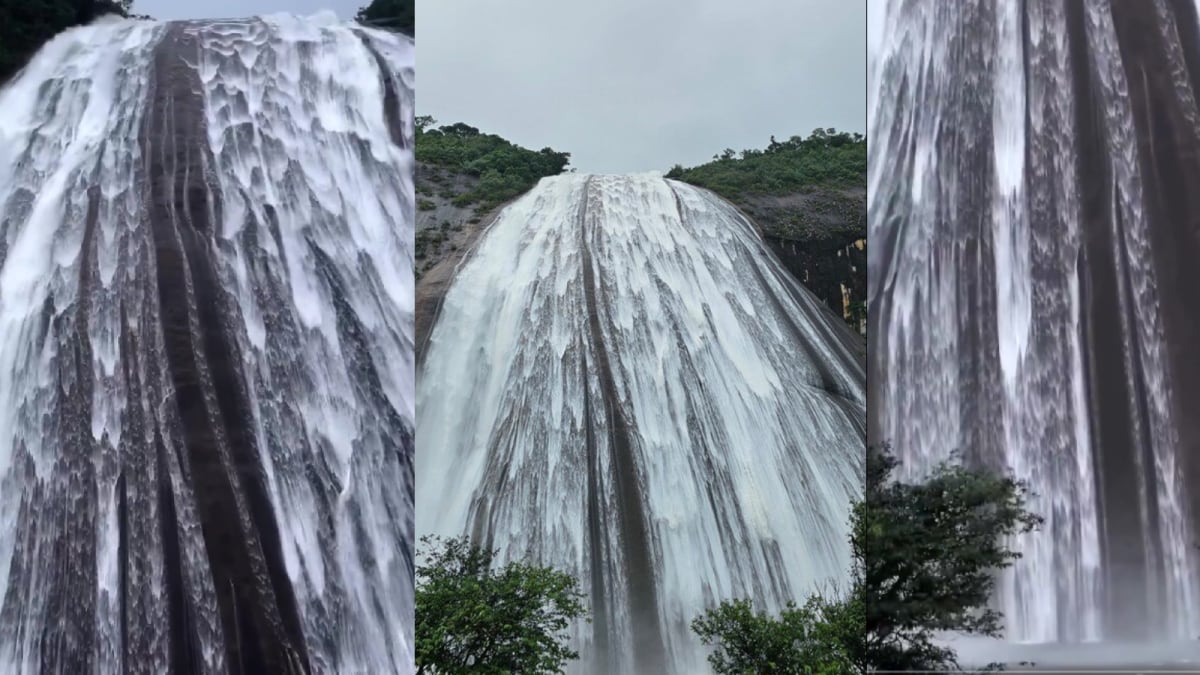
Honestly, I didn’t plan to chase a waterfall in South America while scrolling through my phone on a rainy Mumbai evening. It started with a random post on a travel forum – some bloke from Kerala bragging about a "hidden curtain" deep in Venezuela’s Green heart. I was instantly curious because, you know, we Indians love a good story about a remote spot that few have seen. The description sounded like something straight out of a movie: a massive drop, more than a hundred metres, splashing down in a wide sheet that looked like a giant white curtain, surrounded by thick forest that seemed untouched.
After that, I dug a little deeper. I found a few shaky videos, some blurry pictures, and a few scattered articles. Everyone kept saying the place was “hard‑to‑reach” and “off the beaten path”. That phrase actually sparked a fire inside me. I’m the kind of person who, once I hear about an adventure that’s not mainstream, I feel a need to experience it myself. So, I started planning – not just a quick trip, but a proper trek, because the roads end way before the waterfall.
Preparing for the Journey – A Very Indian Checklist
Preparing for a trip to a place that most maps barely mark is a bit like getting ready for a long Indian train journey: you pack way more than you think you’ll need. First, I made a list of essentials – a good pair of trekking shoes (the ones I normally use for the Western Ghats), a lightweight rain jacket (because the Venezuelan rainforest is as wet as Kerala during monsoon), a sturdy backpack, a portable water filter, and a decent camera. I also tucked in some Indian snacks – a couple of packs of biscuits, a few masala peanuts, and a small container of homemade pickles. Trust me, having a taste of home in the middle of a jungle makes the whole experience a bit more comforting.
Then there were the practical things: getting a visa (which took longer than I expected – Indian embassies can be a maze), booking a flight to Caracas, and finding a reliable local guide once I landed. I contacted a small adventure agency based in Caracas that offered customized treks. They were very helpful, speaking a bit of English, and they assured me they could take me to the hidden waterfall after a couple of days of driving and hiking.
One thing I learned the hard way was to bring extra cash – not just dollars, but also some local currency, because small villages in the forest rarely accept cards. And, of course, I packed a small notebook to jot down observations, because I love writing about what I see, just like I’m doing now.
The Flight, the Drive, and the First Glimpse of the Forest
Landing in Caracas felt like stepping onto a movie set – noisy streets, colourful houses, and the scent of arepa stalls everywhere. After a quick recharge and a hearty Venezuelan breakfast (I tried arepas with cheese, which reminded me a bit of our own poori stuffed with aloo), we set off in a rugged 4x4 with our guide, Carlos. The road quickly turned into a narrow dirt track, winding through small villages and towering hills.
We drove for several hours, passing through coffee plantations that reminded me of the hills of Coorg back home. The landscape changed slowly – from cultivated fields to dense, unbroken forest. The deeper we went, the fewer houses we saw, and the more the sound of motorbikes was replaced by the chirping of birds and the occasional howl of a distant monkey.
By the end of the second day, we reached a modest camp near a river that served as the base for the trek. The river was clear, flowing over smooth stones, and I could see fish darting around. That night, while the campfire crackled, Carlos told stories about the waterfall – how locals call it “Cascada del Cortinero” because its water looks like a huge curtain. He said that only a handful of people have ever seen it up close, and most who try don’t make it because the trail gets treacherous after the river crossing.
Starting the Trek – The Trail That Tests Your Will
The next morning, with backpacks on our shoulders, we set off. The trail started off easy – a narrow footpath flanked by towering trees whose leaves formed a Green canopy that filtered the sunlight into dappled patches on the ground. It felt similar to trekking in the Western Ghats during the monsoon, except the humidity was far more intense.
After a few kilometres, the terrain got steeper. We had to scramble over moss‑covered rocks, wade through shallow streams, and occasionally cut through thick vines. At one point, a sudden downpour turned the path into a slippery mess, and I slipped, nearly taking a tumble. But the adrenaline was buzzing, and the thought of that massive curtain of water kept me moving forward.
We took short breaks under huge kapok trees, sipping water filtered through my portable purifier, and eating the biscuits I had packed. My mind kept wandering to how different this felt from the usual tourist spots in India, where everything is well‑marked and crowd‑filled. Here, the forest seemed to belong solely to the birds, insects, and the occasional curious jaguar.
After about six hours of steady hiking, we finally reached a ridge that offered a distant view. Through the mist, I could see a faint white line disappearing into the trees. My heart raced – could this be the curtain? Carlos nodded, pointing at a faint mist rising from a far‑off opening in the forest.
The First Sight of the Curtain‑Like Cascade
We pushed forward, the trail now narrowing to a rocky ledge. The air grew cooler, and the sound of rushing water grew louder, like a giant faucet turned on full blast. Then, as I stepped onto a small clearing, the sight took my breath away.
Before me stood a massive waterfall, plunging over a hundred metres down a sheer cliff. The water fell in a wide, curtain‑like sheet, spreading across the rocks and creating a massive, white veil that glistened in the dappled sunshine. The force was immense – I could feel the spray on my face even from a few metres away. The surrounding forest seemed to part, creating a natural amphitheatre that amplified the roar.
It was one of those moments you only hear about in travel documentaries, yet it felt intimately personal. I stood there, hands in pockets, taking in the scene, feeling a mix of awe, peace, and a little bit of pride that I had actually made it.
For a while, I just watched the water cascade, listening to the thunderous sound that seemed to drown out all my thoughts. Occasionally, a bird would fly past, its silhouette against the mist looking like a tiny scrap of paper. The whole place felt timeless – as if the waterfall had been there long before people ever set foot in this forest, and would continue long after we left.
Experiencing the Peaceful Atmosphere
After the initial adrenaline, a sense of calm settled over me. I found a safe spot on a flat rock near the base of the cascade, where the water pooled into a shallow pool. The water was icy cold, but I dipped my feet in – that shock of cold quickly turned refreshing, washing away the fatigue from the trek.
Listening to the constant roar, I realized how different it was from the hustle of Indian cities. No horns, no sirens, just the rhythmic roar of water and the occasional call of a toucan. I closed my eyes, feeling the mist on my skin, and for a few minutes, I forgot I was an Indian traveller in a foreign land. I was simply a person, any person, standing before nature’s grand performance.
While I was there, I noticed a few small details that made the experience even richer. Tiny orchids clung to the rocks, their pink petals contrasting with the white spray. A family of monkeys swung above, chattering in a way that sounded suspiciously like how my cousins argue over who gets the last piece of mango.
Even the scent changed – the fresh, earthy smell of damp soil mixed with a faint sweet aroma from the surrounding vegetation. It reminded me of the monsoon scent in the Western Ghats, but more intense, as if the forest itself exhaled the perfume of life.
Connecting the Waterfall to Its Surroundings
The waterfall isn’t just a stand‑alone marvel; it’s part of a larger river system that feeds several downstream villages. Carlos explained that the water from the cascade eventually joins a river that supplies irrigation to farms where locals grow coffee and cacao. The health of the waterfall, therefore, directly impacts the livelihoods of many people living far away in the valley.
Observing this, I felt a deep sense of respect for the delicate balance between nature and human life. In many parts of India, we see similar connections – a river that supports agriculture, drinking water, and even cultural rituals. Seeing it in a different context reminded me how universal the relationship between water and people truly is.
There were also signs of gentle human presence – a small, handmade fence made of bamboo, marking a spot where locals sometimes sit to rest. A few ages ago, a group of young men had set up a modest, wooden platform for picnics. It showed that while the spot is remote, it’s not entirely untouched by human hands.
Even the wildlife seemed attuned to the waterfall’s rhythm. A pair of jaguars were spotted a short distance away, cautiously drinking from a side pool. The whole ecosystem appears choreographed around the water’s flow, a lesson in how a single natural feature can influence an entire web of life.
Practical Tips for Future Travellers
If you’re reading this and thinking about making the trek yourself, here are a few things I learned the hard way:
- Start Early: The trail gets hotter as the day progresses, and the mist becomes less visible in the afternoon.
- Carry a Reliable Raincoat: Even if the sky looks clear, the forest can surprise you with sudden showers.
- Bring a Good Pair of Trekking Shoes: The path is rocky and often slippery; sturdy shoes with ankle support are a must.
- Pack Light Snacks: Energy bars, nuts, and a few pieces of homemade pickle work wonders when you’re exhausted.
- Stay Hydrated: Use a portable water filter – the river water is clear but not always safe to drink directly.
- Hire a Local Guide: Carlos was invaluable – he knew the safest routes, the spots where the trail is passable, and the local customs.
- Respect the Environment: Do not leave any litter behind, and avoid touching delicate flora.
Also, keep some cash in small denominations – you’ll need it for any tiny villages you cross, and some locals only accept cash for food or a place to stay.
Reflections on the Journey
Looking back, the whole experience felt like a personal pilgrimage. It reminded me of the many hidden gems we have back home in India that many tourists never see – like the mysterious caves of Meghalaya or the silent glaciers of Ladakh. The world is full of such untouched places waiting for a curious soul.
What struck me most was how the waterfall, while grand and powerful, also held a serene, peaceful vibe once you were close enough to feel its mist. It taught me that strength and calm can coexist, a lesson that resonates with the hectic pace of our daily lives back in Mumbai.
Now, whenever I hear the sound of a faucet turning on, I instantly think of that massive curtain of water, reminding me that there’s always a bigger picture beyond the everyday hustle.
If you ever get the chance to step off the usual tourist trail, trust me, it’s worth it. Pack a bag, bring some courage, and let the forest guide you to its secret masterpiece.