- Lifestyle Desk
Worried that a snake plant may attract snakes? It is a common myth. Here’s the real reason snakes enter homes and what you should watch out for
My first encounter with the "snake" plant myth
Honestly, the first time I heard that a snake plant could bring actual snakes into the house, I laughed a bit. I was in my aunt’s flat in Chennai, and she had a couple of those tall, dark‑Green leaves standing in the balcony. She told me, "If you bring that plant inside, you’ll have snakes crawling around the kitchen!" I thought, "Aunty, you’re mixing up the plant with a real python!"
Later that month, after moving to my own rented apartment in Delhi, I actually bought a snake plant because it’s low‑maintenance and looks good against a painted wall. A neighbour, who is a big fan of home‑gardening, warned me again – she said, "Don't be surprised if you see a snake later." I shrugged it off, but the thought stayed with me. That’s why I decided to dig a little deeper and see whether there is any science behind the claim or it is just old‑fashioned superstition.
What exactly is a snake plant?
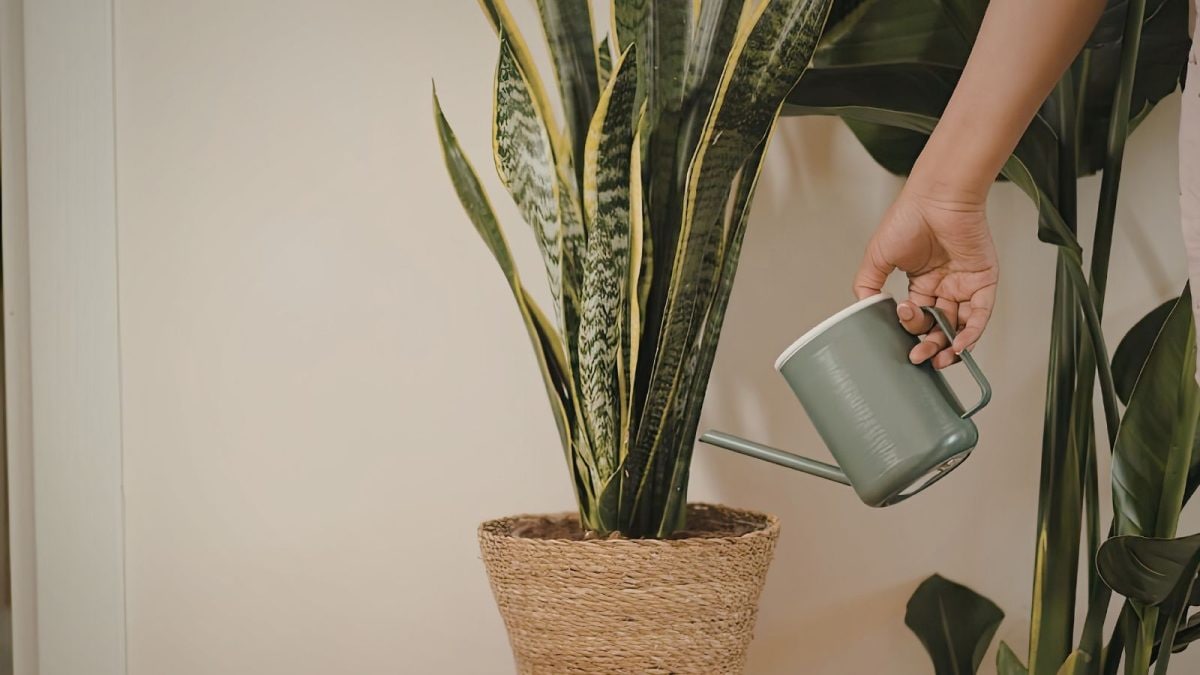
First off, the plant we all call "snake plant" is scientifically known as Sansevieria trifasciata. In India, many people also call it "mother‑in‑law’s tongue" because the long, pointed leaves look a bit like a sharp tongue. It is a succulent, which means it stores water in its leaves and can survive with very little watering – perfect for the hot Indian summer when we forget to water our indoor plants.
It tolerates low light, does not need frequent fertiliser, and even helps improve indoor air quality – a fact that the Indian Space Research Organisation (ISRO) once highlighted in a brochure about plants for space stations. So, from a practical viewpoint, the snake plant is a great indoor Green, and nowhere in any horticultural text does it mention attracting actual snakes.
The myth – why do people think snake plants bring snakes?
There are a couple of reasons this idea sticks around:
- The name itself – "snake" plant – might be misleading for folks who are not botanically inclined.
- The plant’s leaves are long, upright and a bit pointy, which visually resembles a snake’s body.
- In many Indian movies and TV serials, you’ll see a scene where a character pulls a snake plant aside and a snake slithers out. Those are obviously dramatized, but they create a lasting impression.
But when you look at the data from wildlife experts, there is no correlation between indoor snake plants and actual snake sightings. The myth likely originated from a misunderstanding of the real reasons snakes wander inside our homes.
Why do snakes actually enter Indian homes?
Snakes are not that clever to seek out a specific type of houseplant. They simply follow their basic instincts – food, shelter, and favourable climate. Here’s what usually drives them inside:
- Searching for prey. In many Indian cities, rats and mice are plentiful around garbage dumps, kitchen waste or grain storage. When a snake follows the scent of a rodent, it can end up at the back of a house, especially if there are cracks or holes in the walls.
- Seeking shelter during monsoon. The rainy season makes the ground soggy and reduces hiding places outdoors. Snakes crawl into basements, under stairs, or even inside cupboards to stay dry.
- Warmth and humidity. Some snake species, like the common Indian cobra or the rat snake, prefer warm, humid spots. A bathroom that’s often steamy after a shower can be an inviting micro‑habitat.
- Accidental entry. A loose door, an unsealed window screen or a gap under a pipe can serve as a highway for a snake travelling along a garden wall.
Notice that none of these points involve the snake plant at all. They are about the building’s condition and the surrounding environment.
Practical steps to keep snakes out, snake‑plant or not
Now that we know why snakes come in, let’s talk about what you can actually do. These tips are simple enough for a typical Indian household, whether you live in a high‑rise apartment or a semi‑urban bungalow.
1. Seal cracks and holes
Take a candle and run it close to the walls. The flame will highlight any tiny gaps. Use cement, steel wool or silicone sealant to fill them, especially near the floor and around pipes. If you have a thatched roof in a village house, make sure the edges are tightly thatched.
2. Keep the kitchen clean
Never leave food scraps on the counter overnight. Store grains in airtight containers – not in open sacks that attract rodents. A clean kitchen means fewer mice, and fewer mice mean fewer snakes.
3. Manage waste properly
In many Indian colonies, the garbage bin is placed near the main gate. Make sure you tie the bin tightly and keep it away from the house walls. Also, compost pits should be at a distance, otherwise they become a perfect hunting ground for rats.
4. Check door and window screens
Most urban homes have mesh screens. Over time, the mesh can get torn. Replace any damaged section. For wooden doors, a simple brush strip at the bottom can block entry.
5. Reduce clutter in corners
Stacks of old newspapers, cardboard boxes or unused furniture create dark hideouts. If you must store them, keep them against a wall rather than in the middle of the room.
6. Use natural repellents
Some people swear by placing crushed garlic, onion skins, or even coffee grounds around the house perimeter. While scientific proof is limited, the strong smell can deter some small mammals, indirectly reducing snake visits.
Following these steps, you’ll notice a drop in snake sightings, even if you have a snake plant sitting right beside your sofa.
My personal experience with a snake plant and a surprise visitor
One hot summer afternoon, I was sitting on the balcony, reading a newspaper, when I heard a soft rustle. I turned to see a small brown rat scurrying across the tiles. I quickly shooed it away, but a few minutes later, I saw a slender, grayish snake – a rat snake – slipping out from behind the kitchen cupboard.My first thought was, "Is it because I have a snake plant?" I looked around, and the snake was actually using the small gap under the cupboard where the pipe for the washing machine entered the wall. It had nothing to do with the plant at all. I sealed that gap that night and the snake never returned.
Since then, I keep the snake plant in the living room, where it gets plenty of indirect sunlight, and I’ve had no more unwelcome reptile guests. The plant is simply a decorative piece that also purifies the air – a win‑win.
Common misconceptions you might still hear
- "Snake plants release an aroma that lures snakes." No scientific study supports this. The plant does emit a faint, earthy smell, but it is far too weak to attract a snake.
- "If you water the plant at night, snakes will be attracted to the moisture." Snakes are more interested in prey than humidity from a potted plant. They can survive long periods without water.
- "Only large snake plants can attract snakes." The size of the plant is irrelevant – it is the structural gaps in your home that matter.
Whenever I hear these claims from friends or relatives, I smile and explain the real reasons. Most people accept the logic after I point out the simple steps to seal gaps, and the conversation moves on.
Bottom line – should you keep a snake plant?
In short, yes. The snake plant is a hardy, air‑purifying houseplant that needs very little care. It does not act as a beacon for snakes. The real focus should be on house maintenance: sealing cracks, keeping the environment rodent‑free, and ensuring good ventilation.
If you’re still uneasy, you can place the plant away from the kitchen or bathroom, just like you would with any other decorative item. The plant will thrive, your home will stay snake‑free, and you’ll have a lovely Green touch to your interior.