How I Stumbled Upon the Papaya Debate
Honestly, I never gave papaya much thought until a friend of mine, who lives in Chennai, mentioned that her uncle swears by raw papaya for keeping his blood sugar in check. I was curious because I had always associated papaya with the sweet, orange‑coloured fruit you eat as a dessert after lunch. So I decided to give both raw and ripe papaya a proper try and note down any differences I felt.
My routine is pretty typical for many of us in India – a quick chai with biscuits in the morning, a heavy lunch of rice, dal and vegetables, and then the evening tea‑time chatter with friends. Glucose spikes are not something I talk about a lot, but over the past few months I noticed that when I skipped breakfast or had a sugary snack, I would feel that dreadful crash around mid‑afternoon. That made me look for natural ways to keep my blood sugar smoother, and papaya seemed like a convenient option.
First Taste: Raw Papaya in the Kitchen
The first time I cut open a raw papaya, I was reminded of the Green mangoes we use for salads in the south. It was firm, a little bitter at the edges, and the juice was not sweet at all. I shredded it the way I would a carrot for a salad, added a pinch of salt, a dash of chaat masala, and a squeeze of lemon. The result was a tangy, crunchy side that I could eat with my chapati. I started having a small bowl of this raw papaya salad after my lunch about three times a week.
In most cases, I felt that the raw bite gave my stomach a gentle nudge without making me feel overly full. It was easy to digest – you know the way a fresh cucumber feels after a hot day, something light and refreshing. Over a week, I noticed that my usual post‑lunch dip in energy wasn’t as steep. I can’t say it was a miracle, but the raw papaya seemed to keep my cravings for sweets at bay for a while.
One practical observation I made was that raw papaya stores well in the fridge for a few days. I could slice it, keep it in a container, and just toss a handful into my lunch plate whenever I felt like adding some fibre. It felt like a low‑effort addition to my daily diet.
Switching Gears: The Sweetness of Ripe Papaya
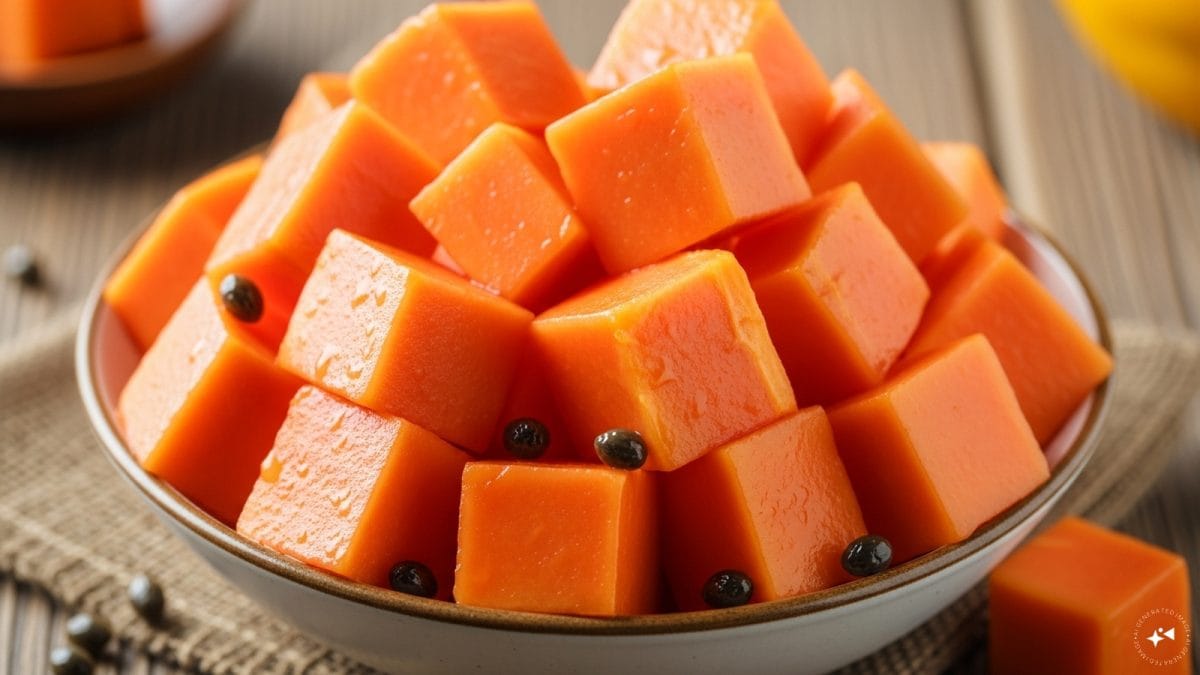
After a couple of weeks of raw papaya, curiosity nudged me to try the ripe version. Ripe papaya is a whole different story – soft, fragrant, and naturally sweet. I cut it into cubes and added a spoonful of low‑fat curd, a sprinkling of toasted flaxseeds, and a drizzle of honey, just the way my mother used to serve it on summer evenings.
The taste was undeniably pleasant, and frankly, I found myself looking forward to it as a dessert after dinner. It also became a quick snack when work got hectic; I’d grab a few cubes and eat them while scrolling through emails. The sugar content was higher, but the fruit’s natural sweetness seemed to satisfy my sweet tooth without needing any extra candy.
From a practical point of view, ripe papaya is a bit more perishable. If you buy it too early, you end up with a hard fruit that needs a few days to soften. But once it’s ripe, it doesn’t last much longer than a couple of days in the fridge. I learned to plan my purchase so that it would be ready when I needed a quick snack.
Comparing the Two: What I Felt on My Blood Sugar Journey
In my own simple tracking, I kept a notebook and wrote down the time I ate either raw or ripe papaya, and then noted my energy levels a couple of hours later. What emerged was a kind of pattern:
- Raw papaya, because of its firm texture and low natural sugar, gave me a gentle feeling of fullness. I didn’t feel a sudden spike in energy, but rather a steady, calm sense that my stomach was not empty.
- Ripe papaya, with its sweet pulp, gave me an immediate lift – almost like a small boost of energy. This was useful on days when I felt very low after a long commute, but the lift didn’t last as long as the raw version’s effect.
- Both versions, however, seemed to prevent the sharp crash that usually follows a cup of tea with a lot of sugar. In most cases, I didn’t reach for the usual biscuit after my evening tea when I had a piece of papaya beforehand.
It’s important to stress that I didn’t replace my regular meals or medicines – I simply added a small portion of either raw or ripe papaya into my daily routine. The core message that emerged from my personal experiment is that both raw and ripe papaya offer some kind of benefit when it comes to handling blood sugar, just in slightly different ways.
Everyday Situations Where One Beats the Other
Here are a few typical Indian scenarios where I found one type of papaya more handy than the other:
- Office Lunchbox: I usually pack a small container of raw papaya salad with a little lemon and salt. It stays crisp for hours and doesn’t get mushy, making it perfect for a midday snack.
- Weekend Family Gatherings: During a Sunday brunch, my cousins love the sweet, soft cubes of ripe papaya mixed with a dash of chat masala. It feels more like a treat and fits well with other festive dishes.
- Post‑Workout Recovery: After a quick jog in the park, I prefer ripe papaya because the natural sugars help replenish energy faster, especially when I combine it with a spoon of protein‑rich curd.
- Late‑Night Craving: When the household is already winding down and I just want something light, a few slices of raw papaya with a pinch of pepper do the trick without making me feel heavy before sleep.
These little observations make it easier for anyone to decide which form fits their daily schedule best.
Simple Tips to Include Papaya in Your Diet
Based on my own routine, here are some no‑fuss ideas you can try:
- Grate raw papaya and add it to a vegetable raita. The mild flavour blends well with cucumber and mint.
- Blend ripe papaya with a splash of buttermilk for a refreshing summer drink.
- Mix diced papaya (ripe or raw) with boiled chickpeas, onion, and a squeeze of lime for a quick protein‑rich salad.
- Keep a small jar of shredded raw papaya in the fridge and toss it into soups just before serving for an extra fibre boost.
All these ideas are simple, use ingredients that are easily available in most Indian kitchens, and they keep the focus on using papaya as a natural aid for blood sugar control rather than a medicinal product.
Wrapping Up My Papaya Experiment
To sum it up, my personal experience tells me that both raw papaya and ripe papaya can be useful allies if you are trying to keep blood sugar levels steady. Raw papaya feels more like a low‑calorie, fibre‑rich snack that won’t give you a sugary rush, while ripe papaya offers a quick, pleasant burst of energy that can be handy when you need that extra lift.
Ultimately, the choice depends on your own daily habits, what texture you prefer, and how you plan to incorporate the fruit into meals. There is no need to pick one over the other; you can enjoy both, rotating them according to your schedule, just as I have begun to do. And if you’re like many of us who juggle work, family, and a bit of health‑consciousness, adding a modest portion of papaya – raw or ripe – is a simple step that may make a noticeable difference in how you feel throughout the day.
So next time you pass the fruit stall on your way home, grab a papaya, decide whether you want the crunchy raw version or the sweet ripe one, and see how it fits into your own blood‑sugar story.