World

Donald Trump Cancels Steve Witkoff and Jared Kushner’s Pakistan Mission, Says ‘We Have All The Cards’

Saturday, April 25, 2026
5 min read
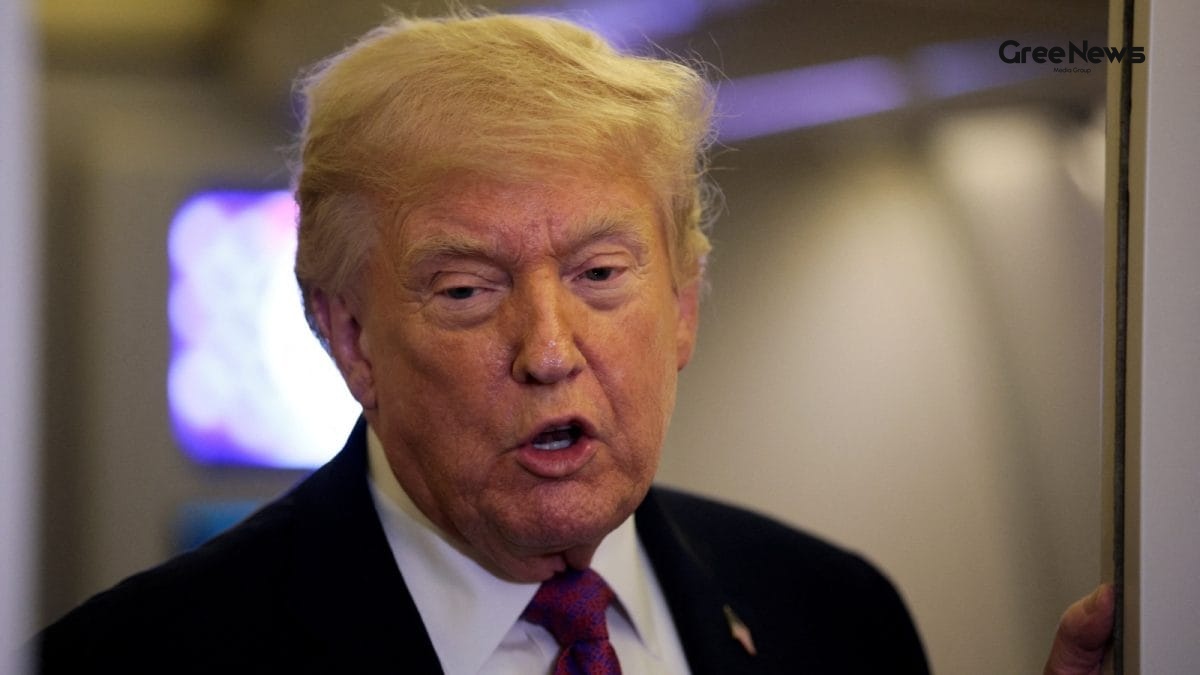
Donald Trump speaking during a press briefing
Donald Trump speaking during a press briefing.

Why Donald Trump pulled the plug on the Pakistan trip

So, the other day I was scrolling through the latest news India feeds when I stumbled upon a piece that read, “Donald Trump says he has cancelled the Steve Witkoff and Jared Kushner trip to Pakistan.” I thought, "what happened next is interesting" because the whole situation sounded like a Bollywood thriller high stakes, secret talks, and a sudden twist.

Donald Trump told Fox News over the phone that the United States had decided to halt the trip while preparations were still in progress. Donald Trump said, "I’ve told my people a little while ago they were getting ready to leave, and I said, ‘Nope, you’re not making an 18‑hour flight to go there. We have all the cards. They can call us anytime they want, but you’re not going to be making any more 18‑hour flights to sit around talking about nothing.’" The tone was almost as if Donald Trump were dealing with a cricket team that kept asking for extra practice sessions the message was clear: the game is on hold until the strategy is perfect.

Background: the diplomatic dance between the United States, Iran and Pakistan

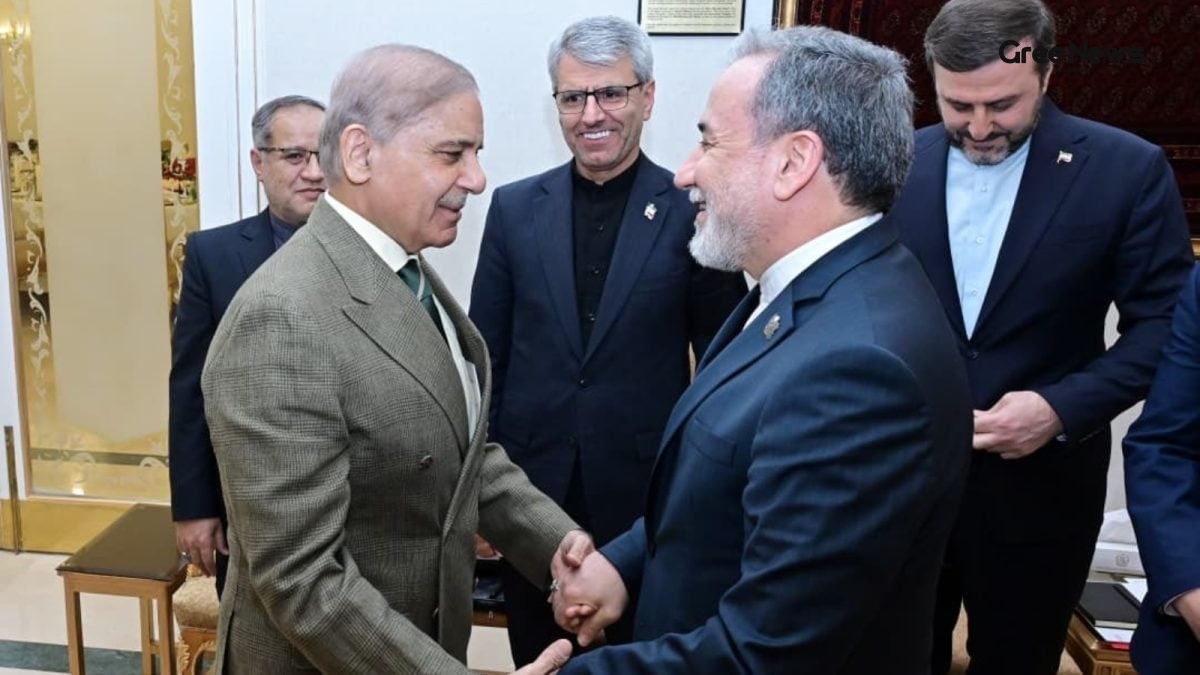
Before the cancellation, the United States was gearing up for a fresh round of dialogue with Iran. The plan was for Steve Witkoff and Jared Kushner to travel to Islamabad, where they would meet an Iranian delegation that was expected to include Iran’s Foreign Minister Abbas Araqqi. In most cases, such a meeting would be a sign that both sides were willing to take a step back from the brink and explore a possible peace formula.

What caught people’s attention was the fact that the talks were to be hosted by Pakistan a country whose capital, Islamabad, often becomes the stage for high‑profile diplomatic gatherings. For many Indians, this is reminiscent of how Delhi or Mumbai sometimes host international summits, and the whole scenario felt like a live episode of a political drama that we watch on the news channel while sipping chai.

Now, with Donald Trump stepping in and declaring that the United States has “all the cards”, the whole narrative shifted. It felt like a cricket captain pulling a batsman out of the game just before a crucial over the tension in the stadium rose dramatically.

Iran’s “new proposal” what could it be?

Earlier on that same day, Donald Trump hinted that Iran might be ready to present a proposal that addresses American demands. Donald Trump said, “They’re making an offer and we’ll have to see,” during a phone interview with Gree. The details, however, remain under wraps. Many political watchers in India are treating this as a piece of trending news India, trying to piece together clues from satellite images, statements from the Iranian embassy, and even gossip from social media.

What makes this situation even more intriguing is the way Donald Trump phrased the uncertainty: “I don’t know the details of the proposal.” It’s like when a friend says, “I’ve got a surprise for you, but I can’t tell you yet,” and you sit there wondering whether it’s a gift or a prank. In the diplomatic world, that kind of ambiguity can either lead to a breakthrough or deepen mistrust.

Pakistan’s role why Islamabad matters

Pakistan has long been a middle‑ground for talks involving the United States and Iran. The country shares borders with Iran and has a history of acting as a back‑channel for negotiations. Many Indians, especially those who follow foreign affairs, view Islamabad as a crucial listening post where the ripple effects of any aGreement will be felt across South Asia.

When the news of the cancelled trip broke, people on the streets of Delhi were seen debating whether this move would push Iran to reconsider its stance or simply stall the process. It reminded me of the time when a big Bollywood director decided to postpone a film shoot because of weather everyone waited anxiously for the new schedule.

One thing is clear: the cancellation has added a layer of uncertainty to the already delicate balance of power in the region. If the United States chooses to keep the talks on hold, Iran’s next move could either be a conciliatory overture or a hard‑line stance, and Pakistan will be watching closely.

United States’ red line enriched uranium and the Strait of Hormuz

Donald Trump has repeatedly said that any deal with Iran must involve Iran giving up its enriched uranium and ensuring the free flow of oil through the Strait of Hormuz. The United States has also been maintaining a naval blockade of Iranian ports, a stance that is being closely monitored by shipping companies and energy traders across the world.

When asked what would make the United States lift the blockade, Donald Trump replied, “I’d have to be able to answer that question later. I have to see what they’re offering.” This response, while vague, underscores that the United States is keeping its options open, waiting for a concrete offer that meets its non‑negotiable demands.

For Indian businesses that rely on oil imports, any shift in the Strait of Hormuz situation can cause a ripple effect on fuel prices at local pumps. That’s why this story has become part of viral news conversations across India, with many sharing infographics and commentaries on social platforms.

Internal dynamics in Iran a clue to the future?

Donald Trump also hinted at possible internal divisions within Iran’s leadership, suggesting that not everyone might be on the same page regarding negotiations. When pressed about who exactly the United States was speaking to, Donald Trump declined to name any individuals, saying, “I don’t want to say that, but we’re dealing with the people that are in charge now.”

This sort of statement often fuels speculation among analysts who wonder whether hard‑liners or moderates are steering the Iranian foreign policy. In Indian political circles, this has been likened to the factional battles we see within major parties during election seasons the internal power play can be as decisive as the external negotiations.

Many people were surprised by this subtle admission, and it has added another layer of intrigue to the already complex situation.

Potential outcomes what could happen next?

If Iran decides to submit a proposal that satisfies the United States’ key demands, we could see a gradual easing of sanctions and possibly a reopening of the Strait of Hormuz. That would be good news for Indian exporters, as smoother oil routes mean lower shipping costs and more stable fuel prices.

On the other hand, if the United States keeps the diplomatic channel closed, the situation might stall, and the blockade could continue, leading to higher energy costs and heightened tensions across the region. Many Indian families, especially those living near the coast, keep a close eye on such developments because they can directly impact local economies.

As the story keeps evolving, one thing is certain: the cancellation of the Pakistan trip has become a focal point for breaking news coverage, and every new statement from Donald Trump or Abbas Araqqi is being dissected by experts and everyday readers alike.

Conclusion the diplomatic chessboard is still active

To sum it up, Donald Trump’s decision to cancel the Steve Witkoff and Jared Kushner mission to Pakistan adds another twist to an already complex diplomatic puzzle. The United States claims to have "all the cards," yet the final move still depends on what Iran, represented by Abbas Araqqi, decides to put on the table.

The whole episode has become a hot topic in the latest news India circles, generating a flood of comments, memes, and analyses on social media platforms. Whether this cancellation will lead to a stronger negotiating stance from Iran, or simply delay any meaningful progress, remains to be seen. One thing is for sure: the story will continue to dominate trending news India feeds, and we’ll all be watching closely to see how the next chapter unfolds.
Prepared by a news analyst following the latest updates on India‑related diplomatic developments.

Written by GreeNews Team — Senior Editorial Board

GreeNews Team covers international news and global affairs at GreeNews. Our collective of senior editors is dedicated to providing independent, accurate, and responsible journalism for a global audience.

#sensational#world#global#trending

More from World

View All
Abbas Araghchi Calls Pakistan Visit ‘Fruitful’ Amid US Diplomatic Shuffle  Latest India Updates
World

Abbas Araghchi Calls Pakistan Visit ‘Fruitful’ Amid US Diplomatic Shuffle Latest India Updates

In a surprising turn of events, Iran’s Foreign Minister Abbas Araghchi described his recent trip to Pakistan as “very fruitful,” praising the Pakistani leadership for its “good offices” and brotherly effort to restore peace in the region. During the visit, Abbas Araghchi met Pakistani Prime Minister Shehbaz Sharif, Foreign Minister Ishaq Dar and Army Chief Asim Munir, sharing Iran’s roadmap for a permanent end to the U.S.Israeli conflict over Iran. Shortly after Abbas Araghchi left Islamabad, U.S. President Donald Trump announced the cancellation of a planned delegation trip by Steve Witkoff and Jared Kushner to the Pakistani capital, citing internal disagreements among Iranian leaders. Trump emphasized that the cancellation did not signal a return to hostilities, yet he reiterated his demand for Iran to abandon its enriched uranium program and keep the Strait of Hormuz open for oil flow. The episode has quickly become breaking news across the sub‑continent, sparking debates on diplomatic strategies, regional stability, and the role of Pakistan as a potential mediator. As the story unfolded, many people were surprised by the swift shift in U.S. diplomatic posture, and the situation continues to dominate trending news India forums, social media chatter, and daily discussions over chai. This comprehensive overview captures the key moments, reactions, and implications of the Abbas Araghchi visit and the subsequent U.S. delegation cancellation, offering readers a clear picture of a geopolitically charged episode that has captured India’s attention.

Protest Projects Trump‑Epstein Images on Washington Hilton Ahead of White House Correspondents’ Dinner  First‑Time Presidential Appearance Sparks Debate
World

Protest Projects Trump‑Epstein Images on Washington Hilton Ahead of White House Correspondents’ Dinner First‑Time Presidential Appearance Sparks Debate

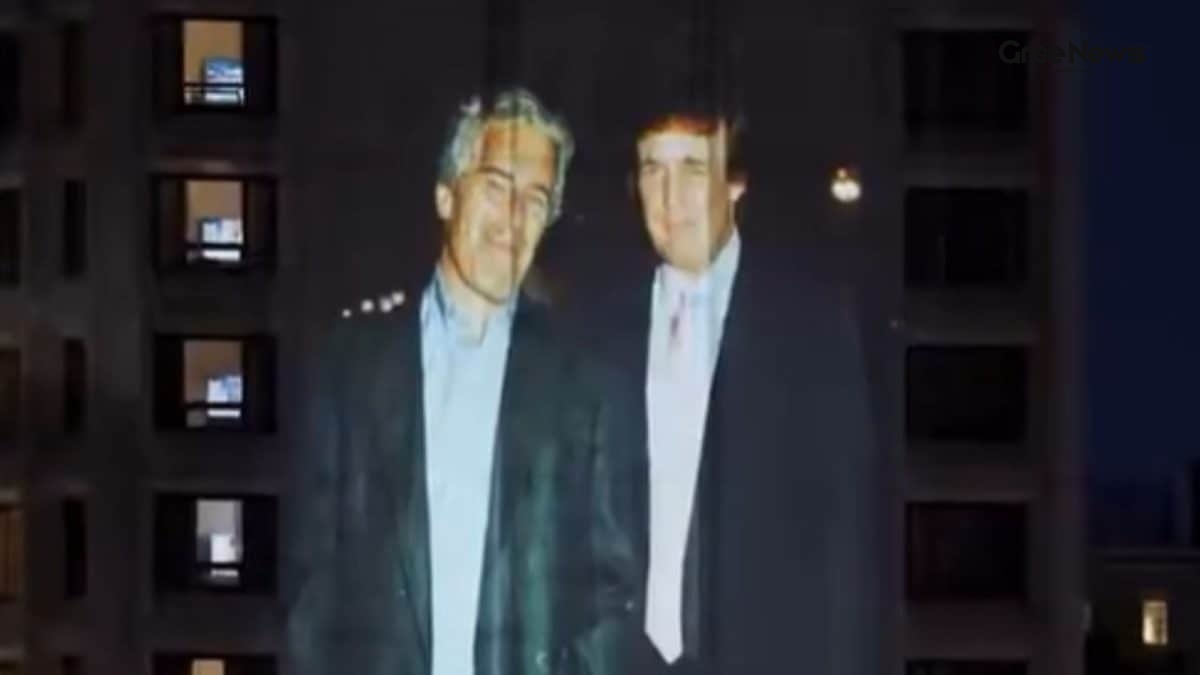
In a striking display that quickly turned into viral news across the internet, protesters in Washington DC projected photographs and documents linking former US President Donald Trump with the late financier Jeffrey Epstein onto the façade of the Washington Hilton. The stunt, timed just a day before the much‑watched White House Correspondents’ Dinner, added an extra layer of drama as Trump is set to attend the event for the first time while holding the presidential office. The projections, which included images, documents and audio excerpts allegedly from Epstein’s emails, drew a sizeable crowd on the street, many of whom recorded the incident on their phones and shared it on social media. This development has sparked a fresh wave of debate among journalists, political analysts and the general public about press freedom, the president’s strained relationship with the media, and the appropriateness of inviting a sitting president to a dinner that traditionally highlights the importance of a free press. The incident also coincides with ongoing discussions about media access restrictions imposed by the Trump administration, making it a focal point of the latest news India audiences are following. As the dinner approaches, journalists are gearing up to question the president directly, while critics argue that the event risks turning into a platform for political theatrics rather than a celebration of journalism. This article walks you through the protest, its significance, and the broader context surrounding the White House Correspondents’ Dinner, offering a comprehensive look at a story that has quickly become part of today’s breaking news and trending news India feeds.

Latest Headlines

Abbas Araghchi Calls Pakistan Visit ‘Fruitful’ Amid US Diplomatic Shuffle  Latest India Updates
World

Abbas Araghchi Calls Pakistan Visit ‘Fruitful’ Amid US Diplomatic Shuffle Latest India Updates

In a surprising turn of events, Iran’s Foreign Minister Abbas Araghchi described his recent trip to Pakistan as “very fruitful,” praising the Pakistani leadership for its “good offices” and brotherly effort to restore peace in the region. During the visit, Abbas Araghchi met Pakistani Prime Minister Shehbaz Sharif, Foreign Minister Ishaq Dar and Army Chief Asim Munir, sharing Iran’s roadmap for a permanent end to the U.S.Israeli conflict over Iran. Shortly after Abbas Araghchi left Islamabad, U.S. President Donald Trump announced the cancellation of a planned delegation trip by Steve Witkoff and Jared Kushner to the Pakistani capital, citing internal disagreements among Iranian leaders. Trump emphasized that the cancellation did not signal a return to hostilities, yet he reiterated his demand for Iran to abandon its enriched uranium program and keep the Strait of Hormuz open for oil flow. The episode has quickly become breaking news across the sub‑continent, sparking debates on diplomatic strategies, regional stability, and the role of Pakistan as a potential mediator. As the story unfolded, many people were surprised by the swift shift in U.S. diplomatic posture, and the situation continues to dominate trending news India forums, social media chatter, and daily discussions over chai. This comprehensive overview captures the key moments, reactions, and implications of the Abbas Araghchi visit and the subsequent U.S. delegation cancellation, offering readers a clear picture of a geopolitically charged episode that has captured India’s attention.

Protest Projects Trump‑Epstein Images on Washington Hilton Ahead of White House Correspondents’ Dinner  First‑Time Presidential Appearance Sparks Debate
World

Protest Projects Trump‑Epstein Images on Washington Hilton Ahead of White House Correspondents’ Dinner First‑Time Presidential Appearance Sparks Debate

In a striking display that quickly turned into viral news across the internet, protesters in Washington DC projected photographs and documents linking former US President Donald Trump with the late financier Jeffrey Epstein onto the façade of the Washington Hilton. The stunt, timed just a day before the much‑watched White House Correspondents’ Dinner, added an extra layer of drama as Trump is set to attend the event for the first time while holding the presidential office. The projections, which included images, documents and audio excerpts allegedly from Epstein’s emails, drew a sizeable crowd on the street, many of whom recorded the incident on their phones and shared it on social media. This development has sparked a fresh wave of debate among journalists, political analysts and the general public about press freedom, the president’s strained relationship with the media, and the appropriateness of inviting a sitting president to a dinner that traditionally highlights the importance of a free press. The incident also coincides with ongoing discussions about media access restrictions imposed by the Trump administration, making it a focal point of the latest news India audiences are following. As the dinner approaches, journalists are gearing up to question the president directly, while critics argue that the event risks turning into a platform for political theatrics rather than a celebration of journalism. This article walks you through the protest, its significance, and the broader context surrounding the White House Correspondents’ Dinner, offering a comprehensive look at a story that has quickly become part of today’s breaking news and trending news India feeds.