What feels completely normal in India can feel like a paid upgrade somewhere else
Honestly, the first time I tried to compare my everyday digital habits with a friend who lives in the United States, I was shocked. We both thought that a basic servicelike sending money to a friendmust cost the same everywhere. But as soon as I dug deeper, the picture changed dramatically. This is the kind of thing that pops up in the latest news India and often becomes a talking point in viral news threads about digital inclusion.
Instant money transfers: UPI vs. US apps
In India, sending money is as easy as opening an app, typing a phone number, and tapping “send”. No hidden fees, no annoying pop‑ups asking if you want to upgrade to a premium plan. Whether I'm splitting a dinner bill with my office mates, paying a local vegetable vendor, or sending rent to my landlord, UPI makes the whole process feel almost invisible. The transaction finishes in a matter of seconds, and the notification that pops up says, “Money transferred successfully”. No extra charge, no second thought.
Now, picture the same scenario in the United States. You open Venmo or Zelle. Venmo lets you send money for free only if you use your balance or a linked bank account; otherwise, a credit‑card fee creeps in. Zelle is tied to your bank, but if you need a faster settlement, some banks charge a modest fee. And then there are the monthly maintenance charges that many US banks slap on accounts unless you meet a minimum balance requirement. I remember a colleague telling me he paid $5 a month just to keep his checking account alive. Suddenly, something that seemed free back home feels like a “service” you have to pay for.
What’s interesting is that this difference doesn’t just sit in the realm of finance. It subtly influences our behaviour every day. When there’s no cost attached, you’ll use the service more often, experiment more, and eventually build it into your routine. When a fee is lurking, you pause, weigh the necessity, and sometimes just abandon the idea.
Banking basics: hidden charges versus transparency
Beyond the simple act of sending money, the broader banking ecosystem in India is largely built around low or zero fees. Most Indian banks offer free savings accounts, free NEFT/IMPS transfers, and zero‑charge debit cards. Even the annual fee on credit cards is often waived if you spend a certain amount, which is achievable for most salaried workers.
Contrast that with the United States, where you’ll find monthly account fees, overdraft penalties, and charges for paper statements. A lot of these costs are bundled under the guise of “premium services”. The breaking news about many Americans switching to fintech apps often highlights how they are trying to escape these recurring charges.
When you look at it closely, the design philosophy is very different. Indian banks, pressured by a massive, price‑sensitive population, have to make the experience frictionless. US banks, on the other hand, tend to monetize each additional convenience, turning it into a new subscription tier.
Mobile data and telecom: cheap data, free calls, and everything bundled
One thing that always catches people’s attention is how cheap mobile data is in India. A typical post‑paid plan might give you 1.5 GB of high‑speed data for just a few hundred rupees, and you still get unlimited incoming calls and SMS without any extra charge. The cost per GB is a fraction of what you’d pay for a similar plan in the United States.
In the US, most carriers charge a hefty amount for a few gigabytes of data, and even then you might find yourself paying extra for unlimited talk or text. It’s all part of a tiered pricing model that keeps the base price low but adds on “premium” features as you need them.
Now, this sounds like a simple price comparison, but the impact is deeper. Because data is cheap and abundant, Indians tend to stream more video, use more apps, and stay constantly connected. That constant connectivity fuels the adoption of services like mobile wallets, digital payments, and even government portals that require an active internet connection. It becomes a virtuous cycle: cheap data leads to higher digital adoption, which in turn pushes providers to keep prices low because the market demand is massive.
When you hear trending news India about the telecom sector, it’s often about how the industry is lowering costs further, not raising them, which is the opposite of what you read in breaking news about US telecom price hikes.
Missed‑call culture: a free signal that works like a tap
Here’s a quirky example that many foreigners find fascinating: the missed‑call. Need someone to call you back? In many Indian households, you just give a missed callsometimes called a “flop”. No charge, no minutes deducted, just a signal that you’re waiting for a call. Businesses use it for verification, banks for OTP‑free logins, and delivery services to confirm orders.
This practice works because everyone understands the code, and the telecom network supports it without any cost. In the US, you’d typically have to spend a minute on a call, or at the very least, there’s a tiny cost associated with the network usage. It’s a small thing, but it underscores how Indian digital services are designed to be as frictionless as possible.
Many people were surprised by this when they first encountered the concept. It feels almost like a secret language that only works because the underlying infrastructure is free for that specific use‑case.
Cloud storage, music, and video: subscriptions everywhere
If you search for “viral news” about streaming wars, you’ll read about the endless subscription bundles that US consumers juggle: Netflix, Spotify, iCloud, Google One, and so on. Each service offers a free tier with limited capacity, but the moment you need more storage, ad‑free music, or higher video quality, a monthly fee kicks in.
In India, while premium tiers exist, there’s a huge market for bundled services offered at a discount. Many telecom operators give you a few gigabytes of cloud storage, an ad‑free music app, and a video streaming subscription as part of your mobile plan. The user ends up paying a single bill, and the marginal cost of each additional service is almost zero. That’s why you’ll often see people using multiple apps without worrying about each subscription separately.
This bundling strategy is a direct outcome of the design mindset that drives Indian digital products: build for scale, keep the entry barrier low, and let the ecosystem grow organically. The US model, on the other hand, treats each extra feature as a potential revenue stream.
Behavioural impact: free vs. paid changes the way we think
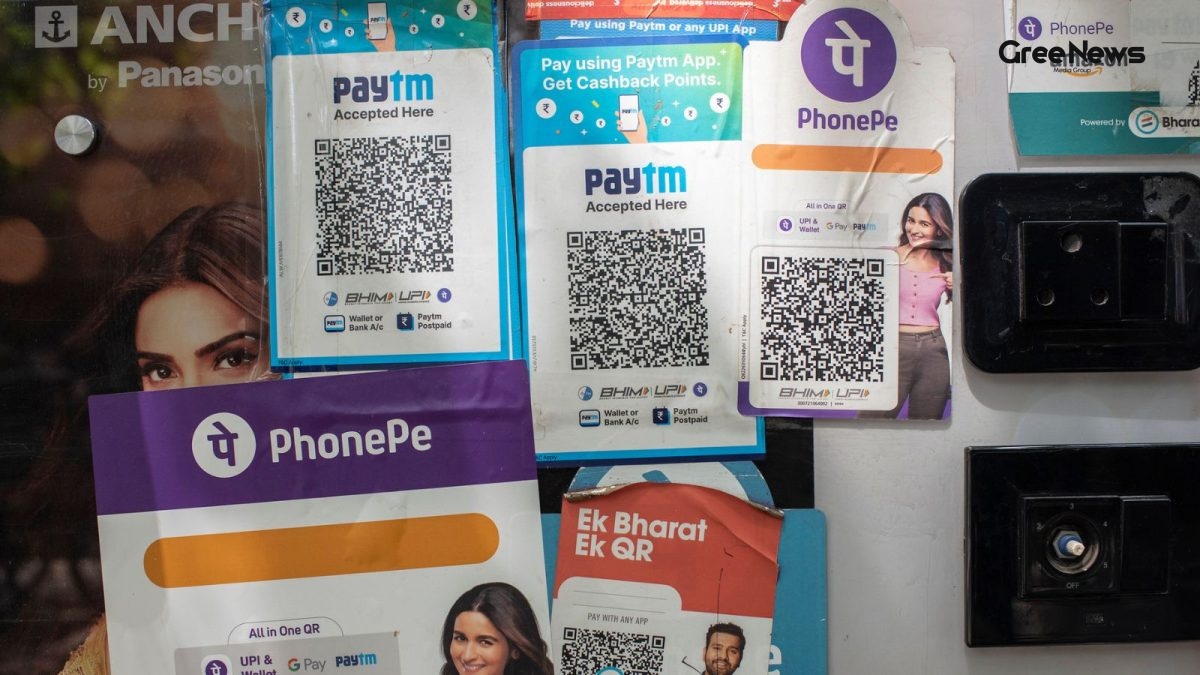
When something is freeor feels freeyou use it without a second thought. You experiment, you share it with friends, you even rely on it for critical tasks. This habit of “free usage” creates a massive network effect. Take UPI again: because it costs nothing, even small street vendors have adopted it, and now you can pay a chaiwala with a QR code.
Conversely, even a small fee makes people pause. In the US, when a music app asks for a $9.99 monthly premium, many users weigh the value carefully, often sticking with the ad‑supported free version despite the interruptions. That pause changes consumption patterns and, over time, shapes the market demand.
What happened next is interesting: the Indian market, driven by near‑zero costs, ends up generating huge transaction volumes, which in turn attracts more innovation. Meanwhile, the US market, with its paid‑for‑features approach, sees a slower adoption curve for new services but a higher per‑user revenue for companies.
The bigger picture: design, scale, and policy
At the heart of this difference is how each ecosystem is designed. Indian platforms are built for a massive, price‑sensitive audience. That pushes designers to strip away any friction that could deter usage. Policies like the Unified Payments Interface (UPI) were specifically created to be open, interoperable, and free for end‑users.
In the United States, the ecosystem is more fragmented. Competition among banks, telecom operators, and streaming services leads to a plethora of premium options, each targeting a niche willing to pay. The result is a “pay‑for‑convenience” culture that many see as normal.
When we talk about India updates or follow the latest news India on tech, we often see headlines celebrating the government’s push for digital financial inclusion, whereas the breaking news in the US might focus on a new subscription tier or a price hike.
Conclusion: why the gap matters
Understanding this gap isn’t just an academic exercise. It tells us how pricing models shape daily habits, influence innovation, and even affect social interactions. The next time you hear a friend from the US complaining about a subscription fee, you’ll know why that feels alien to an Indian user who has grown up with free, instant services.
So, whether you’re a startup founder looking to design the next big app, a policy‑maker aiming to boost digital inclusion, or just a curious reader scrolling through trending news India, remember that the costor lack thereofof a digital service can change the entire way a society functions. And that, my friend, is a story worth paying attention to.