Why villages are stealing the spotlight from so‑called smart cities
When you hear the phrase "smart city", you probably picture tall glass towers, traffic‑control AI, and a bunch of apps that tell you when the next metro will arrive. In most of us, the first image that pops up for a village is the opposite dusty roads, a few goats, and maybe a hand‑pump well that creaks every time you draw water.
But here’s the thing that contrast isn’t always true. I’ve been travelling across Gujarat, Maharashtra and Bihar over the past few months, and I’ve seen villages that are quietly doing things that even some global smart cities haven’t figured out yet. It’s not about flashy tech; it’s about how that tech fits naturally into daily life.
Take the latest news India buzz about rural digitalisation you’ll hear a lot about big schemes, yet on the ground, places like Punsari have been using Wi‑Fi and CCTV for years, and nobody makes a fuss about it. It’s just how things are.
Punsari: Wi‑Fi, CCTV and a whole lot of practicality
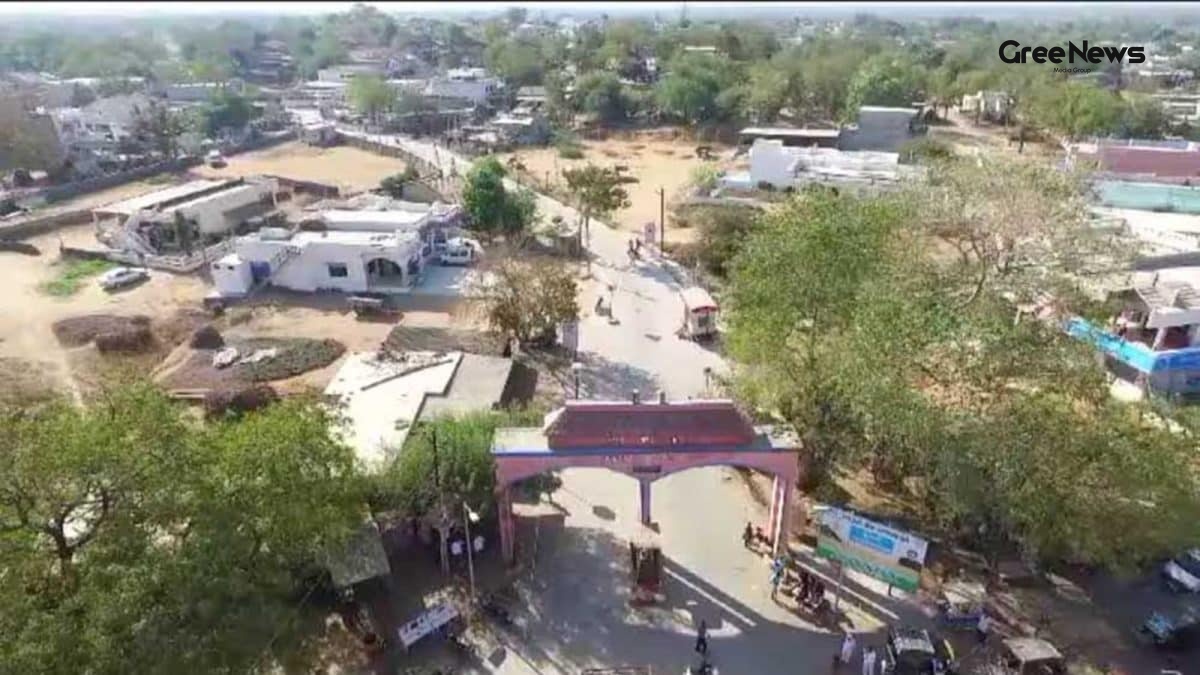
First stop was Punsari, a small village in Gujarat that has become a talking point in several breaking news segments. The moment I stepped out of the bus, my phone automatically connected to a free Wi‑Fi network. No need to ask anyone for a password it was as common as a street vendor offering chai.
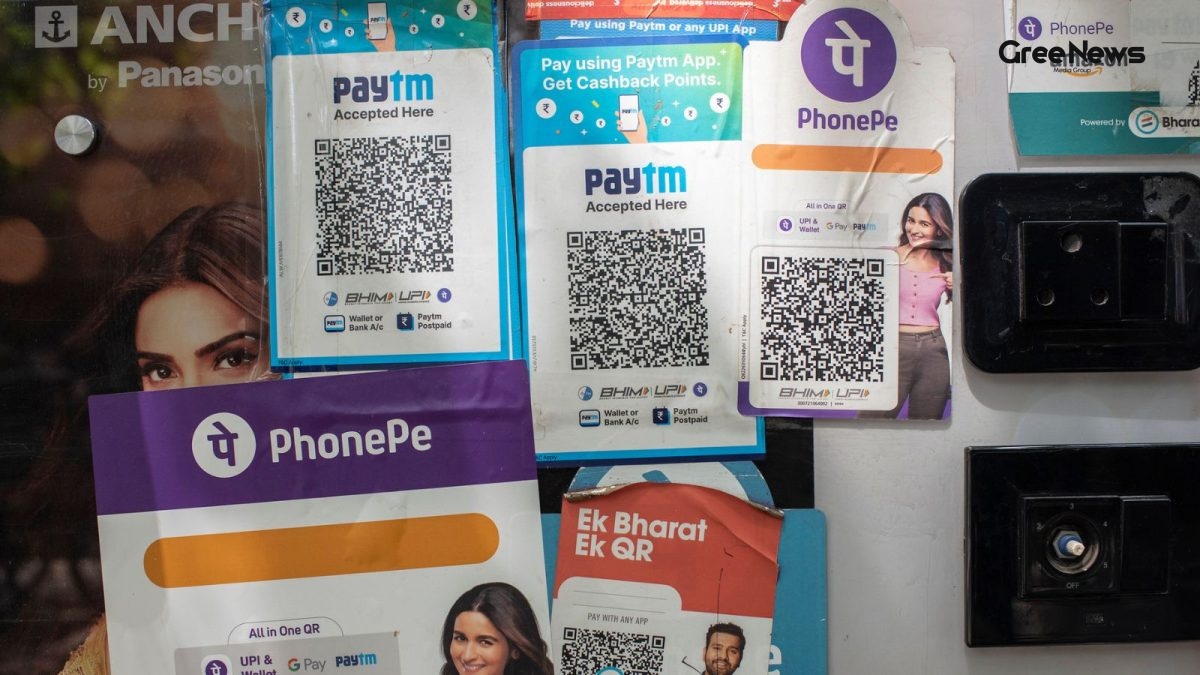
What surprised me most was how the villagers used the internet. Instead of posting selfies on Instagram, they were checking weather updates for their farms, accessing government portals to file certificates, and even paying their electricity bill right from a modest smartphone. For many of us city‑folk, paying through a phone still feels like a novel thing, but here it’s as normal as buying a packet of biscuits.
The village also has CCTV cameras at main intersections. You’d think that would be a massive security project, but locals treat it like a community watch anyone can see a live feed on a computer in the panchayat office and report any issue. It’s a simple, low‑cost system that has cut down petty theft and helped resolve disputes faster.
What I love about Punsari is that the tech wasn’t forced on the people. The panchayat leaders introduced it because they saw a need for better communication and safety. That humility makes the whole set‑up feel very Indian practical, no‑nonsense, and gently woven into the fabric of village life.
Hiware Bazar: Water management that saves both crops and cash
Next, I headed to Hiware Bazar in Maharashtra, a place that’s often mentioned in trending news India reports as a model of rural transformation. The journey itself gave me a taste of the change lush Green fields stretching as far as the eye could see, all thanks to clever water‑saving methods.
Here, the story isn’t about drones or automated sprinklers, but about simple rainwater harvesting and community-run water‑cubes. The villagers built check‑dams and percolation tanks a few decades ago. Over time, they learned to manage the stored water efficiently, and the results speak for themselves double the crop yield and a rise in per‑capita income.
When I asked a farmer why he continues to use these methods, he shrugged and said, “It works, bhai. No point in big machines if the water is already there.” That’s the charm while many cities are still grappling with water‑stress despite expensive tech solutions, Hiware Bazar’s low‑tech approach solves the problem at the source.
Another thing that caught my eye was the use of a village‑run bank that offers micro‑loans. The process is fully digital you fill a simple form on a tablet, and the loan is approved in minutes. It’s a fin‑tech solution that feels as natural as borrowing rice from a neighbour.
Dharnai: Solar power lighting up the night, no surprise
Then came Dharnai, a tiny hamlet in Bihar that grabbed headlines a few years back for going off‑grid. You might think solar panels are a novelty there, but nowadays they’re as common as street lights in the city.
Every evening, the village is illuminated by solar‑powered LEDs. What’s surprising is that no one treats it as a grand project; they simply turn the switch on and life goes on. Children can study after dark, small businesses stay open longer, and the whole community saves money on diesel generators.
I remember walking down a dusty lane while the sun set, and seeing a shopkeeper using a solar‑charged charger to accept digital payments. He smiled and said, “Now I don’t have to worry about load‑shedding.” In most city areas, power cuts are a hassle, but here the solution came from a simple rooftop panel.
The lesson from Dharnai is clear: when renewable energy is integrated into daily chores without hype, it becomes routine, and that’s the real power of “smart living”.
Shani Shingnapur: Trust and community shaping technology
While we’re talking about villages, I also visited Shani Shingnapur, a place famous for its temple and a unique tradition of having no doors on houses. You might wonder how that ties into smart solutions, but the underlying principle is trust.
Because everyone trusts each other, systems like community security cameras are accepted without suspicion. People feel safe enough to leave their doors open, and the few cameras that are there are used more for monitoring public spaces than for surveillance. This trust reduces the need for heavy policing infrastructure, which is often a costly part of smart‑city budgets.
In most cases, the technology simply supports the existing social fabric instead of trying to change it. That’s a lesson many urban planners could learn technology works best when it respects the people’s way of life.
Why small size matters faster fixes, tighter feedback
One big advantage these villages have over big metros is their size. When something goes wrong say a broken street‑light or a hiccup in the online land‑record portal the feedback loop is immediate. A villager spots the issue, tells the panchayat, and the problem is usually sorted within a day or two.
Contrast that with the endless queues you see at a city municipal office, where a simple certificate can take weeks. In these villages, many services are already online, so people rarely have to stand in line. You can imagine a farmer filing a land‑record correction from his field using a mobile app, and the update reflecting instantly on the district portal.
Because the community is tightly knit, there’s also a collective sense of ownership. If a new digital payment system is introduced, the whole village learns it together, often through a quick demo at the local school. That’s why the adoption rate feels so high.
Everyday tech that feels ordinary yet powerful
Let’s talk about some ordinary moments that become extraordinary when you look closer. A woman buying vegetables at the market swipes her phone to pay no cash, no change needed. A school teacher uploads attendance sheets to the cloud, and the district office can see the data in real‑time, cutting down paperwork.
Even the local grocer uses a simple inventory app, which alerts him when rice stocks are low, so he can order in time and avoid shortages. For us city‑dwellers, these may seem like tiny conveniences, but they collectively change how smoothly life runs in a village.
And because these solutions are designed for the local context low bandwidth, limited electricity, and simple user interfaces they are less prone to breakdowns. While a high‑tech smart‑city project might stall because of a network outage, the same village can fall back to a paper ledger for a day and still keep moving.
What does this mean for the future of Indian development?
Seeing these villages thrive makes me rethink the whole narrative that cities always lead and villages follow. In fact, innovation can be more effective when it’s low‑cost, community‑driven and fits the everyday rhythm of people’s lives.
Policy‑makers often focus on building grand infrastructure in metros, but the viral news stories emerging from Punsari or Dharnai show that real impact comes from solutions that people can adopt without waiting for big‑budget approvals.
When you combine the swift decision‑making of a small panchayat, the trust that binds villagers, and the simplicity of technology that feels native, you get a model that could be scaled up not by copying the shiny façades of world‑class smart cities, but by replicating the underlying principles of practicality.
For anyone interested in sustainable development, these villages serve as a kind of living lab. They remind us that the best “smart” ideas are those that make life easier, cheaper, and more inclusive for the common man.
Closing thoughts a new definition of "smart"
So, what happened next after I left these places? I started noticing similar small changes in other villages back home. A neighbour’s wife showed me a new mobile app for booking doctor appointments, and a local youth group installed a solar‑powered water pump in his hamlet.
It’s clear that the story of Indian villages outpacing smart cities is not isolated it’s part of a broader India updates trend where grassroots innovation is gaining momentum. The next time someone talks about “smart cities”, you might hear a village anecdote pop up in the conversation, and that’s a good sign.
In the end, the real takeaway is simple: smart living doesn’t need towering skylines or massive budgets. It needs solutions that fit into people’s daily routines, that earn trust, and that can be kept running with minimal fuss. And that, my friend, is exactly what these Indian villages are doing quietly, efficiently, and with a pinch of that indomitable Indian spirit.