Background of the Rally
So, imagine a sunny Saturday in Imphal, the capital of Manipur, where the streets are usually bustling with hawkers, auto‑rickshaws and the chatter of locals buying fresh produce. This time, though, the atmosphere was anything but ordinary. The Coordinating Committee on Manipur Integrity (COCOMI) had called for a city‑wide march to press the state government for answers on a string of disturbing events that have been rocking the region for months.
COCOMI’s list of grievances reads like a checklist of the latest news India is buzzing about: allegations of a “proxy war”, concerns over narco‑terrorism, a spate of killings, and a demand for a judicial inquiry into a recent CRPF firing that left three people dead. They also want the resettlement of internally displaced persons (IDPs) and the cancellation of the suspension of operations (SoO) aGreement with Kuki insurgent groups. All these demands were to be presented in a memorandum that the group promised to hand over to the authorities after the march.
Eight separate starting points were mapped out across Imphal, ranging from busy market lanes to quieter residential squares. The plan was to converge at the official residence of Chief Minister Yumnam Khemchand Singh and hold a peaceful sit‑in. Many locals, including vendors and students, had already decided to join the rally, hoping their voices would finally be heard.
Police Warning and Clash Near the Overbridge
When the clock struck around 1 pm, the first waves of protesters started moving. I was standing near the central overbridge, watching a sea of people with placards and slogans. Suddenly, a line of police officers stepped forward and announced, "You have ten minutes to disperse." The command was firm, but the crowd didn’t budge. The reason? They felt the police were trying to block their route to the chief minister’s house, and after weeks of unanswered pleas, they weren’t ready to back down.
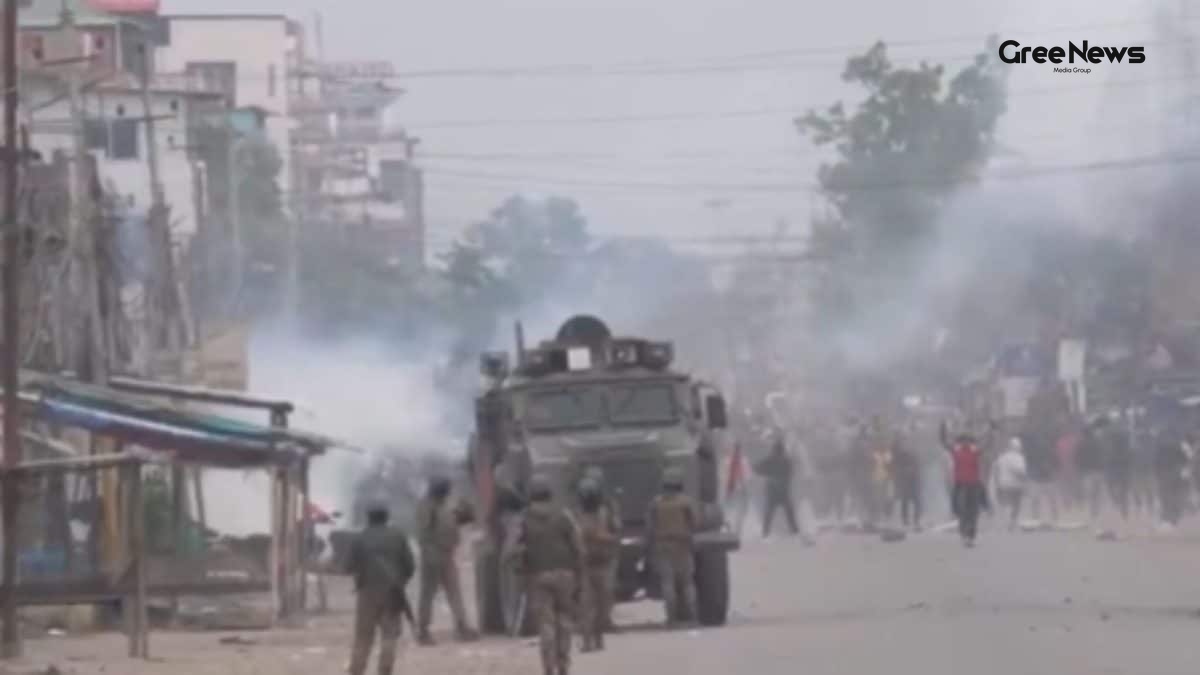
What happened next is interesting the tension that had been simmering for a while finally boiled over. Within minutes, stone‑throwing started from both sides, and the situation escalated into a full‑blown clash. The police, equipped with shields and batons, tried to push the protesters back, while some demonstrators shouted “justice now!” and “no more silence!”. It felt like a scene straight out of a movie, but the fear on some faces and the resolve on others were all too real.
In most cases, such confrontations can be quickly contained, but the overbridge area turned into a hot spot of breaking news, with journalists and onlookers spreading the story through social media, making it go viral within hours.
Escalation & Use of Tear Gas
As the standoff continued, the police resorted to tear‑gas shells a move that many locals described as “heavy handed”. The acrid smell filled the air, and people started coughing, covering their faces with scarves. Several protestors were seen stumbling, some falling to the ground, while a few tried to shield themselves with wet cloths. The crowd’s reaction was a mix of panic and defiance; a few kept chanting while others ran for the nearest open space.
This is where the story turned into trending news India; footage of the tear‑gas clouds drifting over the market lanes of Ima Keithel and Alu Gali began to circulate online, and many users started questioning the police's approach. Was there a way to manage the protest without such force? The answer, for many, remained elusive.
What’s more, the overbridge area, which usually sees a steady flow of commuters, was suddenly an impromptu battlefield. The police’s decision to use tear‑gas, while intended to disperse the crowd, seemed to only inflame the protesters’ anger, leading to more aggressive resistance.
Arrests and Seized Weapons
Amid the chaos, security forces managed to detain several protestors. The numbers were not officially confirmed, but eyewitnesses reported that at least a dozen people were taken into custody. The police later announced that they had recovered makeshift weapons slings and catapults from some individuals who were hiding in the bustling Ima Keithel market area.
These improvised weapons might sound like something out of a rural fair, but their presence highlighted how desperate some people feel. The fact that protestors resorted to such tools added an extra layer of seriousness to the whole affair, attracting more attention from the national media and making it part of the breaking news cycle.
In most cases, those arrested were later taken to the local police station for questioning. Some were released after confirming they were merely by‑standers, while others faced more serious charges for “violent obstruction of public order”. The whole episode left many wondering how the situation could have been avoided.
Impact on Daily Life and Local Economy
The ripple effect of the clash was felt far beyond the protest route. Market stalls in Ima Keithel, known for its lively atmosphere and colorful wares, shut down earlier than usual. Vendors packed away their goods, fearing further police action or damage to their property. Likewise, the Alu Gali area, another commercial hub, saw an abrupt cessation of trade. The early closure of markets meant reduced earnings for daily‑wage workers and a shortage of fresh produce for households that rely on those markets.
Street vendors, who often depend on the footfall of commuters, were left with unsold items and a sense of helplessness. Even the auto‑rickshaw drivers, who usually make a decent living by ferrying people around the city, reported fewer rides because people were avoiding the overbridge and surrounding streets. This disruption, though temporary, gave a clear picture of how political unrest can quickly affect everyday life in Imphal.
Many locals who were not part of the rally nevertheless expressed concern. A shopkeeper named Ramesh said, “We don’t want to be part of any protest, but when the streets are closed, our livelihood suffers.” Such sentiments are common when civic disturbances intersect with daily commerce, turning the incident into a piece of viral news that resonated across social platforms.
Demands of COCOMI The Core Issues
COCOMI’s rally was not just about a single incident; it was a platform to air a litany of grievances that have been simmering for months. The group highlighted several thorny issues:
- Allegations of a “proxy war” being waged in the region, allegedly involving external agencies.
- Concerns over narco‑terrorism and its impact on civilian safety.
- Recent killings that have left families grieving without proper investigations.
- A demand for a judicial inquiry into the CRPF firing that killed three civilians.
- Resettlement of internally displaced persons (IDPs) who have been living in temporary shelters for months.
- Scrapping the suspension of operations (SoO) aGreement with Kuki insurgent groups.
These points have become a focal part of the trending news India narrative because they touch upon security, human rights, and governance all topics that strike a chord with the broader Indian audience. The memorandum that COCOMI plans to submit to the government is expected to outline these concerns in detail, seeking concrete actions rather than vague reassurances.
Spokesperson Nahakpam Shanta’s Statements
After the dust started to settle, COCOMI spokesperson Nahakpam Shanta addressed the media. He said the protest reflected a growing public anger over recent incidents and developments since May 2023. According to Shanta, the organisation has been “actively raising concerns on multiple fronts”, especially demanding justice for victims of attacks in places like Tronglaobi and Ukhrul.
Shanta added that the memorandum of demands would be formally handed over to the state authorities, emphasizing that assurances regarding the resettlement of displaced persons have not been fulfilled. He warned that proceeding with processes like the census or the NRC without addressing these core issues would be “premature and insensitive”. Moreover, despite several representations, he claimed that there has been “no clear response from the authorities”.
These statements, delivered in a calm yet firm tone, were widely quoted in breaking news updates and helped frame the narrative that the protest was about justice, not anti‑national sentiment.
Public Reaction Voices from the Streets
Among the many faces in the crowd, a local resident named Ajit Singh shared his thoughts. He said, “The protest is aimed at seeking justice and should not be seen as anti‑national. Many people have lost lives and property but are still waiting for accountability.” His words captured a sentiment echoed by several others who felt that the government’s silence was more harmful than any protest could be.
Many on‑lookers, especially youth on their phones, were recording the events and posting them on platforms like Twitter and Instagram, turning the incident into a piece of viral news. The hashtags #ImphalRally and #COCOMIJustice started trending shortly after, indicating that the story was resonating far beyond Manipur.
Even those who stayed away from the protest expressed concerns about safety and the need for a dialogue. A school teacher, Meena Devi, mentioned that her students were anxious about the future, and she hoped the government would engage with the community before tensions flare up again.
What Might Happen Next?
Now that the protest has ended and the memorandum is set to be submitted, many are wondering about the next steps. Will the state government call for a meeting with COCOMI? Could there be another round of protests if demands are not met? The answers are still uncertain, but the incident has certainly placed Imphal back in the limelight of the latest news India.
Analysts suggest that the government may try to address the concerns through a combination of dialogue and limited concessions, especially regarding the resettlement of IDPs, which is a pressing humanitarian issue. However, the delicate balance of dealing with insurgent groups and maintaining law and order adds complexity to any possible solution.
One thing is clear: the people of Imphal have shown that they are not afraid to raise their voices, and that willingness to protest will continue to shape the political discourse in the region. As the story develops, we can expect more updates, more discussions on social media, and perhaps, if the authorities act wisely, a step towards resolving the simmering conflicts that have plagued the state for so long.