Why Trump’s sudden pull‑back matters
Honestly, when I first read that Trump had cancelled the US envoys’ trip to Pakistan, I thought it was just another headline in the sea of breaking news. But then I saw Caitlin Doornbos’s post on X a screenshot that seemed to show a message from a contact tagged “POTUS” saying, “Come home!!!”. That little note, simple as it looks, has turned this story into something a lot of us are talking about over chai.
The whole thing started when the White House announced that Steve Witkoff and Jared Kushner were slated to fly to Islamabad for direct talks with Iranian representatives. The plan, at the time, felt like a big step towards easing the tension that has been simmering since the early days of the conflict involving the United States, Israel, and Iran.
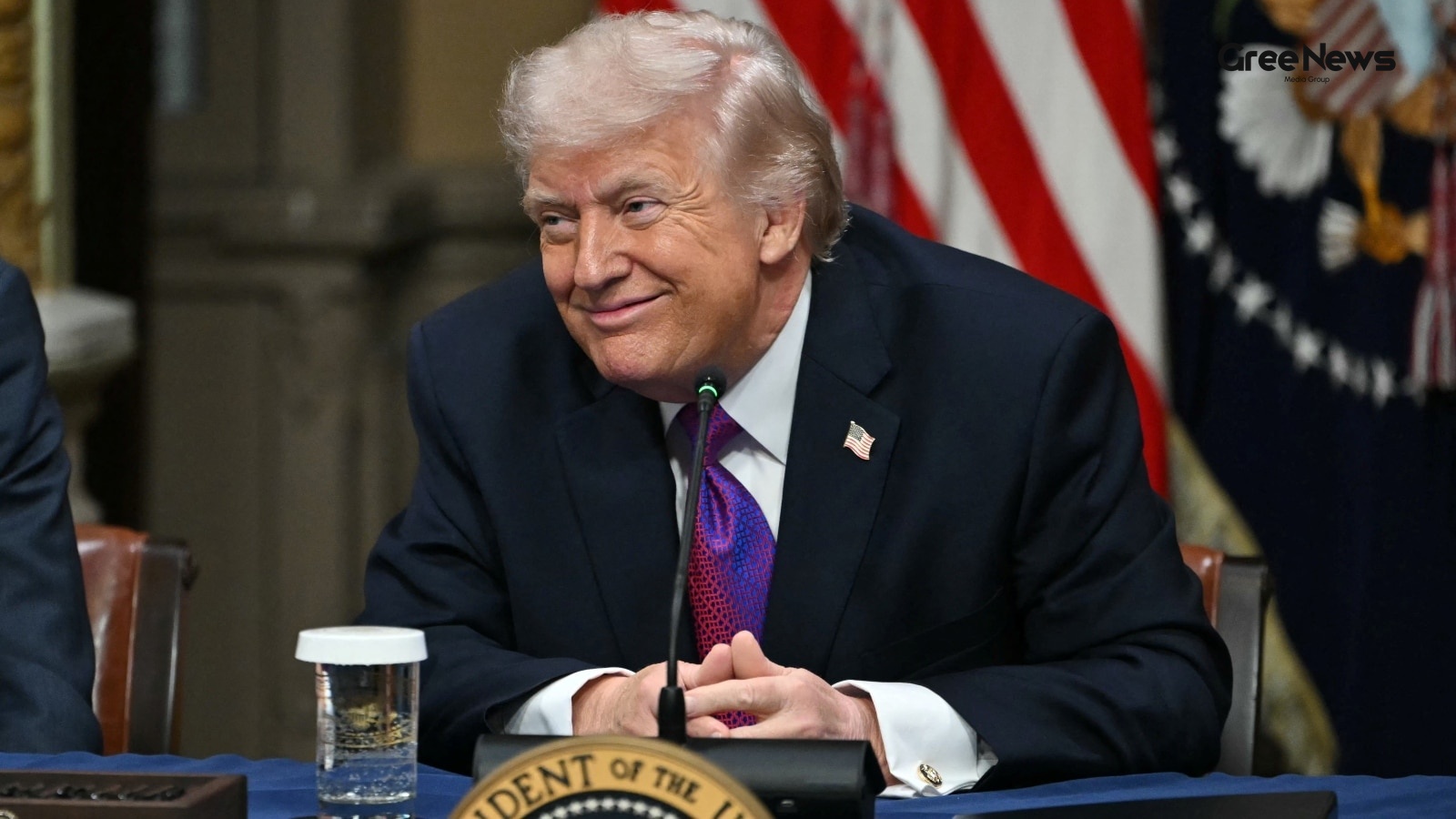
But then, just a few days later, Trump went on Fox News and said he had called off the trip. He said something along the lines of, “We have all the cards. They can call us anytime they want, but you’re not going to be making any more 18‑hour flights to sit around talking about nothing.” That line stuck with me because it sounded like he was reminding everyone who’s really pulling the strings.
What’s interesting is that the cancellation didn’t come with a big warning about a renewed clash. When asked by Axios whether this could lead to a resumption of hostilities, Trump answered, “No. It doesn’t mean that. We haven’t thought about it yet.” So, the message was clear the move wasn’t a signal of another round of fighting, at least not immediately.
What Caitlin Doornbos saw on X
Now, let’s talk about Caitlin Doornbos. She’s a journalist based in Pakistan, and she posted a screenshot that looked like a direct message from Trump himself. The text read, “Come home!!!”. She shared it with the caption that she felt she was being asked to leave the country soon. The post quickly turned into what many call viral news people started speculating whether Trump was trying to protect her, or maybe there was something else going on.
Honestly, the way she presented it felt very personal. She didn’t add a lot of fluff; she just said what she saw and let the audience draw their own conclusions. That’s probably why it got so much traction it felt like a glimpse behind the curtain of geopolitics, something most of us only read about in the abstract.
In the Indian context, such a story is a perfect storm for trending news India. We love the mix of political intrigue, a dash of personal drama, and the sense that something massive might be about to shift. And it’s not just the message it’s the whole situation: a high‑profile US leader, a Pakistani journalist, and the ever‑present Iran factor.
The backdrop: Iran’s foreign minister in Islamabad
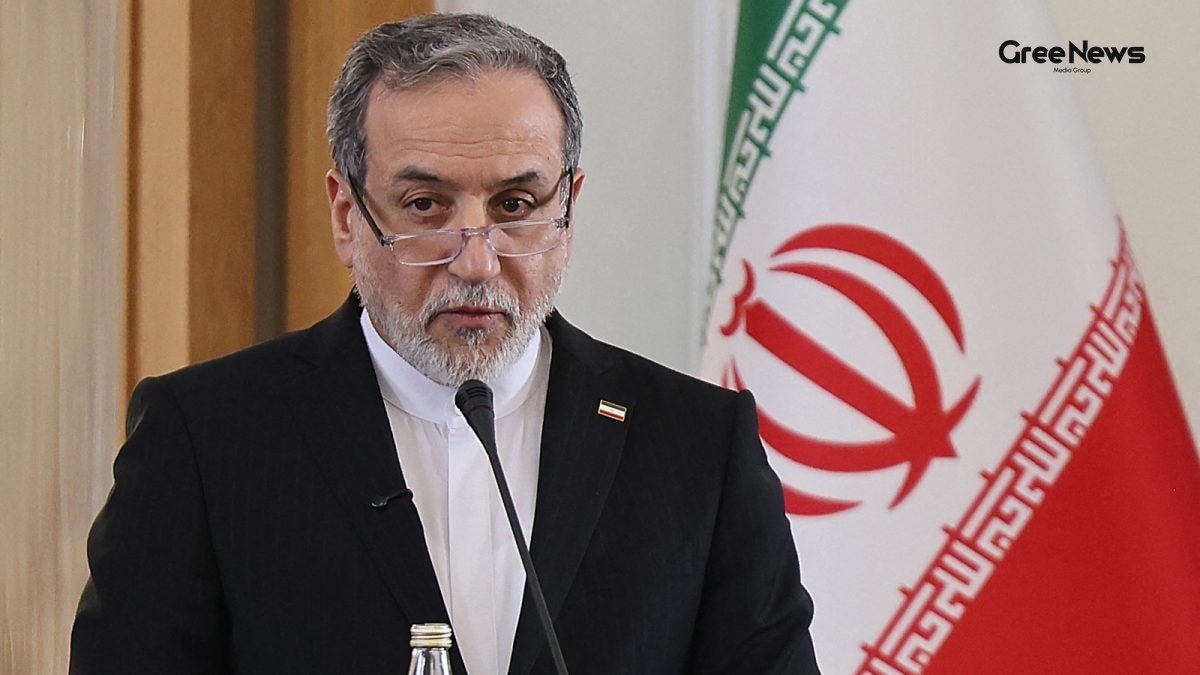
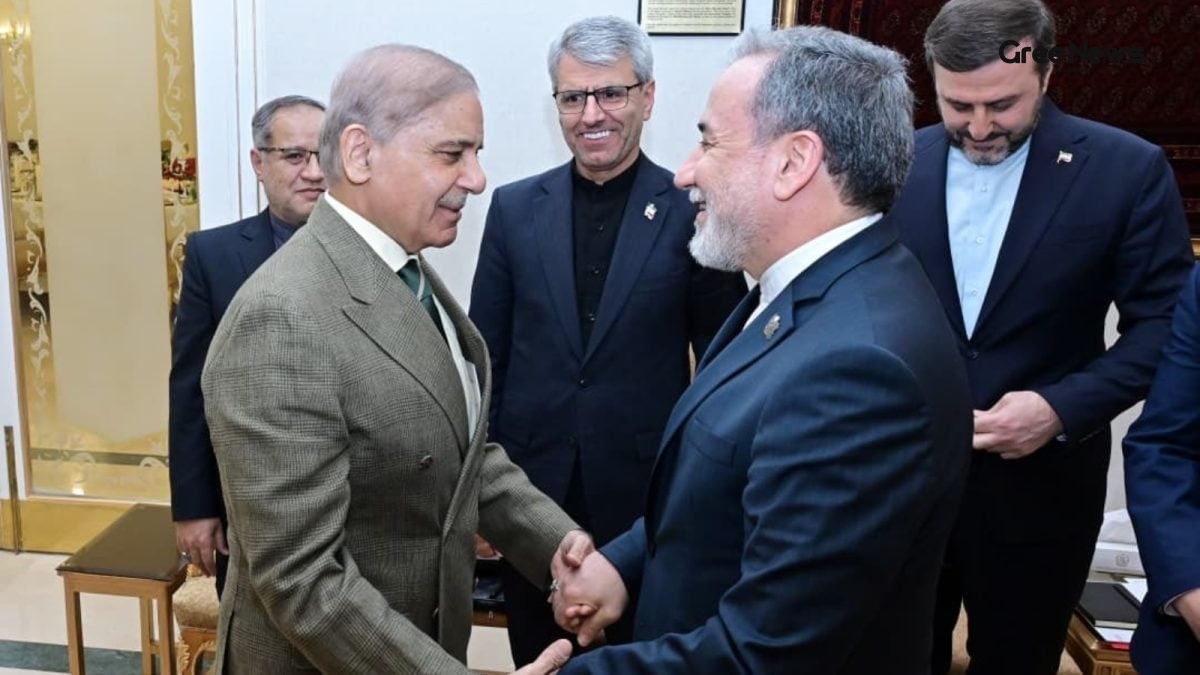
While all this was unfolding, Iran’s foreign minister Abbas Araghchi had just wrapped up a visit to Islamabad. He met with some of the most powerful figures in Pakistan Army Chief Asim Munir, Prime Minister Shehbaz Sharif, and Foreign Minister Ishaq Dar. Those meetings are crucial because each of those leaders plays a big role in trying to mediate between Tehran and Washington.
From what I gathered, Araghchi’s talks were part of a larger push to keep the channels open. He later left Islamabad and headed to Muscat, where he was to meet Omani officials. The Iranian foreign ministry also hinted that he might travel to Russia to discuss efforts to end the conflict that began earlier in the year.
What’s striking is how quickly the narrative moved from diplomatic meetings to a cancelled envoy trip, to a journalist’s inbox. It’s like watching a domino effect in real time, and many of us on social media were glued to the updates, eager to see what would happen next.
Why the cancellation matters for India
Even though this story is about US‑Iran‑Pakistan dynamics, it has a ripple effect on India too. The region’s stability is always a hot topic in latest news India feeds, especially because any shift can impact our trade routes, security calculations, and even the political discourse here.
Think about it if the US decides to pull back its diplomatic push, it could signal a change in how Washington wants to engage with both Tehran and Islamabad. That could open up space for other players, like India, to step in either as a mediator or to protect its own interests.
In most cases, the Indian government watches such moves closely. The foreign ministry often issues statements on “India updates” regarding any major geopolitical shifts that could affect our neighbourhood. So, this whole episode is more than just a headline; it’s part of the ever‑changing chessboard of South Asian politics.
What the officials said
Trump’s remarks to his team were pretty blunt. He reportedly told them, “We have all the cards. They can call us anytime they want, but you’re not going to be making any more 18‑hour flights to sit around talking about nothing.” That line stuck in my head because it clearly indicated a limit on how far the administration was willing to go, at least for now.
On the other side, the White House had earlier hinted that the envoys Steve Witkoff and Jared Kushner would be engaging directly with Iranian representatives. The aim was to move closer to an aGreement, something that would have been a big piece of breaking news for the region.
When journalists asked whether this could reignite hostilities, Trump’s answer was simple: “No. It doesn’t mean that. We haven’t thought about it yet.” It’s a classic case of political ambiguity saying one thing while leaving the door open for anything.
Public reaction and social media buzz
After the screenshot of the “Come home!!!” message went viral, the internet lit up. People were sharing memes, creating threads on X, and debating whether Trump was protecting Doornbos or perhaps signaling a bigger diplomatic move.
On Indian platforms, the story trended quickly. Hashtags like #TrumpMessage, #PakistanVisitCancelled, and #IranPeace talks started popping up, and you could see the mixture of political analysts and everyday users chipping in. Some said it was a classic example of “politics as theatre”, while others felt it showed the unpredictable nature of US foreign policy.
What kept the conversation alive was the curiosity hook “what happened next is interesting”. People wanted to know whether Doornbos would actually leave, whether the envoys would be rescheduled, and what the next move for Iran would be. The lack of definite answers kept the story alive, turning it into one of the most shared pieces of breaking news this month.
Looking ahead: possible scenarios
So, where do we go from here? One possible path is that the US might re‑engage later, perhaps with a different delegation or through back‑channel talks. Another scenario is that regional powers, including India, could step up to fill the diplomatic vacuum after all, we have a history of mediating in South Asian disputes.
There’s also the chance that Iran’s foreign minister will continue his regional tour, meeting officials in Oman and Russia, which could reshape the narrative in ways we haven’t fully grasped yet. If those talks bear fruit, they could change the dynamics not just for Iran and Pakistan, but for the whole of South Asia.
Meanwhile, the personal story of Caitlin Doornbos adds a human angle that reminds us that geopolitics isn’t just about maps and treaties; it’s about real people caught in the cross‑fire of high‑level decisions. Whether she decides to stay or head back home, her experience will likely become a reference point for future discussions on press freedom and diplomatic safety.
Final thoughts
All in all, this episode has been a perfect storm of international politics, personal drama, and media frenzy. It’s why it’s become such a hot piece of trending news India, and why people keep coming back for more details. The cancellation of the envoys’ visit, Trump’s terse “Come home!!!” message, and the ongoing diplomatic pushes by Iran create a narrative that feels almost cinematic.
For anyone following the latest developments, the key takeaway is that the situation is fluid. Keep an eye on official statements from the White House, the Pakistani foreign ministry, and Iran’s foreign ministry. And, of course, watch how journalists like Caitlin Doornbos navigate the swirl because sometimes, the most telling insights come from those on the ground.
Stay tuned, because what happens next could change the way we see US‑Iran‑Pakistan relations, and possibly open doors for India to play a bigger role in the peace‑building process.