Politics

Rahul Gandhi Slams Both Modi and Mamata Over ‘Rich‑First’ Politics in West Bengal Election

Saturday, April 25, 2026
5 min read
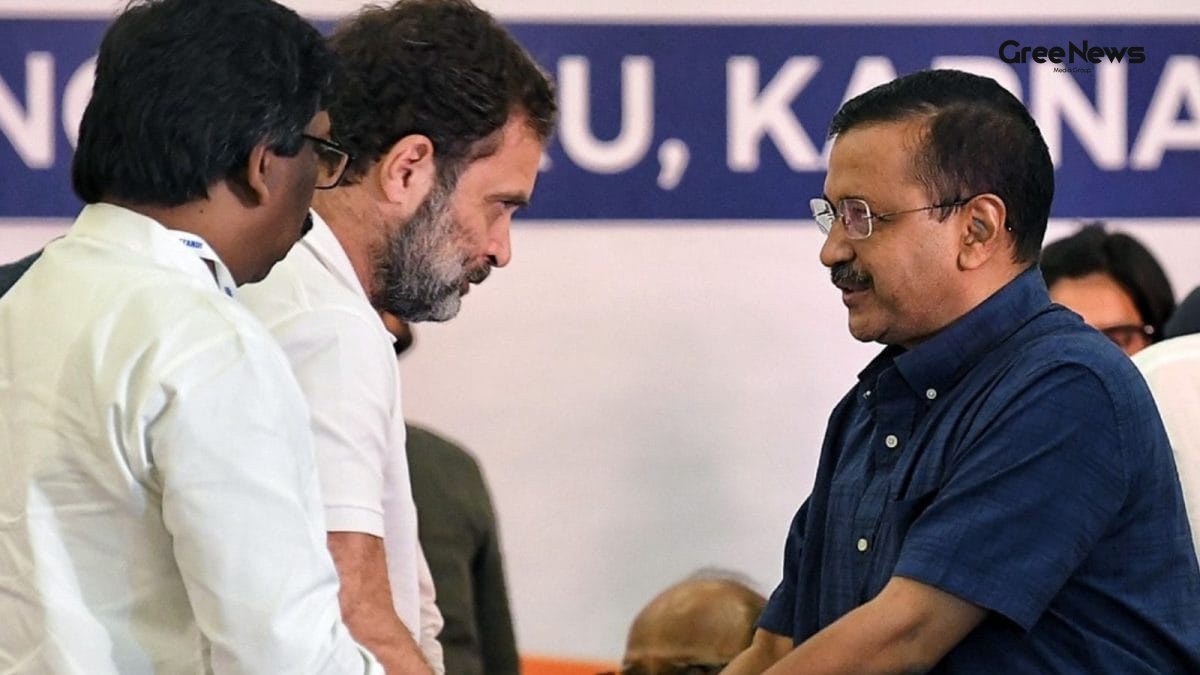
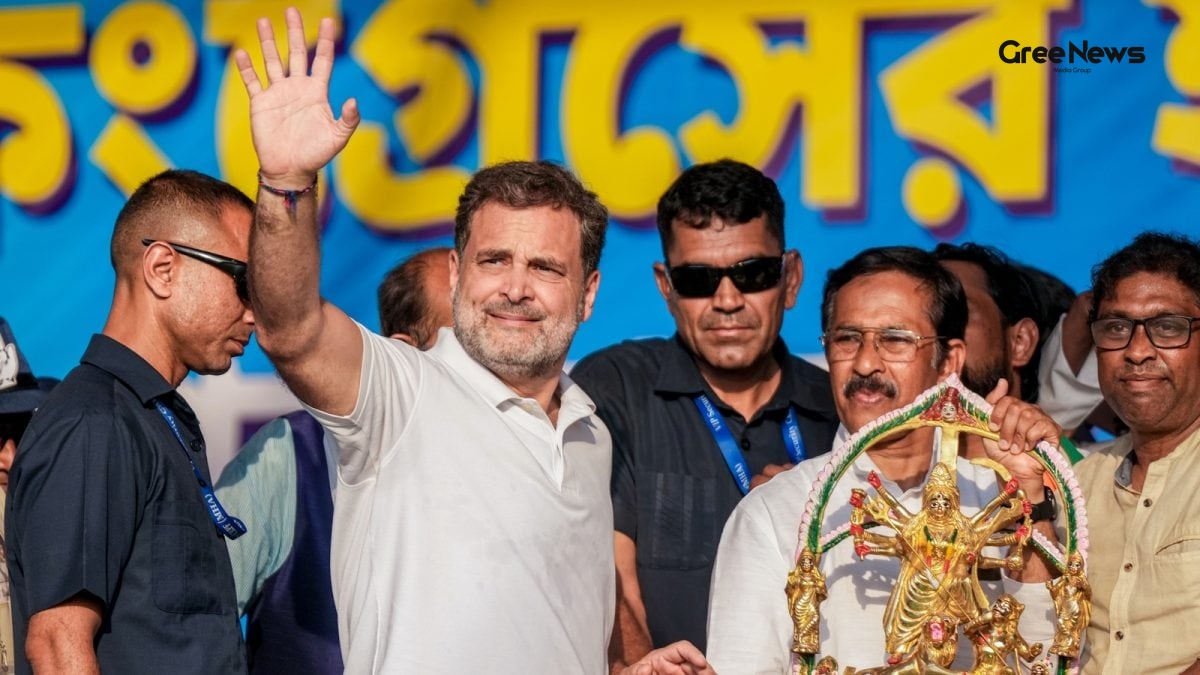
Rahul Gandhi addressing a rally in West Bengal

Rahul Gandhi’s rally remarks: a personal take

The ‘mirror image’ claim that caught everyone’s attention

What happened next is interesting. Rahul stood tall, gesturing with both hands, and declared that there’s essentially “no difference” between the tactics of the Trinamool Congress and the BJP. He painted a picture of two sides of the same coin, both aiming to consolidate power and serve the interests of the rich. I could see people nodding, especially the younger crowd, because the idea of a “mirror image” between state and centre feels oddly familiar when you watch the news every day. That’s when he dropped the personal jab reminding everyone that he has 36 cases pending because he dares to challenge the BJP every day, and that the Enforcement Directorate interrogated him for 55 hours, even taking away his house. He then turned the question towards Mamata Banerjee, asking why she hasn’t faced similar scrutiny. According to Rahul, it’s because whatever she does in Bengal, Modi does across the country they’re basically clearing the same path for each other.

Rich vs poor: the core of Rahul’s argument

Now, here’s where Rahul got personal again. He talked about the widening gap between the rich and the poor, calling both leaders “controlled” by corporate and foreign interests. He said the Prime Minister’s policies have been shaped by “international pressures”, while the TMC has overseen a decade of “industrial decay” in Bengal. To me, that sounded like the kind of rant you hear on a neighbour’s WhatsApp group when a new policy hits the market a mix of frustration and hope for change. Rahul promised a “people’s budget”, talking about Congress’s five guarantees, including a Rs 2,000 monthly allowance for women and free cancer treatment at district hospitals. The crowd cheered again, especially the women who could see a direct impact on their daily lives.

Why this timing matters the second phase buzz

It’s worth noting that this speech came just after a record‑breaking voter turnout in the first phase something that’s still the talk of every tea stall. The next phase, covering 142 seats, will include crucial urban belts like Kolkata and the North and South 24 Parganas. Rahul’s attack feels like a strategic move to capture the “middle ground” that’s been missing in a state where the contest has been a tight bipolar fight for a decade. I could see the logic: by positioning Congress as a distinct third alternative, he’s trying to attract voters disillusioned with both the TMC and the BJP.

On the ground the vibe at the rally

Walking away from the stage, the atmosphere was buzzing. People were chanting “Congress ki baat alag hai” while vendors sold mangoes and chilly pakodas. A group of college students were recording the speech on their phones, probably to share on Instagram a reminder of how quickly “viral news” spreads these days. I even overheard an elderly gentleman say, “If they can give us Rs 2,000 every month, maybe we’ll finally get a decent life.” That’s the sort of real‑world impact Rahul was trying to drive home, and it made the whole rally feel less like a political rally and more like a community gathering.

Connecting the dots with latest India updates

When you connect Rahul’s statements with the broader "latest news India" landscape, a pattern emerges. Across the country, there’s a growing narrative about leaders being overly aligned with big business, and many voters are looking for alternatives. This rally, therefore, wasn’t just a local event it was part of a larger "breaking news" story about how the Indian electorate is starting to demand more inclusive policies. People are sharing snippets from the rally as “trending news India” on social media, and even the local newspapers are highlighting the contrast Rahul drew between the two leaders.

Personal observations on political messaging

From my own experience, I’ve seen that political speeches work best when they feel relatable. Rahul used simple language no fancy jargon and sprinkled in everyday terms like “people’s budget” and “monthly allowance”. He also used phrases like “actually” and “basically” to make his points sound like a friend’s advice rather than a scripted speech. It’s a technique that resonates well with Indian audiences, especially in a state like West Bengal where political discussions happen over chai and cricket.

What the future might hold for Bengal’s political scene

Looking ahead, many people are curious about how the second phase will reshape the political map. If Rahul’s narrative sticks, we could see a shift where Congress gains a few crucial seats, potentially forcing the TMC to renegotiate its strategies. On the other hand, the BJP might double down on its corporate-friendly policies, hoping to capitalize on the “elite‑focused” critique by painting the TMC as a regional obstacle. Either way, the upcoming results will be a major talking point in the “viral news” circuit, and everyone will be watching closely.

Conclusion a personal take on the political drama

All in all, sitting there amidst the sea of supporters, I felt that Rahul Gandhi’s speech was more than just political rhetoric. It was a personal appeal that tapped into everyday concerns from the cost of a cup of chai to the fear of being ignored by those in power. By framing the story as a battle between the rich and the poor, and by promising tangible benefits, he managed to turn a high‑stakes election rally into something that felt like a friendly chat. Whether this will translate into actual votes remains to be seen, but the fact that so many were listening intently tells you that the message struck a chord. As the second phase of voting rolls out, the buzz will only grow, making this narrative a central piece of the "India updates" we’re all following.
Written by GreeNews Team — Senior Editorial Board

GreeNews Team covers international news and global affairs at GreeNews. Our collective of senior editors is dedicated to providing independent, accurate, and responsible journalism for a global audience.

#sensational#politics#global#trending

More from Politics

View All
Raghav Chadda’s Bold Move: How AAP Rajya Sabha MPs Invoked Paragraph 4 of the Tenth Schedule to Join BJP
Politics

Raghav Chadda’s Bold Move: How AAP Rajya Sabha MPs Invoked Paragraph 4 of the Tenth Schedule to Join BJP

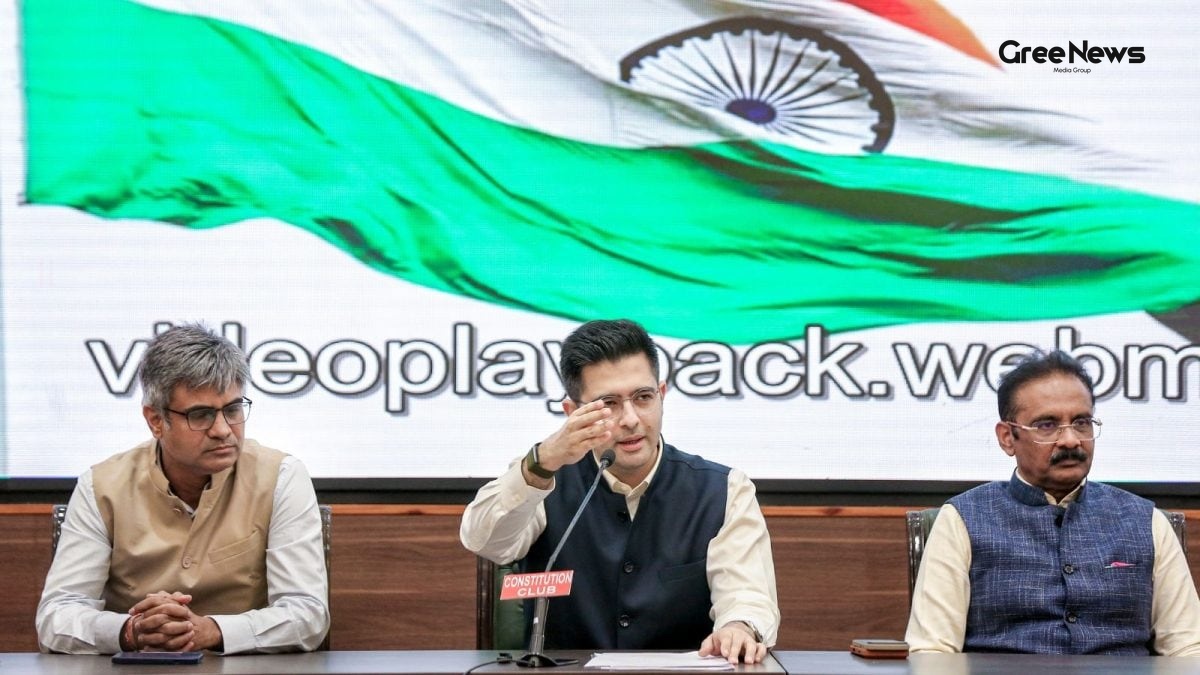
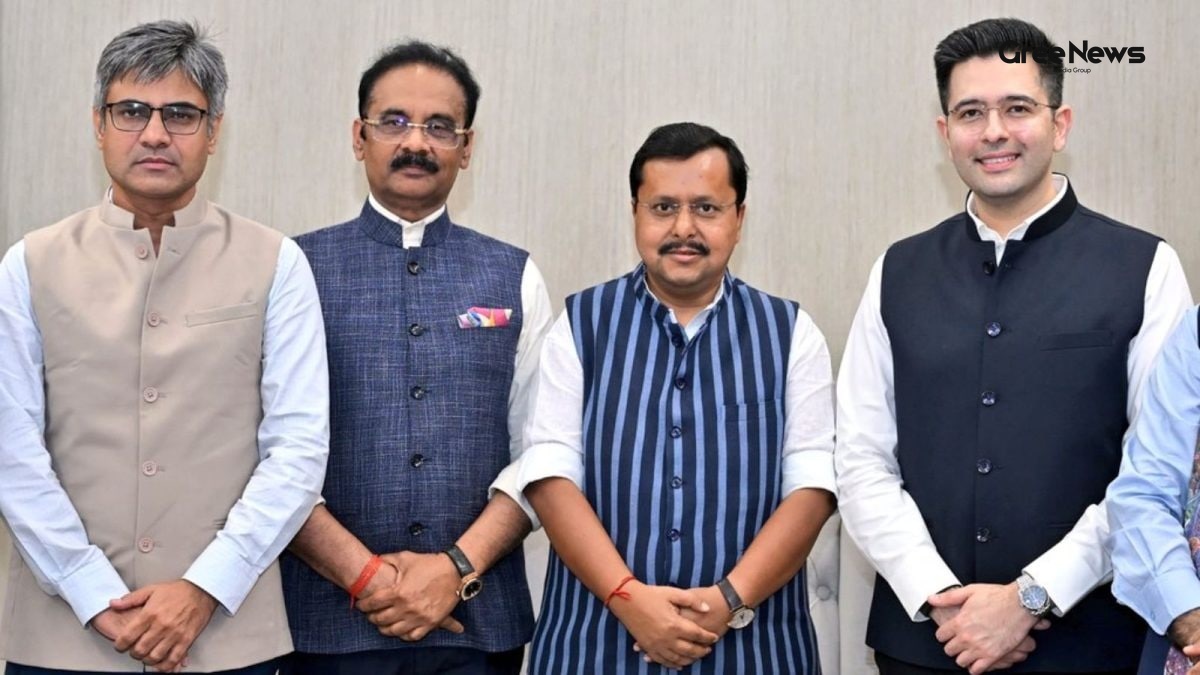
In a dramatic turn that has grabbed the attention of political observers across the country, Raghav Chadha announced that a majority of Aam Aadmi Party (AAP) members in the Rajya Sabha have signed a merger document with the Bharatiya Janata Party (BJP). By invoking Paragraph 4 of the Tenth Schedule, the seven‑member group aims to safeguard their parliamentary seats against anti‑defection disqualification. The announcement, made in the presence of senior AAP leaders Sandeep Pathak and Ashok Mittal, listed Harbhajan Singh, Rajinder Gupta, Vikram Sahney and Swati Maliwal as likely supporters of the merger, while the remaining two AAP MPs Narain Dass Gupta and Sant Balbir Singh have yet to comment. The move has sparked a fierce reaction from AAP senior leader Sanjay Singh, who labelled it a “Operation Lotus” conspiracy and warned that voters in Punjab would remember the betrayal. This article unpacks the legal backdrop of the anti‑defection law, walks through the statements made by Raghav Chadha and the reactions from AAP, and examines what this development could mean for the balance of power in the Rajya Sabha and for future political realignments in India. All of this is part of the latest news India, offering a close‑look at a story that has quickly turned into breaking news, trending news India, and viral news across social media platforms.

Congress’s Punjab Puzzle: Why the Party Hopes Bhagwant Mann’s Government Stays Standing
Politics

Congress’s Punjab Puzzle: Why the Party Hopes Bhagwant Mann’s Government Stays Standing

In the latest news India, the Congress party finds itself in a tricky position over the future of the Bhagwant Mann government in Punjab. While opposition parties usually rejoice at any misstep by a rival, Congress is quietly hoping that the Aam Aadmi Party does not stumble, especially after the surprise exit of Raghav Chadha and a handful of other MPs. Sources suggest that about fifty Aam Aadmi Party legislators are in contact with the Bharatiya Janata Party and could switch sides, opening the door for an Akali‑Bharatiya Janata Party coalition. Such a development would put Congress in a weaker spot, given its recent crushing defeat and ongoing internal rifts. Moreover, there are whispers that some Congress legislators might also be in touch with the Bharatiya Janata Party, adding another layer of uncertainty. The Akali Dal has hinted that the Aam Aadmi Party government could fall, yet it has not publicly announced any formal tie‑up with the Bharatiya Janata Party. As the political chessboard shifts, the saffron party eyes a Sikh face to bolster its chances, while Congress fears a split in the Aam Aadmi Party could tip the balance in favour of the Bharatiya Janata Party. The unfolding drama, packed with party calculations, loyalty tests, and potential power reshuffles, is quickly becoming viral news across the nation, making it a prime example of trending news India that keeps readers hooked.

Latest Headlines

Trump’s Secret ‘Come Home’ Message to Journalist Amid Cancellation of US Envoys’ Pakistan Trip
World

Trump’s Secret ‘Come Home’ Message to Journalist Amid Cancellation of US Envoys’ Pakistan Trip

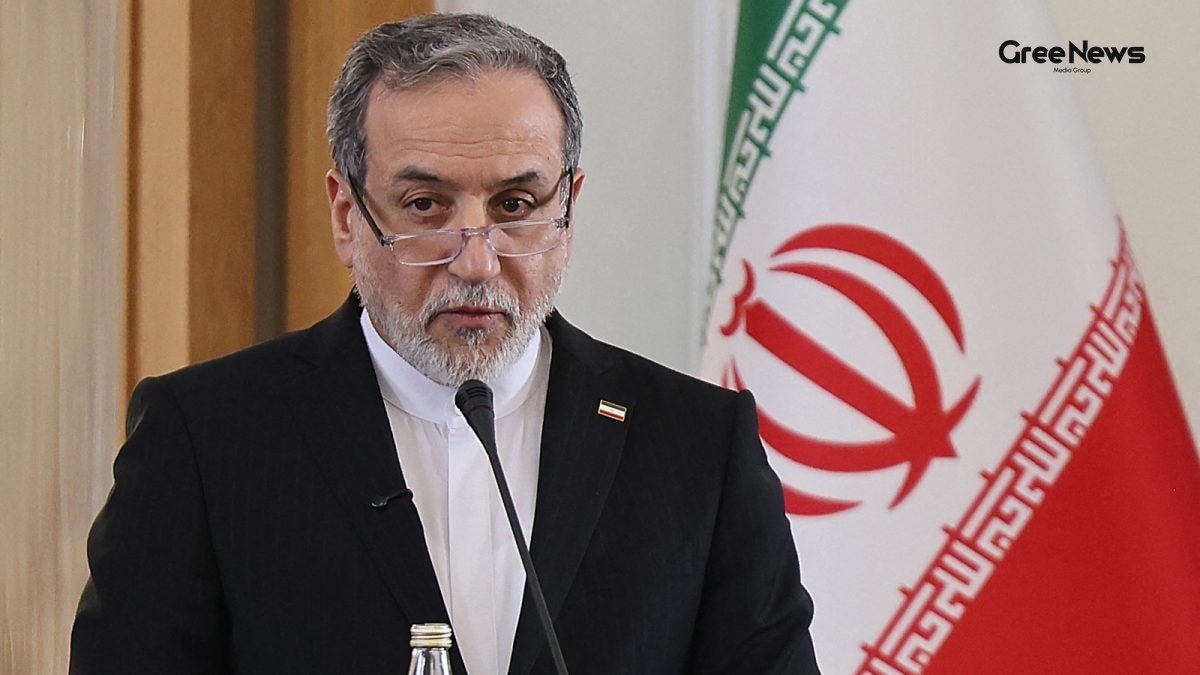
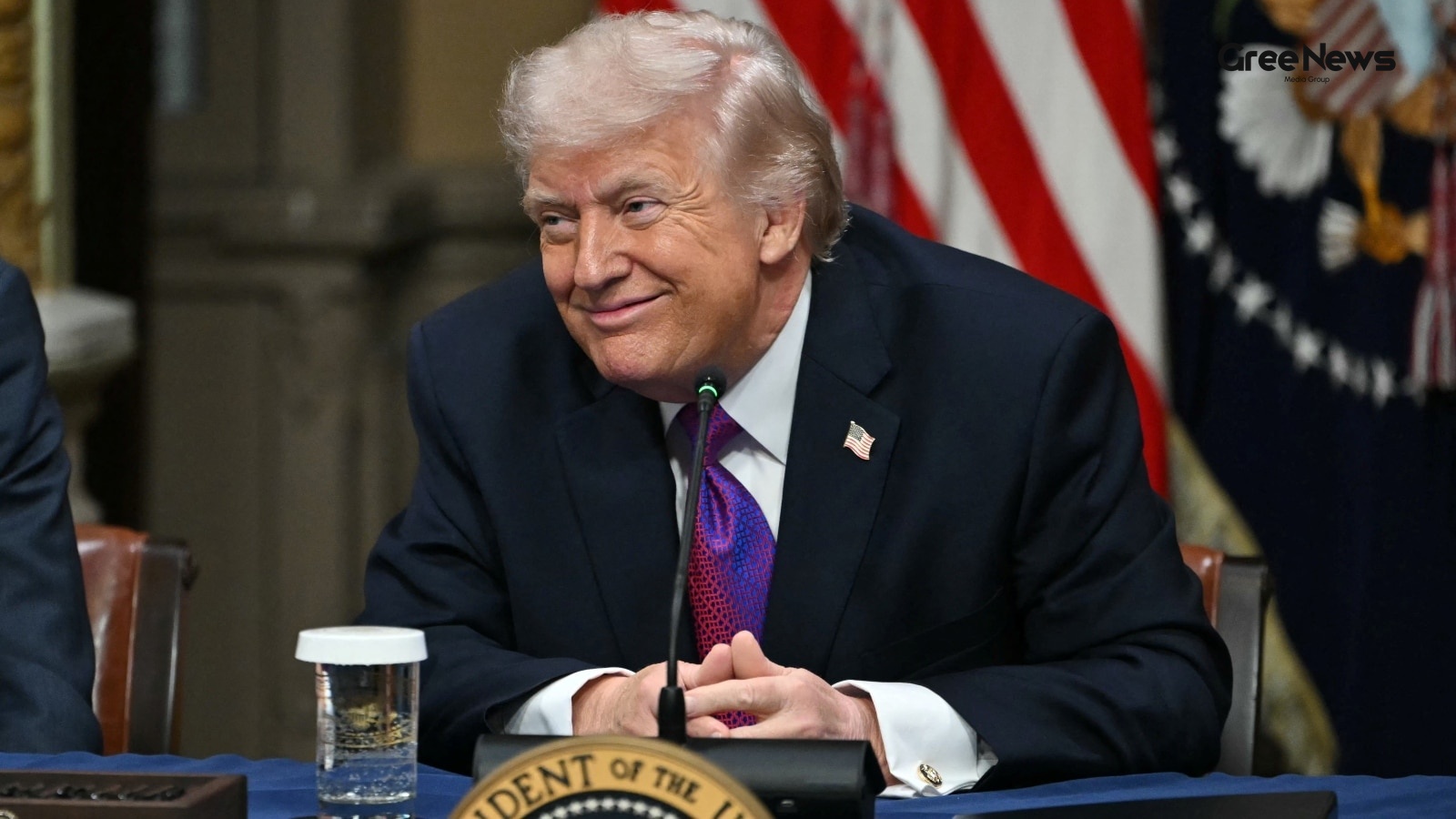
In a twist that has set the latest news India abuzz, former US President Trump revealed that he had pulled the plug on a planned delegation to Pakistan for talks with Iran. Adding fuel to the fire, journalist Caitlin Doornbos claimed she received a direct message from Trump urging her to return home, with the terse command, “Come home!!!”. The development unfolds against a backdrop of diplomatic shuffling: Iran’s foreign minister Abbas Araghchi had just finished meetings with Pakistan’s top brass, including Army Chief Asim Munir, Prime Minister Shehbaz Sharif, and Foreign Minister Ishaq Dar, all of whom are pivotal in brokering peace talks. While the White House had initially set the stage for envoys Steve Witkoff and Jared Kushner to head to Islamabad, Trump later told Fox News that the trip was called off, insisting the United States still holds all the cards. He also downplayed any looming conflict, telling Axios that the cancellation did not signal a return to hostilities. Meanwhile, Iran’s foreign ministry reported that Araghchi had moved on to Muscat for talks with Omani officials and was expected to visit Russia to discuss ending the ongoing conflict that began earlier this year. This cascade of events has quickly become viral news, sparking curiosity and debate across social platforms, and is shaping today’s trending news India landscape.

Babar Azam’s Heated Row with Umpires Sparks PSL Drama  What Really Happened?
Cricket

Babar Azam’s Heated Row with Umpires Sparks PSL Drama What Really Happened?

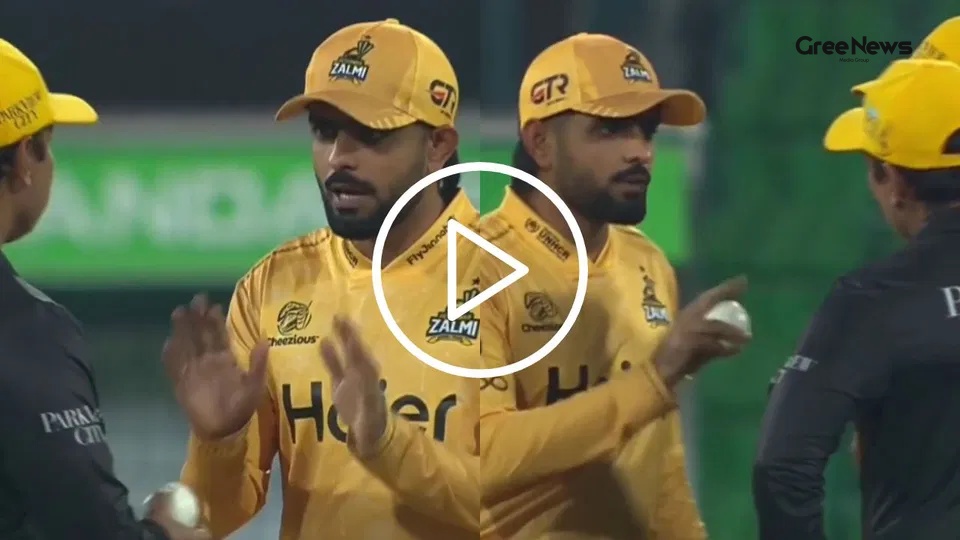
In a clash that quickly turned into one of the most talked‑about moments of the season, Peshawar Zalmi captain Babar Azam lost his cool and confronted the on‑field umpires over a back‑to‑back ball change. The incident unfolded during a high‑stakes PSL encounter against Lahore Qalandars, a match where the latter had posted a towering total of 199. While Babar had been the second‑highest scorer with a quick‑fire 59, the tension rose when the officials decided to replace the ball twice within a short span of overs. Babar, known for his calm demeanor, grabbed the ball and launched into a two‑minute debate, questioning the decision and pointing out that the damage was caused by the batsmen, not the bowlers. The umpire’s authority in T20 matches allows such changes when the ball is deemed unfit, but the controversy sparked a flurry of reactions from fans, commentators, and cricket pundits across India. Many wondered whether the captain’s conduct would attract a penalty under the ICC Code of Conduct, which classifies dissent as a punishable offence. This article delves into the match context, the exact sequence of the ball‑change dispute, the rules governing ball replacements, and the possible disciplinary outcomes for Babar Azam. It also captures the buzz that turned the incident into breaking news, trending news India and viral news on social media, offering a complete picture for anyone following the latest news India and looking for detailed India updates on the PSL saga.