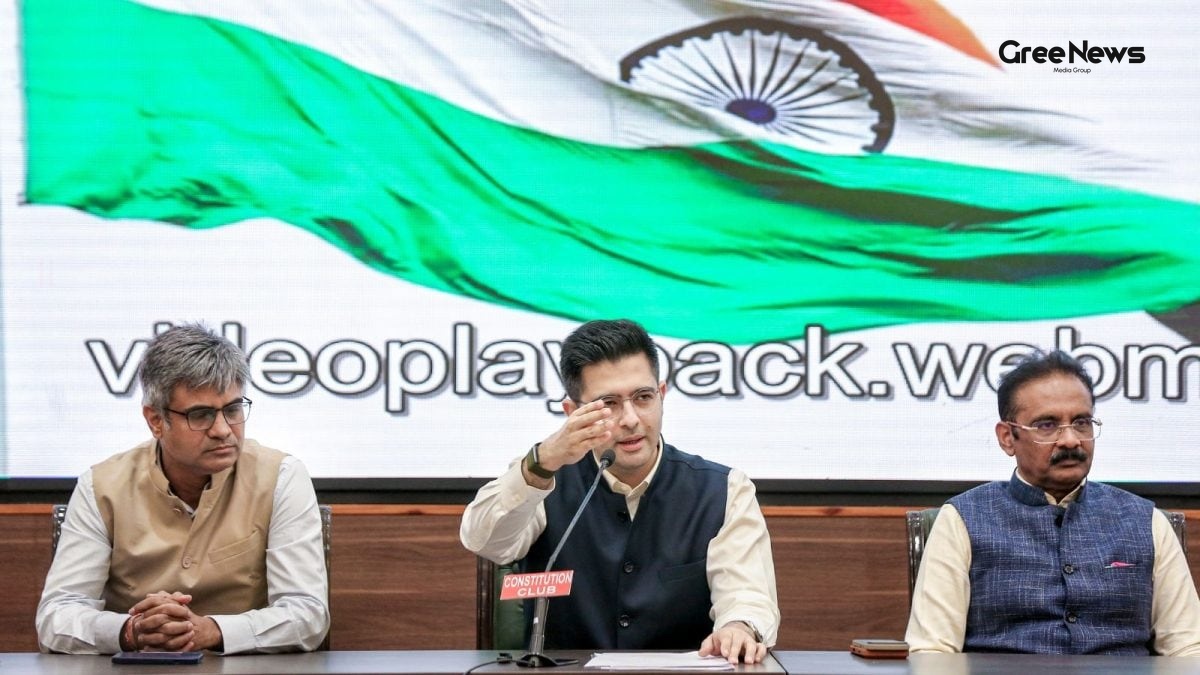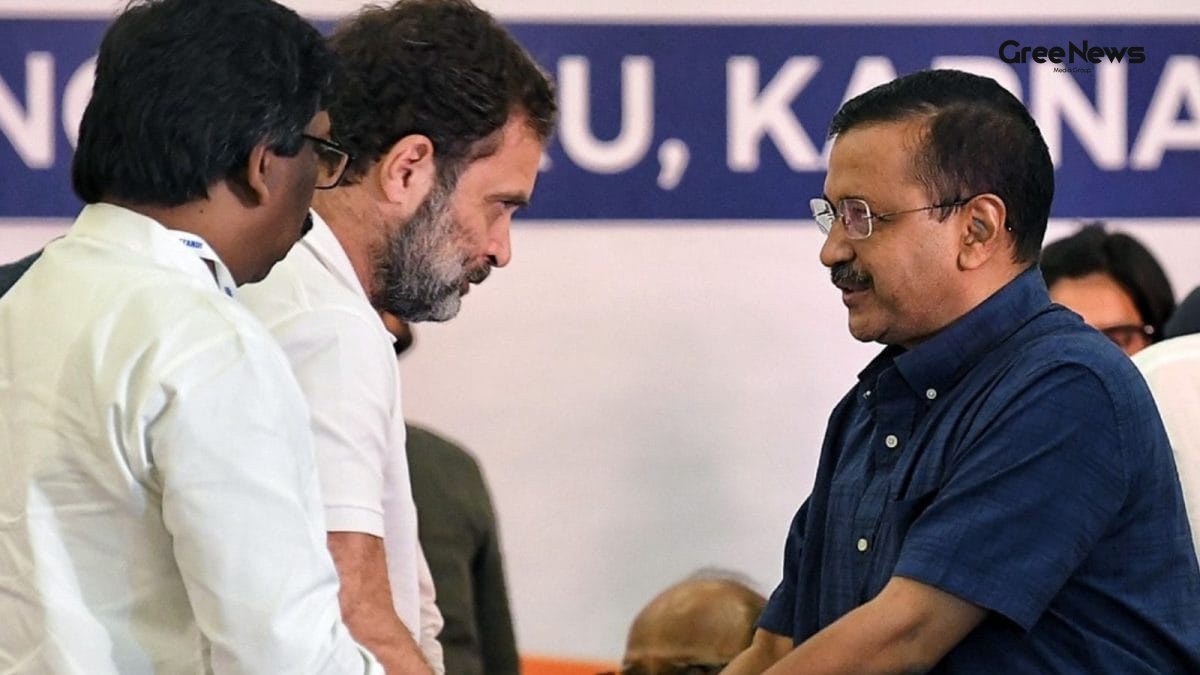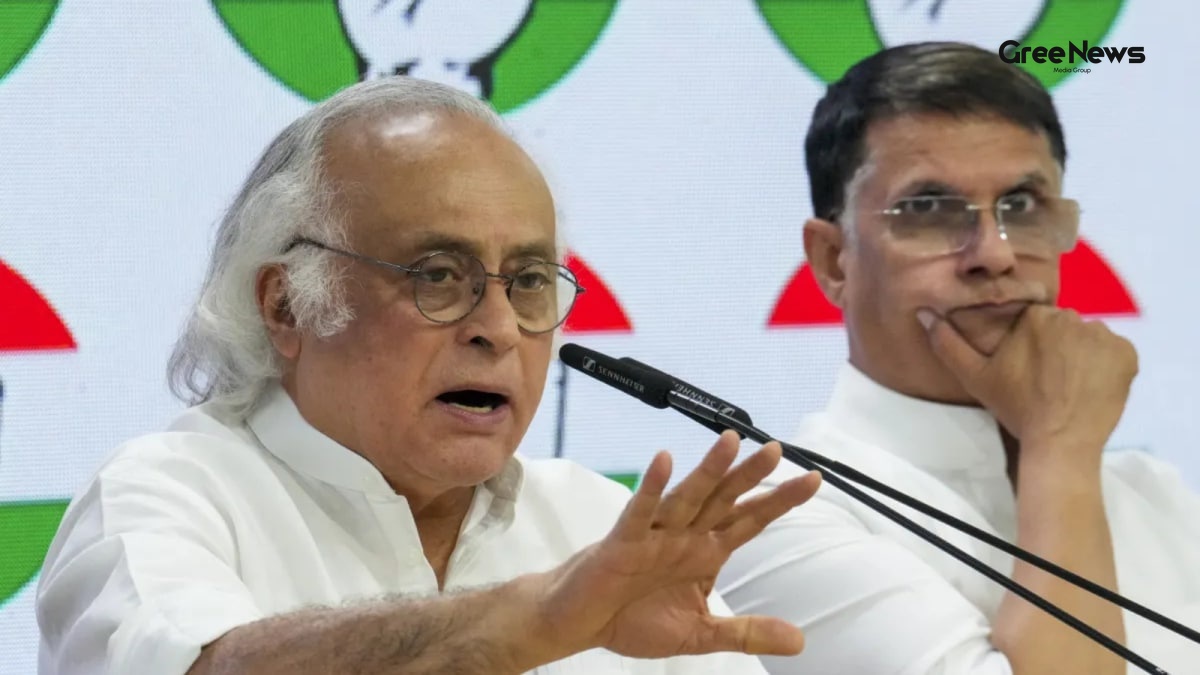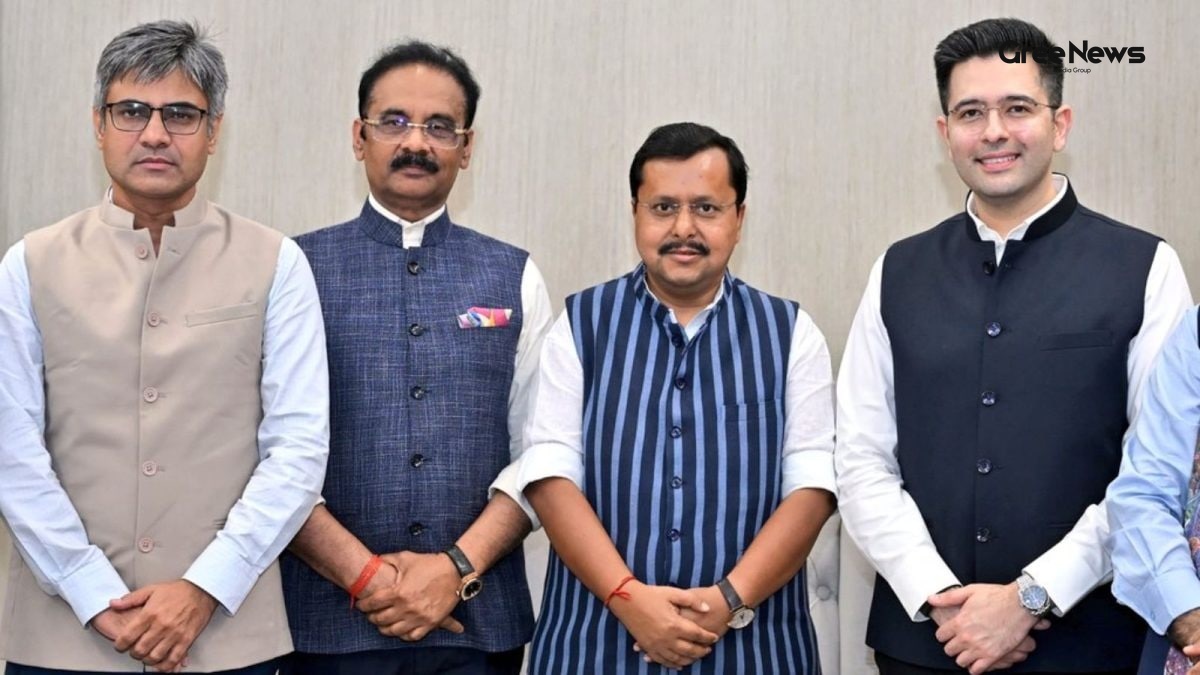
Previously, AAP’s 10-member bloc was a vital component of the opposition's strategy to stall bills in the Upper House
Honestly, when I first heard about seven AAP members walking over to the BJP side, I thought it was some sort of prank. But then the headlines kept popping up it was the latest news India was buzzing about, and you could hear the chatter in every dhaba and metro station. The mass defection did more than just shrink Arvind Kejriwal’s numbers; it rewrote the whole Rajya Sabha math in favour of the NDA.
What happened next is interesting: the group, led by Raghav Chadha and Sandeep Pathak, managed to hit the “magic” two‑thirds threshold that lets them merge with the BJP without any disqualification risk. In most cases, that kind of political nimbleness is rare; usually, parties stick to their colors because of the fear of losing face. But this time, the numbers spoke louder than loyalty, and suddenly the NDA seemed to have the total control it has been chasing for over a decade.
Where does the BJP/NDA stand after the AAP exodus?
Before the Friday exodus, the BJP was hovering around 106 seats in the Rajya Sabha, while the wider NDA coalition sat at roughly 121. After the seven AAP members Raghav Chadha, Sandeep Pathak, Swati Maliwal, Harbhajan Singh, Ashok Mittal, Vikram Sahney and Rajendra Gupta switched camps, the BJP’s individual strength jumped to 113.
But the real game‑changer is the NDA’s collective tally, which now soars to 128. In a house that has a functional strength of 243 members, you need 122 votes for a simple majority. With 128 seats, the NDA is comfortably above that line. This is a historic shift; for the first time since the days when the Congress ruled solo, the ruling coalition doesn’t need to lean on “neutral” regional parties to push through ordinary legislation.
Imagine you’re at a bustling mango market in Delhi and you want a particular fruit to be stocked. Earlier, you’d need to convince a few other stall owners to get it on the shelves. Now, with the NDA’s new numbers, it’s like having the market manager himself on your side you just walk in and the mangoes are there.
How far is the NDA from a two‑thirds majority?
A simple majority is already a massive win for day‑to‑day governance, but the “Holy Grail” of Indian parliamentary power is still the two‑thirds majority required for constitutional amendments. For a full House of 245 seats, that super‑majority stands at 164 votes.
Even with the windfall from the AAP exodus, the NDA remains 36 seats short of that target. This gap means that while the government can now breeze through ordinary bills like tweaking the Income Tax Act 2025 or pushing the Uniform Civil Code big structural changes such as the “One Nation, One Election” framework or a complete overhaul of the delimitation process still need the BJP to build bridges with non‑aligned parties, or simply wait for the next biennial cycle.
Many people were surprised by this; you’d think a jump of seven seats would get them close to the super‑majority, but the math is unforgiving. It’s like trying to fill a big glass of water with a tiny kettle you’re making progress, but you still have a long way to go.
How does this change the legislative landscape?
The immediate impact of the 128‑seat dominance is the “death of the veto” for the opposition India bloc. Previously, AAP’s ten‑member block was a vital component of the opposition’s strategy to stall bills in the Upper House. With that block reduced to just three loyalists, the opposition’s ability to force a bill into a select committee or trigger a close‑run division vote has evaporated.
For the Narendra Modi government, this clear majority is a Green signal for high‑stakes legislative priorities that fall under ordinary law. Whether it’s the implementation of the Uniform Civil Code (UCC), reforms in the education sector, or further refinements to the Income Tax Act 2025, the government can now steer its agenda through the “House of Elders” with the same velocity it enjoys in the Lok Sabha.
What’s more, this development has become breaking news across social media, with countless memes and viral news clips highlighting the sudden power shift. Trending news India pages are filled with snapshots of the Rajya Sabha floor, and you can even hear the excitement on local radio stations that call it a “new dawn” for the ruling coalition.
What does this mean for the average Indian?
On a practical level, the change may affect you more than you think. If you’re a small business owner in Hyderabad wondering when the next GST amendment will pass, the answer is now quicker the NDA can push that through without the usual back‑and‑forth with opposition members.
Similarly, students in Kolkata waiting for the new education policy might see it materialise sooner, because the hurdle of getting opposition support has been lowered. In most cases, the government’s ability to pass bills without major roadblocks translates to faster implementation on the ground be it new infrastructure projects, health schemes, or tax reliefs.
But remember, the super‑majority gap still exists, so any attempt to change the Constitution like the much‑debated “One Nation, One Election” will still need some level of consensus. That’s where the political theatre continues, and where the opposition might still have a role, albeit a reduced one.
Why did the AAP members switch sides?
While official statements claim ideological alignment and better prospects for their constituencies, many observers think it’s a mix of personal ambition and political calculus. In everyday conversations, you’ll hear people say that the defectors wanted to be part of the “winning team” to bring development funds to their regions.
Some political analysts say the move was also a strategic play by the NDA to weaken the opposition’s collective bargaining power ahead of upcoming elections. It’s like when a cricket team lures a few key players from the rival side before a big series you get a morale boost and the rival’s line‑up gets thinner.
Whatever the reasoning, the fallout has been immediate. Within hours, news portals flagged the story as viral news, and the phrase “AAP exodus” started trending on Twitter, with many users sharing memes likening it to a Bollywood drama twist.
What to watch out for next?
Now that the NDA has a comfortable majority, all eyes are on the kind of legislation they’ll prioritize. Will we see a fast‑track of the Uniform Civil Code, or perhaps a sweeping amendment to the income tax slabs? The rumours are already swirling, and you’ll find the latest discussions on every news channel and YouTube commentary.
Another point of interest is whether any opposition parties will try to form a new coalition to challenge the NDA’s dominance. So far, the opposition’s numbers have dwindled, but politics in India is unpredictable just ask anyone who’s ever waited at a bus stop during rush hour!
In short, keep an eye on the updates, because every new bill introduced now carries a higher chance of becoming law, and that’s something that will affect everything from school fees to road‑tax rates. This story continues to be one of the most watched pieces of breaking news, and it’s a perfect example of how a few moves in the Parliament can ripple through everyday life across the country.