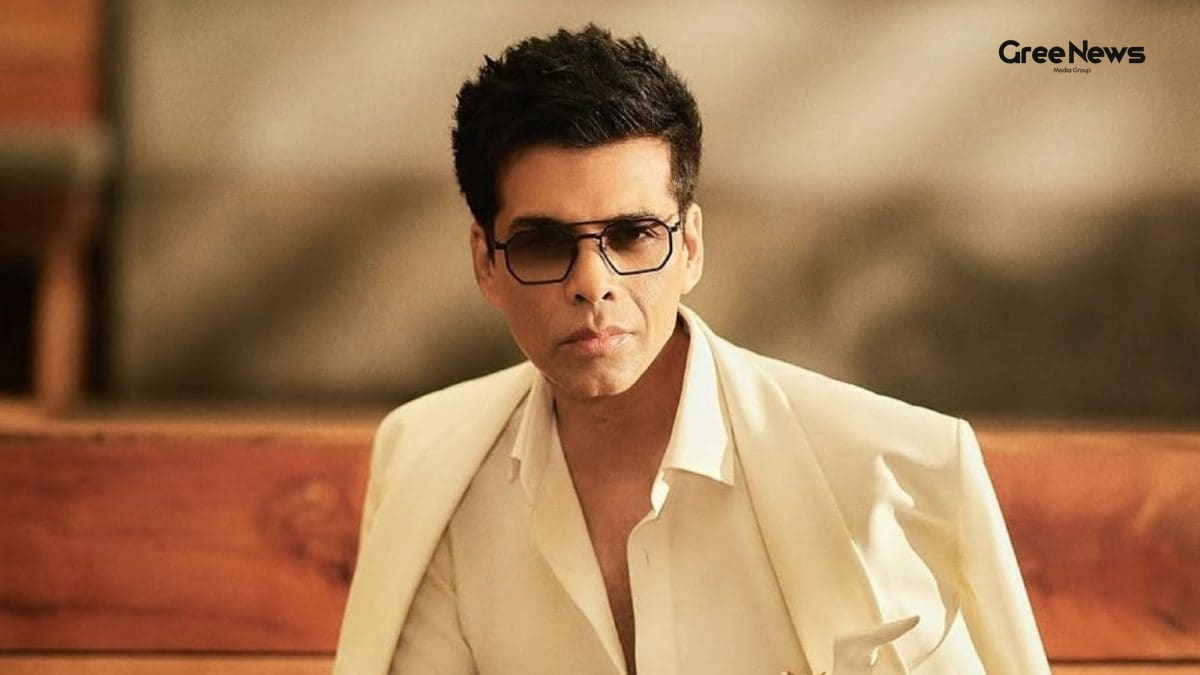
Karan Johar slams Bollywood’s alpha male phase, says films now show men with beards, smoking and walking in slow motion.
Honestly, when I first heard Karan Johar’s comments on a podcast I was listening to during my morning chai, I felt a mix of surprise and relief. It’s not every day that a big‑ticket producer openly calls out the industry for its obsession with the ‘beard‑and‑smoke’ formula. I’ve been watching Hindi movies for as long as I can remember from the romantic melodramas of the 90s to the gritty action flicks of the 2000s and lately, the shift has been pretty stark. The men on screen look like they stepped out of a gym, their beards meticulously groomed, a cigarette lazily hanging from their lips, and every walk feels like an epic slow‑motion sequence. It’s as if the scriptwriters think that’s the only way to make a hero look ‘alpha’.
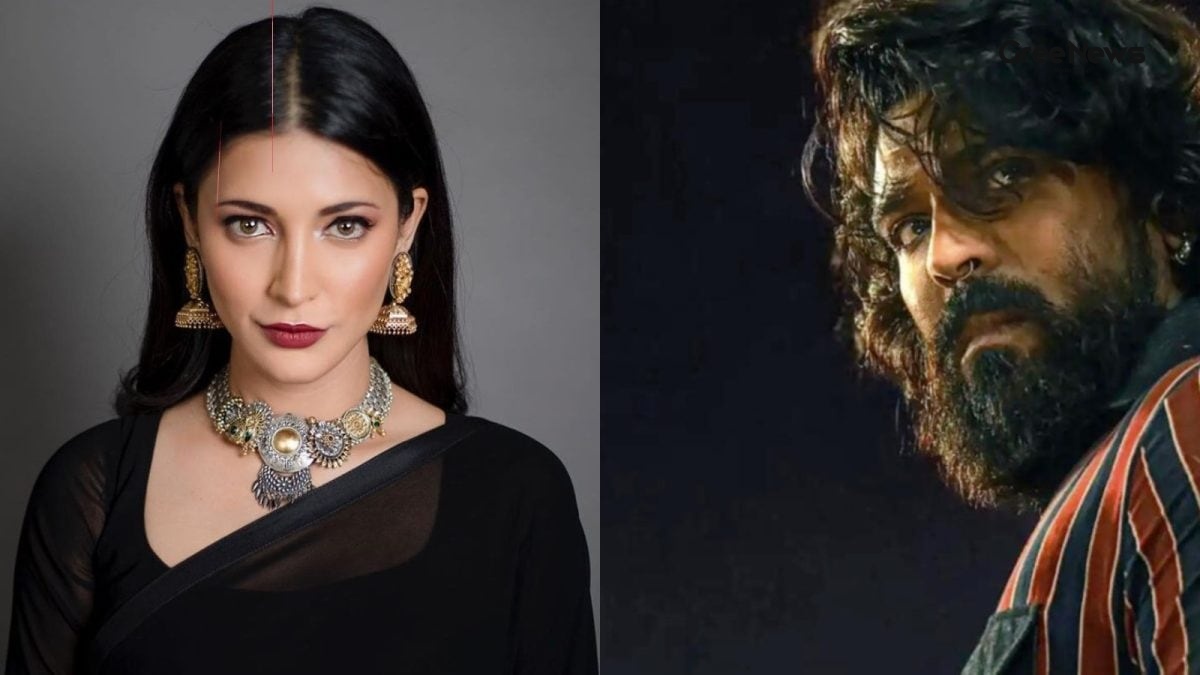
What Karan actually said was that Bollywood is stuck in a “big alpha energy” phase, where testosterone‑heavy narratives dominate everything. He pointed out that as soon as one such film hits the box office, a flood of similar movies follow ten, fifteen, maybe even twenty. In most cases, the movies end up featuring men strolling in slow motion for no clear purpose, just to showcase their swagger. And, according to him, these heroes always have beards and are always smoking. He joked, “Apparently, that’s what women like to watch, is what the men think.” I could hear the smirk in his voice, and I thought, ‘Finally, someone is saying what many of us have been feeling!’
Watching the latest news India about these trends, I realized that this isn’t just about visual style. It’s about the stories we are being fed. The hyper‑masculine focus often sidelines nuanced characters, especially women, and reduces the plot to a series of macho displays. It reminded me of the time when I was waiting in line at a Delhi metro station, and the background screens were playing trailers of movies where the hero’s facial hair was the ‘main attraction’. That’s when I thought, “Is this really what cinema should be about?”
Why the beard‑and‑smoke formula feels overused
Let me take you back to a weekend when I was with some friends at a local dhaba after a long drive. We decided to watch a newly released action drama that promised “high‑octave testosterone”. True to the hype, the hero entered the scene with a perfectly trimmed beard, lit a cigarette, and then walked in slow motion while the background music swelled. The scene lasted for about a minute, and honestly, it felt like a repeat of a hundred other moments I’ve seen over the past few years. My friend, who’s a big fan of Bollywood, raised an eyebrow and said, “Do we need the beard and the smoke every single time?” That comment stuck with me.
What Karan Johar highlighted is that such repetitive visuals are not just a creative choice they are a market driven decision. When a film does well, producers rush to copy the ‘formula’. In most cases, the copy isn’t just about the story but about the visual swagger: men with beards, smoking, walking in slow‑motion, and an overall ‘alpha’ vibe. It’s like the industry is stuck in a loop, and the only way to break it is to question why we think that’s what audiences want.
From my perspective, this hyper‑masculine phase might be the result of a few blockbuster hits that set the trend. However, as a regular consumer of breaking news and trending news India, I’ve also seen a growing backlash from viewers who crave fresh narratives. Social media threads explode with memes mocking the ‘beard‑and‑smoke’ hero, and many of my own comments on platforms like Instagram get swarmed with likes for questioning the cliché.
Rocky Aur Rani Kii Prem Kahaani the Kathak controversy
Another highlight from Karan’s recent interview was his recollection of the backlash he faced for a bold Kathak sequence in Rocky Aur Rani Kii Prem Kahaani. The scene featured Ranveer Singh and Tota Roy Chowdhury, both dressed in traditional attire, performing the graceful dance to “Dola Re Dola”. It was a moment that broke the usual masculine mold men doing a classical dance, moving in sync, and looking absolutely stylish.
Now, this was a daring move, especially because Indian audiences often have a fixed idea of what male characters should do. I remember reading some of the viral news about how certain sections of the audience were shocked and even angry. “How can you depict a man like that?” they asked. The comments were harsh, and it felt like a clash between a progressive storytelling approach and a conservative audience mindset. As someone who follows India updates closely, I saw that the debate wasn’t just about a dance; it was about redefining masculinity on screen.
When Karan recalled these reactions, he mentioned that the scene became one of the most discussed moments of the film. It even turned into a meme, with people sharing screenshots of Ranveer’s moustache in a dance pose and captioning it “When you’re too masculine for a dance”. This caught people’s attention and sparked conversations about gender norms. The fact that Karan brought it up now, while speaking about the current “alpha” trend, shows that he’s still conscious about how stories can challenge stereotypes.
What being a ‘born feminist’ means for Karan Johar
During the same conversation, Karan described himself as a “born feminist”. He said he grew up surrounded by strong women, especially his mother, and that this upbringing shaped his view on gender and storytelling. Honestly, hearing this from someone whose movies often dominate the box office made me reflect on the kind of narratives we support.
He emphasized that a filmmaker can’t just chase audience approval if it goes against his own beliefs. As a creator, he wants his work to reflect his convictions, not just market trends. This resonates with many of us who feel that cinema should be a platform for progressive ideas rather than a mere profit‑making venture. I’ve always admired directors who stand by their values, even when the box office numbers aren’t huge. Karan’s stance reminds us that there are still creators willing to push the envelope.
When he said he would continue making stories that align with his belief system, I could sense a hint of defiance a willingness to go against the grain of the “beard‑and‑smoke” wave. It makes me hopeful that we might see more movies that break away from the hyper‑masculine script and explore deeper, more inclusive narratives.
Current and upcoming projects on Karan’s plate
Switching gears a bit, Karan also gave an update on his recent productions. He mentioned that he last produced Tu Meri Main Tera Main Tera Tu Meri, starring Kartik Aaryan and Ananya Panday. Even though the film received a lukewarm response at the box office, it’s worth noting that the movie tried to blend romance with a dash of comedy a formula that’s become quite common lately.
Looking ahead, Karan is set to back Chand Mera Dil, which will feature Lakshya Lalwani and Ananya Panday. He’s also producing Naagzilla, starring Kartik Aaryan. Both projects seem to be leaning towards the commercial side, but given Karan’s recent statements, I wouldn’t be surprised if he manages to sneak in some subtle subversions of the typical “alpha” hero.
From where I stand, as a regular consumer of trending news India, these upcoming films are on my watchlist. I’m curious to see if Karan’s new stance will reflect in the way male characters are portrayed perhaps fewer beards, less smoking, and more depth.
What this means for the future of Bollywood
All in all, Karan Johar’s candid remarks feel like a wake‑up call for the industry. It’s not just about beards or cigarettes; it’s about the kind of stories we choose to tell and the stereotypes we continue to reinforce. As someone who follows the latest news India and reads viral news about film debates, I think this conversation is long overdue.
If Bollywood wants to stay relevant, it needs to listen to the murmurs of the audience the ones who are tired of the same slow‑motion hero strutting down a deserted street. The next wave could bring more nuanced male protagonists, characters who can dance Kathak without raising eyebrows, and perhaps even heroes who prefer a cup of chai over a cigarette.
In the end, it’s about balance. While there will always be a market for high‑octane, testosterone‑charged movies, there’s also space for films that challenge gender norms and celebrate diversity. Karan’s own admission of being a “born feminist” might just be the spark that encourages other filmmakers to experiment.
So, next time you hear breaking news about a new Bollywood release, keep an eye out for whether the hero still has that signature beard and smoke, or if the story dares to do something different. The industry is at a crossroads, and the direction it takes will shape the kind of cinema we all enjoy.