What triggered the Rajya Sabha shake‑up?
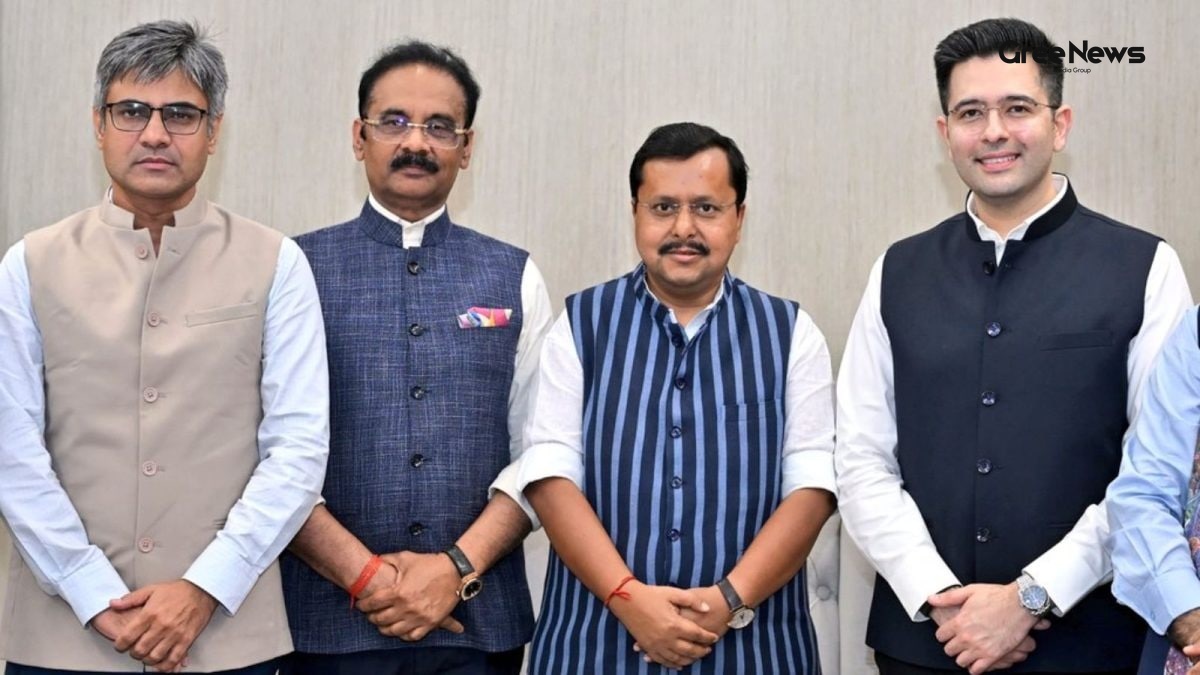
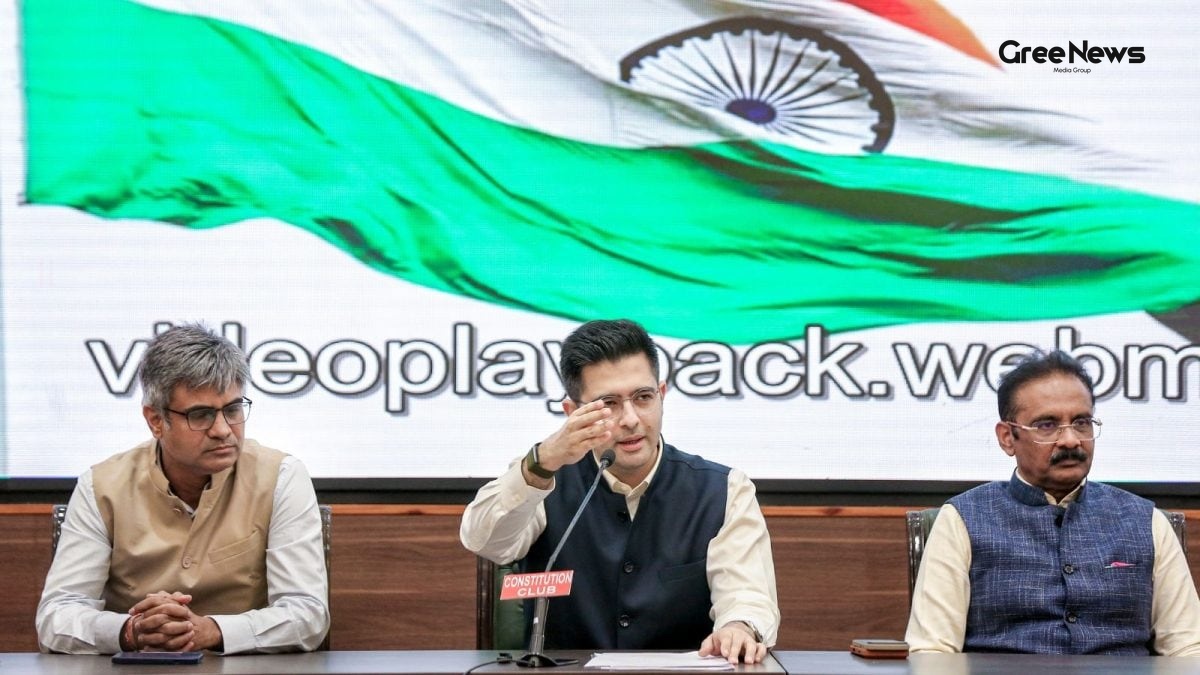
When I first heard about the AAP Rajya Sabha split, I thought it was just another political rumor. But then Raghav Chadha, standing alongside Sandeep Pathak and Ashok Mittal, actually announced that more than two‑thirds of the party’s members in the Upper House have decided to merge with the BJP. This is not a simple party‑switch; it is a legal manoeuvre that leans on Paragraph 4 of the Tenth Schedule, which, you know, can protect members from disqualification under the anti‑defection law.
In most cases, once a person is elected to the Rajya Sabha, the Constitution guarantees the seat. However, the anti‑defection provisions can still strip an MP of the membership if the MP voluntarily quits the party or votes against the party whip that’s what Paragraph 2 of the Tenth Schedule says. The twist here is that Paragraph 4 offers an exemption for a merger if at least two‑thirds of the legislators aGree. That is why Raghav Chadha’s declaration sounded so serious the numbers matter a lot.
How the numbers add up
Out of the ten AAP MPs in the Rajya Sabha, seven are needed to meet the two‑thirds threshold for a valid merger. Raghav Chadha listed Harbhajan Singh, Rajinder Gupta, Vikram Sahney and Swati Maliwal as likely to join the move, while the three Delhi‑based MPs Raghav Chadha, Sandeep Pathak and Ashok Mittal are already on board. That makes a total of seven names, exactly the count required. The remaining two Narain Dass Gupta from Delhi and Sant Balbir Singh from Punjab have not made any public statement yet.
Raghav Chadha said the signed letters were handed over to the Rajya Sabha Chairman on the same morning. The Chairman’s decision will ultimately confirm whether the merger stands or if the anti‑defection clause will bite. This whole episode has turned into trending news India, as political analysts scramble to predict the impact on the composition of the Upper House.
Raghav Chadha’s own words
During the press conference, Raghav Chadha explained why he felt compelled to take this step. He said he had been distancing himself from AAP’s internal activities because he "did not want to be part of their crimes". According to Raghav Chadha, the only options were either to quit politics altogether or to continue serving the public through "positive politics" with the newly aligned BJP. He added, "I was not eligible for their friendship because I was not part of their crime. We have decided that the 2/3rd members belonging to AAP in Rajya Sabha will exercise the provisions of the Constitution and merge with the BJP."
Raghav Chadha also mentioned that the move was not taken lightly. He said there were intense discussions among the MPs, and the final decision was taken after confirming that the required number of signatures was in place. This narrative has become a piece of viral news, with many netizens sharing clips of Raghav Chadha’s speech across WhatsApp groups and Twitter threads.
Swati Maliwal’s stance
Swati Maliwal, who has been vocal against AAP for about a year, is also listed among the seven MPs supporting the merger. While Swati Maliwal has not formally joined any other political party, her name appears in the merger document, signalling she is ready to align with the BJP. This caught people’s attention because Swati Maliwal has been a prominent activist, and her shift adds another layer of intrigue to the story.
Even though Swati Maliwal has not publicly announced a party switch, the fact that her signature is on the merger paper has sparked heated discussions on social media, making this a piece of breaking news that many Indian users are tracking.
AAP’s reaction the “Operation Lotus” claim
Sanjay Singh, who heads the AAP in the Rajya Sabha, blasted the whole affair as a conspiracy orchestrated by the BJP. He called it "Operation Lotus" and said it was a betrayal of the people of Punjab. "The party gave everything to Raghav Chadha. But now Raghav Chadha is in the lap of the BJP… Sandeep Pathak also got big responsibilities from the party… even Swati Maliwal… AAP and Punjab gave them everything… people of Punjab will never forgive them," Sanjay Singh asserted.
Sanjay Singh also linked the merger drama to the recent Enforcement Directorate raid on Ashok Mittal’s premises and his family’s educational institutions in Haryana and Punjab. The raid, which happened under the Foreign Exchange Management Act, came just days after Ashok Mittal was appointed as the party’s deputy leader in the Rajya Sabha, replacing Raghav Chadha. Sanjay Singh suggested that the timing of the raid hinted at a deeper political play.
Legal backdrop anti‑defection rules explained
Paragraph 2 of the Tenth Schedule says a legislator can be disqualified if they voluntarily give up their party’s membership or vote against the party whip. This is the clause that usually keeps party‑hopping in check. However, Paragraph 4 adds a crucial exception: if not less than two‑thirds of the members of a legislative party aGree to a merger with another party, the disqualification provision does not apply.
What this means for the current scenario is that once the seven AAP MPs sign the merger document, they can legally switch to the BJP without risking loss of their Rajya Sabha seats. The final word, of course, rests with the Rajya Sabha Chairman, who will examine the documents and decide if the procedural requirements are satisfied.
Implications for the Rajya Sabha and Indian politics
If the Chairman accepts the merger, the BJP will effectively gain seven extra seats in the Upper House. That could shift the balance of power, especially in close votes on key legislation. For a country where coalition dynamics often decide the fate of bills, this development is a big deal and that’s why it’s featuring prominently in the latest news India.
On the ground, ordinary citizens are reacting in mixed ways. Some AAP supporters feel betrayed, while others see the move as a pragmatic step to ensure their representatives stay in the house. This split has already become a hot topic on Indian news channels and social media, turning it into a piece of viral news that keeps trending throughout the day.
What’s next for the remaining AAP MPs?
The two AAP MPs who have not spoken yet Narain Dass Gupta and Sant Balbir Singh now face a tough choice. They can either join the merger, thereby protecting their seats, or stay with AAP and risk possible disqualification under Paragraph 2. Their decision will likely be watched closely, as it could either cement the BJP’s new strength in the Rajya Sabha or leave a small AAP foothold.
Given how fast this story has spread, every new statement from Narain Dass Gupta or Sant Balbir Singh will become instant breaking news. The political climate in India is buzzing, and the evolution of this merger will continue to be a key part of India updates for weeks to come.
Conclusion a turning point or a temporary ripple?
Whether this merger will reshape Indian politics in the long run remains to be seen. What is clear, however, is that Raghav Chadha’s decision to invoke Paragraph 4 of the Tenth Schedule has set a precedent that could be used by other parties in the future. The episode also underscores how legal nuances can become powerful tools in the political arena.
For now, the country watches as the Rajya Sabha Chairman reviews the documents, and as the remaining AAP MPs weigh their options. In the meantime, the story continues to dominate the news cycle a classic example of how a single move can become viral news, spark endless debates, and keep the nation’s eyes glued to the latest developments.