The FIR stems from Pawan Khera’s allegation that Riniki Bhuyan Sarma, wife of ex‑Congress leader and Assam CM Himanta Biswa Sarma, holds multiple passports
Honestly, when I first saw this story popping up on my phone, I thought it was just another political spat that would die out within a day. But the more I read, the more I realised it’s turning into something bigger a real clash that’s getting a lot of attention on social media and in the news feeds. It feels like one of those breaking news pieces that you can’t ignore, especially because it involves a senior Congress leader, Pawan Khera, and the wife of the sitting CM, Riniki Bhuyan Sarma.
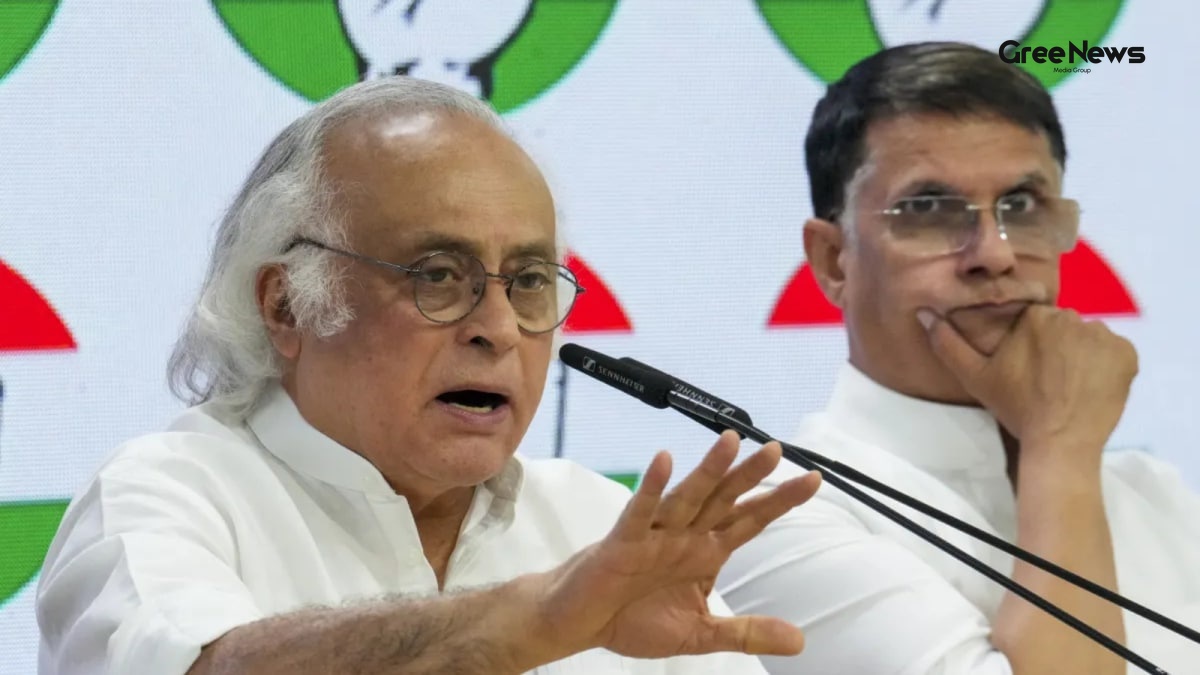
Congress leader Jairam Ramesh on Saturday affirmed support for fellow leader Pawan Khera, who is facing an FIR filed by Assam Chief Minister Himanta Biswa Sarma’s wife, Riniki Bhuyan Sarma, over allegations linked to her possessing multiple passports.
On Friday, the Guwahati High Court rejected Khera’s plea, seeking an anticipatory bail in connection with the case.
In a post on X, Jairam Ramesh wrote, “The entire Indian National Congress stands solidly in solidarity with @Pawankhera, the Chairman of its Media and Publicity Department. The verdict of the Guwahati High Court is in the process of being challenged in the Supreme Court. We are confident that justice will prevail…” Jairam Ramesh (@Jairam_Ramesh)
The Congress leader said the verdict of the Guwahati High Court would be challenged in the Supreme Court. "We are confident that justice will prevail over the politics of threat, intimidation, and harassment," he added.
Setback For Khera From Guwahati HC
When the news broke that the Guwahati High Court had denied the anticipatory bail, I was sitting with a few friends at a tea stall in Delhi. We started debating whether this was just a legal technicality or something more serious. Many of us felt the decision was a setback for Pawan Khera, especially because the case has already become a trending news India story.
Appearing for Khera, Senior Counsel Abhishek Manu Singhvi argued the Congress leader isn’t a flight risk and that there is no need for his arrest.
“On what basis can the petitioner expect a fair treatment when the Chief Minister is breathing down his neck?” Singhvi said.
Assam Advocate Devajit Lon Saikia opposed granting any relief to Khera, saying that this is not a simple defamation case, but the matter involves the manufacture of documents and title deeds.
What Is The Case?
The FIR stems from Pawan Khera’s allegation that Riniki Bhuyan Sarma, wife of ex‑Congress leader and Assam CM Himanta Biswa Sarma, holds multiple passports. For most of us, the idea of holding more than one passport sounds exotic, but under Indian law it is illegal. Carrying multiple passports or holding a dual citizenship is prohibited by the Indian Passport Act.
Following the allegation, Riniki Bhuyan Sarma filed criminal cases against Pawan Khera and others with the Guwahati Police under various sections of the Bharatiya Nyaya Sanhita (BNS). The FIR mentions sections that deal with forging documents and criminal intimidation.
Earlier, the Telangana High Court had granted Pawan Khera a seven‑day transit anticipatory bail, but the Supreme Court stayed the order, which added another layer of complexity to the whole saga.
What happened next is interesting the case quickly turned into a political flashpoint, with both parties using the incident to rally their supporters and score points in the media. You can see why it has become viral news across the country.
Background: Who Are The Key Players?
Let me give a quick rundown for those who may not be familiar with the names. Pawan Khera is the Chairman of the Indian National Congress’s Media and Publicity Department. He’s known for being vocal on social media, and his statements often make the latest news India headlines. Riniki Bhuyan Sarma, on the other hand, is the wife of Himanta Biswa Sarma, the current Chief Minister of Assam. Riniki runs several business ventures and is quite influential in the state’s socio‑political circles.
Jairam Ramesh is a senior Congress leader who has held several ministerial portfolios at the centre. In this case, he stepped forward to publicly back Pawan Khera, essentially saying that the party stands united behind him.
Senior Counsel Abhishek Manu Singhvi, who has represented numerous high‑profile politicians, took up the bail plea for Pawan Khera. Devajit Lon Saikia, a well‑known Assam advocate, argued in favour of the FIR, emphasizing the seriousness of the alleged document fabrication.
All these personalities have been part of the political landscape for years, which is why the story has generated so much buzz. It’s not just a legal dispute; it’s a clash of political heavyweight personalities that makes it trending news India material.
Legal Arguments: Bail vs. Document Fabrication
From what I gathered while watching live coverage on a popular news channel, Abhishek Manu Singhvi’s core argument was that there is no concrete evidence showing Pawan Khera would flee the country if arrested. He highlighted that Pawan Khera is a public figure, his movements are constantly monitored, and he has family responsibilities that keep him rooted in India.
He also pointed out that the FIR is based on a claim about passport possession, which is more of a civil violation than a criminal act that would normally warrant arrest. In most cases, such allegations are dealt with by the passport office rather than the criminal courts. This nuance, I think, is why many legal experts on social media called the bail denial ‘harsh’. It’s an example of how politics can sometimes influence legal outcomes a point that many people were surprised by.
Devajit Lon Saikia countered by saying the case is not just about passports. He insisted that the FIR mentions manufacturing documents and title deeds, which, under the BNS, are serious offences. He argued that if the allegations are true, it demonstrates an intent to mislead authorities a crime that can’t be brushed aside with a simple bail.
What’s fascinating is how this legal dialogue is spilling over into everyday conversations. I’ve seen neighbours discussing in Hindi, “Is this just politics or is there a real crime?” The mix of legal jargon and political hot‑talk makes this story a perfect example of viral news that keeps people engaged.
Political Ramifications: Congress vs. Assam Government
Now, looking beyond the courtroom, the political impact is massive. The Congress, already trying to rebuild its presence in the Northeast, sees Pawan Khera’s case as a rallying point. Jairam Ramesh’s tweet, which went viral, was re‑shared thousands of times with the caption “justice will prevail” a clear signal that the party wants to portray itself as a victim of intimidation.
On the other side, the Assam government, with Himanta Biswa Sarma at the helm, has been quick to defend Riniki Bhuyan Sarma’s actions, framing the FIR as a necessary step to protect the law. Many supporters of the CM have taken to Instagram stories, posting clips of the FIR copy and saying, “No one is above the law”. This narrative helps the government appear strong, especially when the opposition tries to paint them as being heavy‑handed.
Many political analysts I follow say that this episode could become a litmus test for how the Congress will handle future confrontations with regional governments. If the Supreme Court eventually gives relief to Pawan Khera, it could embolden Congress leaders across other states. Conversely, if the bail remains denied, it might signal that the judiciary is leaning towards giving the ruling party more leeway.
Public Reaction: A Story That Keeps Spreading
One thing that surprised me was the sheer volume of comments and shares on platforms like X, WhatsApp, and even regional news portals. People are posting memes, short video clips, and even creating mock “courtroom drama” sketches. It’s the kind of thing that turns a regular legal dispute into a cultural moment.
In most cases, the public tends to be indifferent to legal technicalities, but here the mix of high‑profile names and the alleged passport scandal gave it a ‘spicy’ flavor. Many netizens asked, “If Riniki Bhuyan Sarma really has more than one passport, why would she hide it?” This curiosity hook made the story go beyond the usual political chatter and become part of the everyday conversation.
My own family chatter at dinner this week turned into a debate about whether holding multiple passports is truly illegal, and how the law is enforced. My cousin, who works in a travel agency, explained that anyone found with more than one passport can face fines and even imprisonment. That practical insight added a layer of “real‑life” relevance to the story, which probably helped it stay on the trending news India list for a while.
Looking Ahead: What Could Happen Next?
So, what might happen after this? The next step, as Jairam Ramesh mentioned, is a challenge to the Guwahati High Court’s decision in the Supreme Court. If the apex court grants anticipatory bail, Pawan Khera will be free to continue his political activities while the FIR investigation proceeds. If not, he could face arrest, which would spill over into a bigger political crisis for the Congress in the Northeast.
Many people I’ve spoken to say they’ll be watching the Supreme Court’s order closely, treating it almost like a sports final. The outcome could set a precedent for how political leaders are treated when they raise accusations against powerful families.
Until then, the story will keep looping on the news portals, on breaking news feeds, and on my own WhatsApp groups. It’s a vivid illustration of how a legal tussle can become a nationwide conversation, blending law, politics, and everyday curiosity into a single, compelling narrative.
Whatever the final verdict, one thing is clear the Indian public’s appetite for such high‑stakes drama isn’t fading anytime soon. It’s the sort of case that will be cited in future discussions about political intimidation, legal fairness, and the role of media in shaping public opinion.