How I First Heard About the 3×15 Change
Honestly, I was scrolling through my phone on a lazy Sunday, catching up on the latest news India updates, when a headline about a new badminton scoring system popped up. It said something about "BWF approves 3×15 scoring" and my curiosity was instantly piqued. I mean, badminton is huge in India, right? So any breaking news about the sport feels almost personal.
What caught people's attention was the fact that the decision came from the Annual General Meeting held in Horsens, Denmark. I remembered hearing about that AGM on a trending news India tweet, and suddenly I was watching a short video clip where the BWF President, Khunying Patama Leeswadtrakul, was on stage. She said the vote had secured the required two‑thirds majority a phrase that sounded a bit like parliamentary jargon, but really just meant the change had solid backing.
What the New Scoring System Looks Like
According to the official statement, the new format will be 3 sets of 15 points each, instead of the current 21‑point rally system. The change is slated to kick in on January 4, 2027. I tried to picture a match three short bursts, each ending at fifteen, and thought about how that might affect the flow of play.
Khunying Patama Leeswadtrakul explained that the aim is to make matches faster and more exciting, with “high‑pressure moments earlier” and “tighter scores and more dramatic finishes”. Basically, the idea is to keep fans engaged from the first rally to the last, something we’ve all felt when a match stretches on for an hour and a half.
She also mentioned benefits for player welfare. In most cases, shorter matches could mean better recovery times, which might help our shuttlers stay at peak performance for longer seasons. That sounded logical, especially when you see players looking exhausted after a grueling three‑hour marathon in a Grand Slam event.
India’s Top Players React A Mix of Hope and Skepticism
Now, let me tell you about the reactions that really made the story go viral. I was watching a panel discussion that featured Indian badminton greats PV Sindhu, Vimal Kumar and Saina Nehwal. All of them have spoken up before, and this time they were pretty candid.
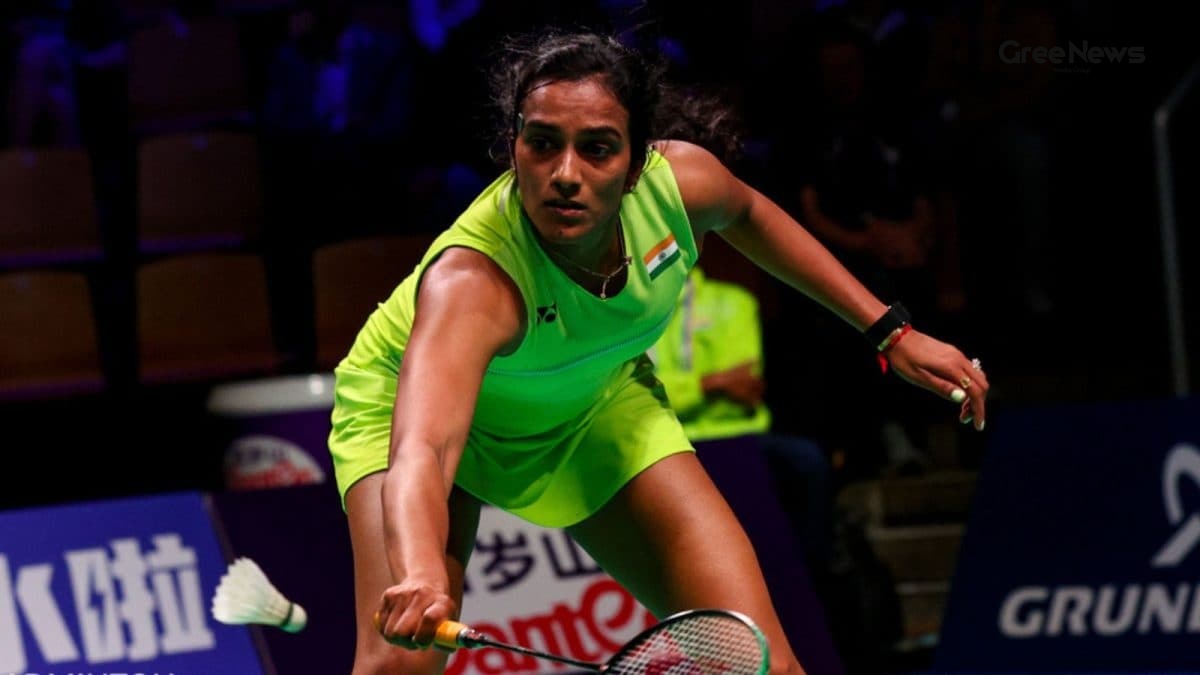
Pv Sindhu, who also chairs the BWF Athletes’ Commission, said she’s open to innovation but stressed that any change must solve the right problem. She was quoted saying, “Innovation is absolutely needed. But it has to be meaningful… we should always look at how to improve the sport for players, fans, broadcasters and commercial partners. Not every change is progress.” Her words struck a chord with many fans who love her straightforward style.
Vimal Kumar, the former chief coach, sounded more skeptical. He told PTI that the BWF seemed to be “thinking about reducing the scoring format and fiddling with the scores… for commercial reasons. That is not real badminton.” He added a colourful analogy, comparing badminton to golf, motorsports, football, hockey and basketball, which “have never diluted it”. It was a strong appeal to preserve the sport’s integrity.
Saina Nehwal also urged caution, emphasizing that the 21‑point system “preserves the sport’s essential intensity and endurance”. She reminded everyone that tournaments like the All England Open and World Championships have built their reputation on that intensity.
Overall, the sentiment among Indian players seemed to lean toward keeping the 21‑point format, though a few admitted the 15‑point version could offer shorter matches something that could be useful for broadcasters and for fans with tight schedules.
Why the BWF Thinks This Is the Right Move
Going back to the AGM, the BWF stated that the decision follows a long‑term process of testing, analysis, and consultation. They highlighted four main reasons: more exciting badminton, better scheduling, consistent match durations, and potential benefits for player welfare and recovery.
In a rather heartfelt quote, Khunying Patama Leeswadtrakul said, “We are building a sport that speaks to the next generation, while continuing to invest in the long‑term future of our players.” The wording felt like a promise to younger athletes who might be watching the sport on YouTube or TikTok, looking for faster, more intense content.
She went on to reassure that “the skill, the tactics, the physical and mental demands, and the drama of the sport will remain”. Basically, the core of badminton stays the same; it’s just the frame that changes. That logic helped calm some of the nerves, at least according to the press release.
What This Means for Indian Fans and Players
From a fan’s perspective especially someone like me who follows the sport through live streams and local clubs the shift could affect everything from ticket pricing to TV schedules. Shorter matches could mean more games per day, potentially making it easier for families to watch entire tournaments without taking a whole day off.
On the other hand, many of us cherish the long rallies that have become a hallmark of Indian shuttlers’ style that relentless attacking play of Sindhu or the defensive resilience of Saina. If matches are compressed into 15‑point sets, will those epic duels still have room to breathe? That’s a question many coaches are already debating in training halls across Delhi, Mumbai and Bengaluru.
In most cases, the BWF promised to monitor the transition closely and keep listening to feedback. They said they’ll work with members, stakeholders and players to ensure a clear, consistent, and well‑managed shift. For us at the grassroots level, that sounds reassuring, but only time will tell if those promises hold up.
One thing is clear the change is already part of the viral news circulating on social media. Hashtags like #BWF3x15 and #BadmintonFuture are trending, and even some local newspapers have run special columns titled “Will 3×15 Boost Badminton in India?”. The conversation is alive, which is good because spirited debate often leads to better outcomes.
My Takeaway A Personal Reflection
Honestly, after soaking in all the viewpoints the BWF’s optimistic statements, the Indian stars’ cautious remarks, and the buzz across the internet I’m left with a mixed feeling. I love the idea of faster, more gripping matches that keep viewers on the edge of their seats. At the same time, I’m nostalgic for the marathon rallies that have defined Indian badminton’s rise on the world stage.
What happened next is interesting: I decided to talk to a few club mates in my neighbourhood. Some of them said they’d welcome shorter games because it fits better with school schedules. Others, especially senior players, argued that the endurance aspect is what builds character and makes us competitive internationally.
All in all, I think the BWF’s move is a bold experiment. It might turn out to be a hit, delivering the excitement the federation hopes for, or it could face pushback if the core of the sport feels compromised. The fact that the decision was taken after “constructive dialogue” as the BWF put it gives me hope that there will be room for adjustments down the line.
So, as we await January 2027, I’ll keep watching the matches, sharing my thoughts on social media, and maybe even write a blog post about how the new format feels once it’s finally implemented. Until then, the conversation stays alive, and that’s what makes sports news truly engaging the constant flow of opinions, hopes, and debates that keep us all connected.