Donald Trump’s social post thanks Iran for opening the waterway but calls it the "Strait of Iran"
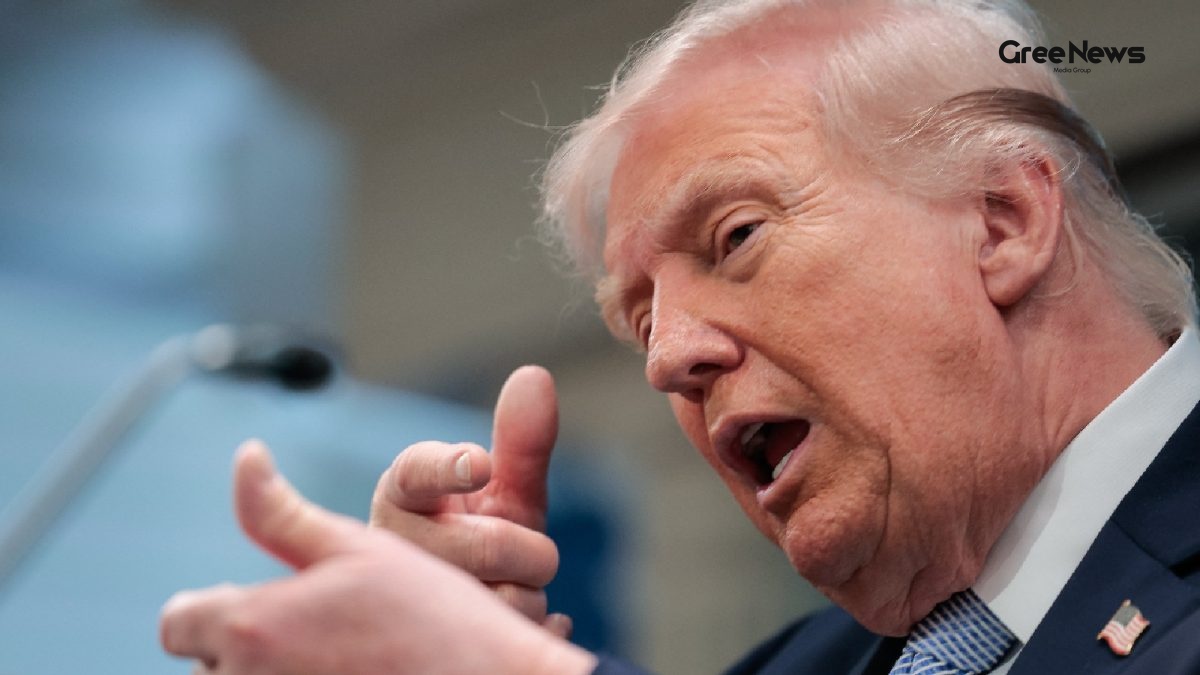
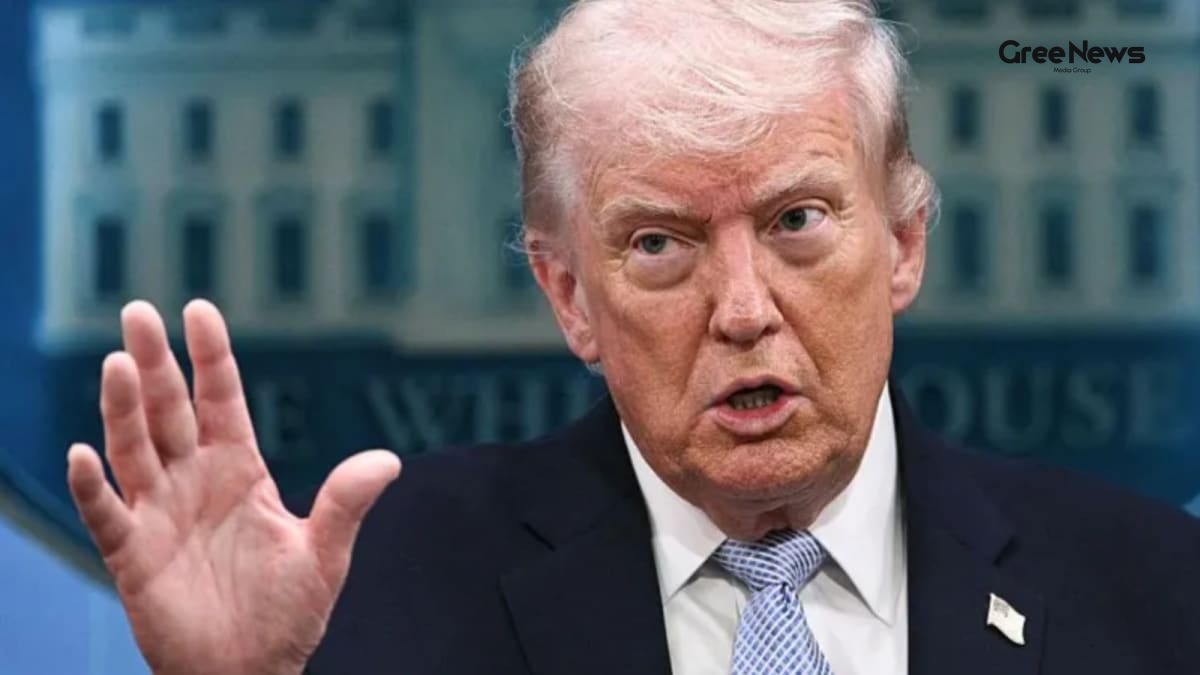
So, the other day I was scrolling through my feed, and guess what popped up? Donald Trump had just posted on Truth Social, thanking Iran for reopening a crucial shipping route. In his typical all‑caps style he wrote, “IRAN HAS JUST ANNOUNCED THAT THE STRAIT OF IRAN IS FULLY OPEN AND READY FOR FULL PASSAGE. THANK YOU.” Honestly, I had to do a double‑take. The phrase "Strait of Iran" sounded off. After a quick check, I realised there is no such thing as the Strait of Iran. The correct name is the Strait of Hormuz.
This little mix‑up turned into a piece of viral news across the country. People started sharing screenshots, memes, and a flood of comments pointing out the error. It even became part of the latest news India that many were discussing on WhatsApp groups and Twitter threads. The curiosity hook was simple what happened next? Why does this naming matter?
What is the Strait of Hormuz and why does it matter?
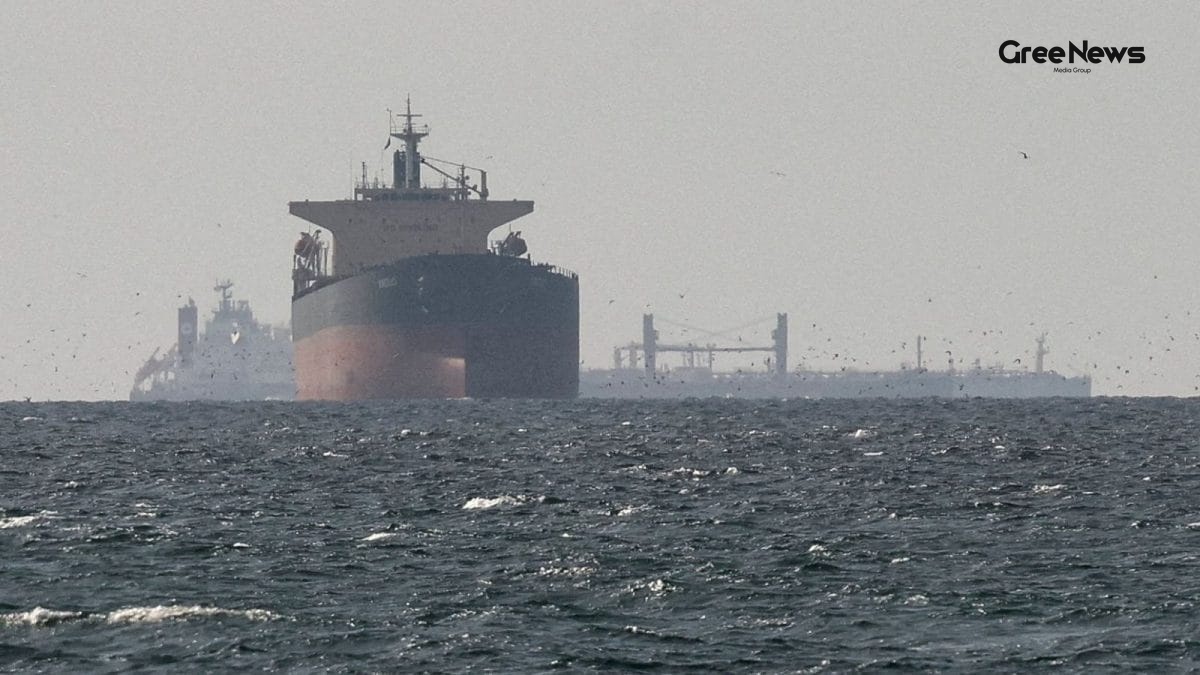
The waterway in question the Strait of Hormuz is a narrow channel that connects the Persian Gulf with the Gulf of Oman. It lies between Iran to the north and the United Arab Emirates and Oman to the south. Over the years, the strait has earned a reputation as one of the most consequential maritime chokepoints on the planet. Roughly 20 per cent of the world’s daily oil supply passes through it, which means any disruption can send shock waves through global energy markets.
Imagine you are driving on a single‑lane road that connects two busy cities. If that lane gets blocked, traffic snarls for hours, and everyone feels the impact. That’s essentially what happens when ships cannot move through the Strait of Hormuz oil prices jump, freight costs rise, and economies that depend on cheap energy feel the pinch.
Because of its strategic importance, the strait has been at the centre of many diplomatic tussles and occasional military posturing. In most cases, even the briefest closures have led to spikes in oil prices, making the strait a barometer of regional stability. This fact makes the recent reopening a piece of breaking news for traders, policymakers, and ordinary folks watching the fuel pump numbers.
How the reopening came about
The background to this development is tied to a regional ceasefire arrangement that aims to de‑escalate tensions across the Middle East. Iranian Foreign Minister Seyed Abbas Araghchi confirmed that the strait had been reopened for commercial vessels as part of the broader Lebanon ceasefire and related de‑escalation efforts. The waterway had faced severe restrictions for over six weeks after a sharp escalation in regional tensions, which had disrupted energy shipments, spiked freight costs and rattled global oil markets.
For many in India, especially those watching the market trends, this was a sigh of relief. The reopening meant that the supply chain for oil and gas could regain its smooth flow, which in turn could help stabilise fuel prices at the pumps. It also signalled a potential cooling of hostilities in a region that has a direct impact on the world’s energy security.
This announcement itself, name aside, carries real significance. The fact that Iranian officials publicly announced the opening shows a willingness to cooperate, at least on this practical front. It also gave governments and traders a reason to reassess risk premiums that had built up over the weeks of restricted navigation.
The social media reaction why people were surprised
When Donald Trump posted his thank‑you note, the internet went into a frenzy. Many people were taken aback because they expected a more measured or at least correctly named reference. Some commenters wrote, “Did Donald Trump just make up a new strait?” While others joked about the “Strait of Iran” becoming a meme. This caught people’s attention not only for the mistake but also because it highlighted how quickly information spreads in today’s digital age.
The reaction was especially lively on platforms that host Indian users. Trending news India tags, hashtags like #StraitOfIran, and even local news portals picked up the story, turning it into a notable item in trending news India feeds. The mix of geopolitics and a simple naming error made it an ideal candidate for sharing across Whatsapp groups, especially among those who enjoy a good dose of political satire.
In most cases, the confusion stemmed from the fact that Iran does border the waterway, so the misnomer seemed plausible to a casual observer. But for those who keep an eye on maritime geography, the slip was obvious. The episode reminded many that even high‑profile leaders can get basic facts wrong, and that the internet will not let it slide.
Why the name matters a deeper look
At first glance, calling the passage “Strait of Iran” might look like a harmless typo. But when you dig a little deeper, the name carries political weight. The strait is named after the ancient Persian port city of Hormuz, a place with a rich history that pre‑dates modern nation‑states. By misnaming it after Iran, the statement unintentionally shifts focus from a historic geographic reference to a modern national identity.
In international discourse, such nuances matter. They can influence how audiences perceive ownership, control, and responsibility over a strategic asset. In most cases, the correct name Strait of Hormuz signals a neutral geographic description, whereas “Strait of Iran” could be interpreted as implying exclusive Iranian ownership, which is not the case.
For Indian readers, especially those who follow defence and foreign policy beats, the distinction is not just academic. It ties into broader discussions about freedom of navigation, regional power balance, and the importance of accurate terminology in diplomatic communication.
Impact on oil markets and everyday Indians
When the strait reopens, oil tankers resume their regular routes, and the market gets a little breather. In the days following the announcement, global oil prices saw a modest dip, which translated into a slight easing of fuel price pressures in the Indian market. While the effect is not immediate at the pump, analysts track these movements closely because any prolonged closure could have pushed petrol and diesel prices higher for months.
Traders in Mumbai’s commodity exchanges, for instance, kept a keen eye on the news. The reopening was a topic in many breaking news briefs on financial channels, and it featured in the daily India updates that many professionals rely on to make quick decisions. In most cases, the market reacted positively, rewarding the easing of a potential supply choke point.
Beyond the numbers, the episode also sparked conversations about energy security in India’s own policy circles. Some think‑tanks used the moment to argue for diversifying energy sources, while others pointed out the need for strategic reserves to cushion any future disruptions. So, the story of the “Strait of Iran” turned into a catalyst for broader debates that are very much part of the latest news India.
What does this tell us about information flow today?
One of the things that struck me while reading through the comments was how quickly misinformation even something as small as a wrong name can spread. In most cases, the internet’s speed outpaces the time it takes for fact‑checkers to step in. Yet, the same platforms also enable rapid correction, as many users pointed out the mistake and linked to reliable sources.
This tug‑of‑war between error and correction is a hallmark of viral news. It shows why we, as readers, need to stay alert, especially when we encounter breaking news or trending pieces that seem too simple. A small slip can become a big talking point, turning a routine diplomatic message into a piece of viral news that dominates the conversation for days.
In the Indian context, where social media plays a massive role in shaping public opinion, the episode underscores the importance of checking facts before sharing. It also highlights how even a world leader’s simple post can become a catalyst for lively discussion across WhatsApp groups, Twitter threads, and news portals.
Wrapping up the takeaways
To sum it all up, Donald Trump’s thank‑you post to Iran was a classic case of a high‑profile statement going slightly off‑track with a geographic slip. The waterway he meant to praise is the Strait of Hormuz, a narrow but mighty channel that handles about a fifth of the world’s oil traffic. The reopening, tied to a broader ceasefire arrangement, is a significant development that has been closely watched by governments, traders, and everyday citizens.
While the mistake sparked a wave of memes and viral reactions, it also reminded us of the delicate balance the strait represents for global energy markets. For Indian audiences, the episode became part of breaking news, trending news India, and daily India updates, influencing market sentiment and sparking discussions about energy security.
In the end, what happened next was interesting the internet corrected the name, the markets adjusted, and the ships started moving again. And despite the slip, Donald Trump seemed pleased that the passage is now open. For us regular folks, it’s a reminder that even small details matter, especially when the world is watching.