Why the Strait of Hormuz matters to me and to everyone watching the latest news India
Honestly, I never gave much thought to a narrow waterway that sits between Iran and Oman until I started hearing this as breaking news on my phone. The story kept popping up on my WhatsApp groups, on the news channel after my morning tea, and even in the comments section of the local business forums. That’s when I realised the Strait of Hormuz isn’t just a distant geopolitical term it directly affects fuel prices at the pump, the cost of diesel for my father's auto‑rickshaw, and the shipping bills for the mangoes we export.
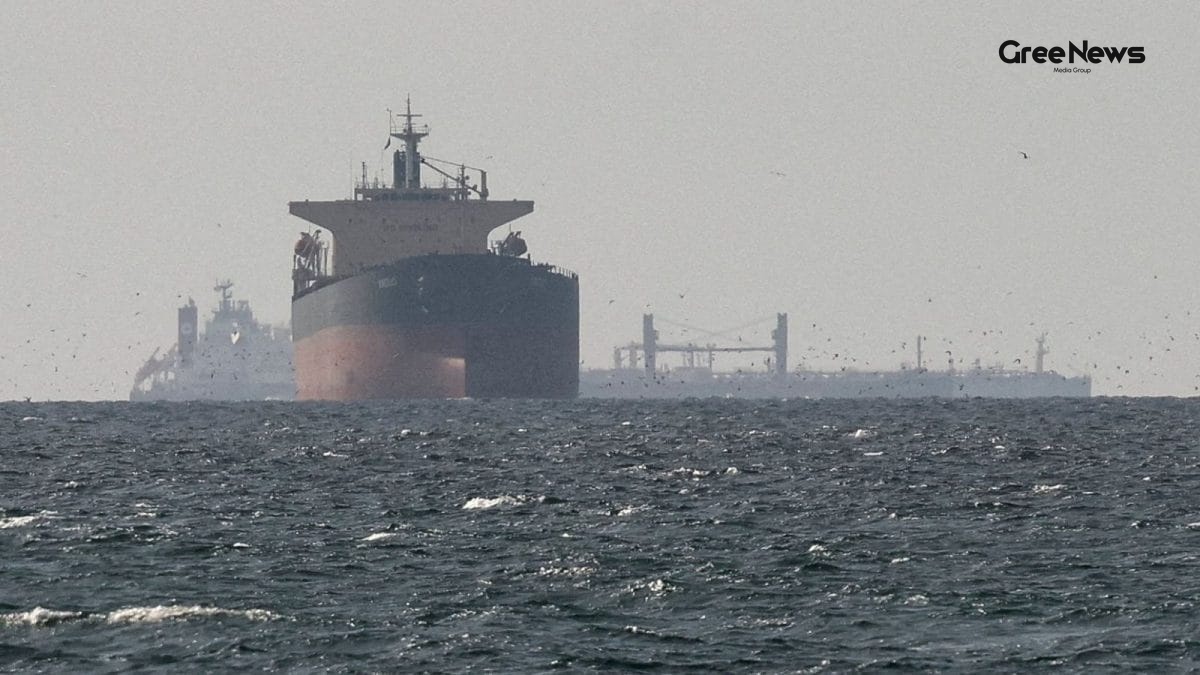
In most cases, about a fifth of the world’s oil and the same share of LNG squeeze through that 40‑kilometre stretch daily. When any hint of trouble shows up, traders start shouting, markets wobble, and we Indians, who rely heavily on imported oil, feel the ripple instantly. So when Tehran announced that the passage would stay “completely open” for the duration of the Lebanese cease‑fire, I felt a mix of relief and curiosity especially because the whole episode felt like a real‑life thriller.
How the US‑Israel attacks first shook the strait
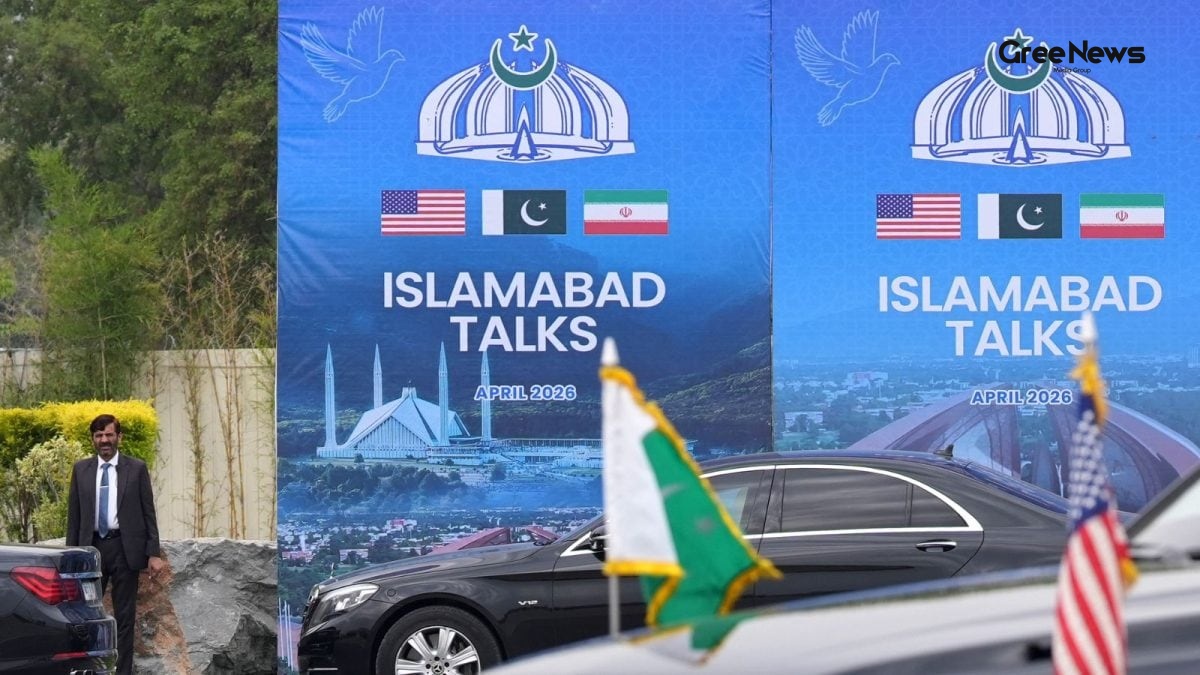
It all began with a series of air raids by the US and Israel on Iranian targets. I remember watching the news coverage that showed jets roaring over Iranian airspace while commentators kept saying this could spill over into the maritime domain. The tension built up so fast that, within hours, Iranian state media started broadcasting warnings about possible closures of the Hormuz passage.
What caught people's attention was the speed at which the narrative moved from “just a warning” to actual military moves. Iranian Revolutionary Guard vessels were spotted near the strait, and the next day, a few merchant ships reported being approached by fast‑moving boats. It felt like a scene straight out of a movie but sadly, it was very much real life, and the world’s attention turned to the strait as a new front in the escalating conflict.
In the past, the Hormuz corridor has witnessed flares of hostility, but physical blockades were rare. This time, the potential for a full‑scale closure seemed more probable, and that scared many of us who follow trending news India because oil price spikes were already making headlines.
Iran’s announcement the tweet that turned viral
Amid the lull that followed the initial strikes, Tehran’s Foreign Minister Abbas Araghchi posted a statement on platform X. He said that, in line with the cease‑fire in Lebanon, the passage for all commercial vessels would be “completely open” for the remaining period of the truce, but only on the coordinated route already announced by the Ports and Maritime Organisation of the Islamic Republic of Iran.
When I read that, the first thing that popped into my mind was how strangely practical it sounded keep the route open, but under strict coordination. It reminded me of how our local traffic police sometimes allow a special lane for buses during rush hour. The difference here, of course, is that the lane is a million‑dollar stretch of sea that carries a chunk of the world’s oil.
What made the story even more interesting was the reaction from the former US President, who took to his own platform Truth Social and simply wrote: “Iran has just announced that the strait is fully open and ready for full passage. Thank you!” That tweet quickly went viral, gathering thousands of likes and comments, and turned into one of those breaking news moments that splash across every Indian news portal.
Timeline of the 2026 conflict how Iran used Hormuz to build pressure
Let me try to lay out the sequence of events as I remembered them from following the story day by day. The conflict started with a sudden flare‑up; hostilities erupted, and Iran responded with retaliatory strikes on shipping ships that were suspected of aiding the US‑Israel offensive.
- Early hostilities: Iran began firing missiles and deploying drones at vessels it claimed were part of the enemy supply chain. I saw videos of smoke plumes over the water a stark reminder of how quickly things can turn deadly.
- Official closure: Within a day, Iran announced a full closure of the strait. The news ran on every channel, and many shipping companies started rerouting their cargoes, which caused a massive spike in freight rates.
- Selectivity: Interestingly, Iran let a few Chinese‑owned tankers pass while keeping Western‑linked ships at bay. This selective allowance gave the impression that Tehran was trying to send a message to the global powers while still maintaining some revenue flow.
- Strict prohibition: A few weeks later, a clear order came down forbidding any vessel from the US, Israel, or their allies from entering the waterway effectively a naval blockade.
- Cease‑fire and “pay‑to‑pass”: When a two‑week cease‑fire was negotiated, Iran introduced a “pay‑to‑pass” system, demanding up to a million dollars per ship. I could hear this in the business news, and it looked like a clever way to raise funds while still showing some leverage.
- US naval response: After the peace talks fell apart, the US ordered a naval operation to clear mines and protect non‑Iranian traffic. The images of warships cruising the Gulf were everywhere, adding to the tension.
- Final opening: Finally, during a truce in Lebanon, Iran declared the strait “completely open” for commercial vessels. This announcement, posted on social media, seemed to signal a move towards de‑escalation, at least on the maritime front.
What surprised many and what kept the story as one of the most watched viral news pieces was how quickly the situation swung from a full‑blown blockade to an open corridor, all within a matter of weeks.
Historical flashbacks past disruptions in Hormuz
If you ask any historian, they’ll tell you that Hormuz has always been a hotspot. I love reading old history books, and a few facts kept popping up while I was researching for this article. Here’s a quick rundown that gives some context to why the current crisis felt so intense:
- 1507‑1622: Portugal controlled the strait and imposed a “cartaza” (toll) system for about a century before being ousted by a joint English‑Persian alliance.
- 1951: The British Royal Navy blockaded the port of Abadan to pressure Iran over the nationalisation of oil, effectively choking the strait’s access.
- 1984‑1988 (The Tanker War): During the Iran‑Iraq war, both sides targeted oil tankers. The US launched Operation Praying Mantis in 1988 to cripple the Iranian navy and guarantee safe passage.
- 2011‑2012: Iran threatened to close the strait in response to EU oil embargoes, prompting US carrier deployments. The threat never materialised, but it showed how the chokepoint can be used as a bargaining chip.
- 2015‑2024: Frequent harassment and seizures of tankers, such as the Maersk Tigris in 2015 and Stena Impero in 2019, occurred as part of sanctions enforcement.
- June 2025: After Israeli strikes on Iranian nuclear sites, Iran’s parliament voted to close the strait, but a quick cease‑fire prevented an actual blockade.
These episodes, when you read about them on India updates portals, make it clear that the Hormuz waterway has long been a lever of power, not just a geographic strait.
Why the Strait of Hormuz is a big deal for India
We Indians are heavily dependent on imported crude. Roughly 20‑25% of the world’s oil passes through Hormuz, and a sudden closure could push global crude prices up by several dollars per barrel a direct hit to the Indian economy. When the traffic dropped to less than five ships a day during the peak of the crisis, it sent shockwaves through the stock market and the fuel prices at the pump.
Even though Saudi Arabia and the UAE can bypass the strait using pipelines, their combined capacity of about nine million barrels per day still covers less than half of the usual Hormuz volume. So any prolonged restriction forces the world’s biggest oil‑importing nations, India included, to scramble for alternative routes often at higher costs.
On a personal level, I could feel the impact when my uncle, who runs a logistics firm in Mumbai, called me late at night saying the freight charges had jumped and the insurance premiums for tanker voyages were through the roof. That’s the kind of on‑ground story that makes breaking news feel very immediate.
Key FAQs quick answers for anyone scrolling through the feed
Why is the Strait of Hormuz so important?
Because it carries about a fifth of the world’s oil supply. Any disruption, whether due to conflict or political pressure, directly impacts global fuel prices, trade balances, and the cost of everyday goods especially for countries like India that import a large share of their energy needs.
How did the recent US‑Israel‑Iran conflict affect the passage?
The conflict led Iran to initially restrict and then partially close the strait, causing a sharp contraction in oil flows. Shipping and insurance risks skyrocketed, and the market reacted with price surges that made headlines across the country as viral news.
What changed when Iran announced the strait was “completely open”?
After the announcement, oil traders saw a quick dip in prices roughly ten percent as fears of a prolonged supply squeeze eased. The move also signalled a possible de‑escalation, though analysts warned that tensions could flare again if the cease‑fire falters.
What does this mean for Indian businesses?
For exporters and importers, a fully open Hormuz means more predictable freight rates and reduced insurance costs. It also means that the Indian government can avoid emergency measures like fuel rationing that were once considered during past oil shocks.
My take‑away why we should keep an eye on this story
Watching the whole saga unfold felt like being part of a live drama. From the initial air strikes to the diplomatic tweets, each step added another layer of intrigue. For anyone who follows the latest news India, especially the pieces that become trending news India, this episode shows how a single maritime corridor can become a lever in global politics.
In most cases, the story will fade once the oil prices stabilise, but the lesson remains: strategic chokepoints like Hormuz can tilt the balance of power, affect our daily expenses, and become a focal point of international negotiations. So the next time you see a headline about a “viral news” story involving oil or the Middle East, remember the real‑world impact it can have on your next fuel stop or the cost of a cup of chai.
For now, we’ll keep watching the updates, and hope the waterway stays calm because a peaceful strait means smoother sailing for all of us, from the tanker crew to the everyday commuter in Delhi.