Donald Trump says the Strait of Hormuz "completely open and ready for business" but keeps blockade until Iran deal finalised
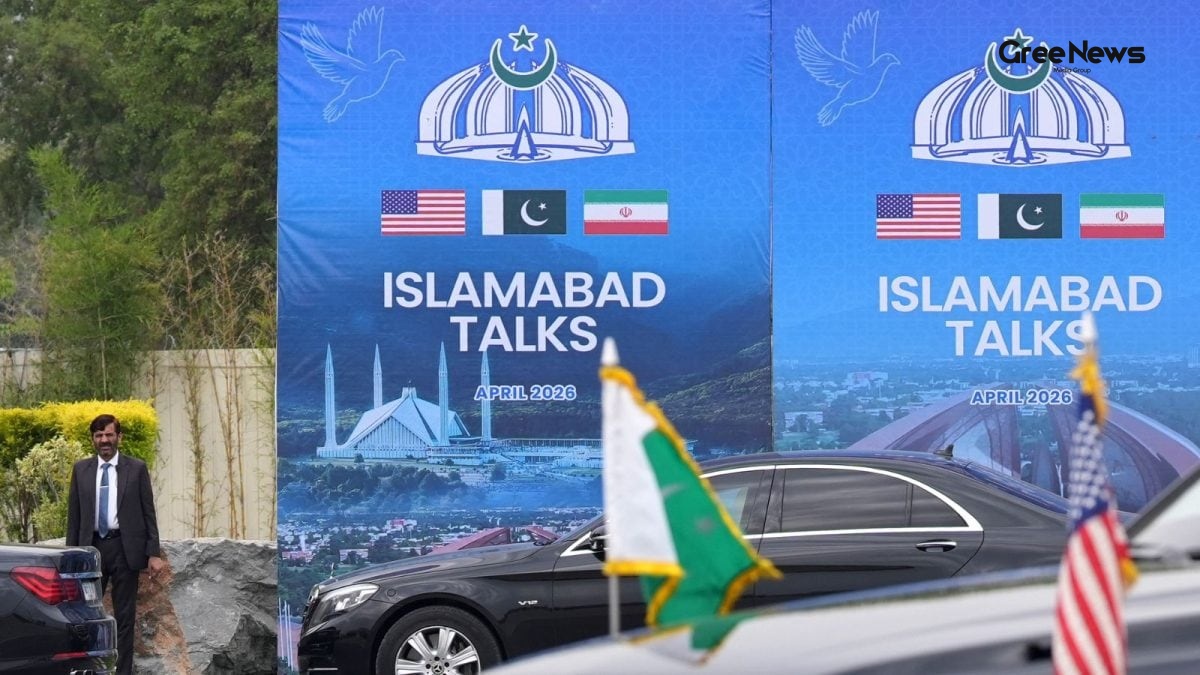
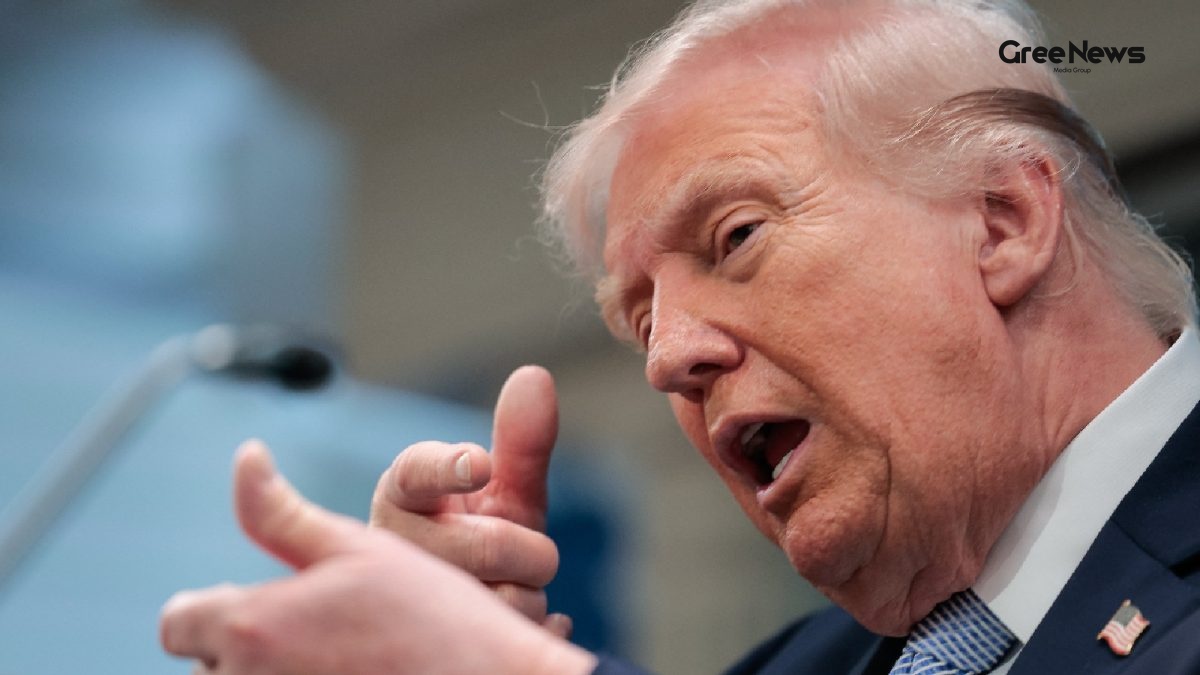
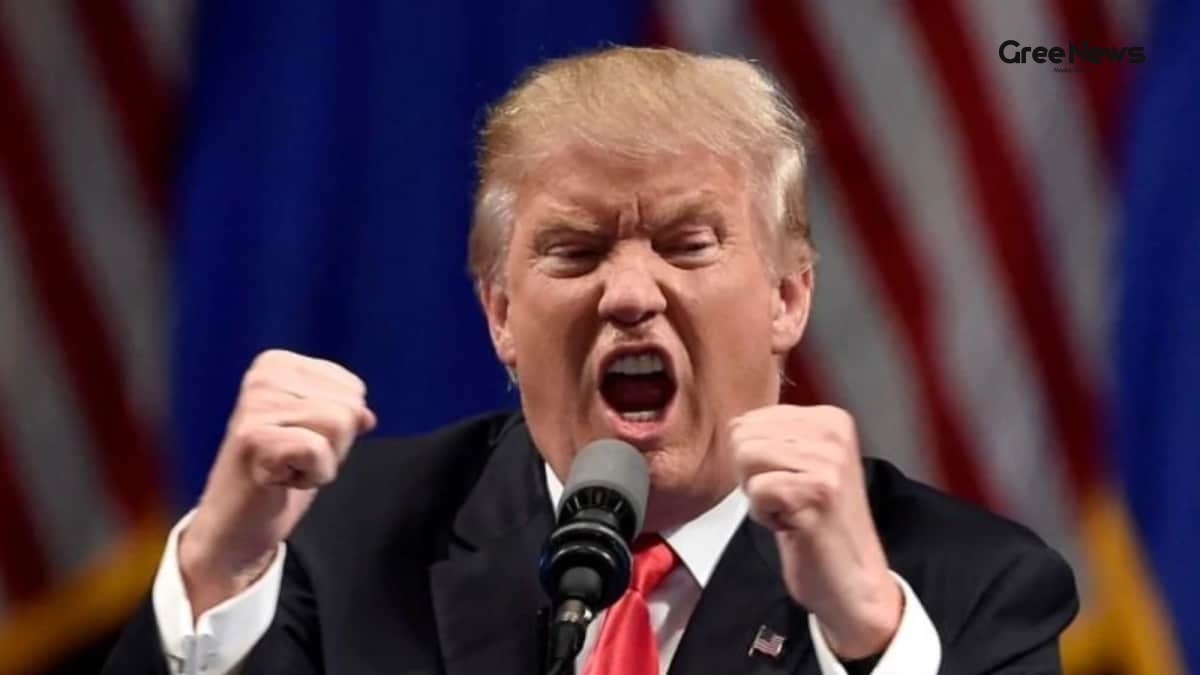
So, the other day I was scrolling through my phone, catching up on the latest news India feeds, when I saw a post that instantly grabbed my attention. Former United States President Donald Trump had just taken to his own platform, Truth Social, and wrote in big, bold letters that the Strait of Hormuz is "completely open and ready for business and full passage." At the same time, Donald Trump added a serious note: the naval blockade that has been aimed at Iran will stay in force until a full-fledged peace deal with Tehran is 100% complete. You could feel the tension in the headline itself it was the kind of breaking news that makes you sit up straight, wondering what the ripple effects might be for everything from oil prices at the pump to the cost of importing goods into India.
What made it even more intriguing was Donald Trump’s confidence about the speed of the negotiations. According to the post, Donald Trump said the process "should go very quickly" and claimed that "most of the points are already negotiated." No specific framework was outlined, but the certainty in Donald Trump’s tone hinted at behind‑the‑scenes work that ordinary observers might not see. I remember chatting with a friend from Mumbai who works in the shipping industry, and he instantly said this could be a game‑changer for the shipping lanes that pass close to our shores. He said the news felt like a mix of optimism and caution optimism because the waterway is open, caution because the blockade could still impact freight rates.
Why the Strait of Hormuz matters to us in India
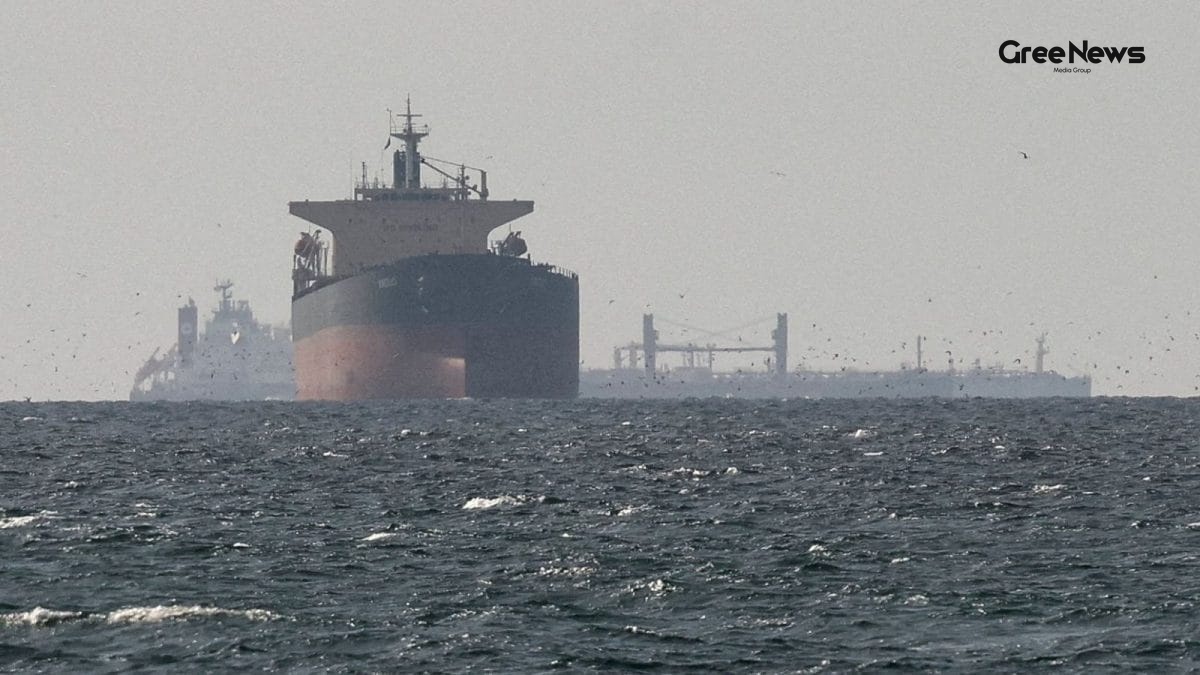
Let's take a step back and think about why this tiny stretch of water matters so much to the everyday Indian. The Strait of Hormuz, nestled between the Arabian Peninsula and Iran, is a choke point that handles a huge chunk of the world’s crude oil and natural gas shipments. When you look at the global oil supply chain, a blockage there can cause a domino effect price spikes, higher transportation costs, and eventually, more expensive diesel and petrol at Indian fuel stations.
Imagine you’re ordering a batch of spices from the Gulf for your family kitchen. A sudden bump in freight charges could push the final bill higher, and that’s precisely why a change in the status of the Strait does not stay confined to the Middle East. The tiny ripple becomes a big wave for the Indian economy. That’s why this story quickly turned into trending news India on social media platforms, with users sharing memes, analysis, and, yes, that typical Indian uncertainty about what will happen to our own wallets.
Donald Trump’s post: the exact words and the tone
Following that, Donald Trump went on to say that the process "should go very quickly," and that "most of the points are already negotiated." No further details were disclosed no mention of a specific date, no name of a broker, nothing. It reminded me of the way Indian politicians sometimes announce a policy, then leave the finer points to the bureaucracy. The curiosity hook here is simple: what exactly has been negotiated, and why does Donald Trump seem so sure about the speed? The answer, of course, remains hidden behind diplomatic curtains, but the speculation itself became a piece of viral news as people began to fill the gaps with their own theories.
Iran’s response commercial passage reopened
While Donald Trump was talking about the blockade, Iran’s Foreign Minister Seyed Abbas Araghchi had already made an announcement of his own. Seyed Abbas Araghchi said that commercial passage through the Strait of Hormuz had been reopened for the duration of the Lebanon cease‑fire. He described this move as part of coordinated maritime arrangements announced by Iran’s Ports and Maritime Organisation.
For me, the two statements together felt like a tug‑of‑war that was being played out on a global stage. Donald Trump’s “blockade will stay” seemed to clash with Seyed Abbas Araghchi’s assurance that commerce could resume. The reality, however, might be more nuanced a partial opening for commercial ships while military vessels could still be subject to restrictions. This is the kind of subtlety that often gets lost in the rush of headlines, and it explains why the story kept popping up in my news feed under India updates for several hours, prompting me to dig deeper into the exact wording used by both sides.
Context: the Israel‑Lebanon cease‑fire and Donald Trump’s call to Hezbollah
All of this unfolded shortly after Donald Trump announced a ten‑day cease‑fire between Israel and Lebanon. The announcement was meant to reduce the cross‑border hostilities that have flared up over the years. In a later Truth Social post, Donald Trump urged restraint from Hezbollah, saying: "I hope Hezbollah acts nicely and well during this important period of time."
Seeing those two pieces of information side by side the cease‑fire and the statement about the Strait made me think of how interconnected geopolitics can be. The cease‑fire was an attempt to calm a volatile situation, while the naval blockade was a separate lever that could be used to pressure Iran into a broader aGreement. The fact that these developments were happening simultaneously added an extra layer of urgency, turning the whole episode into a perfect storm of breaking news that India’s business community and ordinary citizens alike could not ignore.
What does a naval blockade actually mean?
When Donald Trump said the blockade will remain "in full force and effect" for Iran, what does that look like on the water? A naval blockade typically involves warships patrolling a specific maritime corridor, preventing certain vessels from passing through without clearance. In this case, the focus is on Iranian ships or those trying to transport Iranian oil. The aim is to put economic pressure on Tehran, encouraging it to move toward a diplomatic settlement.
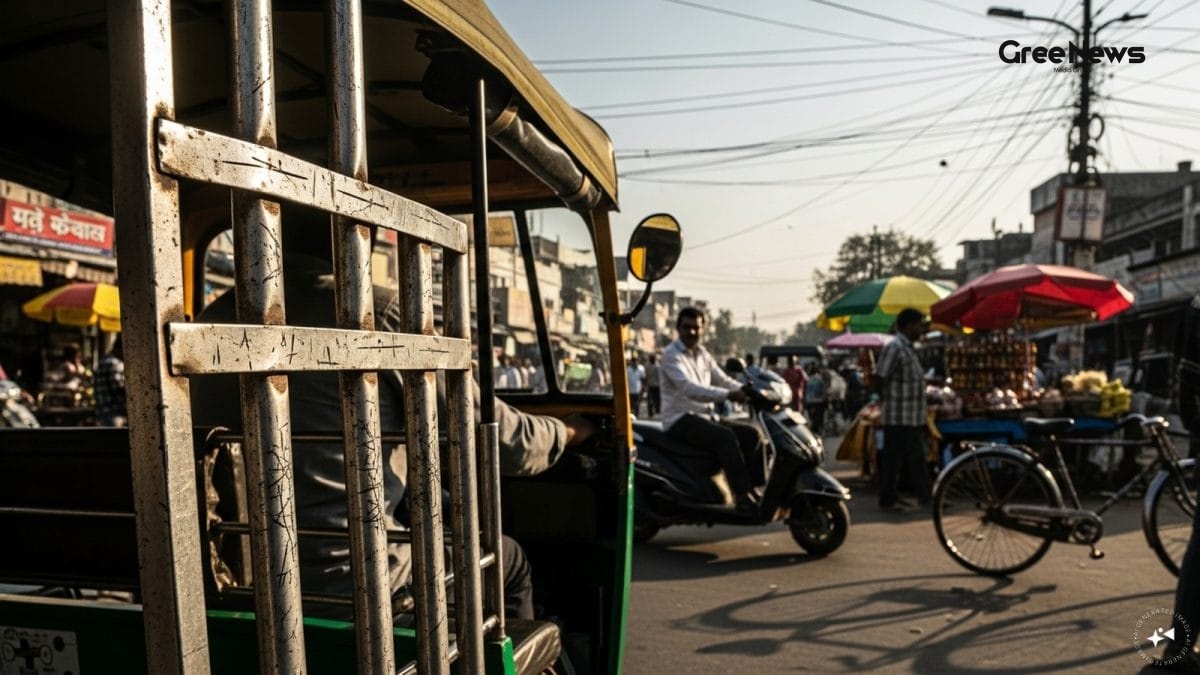
For the average Indian, the immediate impact might be subtle. However, the indirect effects can be significant: global oil prices can jump, which then reflects on the price of gasoline at fuel stations across Delhi, Kolkata, Bengaluru, and other cities. In my own experience, whenever there's a spike in crude oil, I notice the price of diesel for my father's auto-rickshaw goes up, and that translates into higher transport costs for everything from fruits to garments. The ripple effect is real, and that’s why a story about a blockade that seems far away can quickly become a topic of viral news in Indian households.
Possible scenarios what might happen next?
Given the statements from Donald Trump and Seyed Abbas Araghchi, a few possibilities emerge. First, the commercial vessels may continue to use the Strait without hindrance while military and Iranian government ships could still face restrictions. Second, if a comprehensive peace deal with Iran is reached quickly as Donald Trump suggests the blockade could be lifted entirely, restoring full maritime freedom.
Another angle is the impact on the oil market. If investors believe the blockade will stay for a while, they might hedge their bets, causing futures prices to rise. That scenario could push Indian oil importers to seek alternative routes, perhaps via the Malacca Strait, which could increase shipping times and costs. The thoughts of a logistics manager I spoke with in Chennai reinforced this: "If the Strait of Hormuz stays partially blocked, we may have to reroute, which adds days and expenses."
Whatever the outcome, one thing is clear the situation will keep appearing in the latest news India cycles for days, if not weeks.
My personal take why I care
Honestly, I never thought I’d be so invested in a geopolitical tussle across continents. But living in a country where a sizeable chunk of our energy needs is imported, I can’t ignore the fact that a single waterway can sway the price of the fuel that powers my daily commute. The whole thing reminded me of the time when the Gulf oil crisis of the 1990s hit India hard fuel queues, black‑outs, and a scramble for alternative energy sources. Back then, a news broadcast would simply say "oil crisis," but now, with social media, the narrative is richer and more immediate.
Seeing Donald Trump’s confident remarks, combined with Seyed Abbas Araghchi’s reassurance, made me wonder: will the world see a smoother path to peace, or will the blockade linger and keep oil markets jittery? It feels like a cliff‑hanger that many of us are watching closely, especially as we discuss the news over chai with friends and family. And that, my dear reader, is why this story turned into the kind of trending news India that stays on my mind long after the headline fades.
Conclusion keep an eye on the developments
In a nutshell, former United States President Donald Trump announced that the Strait of Hormuz is fully open for commercial traffic, yet the naval blockade aimed at Iran will stay until a complete peace deal is signed. Donald Trump believes the negotiation process will be swift because most points have already been hashed out. At the same time, Iran’s Foreign Minister Seyed Abbas Araghchi declared that commercial passage has been reopened for the Lebanon cease‑fire, describing it as a coordinated move by Iran’s Ports and Maritime Organisation. The developments follow Donald Trump’s earlier declaration of a ten‑day Israel‑Lebanon cease‑fire and a call for Hezbollah to act responsibly.
For Indian readers, the story is more than just a diplomatic footnote; it has direct implications for oil prices, shipping costs, and ultimately, the price at the pump. As the situation unfolds, it will continue to dominate latest news India platforms, fuel debates on social media, and shape the next round of India updates. Stay tuned, because what happens next could shape the economic landscape we all live in.