What happened? My take on the sudden strike on the Kuwait National Guard site
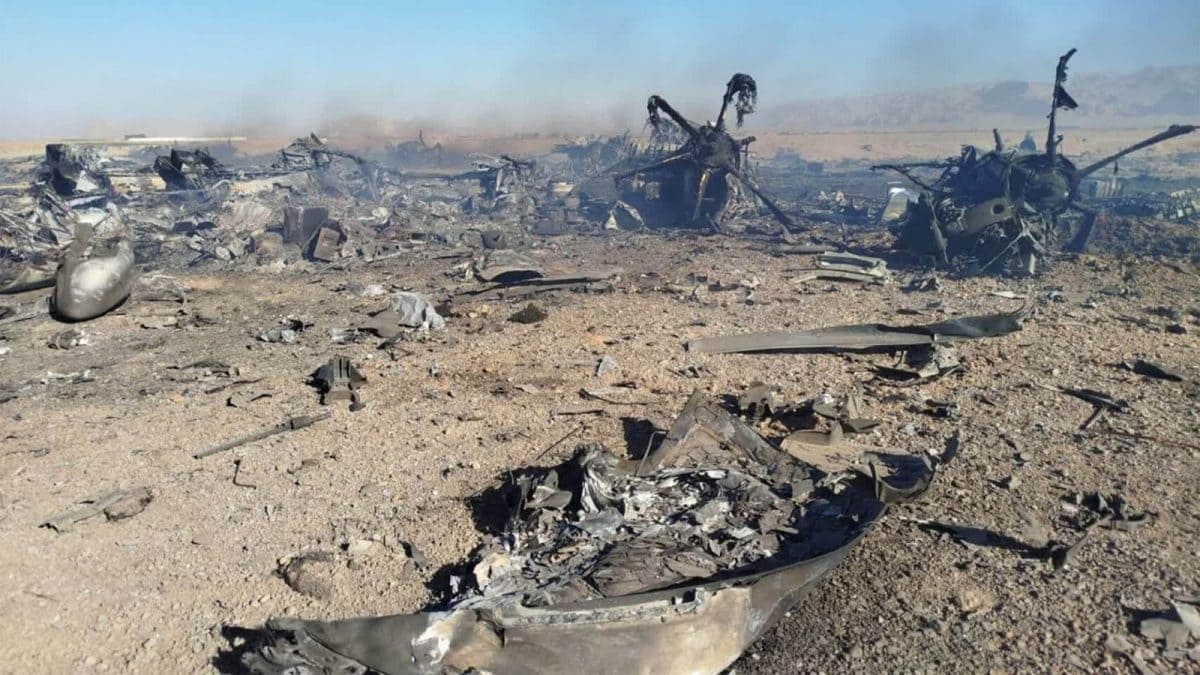
Honestly, I was sipping my chai on a lazy Sunday when the news broke about a drone hitting a Kuwait National Guard site. It felt like the situation in the Middle East just got a fresh jolt. The first thing I heard on the radio was that the strike had damaged the site, and right away, the commentary started talking about how this could shake the peace talks that the United States and Iran have been trying to push through.
From what I gathered, the strike wasn’t just a random act; it came right before the United States‑Iran peace talks that were supposed to happen. In most cases, when such a thing happens, it sends a message that the fragile calm can be broken at any moment.
It’s crazy because the Kuwait National Guard is not exactly a frontline player in the United States‑Israel‑Iran drama. Yet, the damage to its site has become a big‑talk point, especially for Kuwait, which has always tried to stay neutral while still keeping its borders safe.
Why the strike matters to the United States‑Iran cease‑fire talks
Let me break it down simply. The United States and Iran have been locked in a long‑standing rivalry, and any sign of escalation can quickly derail diplomatic efforts. When the attack on the Kuwait National Guard site was reported, Kuwait officials said it undermined recent cease‑fire attempts between the United States and Iran.
In my view, these words are not just political jargon. They reflect a real fear that every new violent incident creates distrust. The United States, which has been pushing for a truce, sees this as a setback. Iran, on the other hand, might claim the strike was unrelated, but the timing is too suspicious to ignore.
Because the United States‑Iran negotiations are already fragile, a single drone strike can tip the scale. If both sides start pointing fingers, the whole idea of a peaceful resolution could be tossed out like a used matchbox.
How Israel fits into this picture
Now, if you ask me, why is Israel mentioned in this story? The answer is that Israel is a key player in the broader United States‑Israel‑Iran war. Even though the drone hit a Kuwaiti site, the ripple effect touches Israel as well.
Israel has been keeping a close watch on any moves that could threaten its security, especially when Iran is involved. A strike like this, even if it does not directly target Israeli interests, sends a signal that the region is still volatile. Israel’s own defence forces are always on high alert, and any escalation between the United States and Iran makes them nervous too.
From what I have heard in local discussions, many people in Delhi are worried that the whole scenario could spill over, affecting not just the Middle East but also trade routes that pass near the Indian Ocean. A disruption in the Gulf could lead to higher oil prices, and that is something every Indian household feels in the form of a higher petrol bill.
What the Kuwait side is saying
Kuwait’s statement was pretty clear: the attacks have undermined recent cease‑fire efforts between the United States and Iran. The officials there emphasized that the Kuwait National Guard site is crucial for the country’s internal security, and any damage to it can have serious repercussions.
In my conversation with a friend who works in a diplomatic circle, he mentioned that Kuwait has always tried to play the role of a peacemaker, offering its land as a neutral ground for talks. This attack not only hits a physical target but also a symbolic one – the idea that Kuwait can host peaceful negotiations without being dragged into the conflict.
People in Kuwait, just like in many other Gulf states, are concerned that their already delicate balance could be upset. The fear is that if the United States‑Iran talks collapse, the whole Gulf could see a surge in tensions, which would affect daily life, from school timings to market prices.
My personal observations on the ground reality
Having lived in Mumbai for most of my life, I often watch the news more closely than many of my friends because I know how much the world’s oil market can affect our own economy. When I saw the video of the damaged Kuwait National Guard site, I felt a strange mix of empathy and anxiety.
Empathy because a place that is supposed to keep people safe was hit – that’s heartbreaking no matter where you are. Anxiety because I know the chain reaction: a damaged site could mean increased security checks, more military presence, and perhaps even a shift in the way the United States and Iran negotiate.
And let’s be honest, we Indians love a good peace story. The idea that the United States and Iran might finally sit down and talk without fireworks is something we all hope for. But this drone strike feels like a reminder that old habits die hard.
Every time a new incident pops up, I can hear my aunt in Delhi saying, “If the big powers cannot keep peace, what hope do we have for smaller countries?” It’s not just a political question; it’s a personal one.
Potential scenarios moving forward
There are a few paths this could take, and I’ll try to keep it simple:
- Scenario one – diplomatic reset: The United States and Iran decide to ignore the strike, call it an isolated incident, and push ahead with talks. This would require both sides to show some goodwill, maybe through a small gesture like a humanitarian aid drop.
- Scenario two – escalation: The drone strike leads to accusations, retaliatory moves, and a breakdown of the cease‑fire. In that case, the United States‑Israel‑Iran war could flare up again, pulling more regional players in.
- Scenario three – regional mediation: Countries like Kuwait, Qatar, and Oman step up to mediate, offering their own territories for safe discussions. This would be a big win for the idea of Gulf states as peace brokers.
From where I sit, I think scenario one feels like a wishful hope, but not impossible. The United States has a lot to gain from a stable Middle East – lower oil prices, safer shipping lanes. Iran, too, wants to lift sanctions and improve its economy.
If we end up in scenario two, the consequences could be heavy for the Indian subcontinent. Higher oil prices mean more expensive diesel for buses, higher electricity bills, and a bigger strain on our balance of payments.
Scenario three would be ideal because it shows that smaller nations can have a say. It’s like when a local community in Goa decides to resolve a dispute among fishermen without involving the police – you get a solution that works for everyone.
How ordinary people across the world are reacting
On social media, I saw a mix of anger, fear, and hope. Some users posted pictures of their own national guards, saying “We stand with you.” Others wrote sarcastic comments about “another drone, another headline,” showing how jaded many have become.
In India, many tweets used the hashtag #PeaceInMiddleEast, and a few influencers tried to explain the situation in simple terms – “Think of two neighbours fighting over a wall; now imagine a third neighbour’s house gets damaged. Who fixes it?” It’s a simple analogy, but it went a long way in helping people understand why the strike matters.
Even my neighbour in Chennai, who barely follows international news, asked me why the United States is involved at all. I explained that the United States has troops and bases in the region, and its relationship with Iran goes back decades, involving everything from oil to geopolitics.
Closing thoughts – can peace still be a reality?
All said and done, I keep thinking about how a single drone can upset so many plans. It reminds me of the old Indian saying, “Ek chhoti si baat se baaghad ho sakta hai.” A tiny incident can cause a big mess.
Yet, I also believe in the power of dialogue. If the United States and Iran can look past this strike and keep talking, maybe we will see a real cease‑fire. That would be a win not just for them, but for everyone whose lives are indirectly touched – from a shopkeeper in Mumbai buying diesel to a farmer in Rajasthan counting on cheaper fertilizer that depends on oil prices.
For now, I’ll keep my eyes on the news, my chai ready, and hope that the next update brings a step toward peace rather than another clash.