Govt is stepping up efforts to boost production and adoption of compressed biogas in response to tightening global LNG supplies.
Honestly, when I first heard the term "compressed biogas" I thought it was some fancy new gadget, but it’s actually just biogas that’s been pressed into cylinders so it can travel like LPG. The Centre is now trying to make it a regular part of our daily lives, especially because the world’s LNG market has become a bit unpredictable.
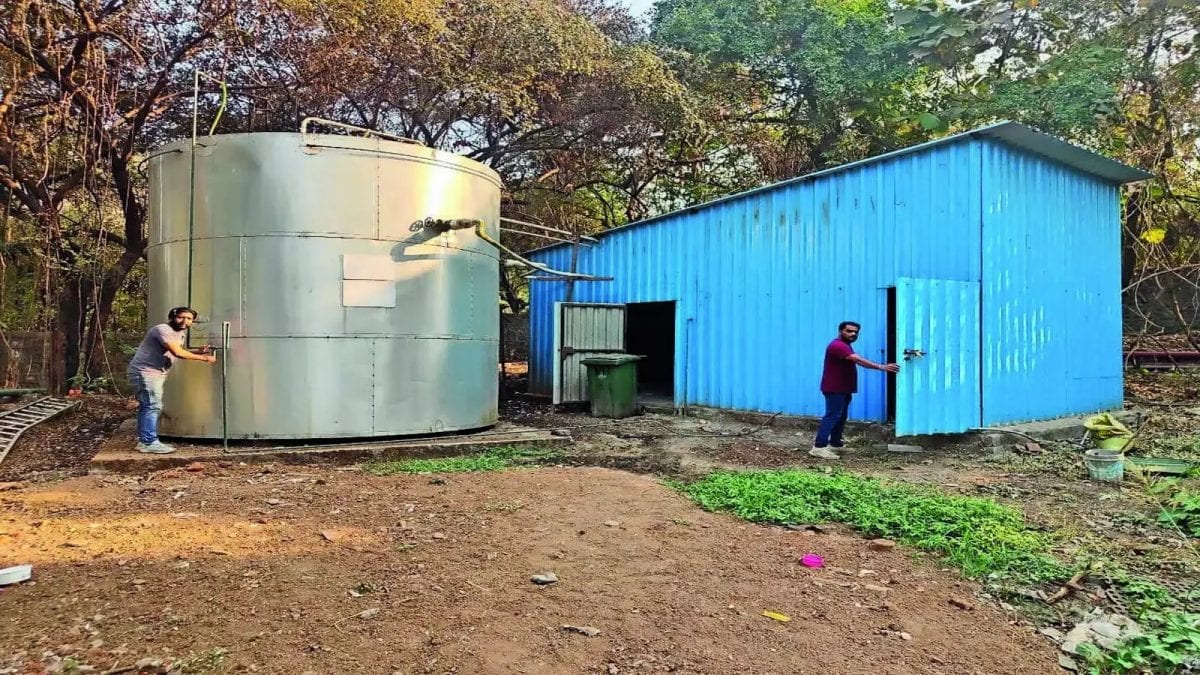
Think of it this way – in many Indian villages, we already see small biogas plants attached to cattle sheds. The gas they produce is used for cooking at home. Now imagine that same gas being cleaned, compressed and fed into the city gas pipelines that supply apartments in Mumbai or Delhi. That is basically what the government is aiming for.
What was said at the Energy Security conference
At a recent conference called Energy Security: Driving India’s Next Wave of Gas Demand, organised by the Petroleum and Natural Gas Regulatory Board (PNGRB) and Indraprastha Gas Ltd (IGL), petroleum secretary Neeraj Mittan took the stage and laid out the plan. Neeraj Mittan said the prime minister has asked the administration to dramatically scale up the compressed biogas programme.
Right now, the programme is scattered across five different departments – each handling a tiny piece of the puzzle like production, distribution, subsidies, quality control, and so on. Neeraj Mittan said the government is actively working to bring all those pieces together into one solid, easy‑to‑follow framework.
Neeraj Mittan also compared the upcoming CBG roadmap to the ethanol story that many of us in India know well. Remember how ethanol blending in petrol became a smooth, well‑co‑ordinated venture? The idea is to copy that success, but for CBG, so that it can be blended with natural gas in the city gas distribution (CGD) network without any hiccups.
Policy push on biogas
The petroleum ministry kicked off the SATAT scheme back in 2018. SATAT stands for Sustainable Alternative Towards Affordable Transportation, and its goal was to build an ecosystem where compressed biogas could be produced from waste and biomass. The scheme also promised to push CBG alongside natural gas for transport and domestic use.
Later, in 2021, the renewable energy ministry launched the National Biogas Programme. This programme focused on setting up plants that could provide clean cooking fuel, lighting and even small‑scale power for rural households. My neighbour’s family, for example, installed a tiny biogas digester that now fuels their kitchen stove – no more reliance on firewood.
What’s exciting now is that the Centre wants to merge the strengths of SATAT and the National Biogas Programme. By doing so, the government hopes to create a seamless supply chain – from collecting agricultural residue in Punjab to turning it into compressed biogas cylinders that end up in a baker’s oven in Kolkata.
Why LNG disruptions matter
The renewed focus on CBG can’t be separated from the recent turbulence in the LNG market. After the attacks on Ras Laffan Industrial City – which is a major LNG hub in Qatar – about 45 percent of India’s LNG imports from Qatar have been affected.
India usually imports close to 27 million tonnes of LNG in a typical financial year, costing around $14.9 billion. Roughly 40‑45 percent of that comes from Qatar and other West Asian neighbours such as the UAE and Oman. The United States and Australia also send LNG our way, but the bulk is still from the Gulf.
Even though India produces about 55 percent of its natural gas domestically, most of that domestic gas is earmarked for the city gas distribution network – think piped natural gas for homes and compressed natural gas for auto‑rickshaws. That leaves big sectors like fertiliser plants, steel mills and power stations heavily dependent on imported LNG. When the supply from Qatar got shaky, those industries felt the pressure.
Everyday impact of a CBG boost
Let’s bring this back to the level of a regular Indian household. Imagine your aunt in a suburb of Delhi, who usually cooks on a LPG cylinder that costs around ₹1,200 a month. If the compressed biogas programme expands, she could get a CBG cylinder for a fraction of that price, because the gas would be sourced from local agricultural waste instead of imported LNG.
For transport, think of the countless CNG‑run auto‑rickshaws on the streets of Kolkata. Right now, they run on natural gas that is either locally produced or imported. If CBG gets blended into the CGD network, the fuel for those rickshaws could become cheaper and more climate‑friendly. I’ve seen a driver in Bangalore brag about how his CNG bike runs smoother after a recent CBG blend – that’s the kind of anecdote that makes the policy feel real.
Even small businesses benefit. A tea stall in Pune that uses a biogas‑powered cooker can cut down on firewood usage, reduce indoor smoke and save on fuel costs. When the government talks about scaling up biogas plants, they’re actually talking about creating more such opportunities for street vendors, small factories and households across the country.
Union minister’s Qatar visit
While all this policy work is happening at home, Union petroleum and natural gas minister Hardeep Singh Puri is currently on a two‑day visit to Qatar. The Indian embassy said Hardeep Singh Puri was received in Doha by India’s ambassador to Qatar Vipul, along with officials from QatarEnergy.
The purpose of the trip is to discuss the ongoing LNG supply issues and explore ways to stabilise deliveries. Hardeep Singh Puri’s presence in Doha signals how seriously India is taking the need to diversify its gas sources while simultaneously pushing for home‑grown alternatives like CBG.
Back in India, the news of the minister’s visit has been a hot topic on morning chai talks. Many wonder whether the talks will lead to new contracts, but everyone aGrees that relying solely on imported LNG is a risky game.
What the road ahead looks like
Putting all these pieces together, the picture that emerges is one of a concerted effort to reduce India’s dependence on imported gas by turning waste into a useful fuel. The plan is to unify five different departments under one umbrella, make subsidies easier to claim, and create a clear roadmap for blending CBG with natural gas.
In practice, that could mean you’ll see more CBG filling stations popping up along highways, similar to the petrol‑pump model we’re used to. You might also notice city‑gas pipelines in some towns delivering a mix of natural gas and CBG – a blend that could cut down the cost of the gas bill for families.
On the industrial side, fertiliser manufacturers could switch from pricey LNG imports to a cheaper, locally sourced CBG blend, which would lower production costs and potentially bring down the price of fertilisers for farmers.
And for the average commuter, cheaper fuel could translate into lower fares for auto‑rickshaws and cheaper tickets for city buses that run on CNG. The ripple effect of a successful CBG programme could touch almost every corner of Indian life, from the kitchen to the factory floor.
Of course, challenges remain – the need for more biogas plants, the logistics of collecting biomass waste, and the technical aspects of compressing and transporting the gas safely. But if the government can pull off the policy consolidation that Neeraj Mittan described, it could solve many of those issues in one go.
As someone who grew up seeing the smoke from firewood in the courtyard, the idea of a cleaner, home‑grown fuel filling the city pipelines feels like a big win. It’s also a reminder that, sometimes, the best solutions come from using what we already have – in this case, agricultural residue and organic waste.
So, while the world watches the geopolitics of LNG, India is quietly working on a home‑grown answer. Whether you’re a farmer, a commuter, a small business owner or just a regular household, the push for compressed biogas could soon become a part of your everyday conversation – maybe even over a cup of chai.