Let me tell you what the Asian Development Bank says about India's growth in the next few years
So, the other day I was scrolling through the latest Asian Development Outlook that the Asian Development Bank put out in April 2026. I thought, hey, let’s see what they say about India – especially since we all keep hearing about the economy booming. Turns out, the numbers are a bit more nuanced than the usual headlines.
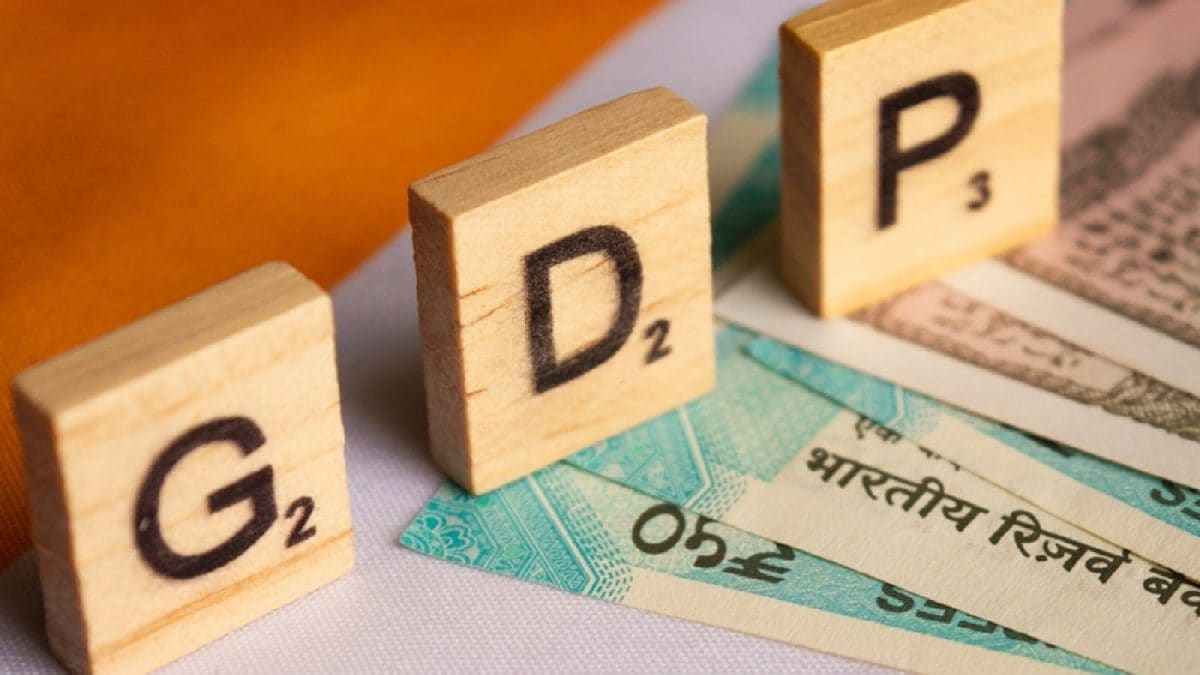
According to the Asian Development Bank, India’s economic growth is likely to moderate to 6.9% in 2026. That's a dip from the 7.6% we recorded the year before. But don’t worry – the report also says we could bounce back to 7.3% in 2027. So, it’s like a little slowdown before the party picks up again.
Now, why this slowdown? The Asian Development Bank points to a challenging external environment. In simple terms, what’s happening beyond our borders – geopolitical tensions, trade uncertainties, and the like – is expected to pull a little on the growth rope.
What’s happening in the rest of developing Asia and the Pacific?
India isn’t alone in this dance. Across developing Asia and the Pacific, the Asian Development Bank projects growth to ease to about 5.1% in both 2026 and 2027. That’s a slight dip from the 5.4% we saw last year. The reasons are pretty much the same – ongoing global tensions and a bit of trade uncertainty are making everybody a little cautious.
One major risk highlighted by the Asian Development Bank is the conflict that’s been going on in West Asia. If that situation drags on, we could see higher energy prices, tougher food costs, disrupted shipping routes and tighter financial conditions worldwide. Think about it – if oil prices stay high, it ripples through everything from diesel for trucks to the cost of cooking gas at home.
That said, the Asian Development Bank also notes that the region is starting from a place of relative strength. Domestic demand is still firm, labour markets remain stable and many governments are spending more on public infrastructure – all of which can act as a buffer against the external headwinds.
What does this mean for the everyday Indian?
Let’s bring this down to the level of chai stalls and metro rides. Even though the overall growth number might dip, the Asian Development Bank says domestic consumption in India is staying resilient. That’s the money we spend on groceries, mobile data packs, and the occasional weekend getaway.
Imagine you’re buying onions at your local market in Delhi. If global food prices rise because of disruptions in fertilizer supplies – which the Asian Development Bank flags as a possible cause for higher food inflation – you might notice a slight increase in the price of onions. But because Indian households keep buying, that demand helps keep the bigger picture stable.
Another everyday example: the price of diesel for buses and auto‑rickshaws could stay high if oil prices remain elevated. Yet, the government might step in with subsidies or targeted support for the most vulnerable families – something Albert Park, the chief economist at the Asian Development Bank, says is essential to keep inflation in check and protect growth.
Inflation outlook – what’s the numbers game?
The Asian Development Bank expects inflation across the region to rise to 3.6% in 2026 and then ease a little to 3.4% in 2027, up from 3.0% last year. A part of that rise is linked to higher energy costs and possible disruptions in fertilizer supplies, which could push global food prices up.
For an Indian household, that could translate to a few rupees more per kilogram of wheat or a slightly higher electricity bill during the summer months. It’s not a massive jump, but it’s enough for families to feel the pinch, especially those on a tight budget.
Albert Park emphasizes that governments need to keep macro‑economic policies sound and extend targeted support to vulnerable households. In practice, that could mean more direct cash transfers, food security schemes, or subsidies on essential commodities.
How are other big economies faring?
Aside from India, the Asian Development Bank also gave a peek at China. Growth there is expected to slow to 4.6% in 2026 and 4.5% in 2027, down from 5% last year. The slowdown is tied to stresses in the property sector and softer export demand – something we see on the news when housing projects stall and factories report lower orders.
When it comes to the Pacific economies, the slowdown looks a bit sharper. The Asian Development Bank projects growth in those economies to ease to 3.4% in 2026 and 3.2% in 2027. These are the island nations we often hear about in the context of climate change – their economies are delicate and can be hit hard by any global shock.
What about oil prices and geopolitical tensions?
The Asian Development Bank notes that oil prices may stay elevated in the near term. However, if geopolitical tensions ease – say, if the conflict in West Asia de‑escalates – we could see some stabilization in oil markets. That would be a relief for anyone who watches the petrol price board at the pump.
In my own experience, when oil prices jumped a few months back, the price of a litre of petrol went up by about 10 rupees. That added up quickly for daily commuters and delivery services alike. So any easing there would be a welcome break.
Summing it up – a balanced outlook
All in all, the Asian Development Bank’s outlook tells us that while India’s growth might cool a little in 2026, the underlying domestic demand and policy support give us reason to stay optimistic about a rebound in 2027. The external environment – global tensions, trade uncertainties, and oil price volatility – is the main drag, but it’s something that governments can manage with sound policies.
For the average Indian, this means you might see a few more rupees on your grocery bill or a slight rise in transport costs, but the overall economy is still on a forward trajectory. If the government keeps its promise of supporting the most vulnerable, the inflationary pressure can be kept in check.
So, next time you hear a headline screaming “growth slowdown”, remember there’s a bigger picture: a resilient domestic market, targeted policy actions, and a hopeful bounce back in the very near future. That’s the story the Asian Development Bank is painting, and it’s one we can all keep an eye on as we go about our daily lives.