From redness and dryness to vision loss, here’s how to tell the difference between minor eye irritation and serious eye conditions and when to seek medical help.
Honestly, I used to think that a little redness or a dry feeling in the eyes was just part of living in Indiawhether it was the dusty lanes of my neighbourhood, the smog from traffic, or the endless scrolling on my phone. But after a recent visit to an eye clinic, I learned that even the slightest discomfort can sometimes be the first whisper of a serious problem. This story is actually part of the latest news India that many of us overlook, and it’s something worth sharing because the numbers are quite eye‑opening.
India accounts for a significant share of the global burden of visual impairment. According to a nationally representative study published on PubMed, over 26% of individuals aged 50 and above in India experience visual impairment or related disorders. While minor eye discomfort is common in daily life, the normalisation of such symptoms underscores the need for greater awareness, enabling individuals to distinguish between routine irritation and serious conditions, and to understand when medical attention is necessary.
Even seemingly minor discomfort can be an early sign of a serious eye condition. The eye is a vital organ, often considered the window to the brain. Minor irritations are commonly experienced in everyday life, but early recognition and timely medical intervention are critical to preventing avoidable complications and ensuring better clinical outcomes.
My First Realisation When a Simple Itch Became a Warning
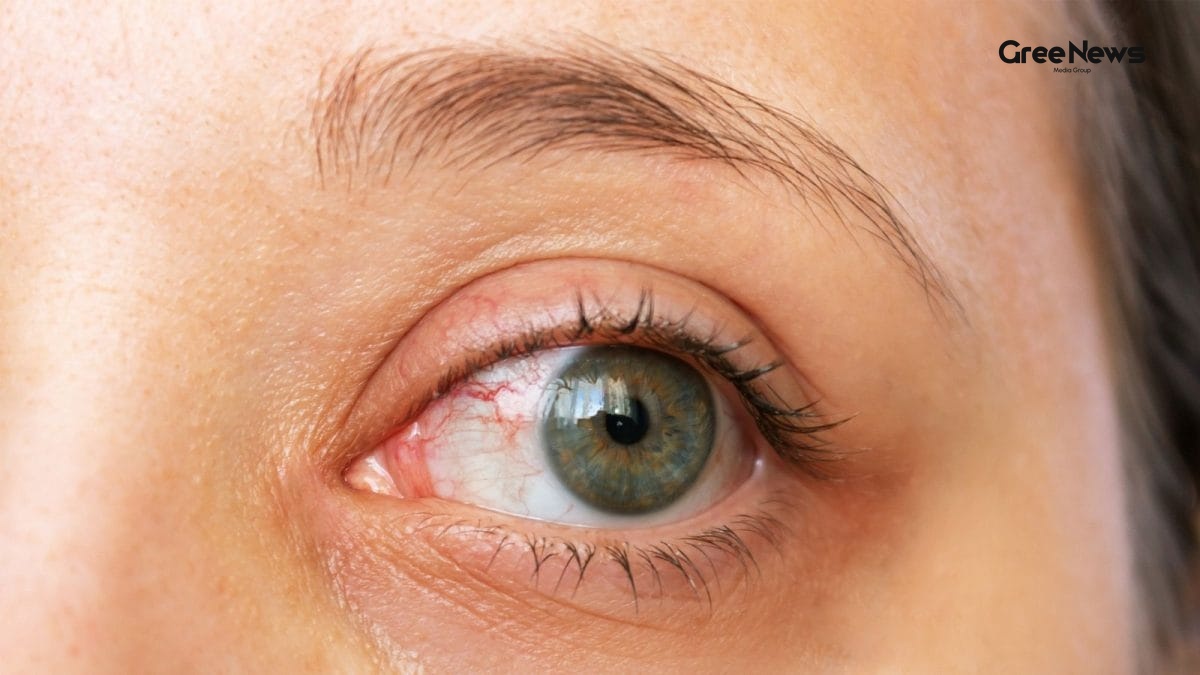
One rainy evening, after a long day of virtual meetings, I felt a gritty sensation in my right eye. I rubbed it a little, thought it was just dust, and went to sleep. The next morning, the redness was still there, and a faint discharge had appeared. I remembered reading a breaking news headline about an increase in eye infections across metro cities, and I wonderedwas this just a common irritation or something more?
That’s when I decided to book an appointment with Dr. Sarungbam Bobby, Ophthalmologist, Founder & Director, Wangkhei Eye Hospital. The doctor took the time to explain the difference between a minor eye irritation and a serious condition, and the conversation stuck with me ever since.
Minor Eye Irritation vs Serious Condition
According to Dr. Sarungbam Bobby, minor eye irritation is typically temporary and triggered by everyday factors such as dust exposure, environmental dryness, or prolonged screen use. It presents with mild symptoms like slight redness, itching, or fatigue, which generally resolve with rest and basic care.
In contrast, serious eye conditions tend to persist or progressively worsen, often accompanied by symptoms such as pain, vision disturbances, swelling, or abnormal discharge, signalling underlying issues that require prompt medical evaluation. Recognising this distinction is essential, as seemingly minor symptoms may escalate if neglected.
Warning Signs That Caught My Attention
During the consultation, Dr. Sarungbam Bobby highlighted a list of warning signs that should never be ignored. He mentioned that in today’s digital, indoor‑centric lifestyle, the widespread use of computer screens, mobile devices, and LED screens has made dry eye symptoms such as burning sensation, grittiness, watering, redness, photophobia, eye fatigue, and intermittent blurring, increasingly prevalent.
But the doctor also stressed that symptoms of more serious eye conditions, including sudden vision loss, severe pain, and headaches, are typically more distinct and require immediate attention.
Key symptoms to watch for:
- Severe eye pain: Persistent or intense pain may indicate infection, corneal damage, or increased intraocular pressure.
- Blurred vision: Sudden or worsening blurring can signal abnormalities affecting the cornea, lens, or retina.
- Light sensitivity (photophobia): Heightened sensitivity to light may be associated with inflammation or infection.
- Swelling: Puffiness around the eyes can reflect infection, allergic reactions, or inflammation.
- Irregular discharge: Unusual or excessive discharge may point to bacterial or viral infections.
At times, signs and symptoms develop gradually in mild forms and should never be neglected. Serious eye conditions such as glaucoma do not develop overnight but progress slowly. Many vision‑threatening diseases can be effectively treated if detected early. For instance, floaters may be a simple age‑related change, but they can also indicate a more serious condition like retinal detachment. Early detection can help prevent severe complications.
Therefore, any warning signal from the eyes should be taken seriously, and early consultation is essential to prevent potential complications. Always listen to your body’s whispers before it screams.
Taking Action at the Right Time My Learning Curve
After the check‑up, Dr. Sarungbam Bobby explained that serious eye conditions often develop gradually and may initially present as mild irritation or redness, making them easy to overlook. This underscores the importance of proactive assessment and professional consultation rather than self‑diagnosis.
In reality, most serious eye conditions do not present with dramatic symptoms at the onset. Given the sensitivity of the eyes to infections, injuries, and environmental stressors, timely medical consultation is essential instead of dismissing persistent discomfort.
Basic Practices to Protect Eye Health
- Take regular breaks during prolonged screen use
- Use high‑quality lenses or spectacles that offer protection from dust, UV rays, and excessive brightness
- Maintain proper hand hygiene before touching the eyes
- Incorporate eye relaxation techniques, such as gentle massage or cooling gel pads, to reduce strain
These practices are not merely optional habits but fundamental measures for maintaining eye health. Preventive care and early intervention are key, addressing minor symptoms promptly can help avert more serious complications.
While minor eye discomfort is common, informed awareness and timely action form the cornerstone of effective eye care.
Everyday Indian Scenarios Where Eye Care Becomes Crucial
Let me give you a few relatable situations that many of us face:
- Waiting for a local bus in Delhi’s morning fog, the dust settles on your face and you end up blinking constantly. If the irritation fades after a short rest, it’s likely just a minor issue. But if the redness sticks around for a day or two, it could be an early sign of an allergic reaction that needs a proper eye drop.
- Working from home in a small apartment, you might be glued to a laptop for 8‑10 hours straight. The 20‑20‑20 rule (look at something 20 feet away for 20 seconds every 20 minutes) can save you from dry eye and eye fatigue. Ignoring these breaks, however, often leads to that gritty feeling that Dr. Sarungbam Bobby describes as a warning sign.
- During the festive season, you might spend hours applying bright, glittery eye makeup. If after removing it you notice swelling or unusual discharge, it’s a cue to wash the area gently and possibly consult an ophthalmologistespecially because festive celebrations often see a spike in viral conjunctivitis, which trends heavily in breaking news India every winter.
These little habits may sound trivial, but they are part of the everyday fabric of India updates we all live with. By staying aware, you turn a simple routine into a protective shield for your eyes.
What I Took Away Simple Yet Powerful Takeaways
After my experience, here are the three things I never ignore now:
- Don’t dismiss persistent redness. If it lasts more than 48 hours, book an appointment.
- Watch for sudden vision changes. Even a slight blur that doesn’t clear after rest should be checked.
- Practice preventive habits daily. Simple steps like screen breaks and clean hands make a huge difference.
These steps have already helped me feel more confident about my eye health, and I’m sure they’ll help many others too. In a country where visual impairment touches more than a quarter of the senior population, spreading this knowledge can be part of the trending news India that actually makes a difference.