What started as routine training turned into a headline‑grabbing spectacle
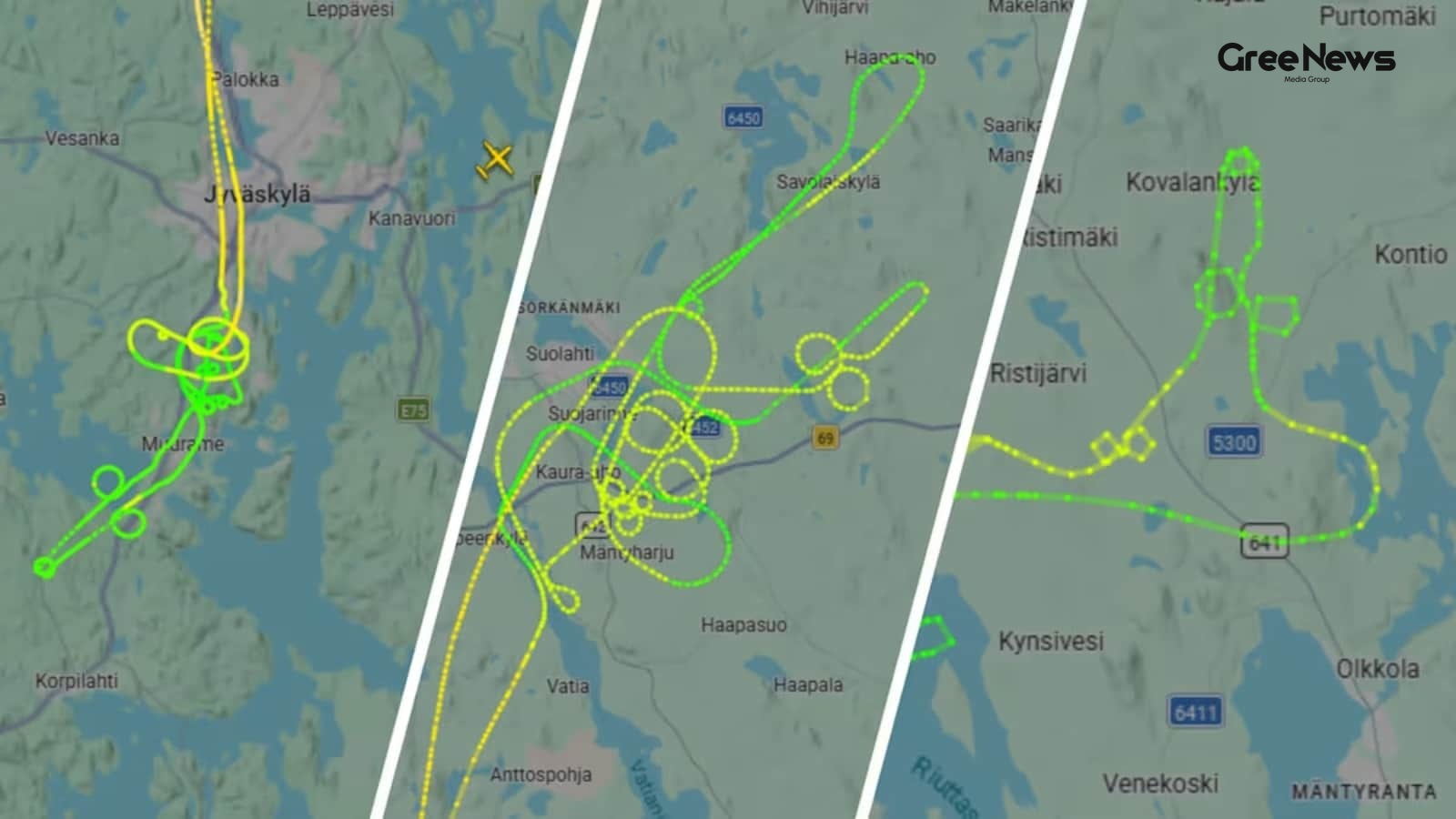
Honestly, I was just scrolling through the latest news India when I stumbled upon a story that made me stop and wonder, "What on earth were those pilots thinking?" It wasn’t about a missile launch or a political rally it was something far more unexpected. Cadet pilots from the Finnish Air Force reserve officer course had apparently plotted a shape that resembled a penis on a radar tracking map. And yes, the whole thing was caught by the popular Flightradar tracking service, which instantly turned the episode into breaking news.
The whole thing unfolded during what should have been a standard manoeuvre training session. A few light‑weight trainer jets lifted off from the aerodrome at Tikkakoski, a small town that sits close to the city of Jyväskylä in central Finland. Once airborne, the aircraft followed a series of turns and loops that, on the radar screen, looked unmistakably like a phallic symbol. At least four of the aircraft traced that shape before returning to the designated training zone.
Now, you might be thinking, “Is this some kind of prank?” In most cases, the answer is yes but the Finnish Air Force didn’t find it very funny. They confirmed to YLE, the Finnish Broadcasting Company, that the pilots involved were indeed cadets still undergoing their training. According to the Air Force’s statement, the flights were part of a normal set of manoeuvres, and the aircraft never left the assigned airspace. Still, the shape they drew raised eyebrows not just among the officials but also among casual observers who saw the radar screenshots being shared across social media platforms.
How the story blew up and why it matters
What caught people’s attention wasn’t just the odd shape itself, but the fact that a disciplined military institution was inadvertently involved in what many called a "viral news" moment. As soon as the screenshots hit the internet, users started adding captions, memes, and even drawing their own interpretations. Some called it a harmless joke, while others argued it showed a lapse in professionalism.
In India, we’ve seen similar incidents spark debates. Remember when a pilot from a major airline in Europe once took a detour that ended up looking like a phallic shape on radar? That story went viral, and the pilot faced disciplinary action. The Finnish case reminded many of that earlier episode, where an airline pilot, frustrated by a last‑minute diversion, decided to make a statement in the sky. Both instances highlight a tricky balance: pilots have a lot of autonomy while flying, but they also carry the responsibility of upholding a certain decorum.
Many people were surprised by the Finnish Air Force's response. The spokesperson said the cadets had followed the flight plan and didn’t deviate from the route assigned to them. Yet the Air Force also stressed that conduct and good manners are expected at all times. The official wording hinted at possible disciplinary action, though the details remain under wraps. This is classic "breaking news" territory you get the gist, but the fine print is still being worked out.
Personal take why I think it’s more than just a prank
Honestly, when I first heard about it, I laughed a little I mean, who would think to draw a penis in the sky? But then I thought about the training environment for these cadets. They are young, probably eager to stand out, and might see a bit of humour as a way to break the monotony of rigorous drills. In most Indian engineering colleges, you see similar things students pulling a prank during a long lab session, just to lighten the mood. However, the stakes in the air are higher.
Imagine you’re a senior officer monitoring the radar screen. You see a pattern that looks suspicious, and you have to decide whether it’s a real threat or just a joke. In the fast‑paced world of aviation, that split‑second decision can matter a lot. It’s not just about the shape; it’s about the message it sends. That’s why the Air Force’s reaction is understandable they have to maintain discipline, especially when the pilots are still in training.
There’s also a cultural angle. In Indian society, such a bold display might be considered quite out of line, but it also sparks conversation about the limits of expression in professional settings. The story became trending news India quickly, as people debated whether the cadets should be punished or if they were just being mischievous. It’s a classic "you know" moment where the line between a harmless joke and a breach of conduct blurs.
What the investigation entails a peek behind the curtains
The Finnish Air Force launched an internal investigation right after the incident, a standard procedure for any irregularity. While they haven’t disclosed the outcome yet, the spokesperson emphasized that the Air Force expects all personnel to observe good manners and conduct. If these are breached, appropriate action will be taken. In most cases, such investigations involve reviewing flight logs, interviewing the cadets, and checking the radar recordings for any signs of deliberate intent.
In similar incidents abroad, the outcomes have varied. Some pilots received formal warnings; others faced temporary suspension. The key takeaway is that the aviation community worldwide keeps a close eye on such "viral news" episodes because they set precedents. A cadet’s youthful exuberance can sometimes clash with the strict discipline required for safe flight operations.
Connecting the dots why this matters for everyday folks
At first glance, a cadet’s prank might seem far removed from the daily grind of an Indian commuter. But the story taps into a larger trend of how quickly news spreads online. The moment the radar screenshots popped up on social media, they were shared across platforms, turned into memes, and even made it onto mainstream news portals. That’s why the keywords "latest news India", "breaking news", "trending news India", "viral news", and "India updates" are natural fits when discussing this episode.
Moreover, the incident underscores the importance of professionalism in all fields. Whether you’re a student in a college hostel in Bengaluru, a software engineer working late nights in Hyderabad, or a pilot flying high over the Arctic, the standards you’re expected to uphold remain the same. The Finnish cadet story is a mirror reflecting how a small act can become a national talking point, influencing public perception of an entire institution.
Many people were surprised by how quickly the story travelled, especially because it involved a military training exercise something we usually consider secretive and disciplined. That surprise factor fuels user engagement; readers stay longer on the page, scrolling through the details, checking the images, and perhaps sharing their own anecdotes about similar pranks.
Looking ahead will the cadets face penalties?
While the investigation is still ongoing, the Air Force’s statement hints that disciplinary action is likely. In most cases, such measures aim not just to punish but to set an example for the rest of the cadet class. The idea is to reinforce that while a little humour can lighten the mood, it should never compromise the core values of the service.
From an Indian perspective, it’s similar to how schools or colleges handle student misconduct. A misstep might lead to a warning, a detention, or in serious cases, suspension. The ultimate goal remains education and correction, rather than sheer retribution.
What happened next is interesting the incident sparked discussions on pilot conduct forums, a few aviation blogs posted analyses, and social media users kept the conversation alive with jokes and serious commentary alike. It’s a clear example of how a single event can ripple across borders, turning a local training exercise into a piece of global breaking news.