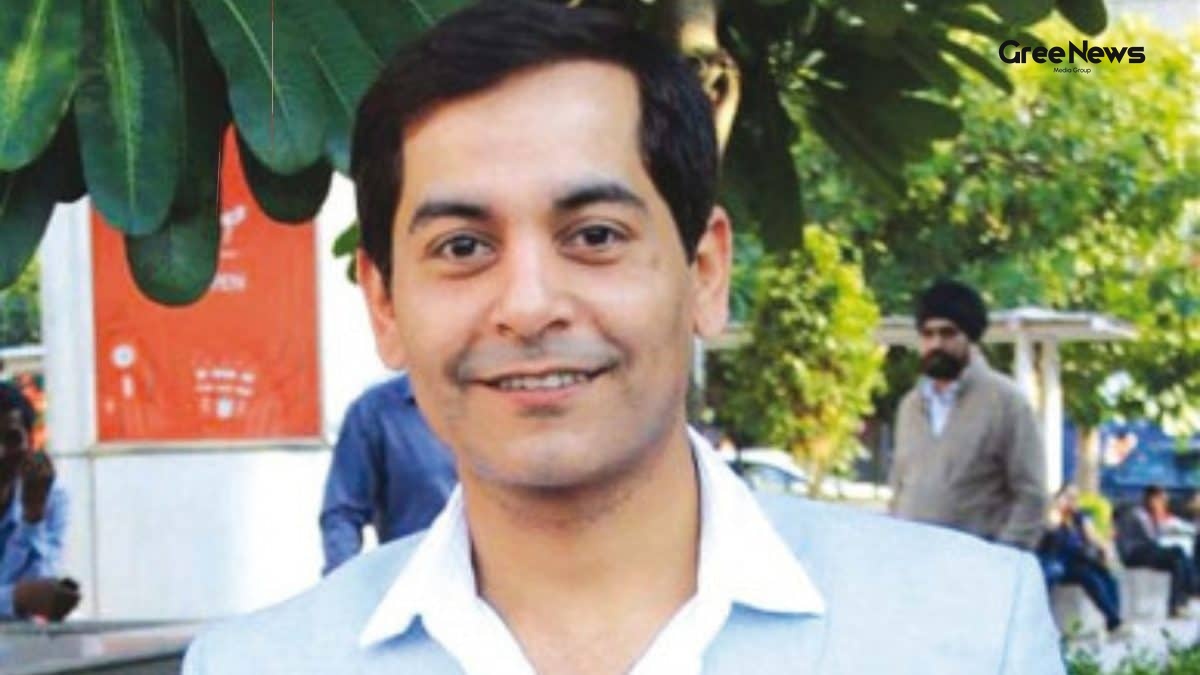
Why Gaurav Gera Says He Doesn’t Want to Give Anyone That Power
Honestly, when I first saw the interview on Humans of Bombay, I thought I was just scrolling past another celebrity story. But then the words hit me "I don’t want to give anyone that power" and I realized this was more than just breaking news. It was a raw slice of a life that many of us can relate to, especially when we’re watching the latest news India for a quick update.
Gaurav opened up about a love that once ran deep, a love that left a scar so strong that he swore never to go back. "There was a time I was very deeply in love. After that, I never wanted to go back to it. I don’t want to make anyone so important that they have the power to hurt me," he said. What happened next is interesting he admits that even with all the fame, the fear of getting hurt again still looms large.
He also tossed in a line that made many people smile: "Even before Dhurandhar, I used to get female attention. Now I just look like an uncle," he joked. The humor was a nice way to keep the conversation light, but underneath, there was a serious tone about how women move on and how ‘players’ don’t feel the same way about heartbreak.
From Dance Floors to Television Fame The Early Days
Before he became the guy we now see in Dhurandhar, Gaurav was actually a dancer. He tells it like this "I started as a dancer; that was my source of income." That was the reality for many aspiring artists trying to make it in Mumbai. He moved to the city, and within a year, landed his first TV show, Life Nahi Ladoo. "It was prime time, on a prime channel, and my first show itself. I feel extremely lucky," he recalled.
Working with veterans like Manoj Pahwa and Sanjay Mishra, he felt like part of a family. "We shot like a family. I was 23, and they treated me very well," he said, showing that early mentorship mattered a lot.
His journey didn’t stop there. He went on to act in Sanskriti and then got a big break with Jassi Jaissi Koi Nahin, one of the biggest television hits of the early 2000s. It was also where he met Mona Singh, and that friendship still thrives. "That’s where I met Mona, and our friendship started, we’re still friends," he mentioned, adding a warm personal touch.
Staying Ahead of the Digital Curve
What many people don’t know is that Gaurav was also among the early digital content creators in India. "I started content creation in 2010, when people didn’t even have smartphones," he said, chuckling about the struggle of uploading videos on a slow internet connection.
He had to hit pause on his YouTube dreams when TV and theatre got too demanding. At the same time, he was part of the musical Jhumroo at Kingdom of Dreams in Gurgaon a Broadway‑like experience that few Indian actors get to taste.
He describes his schedule like a balancing act: "Five days I would shoot in Bombay for TV, and weekends I’d be in Gurgaon for Jhumroo," all while juggling other shows like Tota Weds Maina and Pammi Pyarelal. That hustle is something you see often in trending news India about actors who wear many hats.
The Dhurandhar Effect New Respect and Self‑Esteem
Despite a long career, Gaurav admits that his latest film, Dhurandhar: The Revenge, gave him a fresh wave of respect. "After Dhurandhar, I have started getting more respect. Even now, people don’t recognise me that much, but my self‑esteem has become better. I needed this," he says.
And the numbers back that up. The film has collected ₹1,105.82 crore net in India, with a gross of ₹1,323.73 crore. Worldwide, it’s crossed roughly ₹1,741.73 crore, cementing its status as one of the biggest successes of the year. This box‑office triumph quickly turned into viral news, not just for the figures but also because fans were buzzing about Gaurav’s personal interview.
People started sharing his quotes across social media, turning his heart‑on‑sleeve confession into a meme‑fuelled conversation. It’s funny how a serious subject can become part of the viral news cycle, isn’t it?
A Letter From 1998 The Young Dreamer’s Voice
Last month, Gaurav surprised everyone by sharing a handwritten letter he wrote to his parents back in 1998. In that note, the then‑23‑year‑old talked about his tiny cottage in Mumbai, the tight budget, and his hopeful outlook. "Mumma and Papa, the future is bright, but I still have a lot to learn," he wrote.
Looking back nearly three decades later, he thanked his younger self. "It’s been a lovely journey with ups and downs… I want to thank my 23‑year‑old self for staying hopeful," he said. The letter resonated with many because it reminded us that every star started somewhere small, often with a lot of struggle.
This piece of personal history became part of the India updates that people were searching for, adding another layer to the story that’s already stacked with breaking news.
What Does This All Mean for the Rest of Us?
Reading through Gaurav’s journey, I felt a mix of admiration and empathy. On one hand, his rise from a dancer to a box‑office hero mirrors the kind of dream story that dominates the trending news India feeds. On the other hand, his honesty about heartbreak makes him relatable many of us have loved, lost, and then decided to protect our own hearts.
He’s not against love per se; he’s just wary of giving anyone the power to hurt him again. That’s a sentiment that many of us, especially the younger crowd, are quietly whispering about on forums and chats, making it a piece of viral news that spreads quietly but widely.
In the end, Gaurav’s story is a reminder that fame doesn’t erase old wounds. It just adds a spotlight to them, turning personal feelings into public discussion. And that, for me, is what makes this interview more than just breaking news it’s a slice of life that many can see themselves in.