After the FSSAI restricts ashwagandha leaves in food and supplements, experts explain safety concerns, approved usage, and what consumers should know
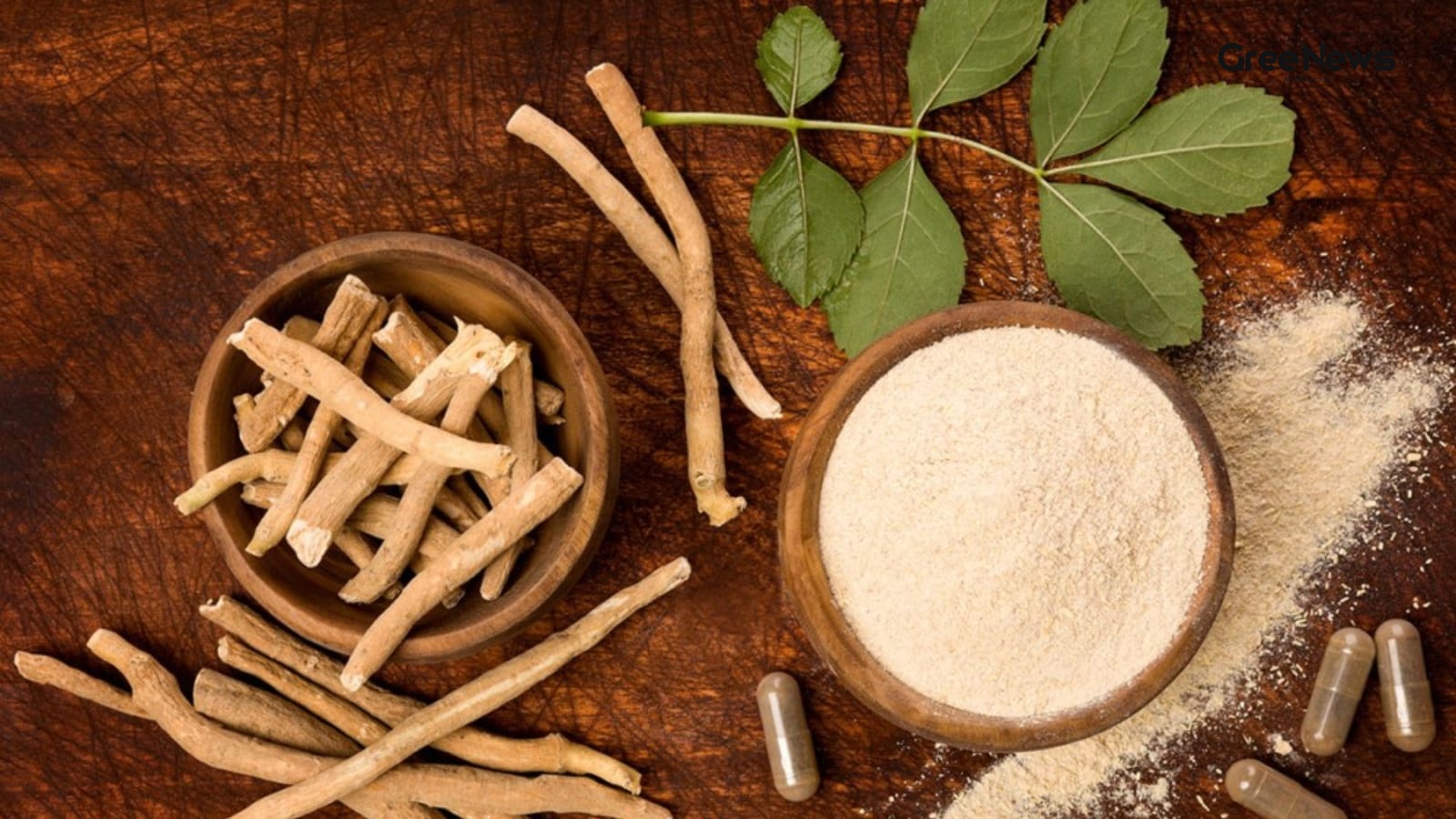
Hey, have you been hearing the latest news India style about ashwagandha lately? It’s been all over my WhatsApp groups you know, that herb we all trust for stress‑relief and immunity boosts. Well, there’s been a fresh advisory from the Food Safety and Standards Authority of India (FSSAI) that’s got a lot of folks talking. Basically, the regulator has told manufacturers that the leaves of the plant can’t be used in any food, supplement or nutraceutical product. Only the root and its extracts are still good to go.
What’s interesting is that this isn’t some random ban out of the blue. It’s actually a tightening of rules that were already there the law has always said that only the root part of ashwagandha has a proven safety profile. The new directive just makes that crystal clear, especially after some companies started experimenting with leaf extracts.
Now, you might be wondering why the leaf part is causing a stir. Let’s dive into that, because the story behind it is quite eye‑opening.
What has actually changed?
First off, there’s no blanket ban on ashwagandha itself. The root which is what you’ll find in most capsules, powders and even those herbal teas you pick up at your local grocery is still perfectly fine. The advisory simply says that any product containing leaf extracts is now non‑compliant.
Under India’s nutraceutical guidelines, only the root has a set of established safety standards. The authorities discovered that a handful of manufacturers were slipping leaf extracts into their formulations a practice that, until now, sat in a grey area. The new rule closes that gap.
In short, the updated guidance reads:
- Leaves are not allowed in food or health products.
- Only roots and root extracts can be used, within prescribed limits.
State food safety officers have also been asked to keep a closer eye on the market and take action against any violations. It’s a bit like a traffic cop finally enforcing the speed limit that was always there but rarely checked.
What happened next is interesting several brands quickly pulled leaf‑based batches from shelves and updated their packaging to highlight that they are “root‑only”.
Why the focus on leaf restriction?
The FSSAI’s move is driven mainly by safety concerns. While the root of ashwagandha has been studied for decades and is widely accepted in Ayurveda, the leaf part hasn’t undergone the same level of scrutiny. Some early reports hinted at possible liver toxicity and even neuro‑toxic effects when leaf extracts are consumed in larger amounts.
To be fair, the data isn’t huge, but the lack of robust, long‑term studies makes regulators uneasy. Think of it as a cautious driver who prefers to stay on a well‑paved road rather than venture onto a rough, untested track.
The Ministry of AYUSH the body that looks after traditional Indian medicine has backed this stance, aligning the traditional knowledge of Ayurveda with modern food safety standards. So, it’s not just a bureaucratic decision; there’s a clinical and cultural backing to it.
Many people were surprised by this, because until now most of us assumed any part of the plant was safe as long as it was labeled “ashwagandha”. The reality, as the experts point out, is that natural doesn’t always mean risk‑free.
What the experts are saying
Health professionals have tried to keep the conversation level‑headed. Dr. Priya Sharma, a nutritionist based in Delhi, told me in a recent chat that “this development should not cause alarm, but it does remind us to be more vigilant about what we consume.” She added that the root, when taken in recommended doses, remains safe for most people.
Another specialist, Dr. Arvind Patel, who works at a wellness clinic in Mumbai, noted that the incident highlights a broader issue the rapid growth of the supplement market often outpaces regulation. “We see new forms and extracts popping up every day. Not all of them have been tested adequately,” he said.
Experts also stress a few simple rules for everyday consumers:
- Always read the ingredient list look for “ashwagandha root” or “root extract”.
- Beware of products that simply claim “ashwagandha” without specifying the part used.
- Stick to brands that follow good manufacturing practices and have third‑party testing.
In most cases, standardized root extracts are the safest bet. That’s because they are produced under controlled conditions, ensuring the right amount of withanolides the active compounds we all love.
What this means for you practical tips
So, you’re probably wondering, “Do I need to stop taking my ashwagandha supplement?” The short answer is not necessarily. If you’re already using a product that clearly says it’s made from the root, you’re good to go.
Here’s a quick checklist to double‑check your stash:
- Check the label: does it mention “ashwagandha root” or “root extract”?
- Look for a batch number and manufacturing date reputable brands usually provide this.
- If you’re buying a herbal drink or a powdered mix, make sure the ingredient list isn’t just “ashwagandha”. It should specify the part.
Remember, the advisory is targeted at leaf‑based products. So capsules, powders and drinks that are derived from the root are still perfectly fine. Many of us have been sipping ashwagandha tea before bed for years just verify that the tea bags say “root powder”.
One of my neighbours, who runs a small gym, told me he had to replace a bulk pack of leaf‑based capsules with a root‑only version. He said the transition was smooth, and his clients didn’t even notice a difference in the benefits.
In short, keep an eye on the label, trust brands that are transparent, and you’ll continue to enjoy the herb’s stress‑relieving magic without any hiccups.
The bigger picture why regulators are stepping up
India’s wellness market is booming. From Ayurvedic powders to modern nutraceuticals, the demand for natural health solutions has exploded in recent years. With that growth comes a need for clearer rules. The ashwagandha leaf advisory is part of a bigger push by the FSSAI to bring uniform standards across the board.
Think about it when you walk into a supermarket and see dozens of “herbal” products, it’s easy to assume they’re all safe. But not every product is backed by scientific data. The regulator’s job now is to separate the wheat from the chaff, ensuring that traditional ingredients are used responsibly.
This move also aligns with global trends where authorities are tightening oversight on dietary supplements. By flagging leaf extracts, the FSSAI sends a clear signal: if a product claims health benefits, it must be backed by solid evidence.
For consumers, it’s a timely reminder that “natural” isn’t synonymous with “risk‑free”. Understanding what goes into our daily routine matters more than ever, especially when the market is flooded with new, untested formulations.
Many people were surprised by how quickly the industry responded shelves were cleared, new packaging rolled out, and educational webinars were organized for manufacturers. It feels a bit like a Bollywood drama where the hero steps in just in time to save the day.
Wrapping it up
All in all, the FSSAI’s advisory on ashwagandha leaves is less about banning a beloved herb and more about ensuring we consume it the right way. The root remains the gold standard, and as long as you stick to products that clearly mention “ashwagandha root”, you’re on safe ground.
So the next time you’re scrolling through your feed for the breaking news on health trends, remember that a little label‑checking can go a long way. And if you ever feel unsure, a quick chat with a pharmacist or a nutritionist can clear the fog.
Stay curious, stay informed, and keep enjoying the benefits of ashwagandha just the right part of it!