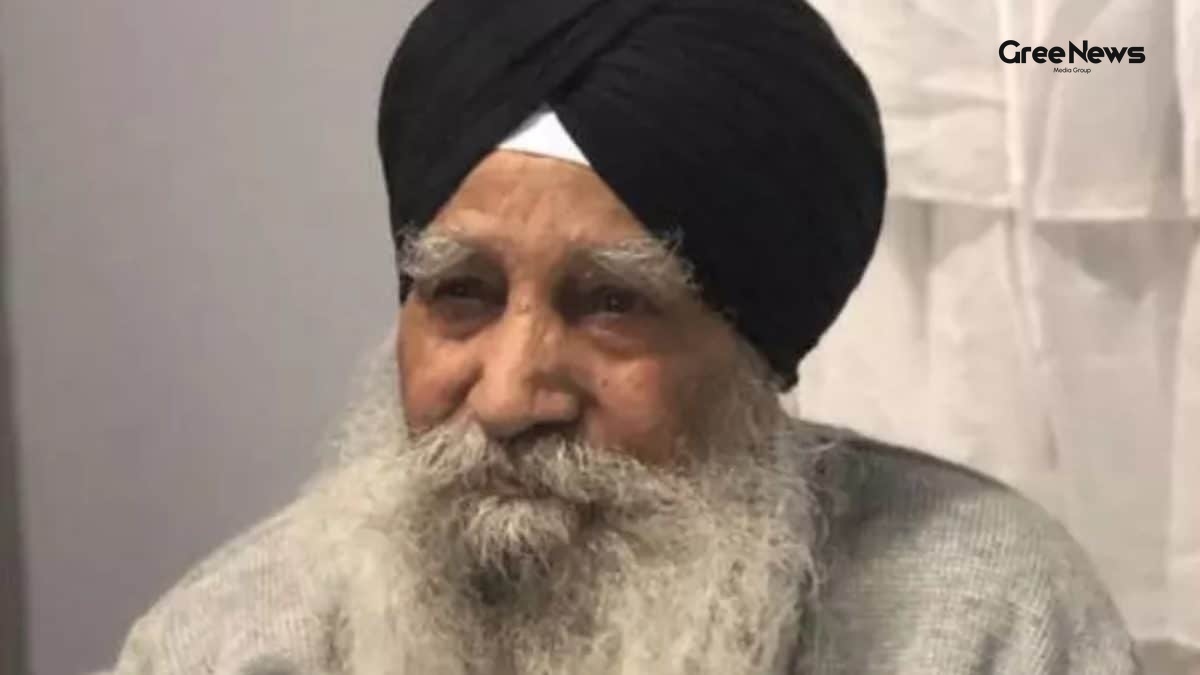
Gurbax Singh Grewal, a 1968 Olympic bronze medallist and Indian hockey legend, passes away at 84.
Indian hockey has lost one of its quiet stalwarts today. Gurbax Singh Grewal, who was a part of the bronze‑medal winning squad at the Mexico 1968 Olympics, recently left us after a heart attack in Zirakpur. The news quickly turned into breaking news across the nation, and many of us who grew up hearing stories of that golden era felt a pang of sadness.
Early Life and the Road to Mumbai
Born in 1942 in Lyallpur, a town that now belongs to Pakistan, Gurbax Singh Grewal grew up with a stick in his hand and a dream in his heart. In his teenage years, the partition had already reshaped families, and his family moved to the Indian side of the border. You can imagine the kind of resilience that was needed just like many families who shifted from Delhi to Mumbai during those times.
What happened next is interesting: in his early twenties, he moved to Mumbai to join the Western Railways hockey team. Back then, Western Railways was not just a job; it was a hub for sporting talent. The railway teams were like a second family, and they provided a platform for many youngsters to showcase their skills. Gurbax’s talent was evident, and his speed and stick‑handling quickly caught the eye of the selectors.
The 1968 Mexico Olympics A Historic Run
When the Indian selectors announced the squad for the 1968 Olympics, Gurbax Singh Grewal’s name was on the list, alongside his brother Balbir Singh Grewal. It was a rare and feel‑good footnote in Indian sporting archives two brothers representing the nation at the same Olympics. The team travelled to Mexico City, a place quite different from the Indian plains, and the altitude was a challenge for many. Yet, they adapted, and after a series of fierce matches, India secured the bronze medal. The victory was celebrated back home, and every household that owned a radio tuned in to hear the final scores a moment that still lives in the collective memory of Indian hockey fans.
Many people were surprised by how the team’s cohesion helped them overcome stronger opponents. Gurbax’s defensive skills were especially praised; his ability to read the game and make crucial interceptions often turned the tide in tight matches. It wasn’t just the medal; it was the spirit of the team that made the story go viral, and today’s trending news India still references that 1968 squad when talking about India’s hockey heritage.
Beyond the Pitch A Life Dedicated to Nurturing Talent
After hanging up his boots, most athletes in India either fade into anonymity or take up coaching. Gurbax chose a slightly different path he became a senior sports officer with Western Railways. In that role, he was instrumental in spotting youngsters, especially from the desert state of Rajasthan, and bringing them into the railway’s hockey ecosystem. This pipeline has historically been a strong feeder for the national team, and many current stars trace their roots back to the railway clubs that Gurbax helped shape.
Even after retiring from his official duties, he didn’t cut ties with the sport. He served as the honorary secretary of the Mumbai Hockey Association, a position that allowed him to influence policies, organise local tournaments, and mentor young players directly. This dedication kept his name buzzing in the circles of local clubs, and when the Mumbai hockey league held its annual award night, his name often popped up as a special mention. It’s one of those subtle, yet powerful contributions that rarely make the headlines but form the backbone of Indian sports development.
Personal Reflections What Made Him Special?
If you ever visited a railway stadium in Mumbai, you might have seen Gurbax sitting in the stands, quietly observing a practice session. He never shouted instructions; instead, he would tap a player’s shoulder, smile, and give a nod. That understated style made people respect him even more. I remember a friend of mine who used to chat with him during a local tournament he said Gurbax would often talk about “the simple joys of playing on a dusty ground, the scent of fresh grass, and the camaraderie that made the sport special.” Those words struck a chord because they reflected the everyday reality of Indian hockey players, many of whom played on uneven fields with makeshift equipment.
His humility also showed up in the way he spoke about his Olympic medal. He would often say, “The medal is a memory, the real achievement is the kids you helped become better players.” That kind of perspective is what made his story go viral in social media circles a genuine, grounded leader who never let fame cloud his purpose.
Legacy How He Shaped Modern Indian Hockey
Fast forward to today, when the Indian men’s team is climbing the world rankings and the women’s team clinched historic medals, many of those successes can be traced back to the grassroots structures that Gurbax helped build. The railway clubs still produce talent, and the Mumbai Hockey Association continues to run academies that follow the training philosophies he introduced.
Because of his work, several players from Rajasthan a state not traditionally known for hockey made it to the national camp. Their stories often mention a “railway mentor” who believed in them when others didn’t. That’s essentially Gurbax Singh Grewal, silently shaping the future while staying away from the limelight. This aspect of his life turned into a trending topic after his passing, with many former players sharing heartfelt messages on social media, making it clear that his impact is still felt across the nation.
How the Nation Reacted A Wave of Tributes
The moment the news broke, it appeared as breaking news on several portals, and the story quickly became part of the latest news India feeds. Former teammates posted nostalgic photos, journalists wrote heartfelt columns, and even youngsters who had never met him posted messages like, “Your stories inspire us to pick up a stick.” The story went viral not just because of his Olympic glory but because of the genuine affection people felt for a man who spent his life serving the sport.
In many Indian households, especially those that cherish hockey’s legacy, the discussion turned into a reminder of how far the sport has come and the role legends like Gurbax played in that journey. It was one of those moments when the whole country seemed to pause, reflecting on a chapter of its sporting history that often gets overshadowed by cricket.
Conclusion Remembering a Quiet Champion
Gurbax Singh Grewal’s story is more than just an obituary; it’s a snapshot of Indian sportsmanship, perseverance, and humility. From a small town in pre‑partition India to the Olympic podium, and later to the railway tracks where he nurtured future stars, his life reflects the very essence of Indian hockey. As we keep an eye on the upcoming tournaments and the next batch of talent, his legacy will continue to echo in the cheers of fans and the quiet guidance of coaches.
So, the next time you hear about a young player from Rajasthan making waves, remember that behind that success there might be a thread that leads back to Gurbax Singh Grewal. His story, now part of viral news and trending discussions, reminds us that true legends never truly leave; they live on in every ball struck, every goal celebrated, and every child who dreams of wearing the blue jersey.