From personalised meal plans to smart grocery lists, learn simple ways to save time, eat healthier, and reduce daily cooking stress with AI-powered tools.
Honestly, I never thought I’d be the kind of person who talks about algorithms while chopping onions for a simple aloo sabzi. But a few weeks back, after missing yet another deadline at work, I decided to give an AI meal planning app a shot. The idea was simple let the software figure out what to cook for the next seven days, create a grocery list, and hopefully keep my diet on the healthier side without blowing up my wallet. Little did I know, this little experiment turned into a full‑blown kitchen revolution for me.
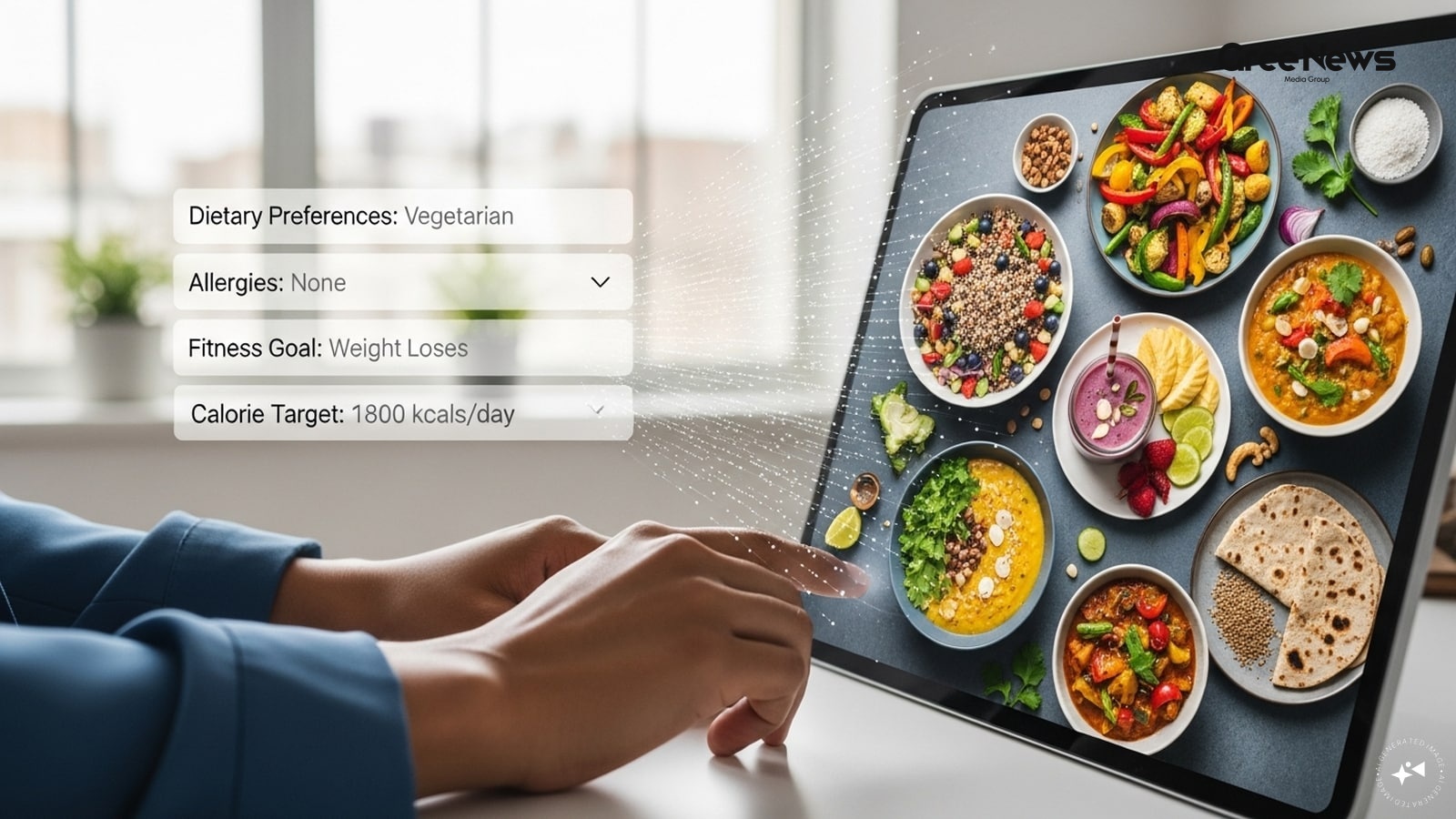
When I first opened the app, it asked a bunch of questions that felt straight out of a health‑check questionnaire: my dietary preferences, any allergies, the number of people I cook for, and even my budget range. All of that data got fed into an algorithm that churned out a week‑long menu from dal‑rice combos to paneer tikka wraps each recipe tagged with its calorie count, preparation time and estimated cost. It felt a bit like getting the latest news India updates on my plate, literally.
How AI Crafts a Personalised Menu for Indian Tastes
The magic behind these tools is pretty straightforward. They combine massive recipe databases with machine‑learning models that understand flavour pairings and regional preferences. For instance, if you’re from the South, the AI is more likely to suggest idli‑upma or rasam soups, whereas a north Indian palate will see more rotis, curries and kebabs. The system also learns from your feedback if you skip a suggested dish or rate it low, the next week’s plan adjusts accordingly.
What surprised me most was the level of customisation. I told the app I wanted more protein and less oil a request that many of us making home‑cooked meals in India often have but never manage to articulate to a human chef. The next day, the menu included chana masala with boiled eggs, a quinoa pulao, and a low‑oil vegetable stir‑fry. Essentially, the AI became my personal dietician, giving me the kind of guidance you’d normally have to pay a professional for.
Smart Grocery Lists No More Forgetting the Needed Items
One of the biggest hassles in Indian kitchens is the constant back‑and‑forth to the local kirana store, only to realise you missed buying a key spice or a vegetable. The AI tool automatically generated a smart grocery list based on the week’s recipes. It grouped items by category grains, dairy, spices, fresh produce making it easy to navigate any market, be it a modern supermarket or a bustling street market.
What’s even cooler is that many of these apps can sync the list with online grocery platforms that operate in India. So I could just tap ‘order’ and have the items delivered to my doorstep in a few hours. That convenience felt like a piece of breaking news that everyone in my neighbourhood was talking about how technology is finally easing the daily grind.
Saving Time and Money The Two Big Wins
Time‑saving is obvious I no longer spend an hour scrolling through YouTube cooking channels, trying to decide what to make. Instead, I get a ready‑made plan that tells me exactly what to cook, when, and how long it will take. On some days, the prep time is under 30 minutes, which is a huge relief after a long day at the office.
On the money side, the AI keeps an eye on the overall budget for the week. It suggests cheaper substitutes when a recipe calls for expensive items like saffron or certain nuts. For example, it swapped almond slivers with roasted peanuts in a kheer recipe, cutting the cost by almost half without compromising on taste. This budgeting tip felt like a piece of viral news everyone was sharing how they saved extra rupees by following AI suggestions.
Real‑Life Indian Example From My Household to the Street Vendor
Let me tell you a little story that shows how it works in a typical Indian home. My mother, who’s been cooking for over 30 years, was initially skeptical. She said, “Beta, a machine cannot understand the soul of our food.” But after a week of using the AI plan, she found herself preparing a vegetable bhaji that used exactly the amount of oil she wanted not a tad more, not a tad less. The kids loved the ‘new’ roti‑wrap lunch, and we didn’t have to run to the market for a missing bottle of oil because the list was spot‑on.
Even my neighbour, who runs a small street‑food stall, heard about my experience and started using the same tool to plan his menu for the week. He said it helped him showcase variety from masala dosa on Monday to paneer tikka on Thursday which attracted more customers. That little ripple effect made me realise how AI meal planning is becoming part of trending news India, especially in the food‑service sector.
Choosing the Right AI Meal Planning App Tips for Indian Users
There are a few popular AI meal planning apps that have entered the Indian market. When picking one, consider these points:
- Local Recipe Database: The app should have a wide range of Indian recipes, covering regional cuisines.
- Integration with Indian Grocery Services: Look for seamless connection with platforms like BigBasket, Grofers or local kirana delivery services.
- Budget Controls: The tool should let you set a weekly spend limit and suggest cost‑effective alternatives.
- Privacy Settings: Since the app collects personal dietary data, read the privacy policy you don’t want your food choices ending up in the wrong hands.
- User Reviews: Check the rating and feedback from other Indian users their experience often highlights how well the app adapts to local tastes.
Following these tips helped me pick an app that felt like a right fit for my Mumbai flat, and it’s probably the same for many others across India.
Practical Tips to Get the Most Out of AI Meal Planning
Here’s what worked for me and could work for you too:
- Take a few minutes each weekend to review the suggested menu. Swap any dish you’re not excited about with something you already love.
- Use the ‘batch‑cook’ feature if available cook larger portions of rice or lentils that can be repurposed for different meals throughout the week.
- Keep a small notebook handy for any adjustments you make. Over time, the AI learns from these notes and fine‑tunes future plans.
- Combine the grocery list with the ‘sale alerts’ from your preferred supermarket. This way you get the best deals while staying within budget.
- Don’t be afraid to experiment. The AI often suggests fusion dishes think quinoa biryani or millet‑based dosa which can be fun and nutritious.
Implementing these little habits made the whole experience feel less like a tech gimmick and more like a genuine lifestyle upgrade.
Potential Concerns Data Privacy and Over‑Reliance
While I’m a fan, I also keep an eye on the downsides. Since the app stores data about your eating habits, health goals and even your budget, there’s a risk of that information being misused if the company doesn’t have strong security measures. It’s a good idea to read the privacy policy and maybe use a disposable email if you’re uneasy.
Another worry is becoming too dependent on the AI. Cooking is, after all, a cultural activity that brings families together. I make sure to keep a few “free‑choice” days each week where I decide spontaneously, just to keep the creative sparks alive. This balance ensures I’m not missing out on the joy of cooking while still enjoying the efficiency boost.
The Future AI Meal Planning in India’s Food Landscape
Looking ahead, I think AI meal planning will become a regular feature in many Indian households, especially as smartphones become more affordable and internet connectivity improves in tier‑2 and tier‑3 cities. Already, you see headlines about AI in kitchens popping up in the latest news India feeds, and some food‑tech startups are even partnering with local farms to offer fresh, seasonal produce directly through their apps.
What’s exciting is that this technology can help address bigger issues too like reducing food waste, which is a massive problem in India. By suggesting exact quantities and planning meals ahead, households can buy only what they need, cutting down on spoilage. That’s a story worthy of trending news India, because it ties technology, health, and sustainability together.
So, if you haven’t tried it yet, consider it the next time you hear about a viral news story on smart kitchens, you’ll already be a step ahead.
Wrapping Up My Takeaway
In a nutshell, AI meal planning tools transformed my chaotic kitchen routine into something more organised, healthier, and even a bit fun. The blend of personalised menus, smart grocery lists and budget awareness feels like a personal assistant that understands Indian food culture. While it’s not a magic wand you still need to cook, taste, and enjoy it definitely cuts down the stress and gives you more time for the things you love, whether that’s a quick walk in the park or a chat with friends over chai.
If you’re curious, give it a try for a week. You might find that the real breaking news is not just about technology, but about how it quietly reshapes everyday life, one meal at a time.