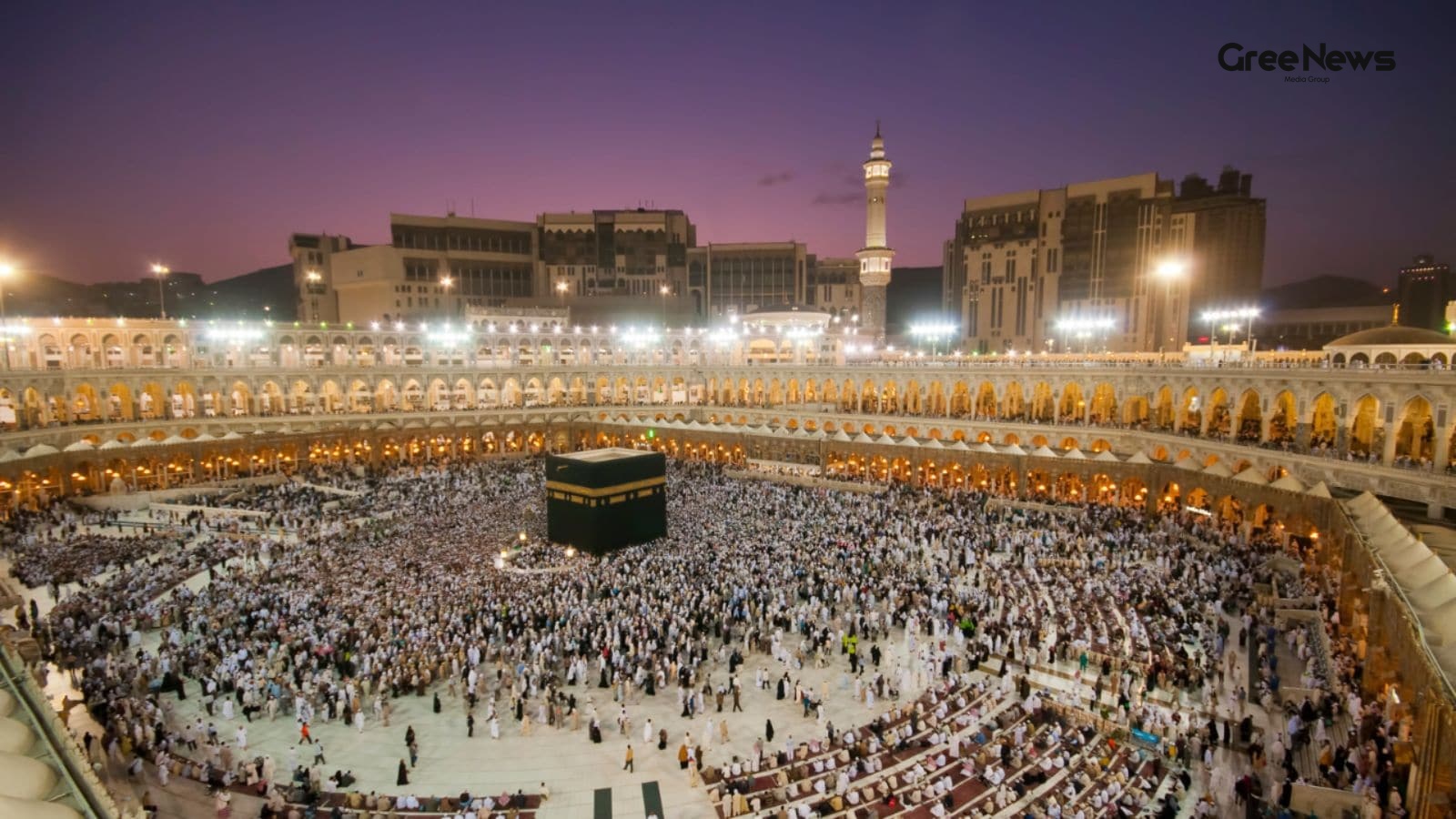
Essential guide to Saudi Arabia’s new 30‑day visa validity, mandatory Nusuk app bookings, and the updated 2026 Hajj quota for India
When I first heard about the fresh Hajj regulations for 2026, I was sitting in a small tea stall in Varanasi, chatting with my brother‑in‑law who had recently returned from a pilgrimage. He was telling me how everything felt a bit tighter this time the visa only lasts a month, and every single booking has to be done through an app. At first I thought it sounded a bit too tech‑y for our crowd, you know, especially for those of us who are used to making arrangements through local travel agents. But as I dug deeper, I realized it’s actually a mix of convenience and stricter control from Saudi Arabia. This caught people’s attention because many of us have been doing Hajj the traditional way for decades.
Let me break down what this means for us Indian pilgrims, and why you should start planning right away. Trust me, the sooner you get the hang of it, the smoother your journey will be.
New 30‑day visa validity what does it really mean?
Basically, Saudi Arabia has slashed the visa validity from the previous 60‑day window down to just 30 days. In most cases, this means you must step foot in the kingdom and complete your Hajj rituals within a month of arrival. It sounds simple, but there are a few practical implications.
For example, if you land in Jeddah on the 1st of the Gregorian month, you need to finish everything from the Ihram at Mina to the final Tawaf at Masjid al‑Harām before the 30th day rolls over. Missing the deadline could mean a hefty fine or even being asked to leave early, which would be a huge disappointment.
One thing that surprised many of my friends is that the 30‑day rule also affects the flight bookings you can make. Airlines often give a window of flexibility, but now you have to be extra careful about layovers and possible delays. I remember my uncle sharing that he once lost a connecting flight due to a minor delay, and it almost jeopardised his whole schedule.
So, the key takeaway? Give yourself a buffer when you plan the flight. Book a direct or a well‑timed connecting flight, and avoid back‑to‑back flights that leave you with just a few hours at the airport. It’s a small extra cost, but it saves a lot of stress later.
The Nusuk app your new travel buddy
Earlier, most Indian pilgrims used local travel agencies to handle everything from visa applications to transport arrangements in Saudi. But now, the Saudi Ministry of Hajj has made the Nusuk app mandatory for all pilgrims, regardless of where they come from.
What’s the app do? In simple terms, it’s a one‑stop shop. You register, upload your passport details, pay the fees, and then you can book your accommodation, transport, and even your meals through it. It also provides real‑time updates on crowd levels, prayer times, and emergency alerts.
When I first opened the app, I felt a bit lost the interface was a mix of English and Arabic, and there were many options. But after I played around a bit and watched a few YouTube tutorials (yes, that’s where I got the idea to start the research a real example of viral news spreading quickly among the community), I got the hang of it.
Here are three practical tips that helped me:
- Register early: The moment the portal opens for Indian pilgrims, log in and fill in your details. The system works on a first‑come‑first‑served basis, and slots fill up fast.
- Double‑check your entries: A tiny typo in your passport number can cause a big headache later. I once saw a friend’s visa get rejected because he entered his name without a space.
- Use the ‘Help’ section: The app has a built‑in chat with support staff. It’s faster than waiting for an agency call back.
Honestly, the shift to a digital platform is part of the larger trend in Saudi’s handling of Hajj, aiming for better crowd control and health safety. It’s also a move that aligns with the increasing use of smartphones in India most of us have a decent Android phone, so it’s not that far‑fetched.
India’s updated 2026 Hajj quota numbers and impact
Now, onto the quota. Saudi Arabia releases a specific number of slots for each country every year. For 2026, the allocation for India has been revised it’s slightly higher than the previous year, but the competition remains intense because the demand far exceeds the supply.
What does this mean for us? If you’re part of a group or a family, you have to ensure that each member gets a separate slot the quota is measured in “pilgrim seats.” The newer figure has allowed a few more groups to form, but it also means the selection process for the limited slots becomes even more competitive.
In practice, many of our local travel agencies and community organisations run a lottery system. The earlier you register on the Nusuk app and confirm your slot, the better your chances. Some community leaders told me that they started the registration process weeks before the official opening, just to be safe.
One surprising fact that made many people shake their heads is that the quota is not just a simple number it’s divided among different categories such as “individual pilgrims,” “group pilgrims,” and “women‑only groups.” If you belong to a specific category, you need to check which bucket you fall into. This level of detail can be confusing, but it also offers an opportunity: women‑only groups sometimes have a slightly larger share, which can be a strategic move for families with many female members.
Practical steps to secure your spot
Alright, you’re probably wondering how to actually get things done without breaking your head. Here’s a step‑by‑step plan that I followed, and which many of my fellow pilgrims found useful:
- Check the official Hajj announcement: Keep an eye on breaking news channels and reliable websites for the exact date when the Saudi authorities open the registration for India.
- Create a Google Calendar reminder: Yeah, it sounds trivial, but setting a reminder 10 minutes before the portal opens saved me from missing the slot.
- Prepare all documents: Passport scanned copy, a recent photograph, and a digital copy of your vaccination certificates (if required). Have them ready on your phone and laptop.
- Login to the Nusuk app as soon as it’s live: Use a stable internet connection don’t rely on a shared Wi‑Fi at a crowded cyber cafe.
- Select your quota category: Choose the appropriate slot (individual or group) based on your travel plan.
- Pay the fees instantly: The app accepts multiple payment options, but credit/debit cards are processed the fastest.
- Print or save the confirmation: You’ll need this when you apply for the visa and when you arrive in Saudi Arabia.
This workflow might look like a lot, but once you get the hang of it, it’s pretty straightforward. My sister, who’s not very tech‑savvy, managed to finish everything in under an hour after a quick walkthrough from me.
Travel logistics inside Saudi Arabia what changes?
With the new visa validity and the Nusuk app, the Saudi authorities also tightened the logistics inside the kingdom. For instance, transportation between the airports, Mina, Arafat, and Muzdalifah is now coordinated through the app. You’ll receive a digital ticket for each bus or train you book, which reduces the need to stand in long queues.
One thing I noticed during my last Hajj even though it was before the 30‑day rule was that the official “Hajj bus” system could be chaotic. Now, by pre‑booking through the app, you can select a less crowded time slot and even see the load factor of each bus. Many people were surprised by this improvement; it’s a small change but makes a big difference when you’re carrying luggage and dealing with fatigue.
Accommodation is also streamlined. The app offers a list of approved hotels and tents, with ratings from previous pilgrims. If you’re part of a family group, you can book adjacent rooms, which used to be a hassle when coordinating with agents.
How the updates fit into the bigger picture of trending news
These changes are not happening in isolation. Across India, there’s a surge in people looking up the latest news India about travel regulations, especially with the pandemic still influencing many policies. The Saudi decision to make the 30‑day visa mandatory and push for a digital platform is a part of the broader effort to manage massive crowds more efficiently a topic you’ll often see in trending news India.
Many Indian Muslims follow social media groups where breaking news about Hajj spreads like wildfire. Posts about the new quota, the app’s login glitches, or tips on how to avoid fines become viral news across WhatsApp chains. This creates a network of real‑time support, which is invaluable when you’re planning a pilgrimage of this magnitude.
So, when you see a headline about the new Hajj rules, it’s not just a piece of information it’s part of the larger conversation shaping how we travel, how we use technology, and how we stay safe during mass gatherings.
Common pitfalls and how to avoid them
Below are a few mistakes that people commonly make, and ways to steer clear of them:
- Procrastinating on registration: Because the quota fills fast, waiting until the last minute can leave you empty‑handed.
- Ignoring the app’s notifications: The Nusuk app sends alerts about payment confirmations and travel updates. If you turn off notifications, you might miss critical information.
- Overlooking the 30‑day expiry: Some pilgrims book their flights for the last possible day, forgetting that any delay could push them over the limit.
- Relying on a single source: Check multiple reliable sites for the latest guidelines a single mention in a news article might be outdated.
My own experience taught me the value of double‑checking everything. Once, I almost booked a flight that landed after the 30‑day cutoff, but a quick look at the app’s calendar feature saved me from a potential fine.
Final thoughts preparing your heart and mind
Beyond the paperwork, visa rules, and app bookings, Hajj remains a deeply spiritual journey. The new regulations might sound complicated, but they’re essentially there to make the pilgrimage smoother for millions of people. If you plan ahead, stay informed, and use the tools at your disposal especially the Nusuk app you’ll find the experience rewarding rather than stressful.
Remember, many of us have been traveling for generations, and this is just another step in the evolution of our practices. So, keep an eye on India updates, share what you learn with your community, and start the preparation early. After all, the sooner you get everything sorted, the more you can focus on the spiritual side of Hajj when the day finally arrives.
Wishing you a safe and blessed journey ahead may your prayers be answered and your heart be filled with peace.