What’s happening on the ground as the ceasefire deadline looms
Honestly, when I was sipping my masala chai this morning and scrolling through the latest news India feeds, I could feel the tension building up. The truce that has kept the gunfire at bay for seven weeks is about to run out, and both the United States and Iran are sending out mixed signals that have left many of us watching the updates with bated breath.
On one hand, Iranian state‑run television has been quite clear for two consecutive days no official from Tehran has arrived in Islamabad for the second round of peace talks. The channel even went as far as to say that no delegation has set foot in the Pakistani capital. This statement is consistent across their broadcasts, and it seems they want to keep the narrative that Iran is not participating, at least publicly.
But just as quickly, US media outlets are sharing a different picture. According to reports from the Associated Press, two regional officials hinted that both sides are expected to attend a fresh round of ceasefire talks in Islamabad. A day before, the same agency cited Pakistani officials claiming that Iran might actually send a delegation despite the public denial.
So you can see why the talk is trending in the breaking news circuit. The back‑and‑forth has created a swirl of speculation that’s captured the attention of the entire nation the kind of story that goes viral across WhatsApp groups and in the evening news bulletins.
Why the United States is pushing hard now
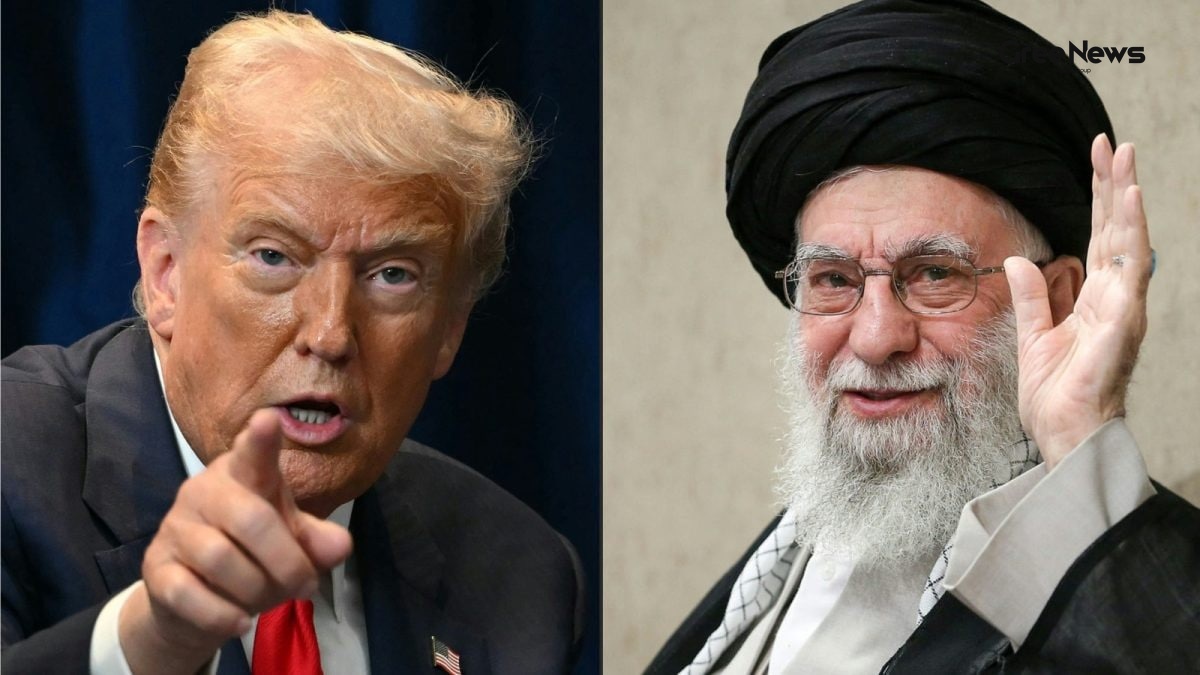
Meanwhile, President Donald Trump has been on a streak of strong statements. In an interview with CNBC, Donald Trump said the US is in a "very, very strong negotiating position" and that "we’re going to end up with a great deal." He added that if an aGreement isn’t reached before the ceasefire expires, "lots of bombs" would start going off, implying a fresh round of strikes on Iranian infrastructure.
Donald Trump also mentioned that Vice President JD Vance is scheduled to travel to Islamabad on Tuesday. The New York Post quoted Donald Trump saying JD Vance would be the key face of the US delegation, echoing the sentiment that his presence could sway the outcome.
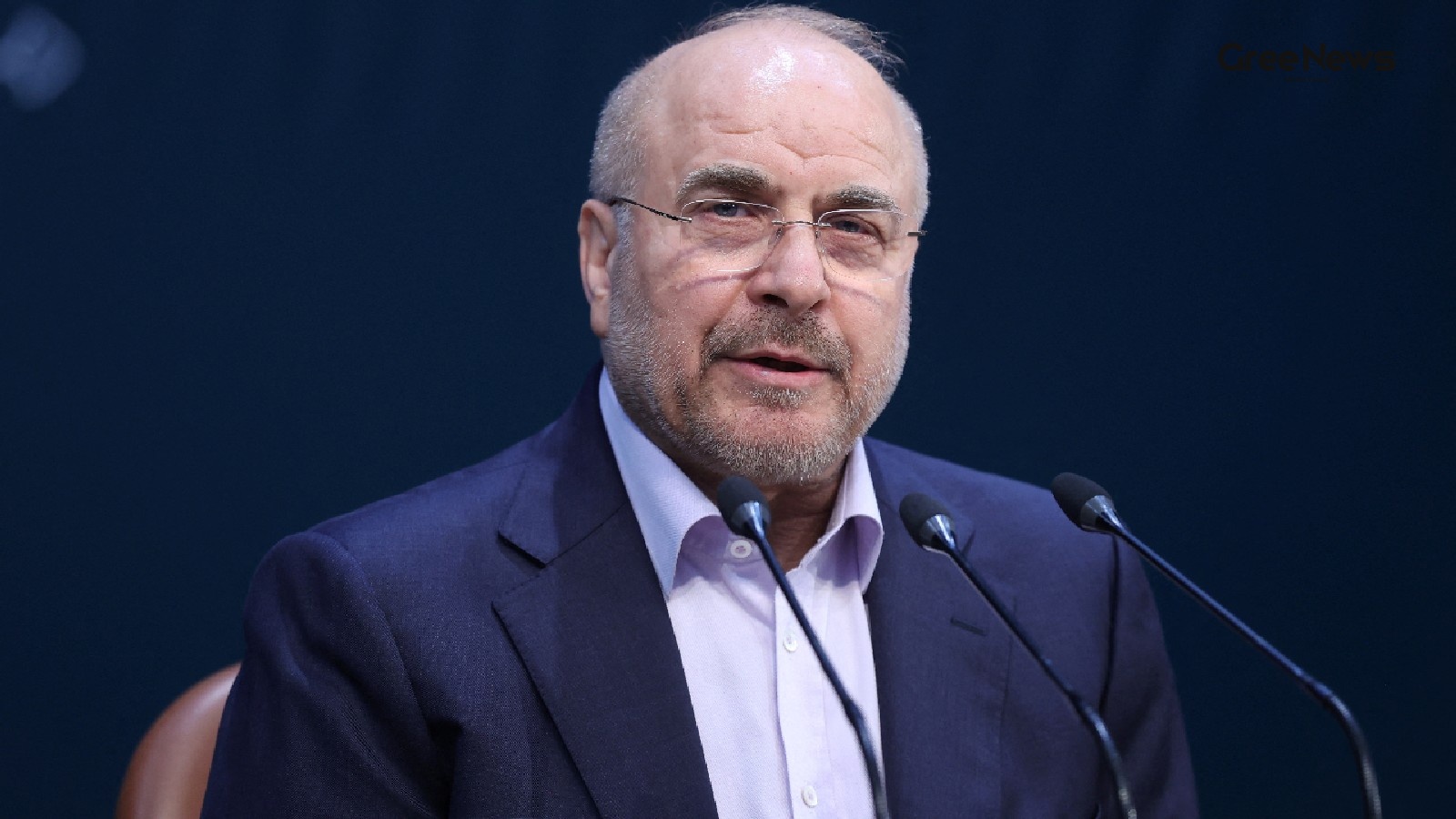
According to a New York Times report, JD Vance’s participation could be the deciding factor for Iran’s chief negotiator Mohammad Bagher Ghalibaf to show up. The report suggests that Mohammad Bagher Ghalibaf has hinted he would attend only if the US sends JD Vance, making the trip a potential turning point.
Accompanying JD Vance, the US team is expected to include adviser Jared Kushner and special envoy Steve Witkoff. Their combined presence adds weight to the US stance, and many political analysts in India have labeled this move as a clear signal that the United States is not willing to walk away without a solid deal.
Iran’s stance and the mystery of the "new cards"
On the Iranian side, chief negotiator Mohammad Bagher Ghalibaf has been rather coy. In a televised address, Mohammad Bagher Ghalibaf said Tehran has "new cards on the battlefield" that have not yet been revealed. This cryptic remark has been a hot topic in the trending news India forums, as everyone tries to guess what those cards might be perhaps a diplomatic overture, a military maneuver, or some behind‑the‑scenes aGreement.
Adding to the intrigue, Iran’s Foreign Minister Abbas Araghchi is also slated to be part of any Iranian delegation, should it decide to appear. Both Mohammad Bagher Ghalibaf and Abbas Araghchi are seasoned diplomats, and their potential appearance would add significant credibility to the talks.
The Iranian state media’s denial of any delegation arriving in Islamabad could be a strategic move to keep options open while they assess the US offers. In most cases, such denials serve to buy time and prevent domestic backlash if the negotiations turn sour.
Many people were surprised by this approach, especially because earlier days showed a more cooperative tone from Iran. This catch‑and‑release style of diplomacy has become a hallmark of the current West Asian conflict, and it’s one of those stories that keeps the audience glued to the screen, waiting for the next update.
What the mixed signals mean for the ceasefire deadline
The ceasefire, which started on the 8th of April, is slated to expire soon. If no aGreement is reached by the deadline, the risk of a renewed flare‑up grows considerably. Both Donald Trump and United States officials have hinted that a failure to secure a deal would trigger a series of airstrikes, while Iran’s ambiguous stance leaves the world guessing about the possible response.
From a layperson’s perspective, the situation feels a bit like waiting for the next episode of a popular serial you know something big is coming, but you’re not sure whether it will end on a happy note or a cliffhanger. The uncertainty has spurred a lot of speculation across social media, with people sharing memes, short videos, and articles that try to decode the diplomatic chessboard.
What caught people’s attention most right now is the “who’s going to be in the room” question. If JD Vance, Jared Kushner, and Steve Witkoff are indeed heading to Islamabad, and if Mohammad Bagher Ghalibaf and Abbas Araghchi decide to show up, the talks could become a heavyweight showdown. On the other hand, if Iran keeps its delegation at bay, the United States might feel compelled to act more aggressively, as Donald Trump has already hinted.
All this makes the story one of the most watched pieces of breaking news in the country. The combination of geopolitics, high‑stakes negotiations, and the looming ceasefire deadline has turned it into a viral news item that dominates discussion boards, TV debates, and even schoolyard conversations.
Personal reflections why I’m glued to the updates
Honestly, I never thought I’d be this invested in a diplomatic saga that’s happening far away from our streets in Delhi or Mumbai. But every time I hear a new snippet whether it’s from a news channel, a WhatsApp forward, or a tweet about the latest news India I find myself pausing my work, my chores, even my evening walk to catch the latest development.
Maybe it’s because the whole episode feels like a live drama with real‑world consequences. Maybe it’s because the story hits the headlines of every major newspaper and news portal we rely on for our daily brief. Or maybe it’s simply because the stakes are so high that any shift could affect global oil prices, which eventually touch our wallets back home.
One thing’s for sure: the mixed signals from both United States and Iran have turned this into a story that’s not just about politics it’s about the everyday Indian who wonders whether the next news bulletin will bring relief or more tension. And that, my friend, is why I keep checking the updates, hoping the next line will bring some clarity.