- Lifestyle Desk
Why those tiny sores pop up and make life miserable
Honestly, I never gave much thought to what triggers a mouth ulcer until I got one right before a big presentation at work. It turns out the reasons are surprisingly simple – things like missing vitamins, too much stress, eating a lot of spicy food, or even having some gut‑related issues can all set the stage for these painful little blisters.
In most cases, the body does heal these ulcers on its own within a week or two. But the burning feeling while you try to talk, eat, or brush your teeth is enough to make you wish for a magic cure. That’s why I started looking into old home‑remedy tricks that my mother and aunt used when they were kids. The results were pretty encouraging, so I thought I’d share them with you.
My personal run‑in with a stubborn ulcer
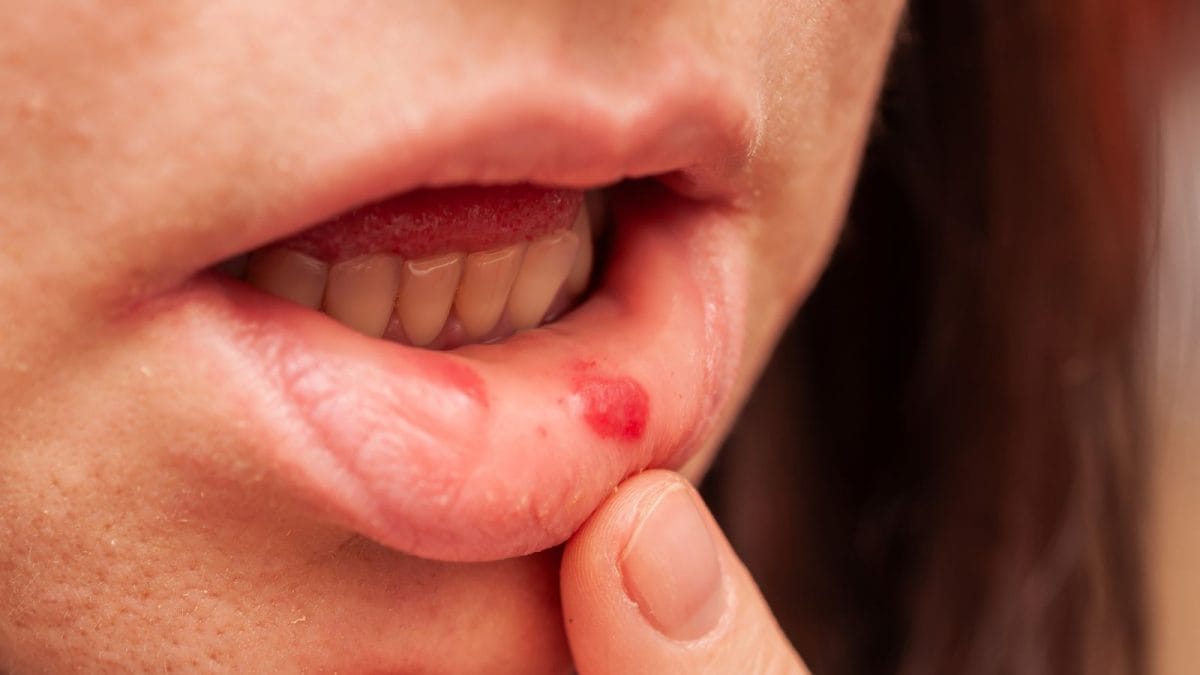
Last month, after a hectic week of deadlines and a couple of extra‑spicy meals (thanks, street‑side pani puri stall), I woke up with a tiny white spot on the inner side of my lower lip. Within a few hours it turned red, started throbbing, and made even a sip of water feel like a punch.At first I tried to ignore it, hoping it would disappear on its own. But the pain only grew. So I turned to the kitchen – you know, the place where we keep honey, coconut oil, curd, and turmeric, all staples in Indian households. I tried each remedy one by one, noting down how it felt. Below is what worked best for me.
Honey – the sweet healer
Honey isn’t just for tea or toast; it’s basically a liquid band‑a‑id. Its natural antibacterial properties help keep the ulcer clean and speed up healing. I took a clean fingertip, scooped a tiny dab of raw honey, and gently applied it directly on the sore. I repeated this two to three times a day, especially after meals.
After a day or two, the burning started to ease. The honey also kept the spot moisturised, which prevented it from cracking and bleeding. If you’re using store‑bought honey, try to pick the one that’s as pure as possible – the darker, the better for medicinal use.
Coconut oil – a cooling hug for inflamed tissue
Next up was coconut oil. I love coconut oil for cooking, but its anti‑inflammatory qualities work wonders on a mouth ulcer too. I dipped a clean cotton swab into a small amount of virgin coconut oil and gently dabbed it on the sore before going to bed.
The next morning, the area felt less irritated, and there was a faint cooling sensation that helped calm the inflammation. I kept doing this for three days, and the ulcer’s size seemed to shrink a bit each time.
Curd – the chilled protector
When the ulcer was still a bit tender, I turned to cool curd (plain yoghurt). Eating a spoonful of chilled curd not only gave my mouth a soothing feeling but also delivered probiotics that help maintain a healthy bacterial balance inside the mouth.
It’s a simple trick: just take a small bowl of curd, keep it in the fridge, and eat it slowly. The cold temperature numbs the pain slightly, while the probiotics aid the healing process. I made it a habit to have curd after lunch and dinner for a couple of days.
Turmeric water – the golden antiseptic
Turmeric is almost a household idol in Indian kitchens because of its antiseptic qualities. I mixed a half‑teaspoon of turmeric powder in a glass of lukewarm water, swished it around for about 30 seconds, and spat it out. I did this twice a day, once in the morning and once before bedtime.
Even though the water tasted a bit earthy, the ulcer began to feel less inflamed after a few gargles. The turmeric helped keep any secondary infection at bay, which is important because a infected ulcer can last much longer.
Ice – instant numbness for those blazing moments
Whenever the pain became too much, especially after a hot cup of chai, I grabbed a small ice cube, wrapped it in a clean cloth, and placed it gently on the ulcer for a minute. The cold shock instantly numbed the area, giving me a few minutes of relief to get through the meal.
Just make sure not to keep the ice directly on the skin for too long – a brief touch is enough, and never press hard. That quick chill can be a lifesaver during a particularly painful flare‑up.
When to see a doctor – the red flags
All these home remedies are great for minor, occasional ulcers. However, I learned that if an ulcer lasts more than three weeks, keeps coming back frequently, or is unusually large, you really should get it checked by a dentist or a doctor. Persistent ulcers can sometimes be a sign of underlying issues like a vitamin B12 deficiency, hormonal changes, or even more serious conditions that need professional treatment.
So, while the kitchen tricks are wonderful for quick relief, don’t ignore a ulcer that just won’t budge – a medical opinion is worth the visit.
Preventive tips – keeping those sores at bay
Besides the remedies, I started looking at my daily habits. Here are a few small changes that helped reduce the chance of getting a fresh ulcer:
- Include vitamin‑rich foods like leafy Greens, nuts, and citrus fruits in meals to avoid deficiencies.
- Stay hydrated – sipping water throughout the day keeps the mouth moist and less prone to cracks.
- Limit extremely spicy or acidic foods, especially if you notice they trigger a sore.
- Practice good oral hygiene, but use a soft‑bristled toothbrush to avoid irritating the delicate lining.
- Take short breaks during stressful days; a few deep breaths or a quick walk can lower stress‑induced flare‑ups.
These aren’t dramatic life‑overhauls – just simple, everyday adjustments that fit nicely into a typical Indian routine.
Final thoughts – a blend of tradition and care
In the end, my experience with mouth ulcers taught me that sometimes the answer lies right in the pantry. A spoonful of honey, a dab of coconut oil, a cup of cool curd, a turmeric rinse, and a quick ice touch can together bring noticeable relief without any fancy medicines.
Of course, if the sore is stubborn or recurrent, it’s wise to get a professional opinion. But for most of us dealing with an occasional ulcer, these easy home tricks are worth a try – they’re cheap, readily available, and fit perfectly into the Indian way of looking after health with simple, natural ingredients.
So next time that burning sensation creeps up, you now have a ready‑made toolkit. Give it a go, and hopefully you’ll be back to chatting over chai with friends in no time.
Important note: While these remedies can be effective, frequent or long‑lasting ulcers should not be ignored. If the problem persists or keeps returning, it is best to consult a doctor for proper evaluation.