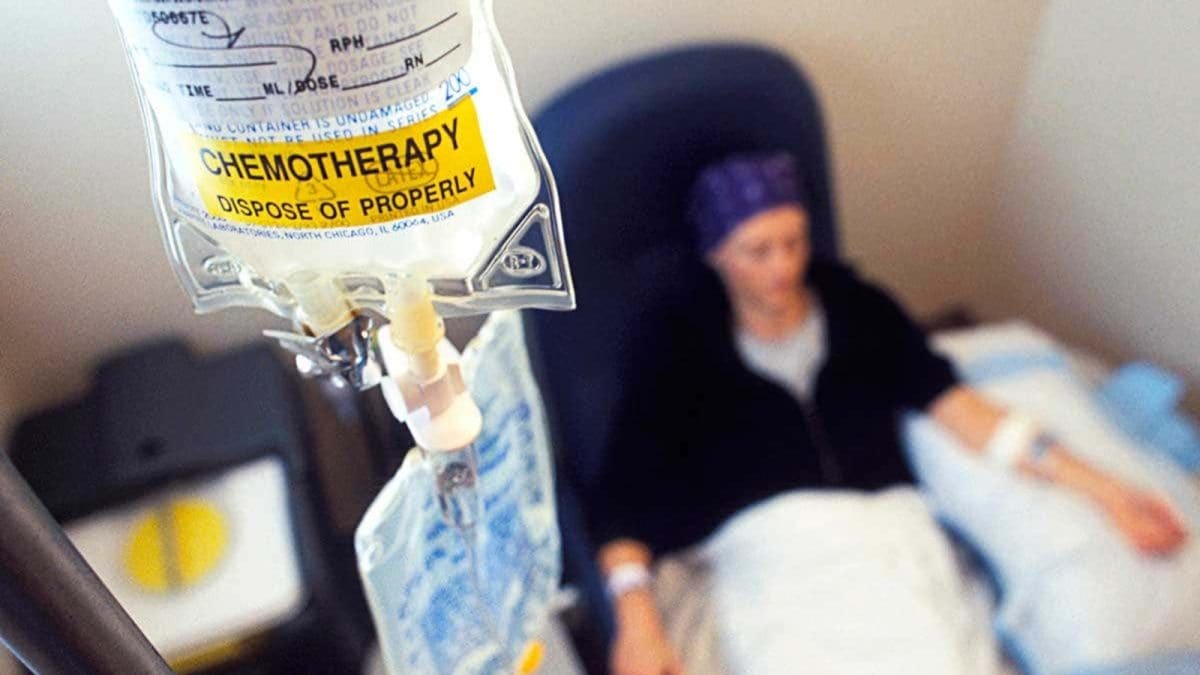
Semaglutide injections like Ozempic are now cheaper in India, but doctors warn of muscle loss, weight regain, and misuse risks. Here’s what you need to know.
When the first branded versions of semaglutide‑based injections landed in India, it felt like a rare treat for many of us who have a family member dealing with diabetes or a friend constantly talking about extra kilos. Then the generics started showing up on pharmacy shelves at roughly ₹1,300 a month – a price that many of us could actually consider. In a nation where more than a hundred million people are living with diabetes and obesity rates are climbing faster than the traffic on a Delhi highway at rush hour, an injectable that promises both weight loss and better blood‑sugar control sounds almost too good to be true.
But before we start cheering, I remember a conversation I had with Dr Gagandeep Singh, MBBS, Founder, Redial Clinic | Specialist in Reversing Diabetes, Hypertension, Obesity & PCOS without Medication. Dr Gagandeep Singh told me, “I would urge patients and the medical community to pause before declaring this a revolution.” That simple line made me stop scrolling through the Instagram reels that were glorifying Ozempic as a miracle pill.
What GLP‑1 Medications Actually Do – And What They Don’t
To get a clear picture, let’s start with the science in plain language. Semaglutide is a synthetic version of a gut hormone called GLP‑1. This hormone has two main tricks up its sleeve: it tells your brain you’re full, and it slows down how fast food leaves your stomach. The end result is that you end up eating less, which naturally leads to weight loss, and your blood‑sugar levels tend to improve.
“The results from global trials are impressive,” says Dr Gagandeep Singh. “The STEP trials showed an average weight loss of 12–15% of body weight, and the SELECT trial demonstrated clear cardiovascular benefits. These are significant outcomes.” In other words, the numbers are there, and they are good enough to make doctors around the world sit up straight.
However, Dr Gagandeep Singh also adds a crucial caveat: “The clinical reality often missed in headlines is that the moment you stop the drug, the weight tends to return. Semaglutide does not fix the underlying metabolic dysfunction, it only manages the consequences while the medication continues.” So, in the real world, the drug is more of a band‑aid than a cure.
The Muscle Problem No One Is Talking About
One of the less talked‑about side‑effects, but something that keeps Dr Gagandeep Singh awake at night, is the loss of muscle mass. Muscle is not just for looking good in a tank top; it is actually the body’s largest glucose sink – it burns sugar even when you’re just sitting on the sofa watching a cricket match.
“Muscle is the body’s largest glucose sink. It helps regulate blood sugar even at rest. Losing muscle mass can worsen insulin resistance in the long term,” explains Dr Gagandeep Singh. Imagine a pantry that suddenly has fewer shelves – the same amount of food (glucose) now has less space to sit, so it spills over into your blood, raising numbers that you have been trying to control.
This creates a paradox. “A patient may come off semaglutide significantly lighter, but metabolically more vulnerable, with less muscle and a slower metabolism.” In other words, the scale may show a win, but your body’s engine might be sputtering.
The Malnutrition Risk in Unsupervised Use
Another worry that Dr Gagandeep Singh raises is the danger of nutritional deficiency because of appetite suppression. When the drug tells you you’re full, you might end up cutting down on all kinds of food – not just the junk, but also essential proteins, vitamins, and minerals.
“When appetite drops significantly, patients often end up eating less of everything including essential nutrients like protein,” says Dr Gagandeep Singh. “Without proper guidance, what appears to be weight loss can actually be progressive malnutrition.” Think of a family dinner in a small town where the staple is rice and dal; if someone suddenly reduces the portion of dal, they are also cutting down on protein, which is already a limited resource for many Indians.
Dr Gagandeep Singh notes, “In India, where protein intake is already low, this becomes a serious public health concern.” The risk is amplified as generics become cheaper. “Lower cost removes the financial barrier, but it does not ensure medical supervision. That’s where the real danger lies,” Dr Gagandeep Singh points out.
What Should Patients Actually Do?
Now, what does Dr Gagandeep Singh suggest for people who are genuinely interested in trying semaglutide? The answer is not “just take the injection and wait for magic.” Rather, Dr Gagandeep Singh emphasizes that these medications have a role, especially for patients with severe obesity or those needing a metabolic bridge, but they should never be a standalone solution.
Dr Gagandeep Singh recommends a structured approach, one that mixes proper nutrition, exercise, and a long‑term plan once the drug is stopped. Below is a simple checklist that Dr Gagandeep Singh often shares with his patients:
- Ensure high‑protein nutrition to preserve muscle mass.
- Incorporate resistance training to counter muscle loss – think of body‑weight squats, dumbbell curls, or even lifting water‑filled bottles at home.
- Have a clear long‑term plan for life after the medication – this could involve gradual dose tapering, lifestyle coaching, or continuous monitoring of blood‑sugar and weight.
“The real question isn’t whether semaglutide works, it clearly does,” concludes Dr Gagandeep Singh. “The question is whether we are prepared to use it wisely, or if we will continue treating symptoms while ignoring the root cause of metabolic disease.” In everyday terms, it means we need to stop looking for a shortcut and start building a healthy habit that sticks, with or without a needle.
Living the Advice: A Day in the Life of an Indian Patient
To make the recommendations feel less like a lecture, let’s imagine a typical day for Ramesh, a 45‑year‑old accountant from Bengaluru who started semaglutide two months ago. He wakes up at 6 am, grabs a glass of warm water, and takes his injection before heading to the office. Instead of his usual paratha‑and‑curry breakfast, he now has a bowl of soaked oats with a handful of peanuts – a protein‑rich start that Dr Gagandeep Singh would approve.
During lunch, Ramesh skips the extra naan and opts for brown rice, a generous serving of rajma, and a side of cucumber salad. He feels the usual pang of hunger, but the GLP‑1 effect keeps it in check, so he doesn’t overeat. In the evening, instead of binge‑watching a drama series while snacking on chips, he does a 30‑minute resistance‑training routine using a pair of dumbbells he bought after reading Dr Gagandeep Singh’s advice.
By the time he goes to bed, he has logged his blood‑sugar reading, noted his weight, and reflected on the day’s protein intake – a habit Dr Gagandeep Singh says is essential for preserving muscle. He knows that if he ever stops the injection, those habits will keep his metabolism humming.
This little story illustrates how the combination of medication, diet, and exercise can create a sustainable lifestyle. It also shows that the “magic bullet” is really a set of small, consistent choices.
Practical Tips for Indian Households
For many of us, the challenge is not just personal discipline but also the availability of protein‑rich foods in our neighborhoods. Here are some practical, low‑cost ideas that align with Dr Gagandeep Singh’s guidance:
- Swap a part of the regular rice with quinoa or millets – these are higher in protein and fiber.
- Add a boiled egg or a spoonful of paneer to your evening snack instead of just a fistful of namkeen.
- Use lentil batter (idli/dosa) mixed with a bit of soy flour to boost protein without changing taste.
- When buying grocery items, look for “high protein” labels on dairy or fortified products – they are often just a few rupees extra.
These tweaks don’t require a huge budget, and they fit easily into a typical Indian kitchen. The key is consistency, something Dr Gagandeep Singh repeats in every consultation.
Monitoring and Follow‑Up – Why It Matters
One of the biggest pitfalls, according to Dr Gagandeep Singh, is the assumption that once you start losing weight, you can ignore regular check‑ups. In reality, the body’s response to semaglutide can vary day to day. Dr Gagandeep Singh advises patients to keep a simple log:
- Weekly weight – note any sudden drops that might signal muscle loss.
- Bi‑weekly blood‑sugar readings – to see if the drug is still doing its job.
- Monthly protein intake – either by counting grams or by tracking servings of legumes, dairy, and meat.
If any of these numbers start to look off, Dr Gagandeep Singh says it’s time to revisit the dosage or add a stronger resistance‑training routine.
Final Thoughts – A Balanced View
To sum it all up, semaglutide injections like Ozempic have arrived in India at a price that makes them accessible to many, but they are not a free pass to skip diet and exercise. Dr Gagandeep Singh’s message is clear: the drug works, but only when it is part of a broader, well‑planned lifestyle strategy. Ignoring muscle health, protein needs, and long‑term planning can turn an initial success into a setback.
So if you or a loved one are thinking about trying Ozempic, remember the three pillars Dr Gagandeep Singh highlights – protein, resistance training, and a solid after‑care plan. Treat the injection as a support, not a substitute. In the words of a common Indian saying: “Aankh ka taara hi nahi, daant ka daant bhi zaroori hai.” In other words, every part of the body matters, and a balanced approach will keep you healthy for the long haul.