When I first saw the headline about Justice Yashwant Varma quitting his post, I couldn't help but feel a mix of surprise and curiosity. It’s not every day you read about a sitting high‑court judge stepping down because of a cash‑discovery scandal, right? So, I decided to dig deeper and piece together the whole saga, just like I would explain a juicy movie plot to my friends over chai.
How the Story Unfolded
It all started back in March of last year when a fire broke out at Justice Yashwant Varma’s official residence in Delhi. The blaze exposed what looked like piles of cash hidden in a storeroom. I remember seeing the news clips: the camera zoomed in on bundles of currency, and the crowd on social media went wild, throwing in their own theories like it was a real‑life thriller.
After the incident, the then‑Chief Justice took note of the affair and ordered Justice Yashwant Varma to be transferred from the Delhi High Court back to the Allahabad High Court. The order came with a special instruction: the Chief Justice of the Allahabad High Court should not assign any judicial responsibilities to Justice Yashwant Varma. Imagine being told you can’t even handle routine cases – it felt like a big slap on the wrist.
Following the transfer, the Delhi High Court quietly withdrew any pending judicial work from Justice Yashwant Varma. The whole episode already sounded like a courtroom drama, but there was more to come.
The Resignation Letter – What Was Said?
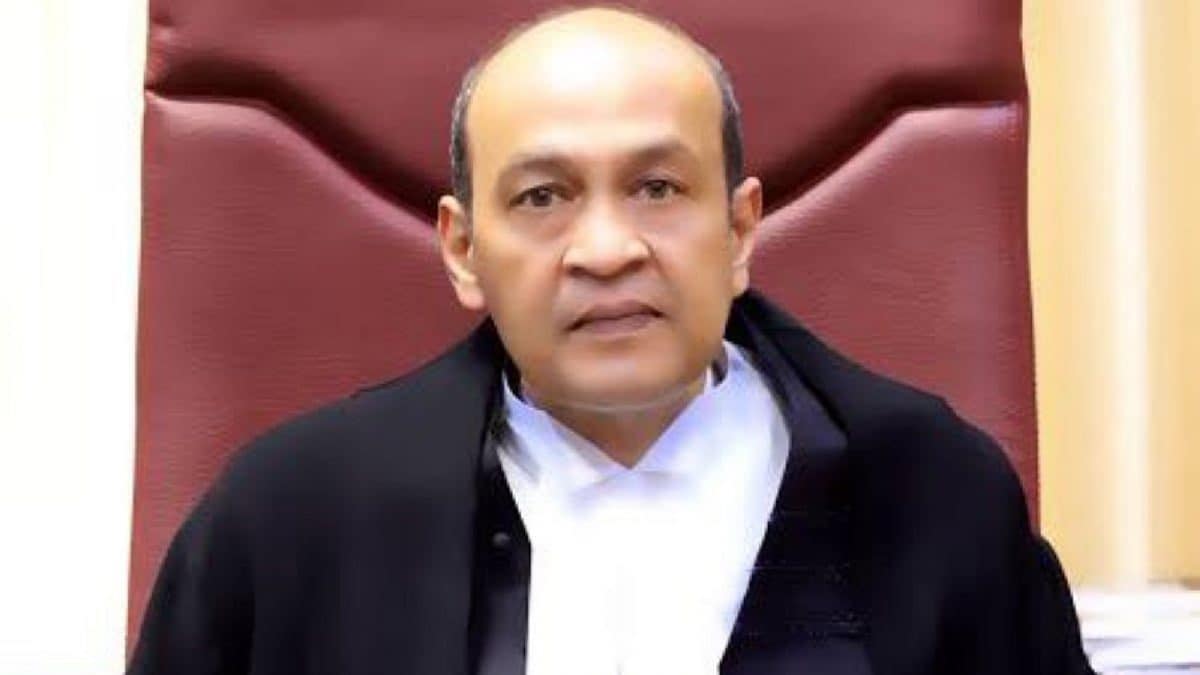
Fast forward to a Friday when Justice Yashwant Varma finally put his resignation on paper and sent it to the President of India. The letter was surprisingly brief and, oddly enough, didn’t give any explicit reason for stepping down. It read something like this:
"While I do not propose to burden your august office with the reasons which have constrained me to submit this missive, it is with deep anguish that I hereby tender my resignation from the office of Judge of the Hon’ble High Court of Judicature at Allahabad, with immediate effect. It has been an honour to serve in this office."
Reading that, I felt a pang of empathy. Imagine being caught in a storm of allegations and choosing to walk away rather than fight a battle you might not win. The tone sounded sincere, almost weary – like someone finally admitting they’re done.
Justice Yashwant Varma had taken oath as a judge of the Allahabad High Court on April 5, 2025. That means he served for barely a few months before this whole thing reached its climax. The resignation also triggers a legal nuance: once the President accepts it, Justice Yashwant Varma loses the constitutional immunity that sitting judges enjoy. In practical terms, that opens the door for a criminal case to be registered against Justice Yashwant Varma and for possible arrest proceedings. Until the President’s acceptance, however, that protection remains in place.
Cash Discovery Row – The Core Controversy
Let’s rewind a bit and look at the cash discovery itself. After the fire, investigators entered the storeroom and reportedly found large stacks of cash. The court even uploaded photographs and videos of the money online – something that felt almost unprecedented for a judicial matter.
Justice Yashwant Varma, on his part, denied any wrongdoing. He said neither he nor his family ever stored cash in that storeroom and insisted the area was accessible to anyone. I could almost hear the courtroom exchanges, with counsel asking, “Sir, were you aware of this cash?” and Justice Yashwant Varma replying, “I had no knowledge.” It sounded like a scene out of a legal drama, only this time the stakes were real.
In August, Lok Sabha Speaker Om Birla announced the formation of a three‑member panel to probe the allegations against Justice Yashwant Varma. The panel’s job was to sift through the evidence, interview witnesses, and decide whether there was enough ground for further action. The fact that the speaker himself got involved made the story feel like it was crossing from the judiciary into the political arena.
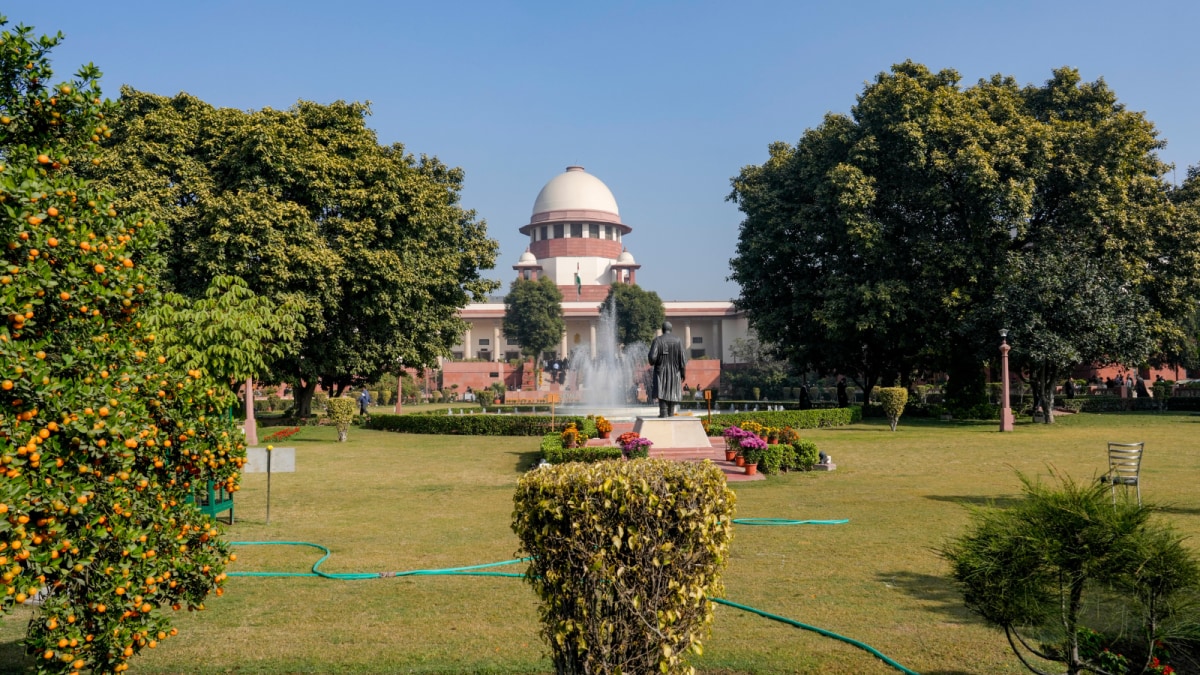
Meanwhile, the Supreme Court was busy handling Justice Yashwant Varma’s pleas. The judge had approached the Supreme Court twice: first, to challenge the in‑house committee report that recommended his removal, and second, to seek relief from the impeachment process. Both times, the Supreme Court dismissed the pleas, stating that the composition of the in‑house committee and the inquiry procedures followed were not illegal. This decision effectively cleared the way for Parliament to consider impeachment against Justice Yashwant Varma.
Legal Aftermath – What Could Happen Next?
Now that Justice Yashwant Varma has resigned, the legal pendulum swings in a new direction. If the President of India accepts the resignation, Justice Yashwant Varma’s immunity disappears, meaning a criminal case can be filed. The law says that a sitting judge can only be removed by Parliament after an impeachment motion is passed by both houses. Since Justice Yashwant Varma is no longer a sitting judge, that hurdle is lifted, and the criminal process can move forward more swiftly.
In most cases, the police would need a formal FIR (First Information Report) before they can arrest. Given the high‑profile nature of the case, I imagine the media will be watching every development like a hawk. It’s also likely that Justice Yashwant Varma’s legal team will try to protect his rights, perhaps arguing that the investigation itself is biased. The whole situation feels very much like a cricket match where the umpire has just been replaced – the dynamics change completely.
From a broader perspective, this episode raises questions about judicial accountability in India. The Judges (Inquiry) Act, which sets out the procedure for in‑house inquiries, was central to the Supreme Court’s decision. Some legal experts say the act needs an update to keep pace with modern expectations of transparency. As an everyday Indian, I find it reassuring that there is a mechanism to check judges, but it also makes me wonder how often such mechanisms are actually used.
Personal Reflections – Why It Matters to Me
Honestly, reading about Justice Yashwant Varma’s resignation felt personal. In my own neighbourhood, we often hear about politicians being caught in scandals, but it’s rare to see a judge’s name in the same breath. It reminded me of the time my uncle, who worked in a government office, faced a minor investigation. The whole family felt a mix of shame and curiosity, and people started gossiping in the local tea stall. That’s how the story of Justice Yashwant Varma traveled through our streets – from the big‑city news portals to the small‑town chai‑paan corners.
What struck me most was the human side of the resignation letter. The phrase “deep anguish” sounded real, as if Justice Yashwant Varma was confessing a personal loss, not just a professional setback. I could picture him sitting at his desk, pen in hand, thinking of the countless cases he presided over, and then realizing that the controversy was swallowing his every thought.
Also, the whole cash‑discovery episode reminded me of some of the myths we hear about ‘black money’ in India. Every time there’s a news story about hidden cash, folks start recalling old anecdotes of relatives stashing money under mattresses during the 1990s. The image of a high‑court judge allegedly holding cash in a storeroom felt surreal, yet it connected to those everyday narratives about money and secrecy.
In most cases, we trust the judiciary to be above such murky affairs. Seeing Justice Yashwant Varma’s name in headlines makes us question that blind trust. It forces an ordinary citizen like me to think about how institutions are run, and whether more openness is needed.
Overall, the saga of Justice Yashwant Varma is a reminder that no one is completely insulated from scrutiny. Whether you’re a politician, a judge, or even a common man, the spotlight can turn on you at any moment. That’s a lesson I’ll keep in mind the next time I hear a story that seems too far‑fetched to be true.
Conclusion – Looking Ahead
So, where do we go from here? For Justice Yashwant Varma, the immediate future might involve legal battles that could stretch for months, maybe even years. For the judiciary, this episode could spark discussions about revising the Judges (Inquiry) Act and making the process more transparent. And for the rest of us, it’s a reminder that the people we look up to can also be human, with flaws and challenges.
Whenever I talk about the case with friends over a cup of filter coffee, the conversation always circles back to the bigger picture – accountability, transparency, and the delicate balance between protecting the dignity of the judiciary and ensuring that justice is truly served. It’s a conversation that I think will continue long after the headlines fade.
Until then, I’ll keep an eye on the developments, hope for a fair outcome, and maybe, just maybe, learn a thing or two about how the Indian legal system works when even a high‑court judge steps down amidst controversy.