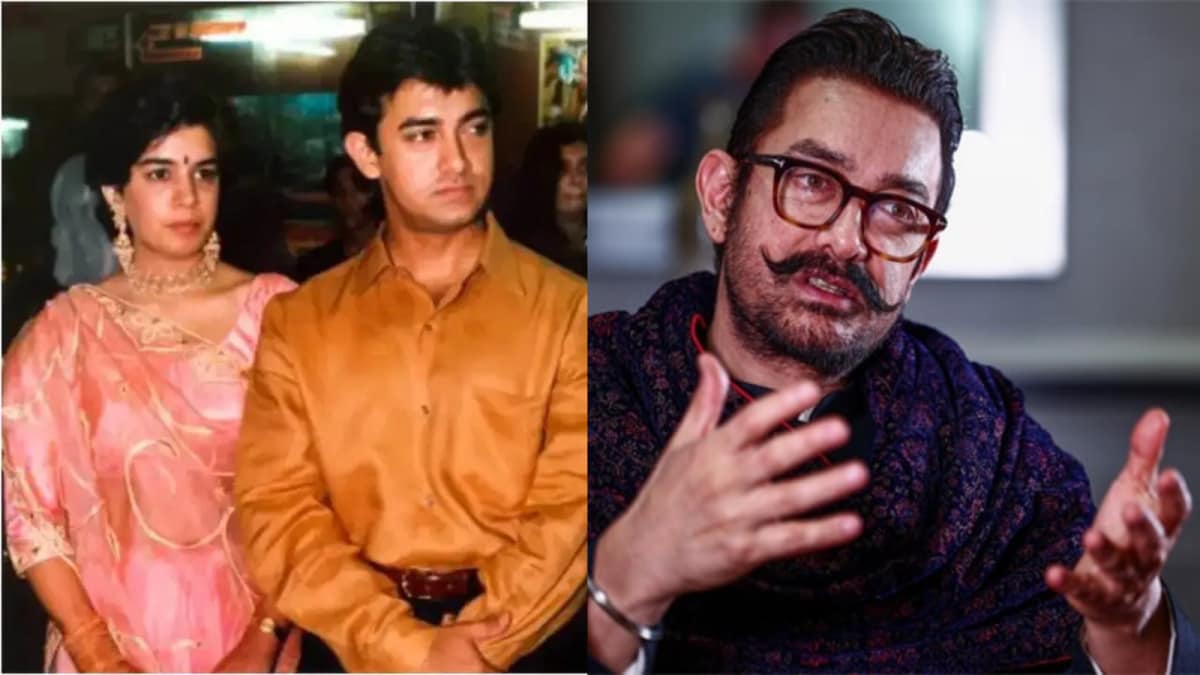
Aamir Khan opened up about his sudden turn to alcohol after his divorce
Honestly, when I first saw the segment of Duologue with Barun Das, I expected another typical Bollywood interview – you know, talk about the latest movie, some promotional banter. But instead, Aamir Khan sat there looking a bit weary and started talking about something far more personal: the night Reena Dutta moved out with their kids and how that changed his whole routine.
He said that before the divorce he was a strict teetotaller – never a drink in his hand, not even at parties. In most Indian families, especially those who grew up in the 80s, that’s quite common. You’d see his name on the guest list of many wedding receptions, yet you’d never see a glass of whisky next to him. But the moment Reena left the house, something inside him cracked. He described the feeling as “a sudden emptiness” that made the world look a bit hazier.
How the end of a relationship can mess with your mind and body
Break‑ups – whether they are high‑profile divorces like Aamir’s or the simpler split of a college sweetheart – do more than just break the heart. In most cases, they send shock‑waves through every part of our being. Research that I’ve read, mostly from health journals, points out that divorced people tend to pick up smoking more often than those who stay married. In India, where smoking already causes a huge health burden, that extra increase can mean a higher risk of cancer or chronic lung disease.
Sleep is another big one. When you hear a friend talking about sleepless nights after a breakup, it’s not just a cliché. The American Academy of Sleep Medicine says that lack of proper sleep contributes to hundreds of thousands of road accidents each year. Imagine a cab driver in Delhi who, after a bitter argument, starts nodding off at a red light – the consequences can be tragic.
Psychologically, a breakup often feels like a grieving process. You lose not just a partner, but the routine you built together – the Sunday morning chai together, the movie night, the shared jokes about the neighbour’s dog. It’s like losing a part of your identity. That can lead to feelings of loneliness, rejection, and sometimes even confusion about who you are now. Aamir’s own words echo that – he felt “unprepared for the emotional weight” that came when Reena moved out.
Many people, in the wake of such emotional turbulence, resort to coping mechanisms that are not always healthy. Alcohol, isolation, and emotional withdrawal become quick fixes. The line between a temporary escape and a harmful habit is thin, and that’s exactly where Aamir found himself – the line blurred fast because the pain was so raw.
Respect remains even when love changes shape
What struck me most about Aamir’s story is that even though the divorce was a “traumatic” chapter, he repeatedly mentioned that his relationship with Reena Dutta stayed respectful. In an older episode of Koffee with Karan, he said that despite the separation, the love and respect they once shared never vanished. It’s a subtle but important point – not every divorce turns into a battlefield. In many Indian families, especially those that value joint‑family ethics, maintaining civility after a split can be a lifeline for the children.
Think about a typical Delhi neighbourhood where families gather at the community park. If a couple separates but still respects each other, the kids can still meet their friends, the parents can still share a friendly hello. That kind of atmosphere helps everyone cope better. Aamir’s narrative reminds us that even when hearts break, dignity can stay intact.
Practical ways to deal with a breakup or divorce – lessons from Aamir’s journey
So, if you’re reading this and thinking “that could be me”, here are a few things that mental‑health experts, and even Aamir’s own experience, suggest. First, remember that healing is not a straight road. Some days you’ll feel like you can move a mountain, other days you’ll feel stuck in a small room with no windows.
Allow yourself to grieve
Grief is not a one‑time event. It’s a process that can stretch over weeks, months, sometimes years. You might find yourself crying over a song you used to listen to with your ex, or feeling a pang when you see a couple holding hands in a mall. Those moments are normal, and giving yourself permission to feel them prevents bottled‑up emotions from exploding later.
Lean on support, even when you don’t feel like it
It’s tempting to isolate yourself – “I don’t want anyone to see me broken”. But reaching out to friends, family, or even a support group can make a huge difference. In my own life, I once skipped a weekend outing with friends because I felt “too sad”, and later realised that sitting with them, laughing at silly jokes, gave me a brief respite from the heaviness. Aamir hinted at a similar truth when he said the isolation made his drinking habit worse.
Prioritise self‑care during the transition
Simple things like regular meals, a short walk in the park, or even a quick yoga session can stabilise mood. In a city like Mumbai, where traffic jams can feel endless, taking a 10‑minute walk after work can clear the mind. Aamir’s story shows that when he stopped caring for basic routines, the bottle became his go‑to companion. Re‑establishing those routines can act as a counter‑balance.
Seek professional help if needed
There’s no shame in talking to a therapist or counsellor. In our Indian context, mental‑health stigma is still there, but it’s slowly fading. Many famous personalities have opened up about seeing a psychologist, and that’s encouraging. If you notice that a coping habit, be it drinking or smoking, is becoming a daily necessity, it might be time to talk to a professional.
Reflecting on Aamir’s turning point
When Aamir finally acknowledged his drinking habit on television, it felt like a moment of honesty that few Bollywood stars display. He didn’t try to glorify it, nor did he hide it. Instead, he narrated it as a warning – how easily a strong, disciplined person can slip into self‑destruction when emotional pain is left unchecked.
He also mentioned that after a year of drinking, he realised the habit was harming his health, his work, and most importantly, his relationship with his children. That realization pushed him to seek help, cut down on alcohol, and start rebuilding his life step by step.
For many of us, the story is a mirror. We might not be actors, but we all face moments when life throws us off balance – a job loss, a family dispute, or a failed relationship. Aamir’s vulnerability teaches that acknowledging the problem is the first step towards fixing it.
Closing thoughts – love, loss, and moving forward
In the end, Aamir’s confession is more than just a celebrity gossip piece. It’s a reminder that heartbreak can turn anyone into a different version of themselves, sometimes for the worse. But it also shows that with respect, support, and a willingness to confront one’s own demons, recovery is possible.
If you ever find yourself reaching for that bottle after a painful breakup, remember Aamir’s journey – the bottle didn’t solve his problem, it only added new ones. Instead, try talking to a friend, taking a walk in the monsoon rain, or sipping chai while watching the sunrise over the Ganges. Small acts of self‑kindness can, over time, fill the void that an ex‑partner left behind.
And perhaps, just perhaps, the next time you hear a story about a star’s personal struggle, you’ll see beyond the glitter and focus on the human lesson hidden inside.