Who is Zsolt Hegedus and why his dance mattered
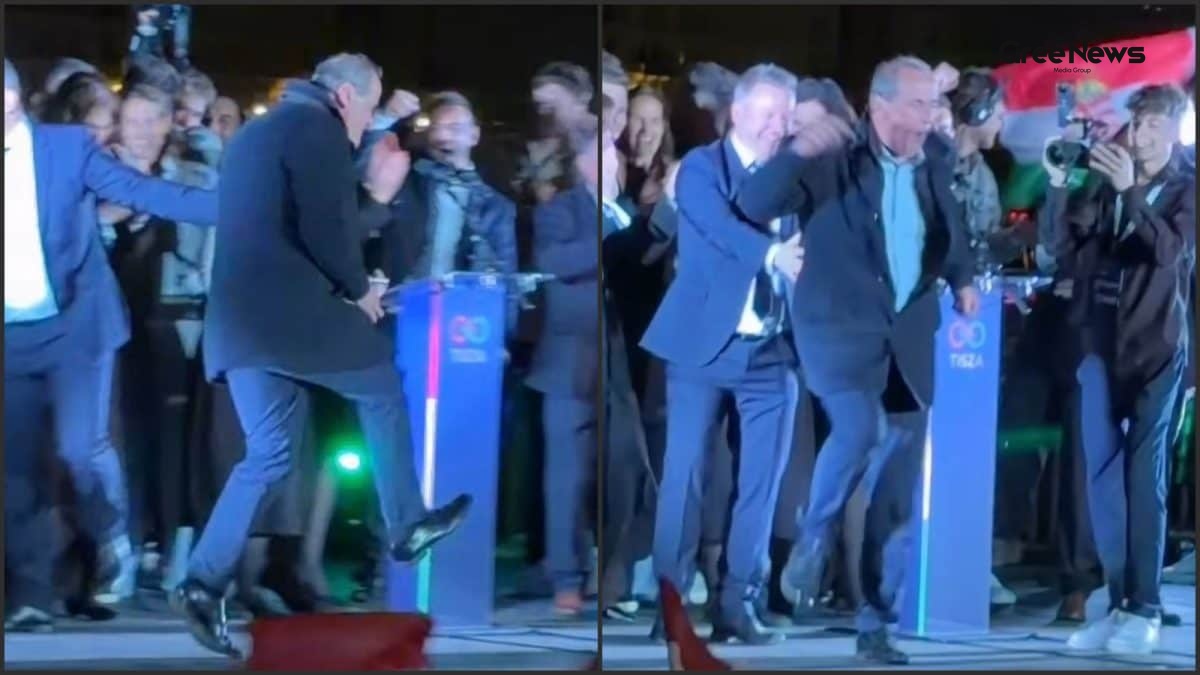
Honestly, when I first saw the clip, I thought it was some prank. But it turned out to be the real deal Zsolt Hegedus, a veteran orthopaedic surgeon, was genuinely dancing on a political stage in Budapest. He’s been hand‑picked by Peter Magyar, the leader of the centre‑right Tisza Party, to become the next Health Minister. That alone makes his appearance interesting, because you don’t often see a doctor turning into a TikTok‑style dancer during a high‑stakes political event.
What makes this even more fascinating is Hegedus’s background. Before coming back to Hungary in 2015, he spent many years working in leading medical clinics in the United Kingdom. He returned home with a mission: to overhaul the Hungarian healthcare system. Over the years, he earned a reputation as one of the key architects of the Tisza Party’s health policy agenda. So when you hear that an orthopaedic surgeon‑turned‑politician is now the incoming Health Minister, you can imagine the mix of expertise and fresh perspective he brings.
The election that turned everything upside‑down
The election itself was nothing short of a political earthquake. After more than a decade and a half under Viktor Orbán’s rule, the voters gave a massive thumbs‑up to Peter Magyar’s Tisza Party. The party clinched a projected two‑thirds super‑majority in the parliament, a number that essentially guarantees they can push through any legislation they want, including major health reforms that Hegedus has been promising.
Now, imagine the atmosphere in Budapest that evening crowds cheering, fireworks lighting up the Danube, and the air buzzing with the feeling that something historic just happened. In most cases, after such a victory, politicians gather around a podium, deliver long, serious speeches, and then retreat to their cars. But this time, something completely different happened.
Right after the victory address, Hegedus walked onto the stage, turned up the music and started dancing. The moment was captured on a phone, and within minutes it turned into one of the most shared clips of the day a perfect blend of politics and pop culture that many described as "the most unexpected move in recent Hungarian politics".
What happened next is interesting: the dancing video completely eclipsed parts of the victory speech on social media. Even the mainstream news channels had to replay the clip multiple times, because the public was so hooked. This is a classic case of breaking news turning into viral news, especially when the content is light‑hearted yet set against a serious backdrop.
Why the clip went viral a look at the psychology
Everyone loves a good underdog story, or in this case, a surprise twist. The video tapped into a few key ingredients that make content spread like wildfire: surprise, emotion, and relatability. People were expecting a standard political ceremony, and instead they got a doctor doing a spontaneous dance. It was a moment that felt human, unfiltered, and a little bit joyous.
From a digital perspective, the clip hit the sweet spot for algorithms. It got tons of likes, shares, and comments within the first hour. The platform’s recommendation engines saw the high engagement and started suggesting it to more users a perfect example of how trending news India often emerges from a single, captivating piece of content.
Some users even created memes, adding funny captions in Hindi and regional languages, which only amplified the reach. The combination of a serious political victory and a light‑hearted moment made the clip a perfect candidate for viral news, not just in Hungary but across the globe.
Reactions from the crowd and political insiders
During the celebration, the crowd erupted in cheers as Hegedus started moving. Many supporters filmed the moment on their phones, shouting "Zsolt, keep dancing!" as if they were at a concert, not a parliamentary victory party. The energy was electric, and it reminded me of the excitement you feel at a big cricket match when the stadium erupts after a six.
Political insiders were quick to weigh in. Some praised Hegedus for showing a human side, saying it broke the usual rigidity of political ceremonies. Others, however, warned that such a move could be seen as frivolous, especially when the country is about to undergo massive policy changes.
In most cases, the Tisza Party’s spokesperson defended the dance, describing it as a spontaneous expression of joy after a hard‑fought victory. They also highlighted that Hegedus, as the incoming Health Minister, would bring a fresh perspective to the healthcare system a sector that many Hungarians feel needs urgent attention.
What surprised many was that even the opposition leader commented, noting that while politics can be serious, moments of levity help keep the public engaged. That comment sparked a wave of discussions online about the role of personality in politics, a theme that often appears in trending news India.
Connecting the dots what this means for Hungarian politics
So, why does this dancing clip matter beyond the laughs? First, it signals a shift in political culture. The end of Orbán’s 16‑year rule already marked a huge change; now, the incoming administration seems ready to break away from old‑fashioned formalities.
Second, Hegedus’s background as an orthopaedic surgeon brings a professional credibility that could shape health reforms. With the projected two‑thirds super‑majority, the Tisza Party will have the muscle to push through ambitious legislation, and Hegedus stands at the forefront of that agenda.
Finally, the viral nature of the video highlights the power of social media in modern politics. In many ways, this episode mirrors how political moments in India from election rallies to ministerial announcements are now being consumed and discussed online first, making them part of the breaking news landscape.
Many people were surprised by this new blend of politics and pop culture, and it could pave the way for more relaxed, relatable political communication in Hungary. Whether that leads to better governance or just more entertaining political theatre remains to be seen, but the world will be watching.
Personal take why I found it so captivating
Honestly, as someone who follows a lot of international news, I often see political events that feel very stiff speeches, formal handshakes, all that. This moment felt like a breath of fresh air. It reminded me of the time when Indian politicians, after a major win, break into an impromptu dance at a local wedding hall it's not usual, but it happens, and it makes the whole scene more human.
What caught my attention was how the dance didn’t just stay a local story; it quickly turned into global breaking news, appearing on multiple news portals as a top trending piece. It shows that the world is hungry for content that mixes seriousness with a pinch of fun. And that’s exactly the kind of trending news India loves to read something that’s relevant, light‑hearted, and has a bigger story underneath.
If you ask me, this video will be remembered not just for the dance steps but for what it represented: a new political era, a shift in communication style, and a reminder that even leaders are humans who enjoy a good beat now and then.
Looking ahead what to watch for next
With the Tisza Party’s landslide, the next few months will be critical. Expect a flurry of policy announcements, especially in health, as Hegedus prepares to take charge of the ministry. Observers will be watching how his medical background translates into real reforms will he prioritize modernizing hospitals, improving orthopaedic care, or perhaps bring in some of the best practices he learned in the UK?
On the media front, the viral clip set a precedent for how political narratives can be shaped by unexpected moments. Journalists and social media managers will likely try to infuse more personality into political coverage, hoping to replicate the engagement levels seen here.
And for us, the everyday reader, it means more opportunities to see our leaders in a less formal light maybe the next minister will bring a guitar to a press conference, or a mayor might join a local dance troupe. Who knows? The only certainty is that such moments will continue to dominate the breaking news and trending news India spaces, keeping us all hooked.