- Ananya Gupta
Several complaints allege the victims were pressured into consuming beef, performing 'namaz', and in some cases, drawn into physical relationships under false promises of marriage
Honestly, when I first heard about this case, I thought it was just another workplace dispute that would die down after a few internal meetings. But as the latest news India kept flashing it on my phone, I realised it was turning into something far more complicated – a tangled web of alleged harassment, forced religious practices, and even accusations of conversion pressure.
What began as a sexual harassment complaint at the Nashik office of tech giant TCS has now snowballed into a massive investigation. The allegations are not limited to unwanted advances; they also claim that women were coerced into eating beef, performing namaz, and in some instances, lured with promises of marriage that turned out to be nothing but a ruse.
How the story unfolded – a step‑by‑step look
Let me walk you through the sequence as I pieced it together from the breaking news reports, statements from officials, and a few conversations with people who follow the case closely. First, nine FIRs were lodged, each detailing repeated instances of alleged harassment, stalking, and derogatory remarks about religion. The Special Investigation Team (SIT) handling the case is now sifting through these complaints, trying to map out a possible pattern.
The SIT’s report mentions that the accused allegedly formed a WhatsApp group consisting mainly of employees from a particular community. According to sources, this group wasn’t just for after‑work chats – it was allegedly used to spot and target women within the office, possibly to plan the “conversion” tactics.
What happened next is interesting. One of the victims, who chose to stay anonymous, told investigators that she was approached with a job offer that sounded too good to be true. The offer quickly turned into a series of meetings where she was asked to eat beef during lunch breaks – something that, in her cultural context, is a sensitive issue.
She further claimed that the same person tried to persuade her to bow down during namaz, despite her being from a different faith. The pressure didn’t stop there – there were also promises of marriage that later turned out to be false, leaving her feeling trapped.
Why the religious angle matters – a deeper look
India is a country where religion intermixes with everyday life, and any hint of forced conversion can quickly become a viral news story. In most cases, people are already wary of any attempt to change someone’s faith, especially when it’s tied to workplace power dynamics.
Sources say the digital trail – chats, call logs, and shared media – suggests a deliberate effort to blend harassment with religious pressure. The investigators are now trying to connect the dots between the alleged sexual exploitation and the push for religious conversion. If proven, this could have far‑reaching implications, not just for TCS, but for all corporate policies across the country.
There’s also a suspicion that a separate, exclusive group was created around the first complainant, who later faced sexual exploitation. This layer adds a chilling dimension, hinting at a potentially organised network rather than isolated incidents.
Agency involvement – the case goes national
Even though the incident started in Nashik, the gravity of the accusations attracted attention from central agencies. The Anti‑Terrorism Squad (ATS), the National Investigation Agency (NIA) and the Intelligence Bureau (IB) have all asked for detailed inputs from the SIT. That’s a clear sign that they’re treating this as more than just a workplace dispute – they’re looking at possible anti‑national elements, external funding, or links to banned organisations.
Agents are now analysing digital activity, financial transactions and even any international connections that the accused might have. You can sense the urgency – it’s like watching a cricket match where the fielding side suddenly brings all the bowlers on for a “death over”. The next few days could decide whether the case stays limited to a few arrests or expands into something larger.
Arrests and the man still on the run
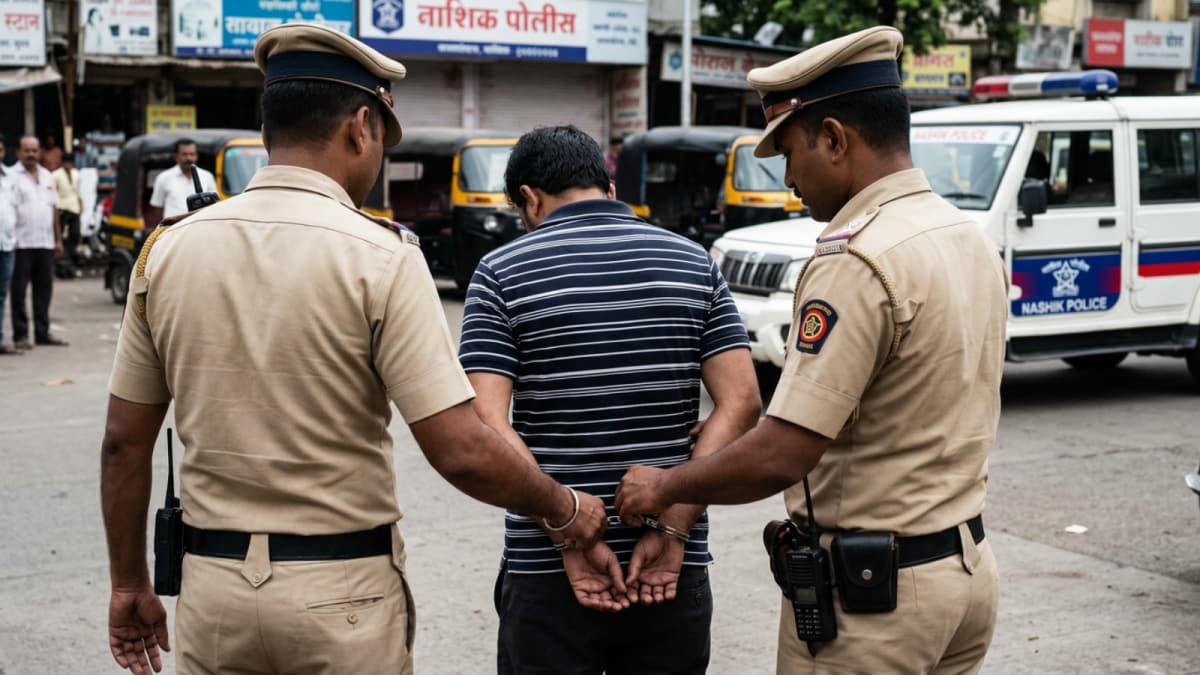
So far, seven accused have been taken into custody. Among them, five – Tausif Attar, Raza Memon, Shahrukh Qureshi, Shafi Sheikh, and Asif Ansari – have already been sent to judicial custody. The company’s Operation Manager, Ashwini Chenani, was arrested in Pune and remanded to police custody.
One name keeps popping up in every report – Nida Khan. She’s the first complainant and is still missing, with law‑enforcement agencies actively tracing her whereabouts. Her disappearance adds another layer of mystery, making many wonder if there’s a concerted effort to silence her.
During the interrogation of a person initially thought to be an accomplice, investigators discovered that he himself was allegedly coerced into changing his religion a few years back. His confession shed light on the psychological tactics allegedly used: gradual behavioural influence, constant pressure, and a sense that refusing could cost you your job.
Government reaction – promises and promises
When State Minister Girish Mahajan visited Nashik, he described the case as “extremely serious and shameful”. He highlighted the multiple allegations – harassment, forced religious practices, and mental torture – and warned that any proven wrongdoing would attract strict action.
Mahajan also appealed directly to women across Maharashtra, urging them to step forward without fear. He promised that their identities would be protected and that the government would lend full support. In his words, the Chief Minister has taken the matter “very seriously”, directing authorities to ensure a fair and thorough investigation.
This statement has become a part of the trending news India conversation, with many women sharing their own experiences of workplace pressure, hoping the spotlight will bring about change.
TCS’s official stance – zero tolerance
In response, Tata Consultancy Services released a statement reaffirming its zero‑tolerance policy towards any form of harassment or coercion. They said they had suspended all employees under investigation and were fully cooperating with the local police and central agencies.
According to the company, any further internal actions will depend on the outcome of the official investigation. The statement, while official, feels a bit like a corporate PR move – but given the scale of the allegations, it’s at least a start.
From my perspective, seeing a giant like TCS take these steps is encouraging. It shows that “breaking news” of this nature can push even the most powerful organisations to act, ensuring that the workplace becomes safer for everyone.
What this could mean for the future
As the investigation deepens, many analysts are saying the coming days will be crucial. If the agencies find solid evidence of a coordinated network that mixes sexual exploitation with religious pressure, it could trigger new legal frameworks around workplace harassment in India.
It could also fuel the ongoing debate about freedom of religion versus forced conversion, especially in corporate settings. For regular folks, the case serves as a reminder to stay vigilant about the culture in our offices – whether it’s a tech hub in Nashik or a start‑up in Bangalore.
And, of course, for anyone scrolling through their feed, this story is a perfect example of how a local grievance can turn into viral news that shapes public discourse. So, keep an eye on the updates – the next twist might be just around the corner.