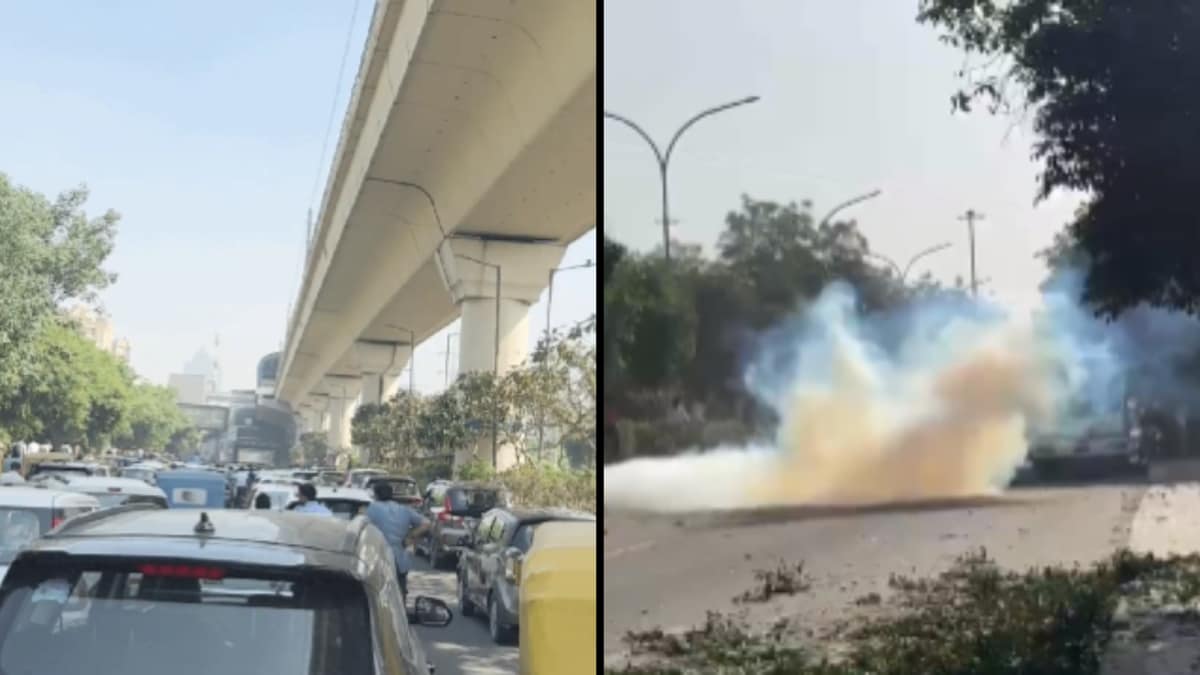
Protest by factory workers in Noida causes massive traffic jams on key routes; clashes with police turn violent.
Honestly, I never imagined that a simple drive from my flat in Sector 62 to the office could turn into an hour‑long ordeal, but that’s exactly what happened the other day. I was on my usual route, sipping masala chai and listening to the latest news India on the radio, when I hit the first convoy of stalled cars near the Film City–Mayamaya stretch. It felt like the whole city had decided to stop moving at once. The traffic was crawling, and I could see the same frustration on the faces of fellow commuters – a mix of anger, helplessness and the odd hope that maybe the jam would clear up soon.
It turns out that a group of factory workers had launched a protest demanding better wages and safer working conditions. They chose the exact moment when the city’s arteries are busiest – the morning rush hour – which, in my opinion, was a strategic move to force attention. The protest quickly blocked the DND Flyway, the National Highway 9 stretch, and key link roads between Delhi and Noida. I could hear horns blaring from every direction, and the smell of exhaust mixed with the occasional waft of street food from nearby stalls made the whole scene feel chaotic yet oddly familiar, like the traffic jams we often see during big festivals.
What made the situation even more puzzling was the lack of visible traffic police. I pulled over a few metres behind a truck and tried calling the traffic helpline, but the line was dead. A fellow commuter, who seemed to be a regular on the route, posted an angry tweet saying, “Workers agitation has blocked the traffic on DND. Entry of Noida from last 2 hours. May help to regularise the traffic. General public is harassed. Thousands of people are stuck,” tagging the official traffic handle. It was clear that the usual mechanisms to manage such chaos were either overwhelmed or simply not present.
While we were all stuck, other social media posts started surfacing. One user wrote, “Entire stretch of Noida 62 towards sector 51 has been in traffic. No traffic police available and not sure why such huge traffic jam. Need quick support to decongest this route, we are office goers people,” tagging the Uttar Pradesh Police. It struck me how quickly the frustration turned into a digital petition for help. Many of us started sharing screenshots of the jam, offering suggestions – like taking the Sector 73‑74 route or using the metro – hoping that a collective voice could push the authorities into action.
From my car window, I could see the protestors standing with placards, chanting slogans, and some holding tools that seemed to be from the factories they represented. The atmosphere was charged; you could feel the tension building as the crowd grew larger. I remember hearing a local shopkeeper on the side of the road shouting, “If they want our attention, they should do it without burning our vehicles!” That comment foreshadowed the next twist in the story – the protest turning violent.
Suddenly, a few protestors started breaking the glass of a parked car, and soon after, stones were being pelted at a police barricade. In the chaos, a car caught fire, its orange flames flickering against the already hazy sky. The sight was shocking – a local resident drove past, capturing the moment on his phone and posting it with the caption, “This caught people's attention; what happened next is interesting.” It was a stark reminder of how quickly a peaceful demonstration can spiral, especially when both sides feel cornered.
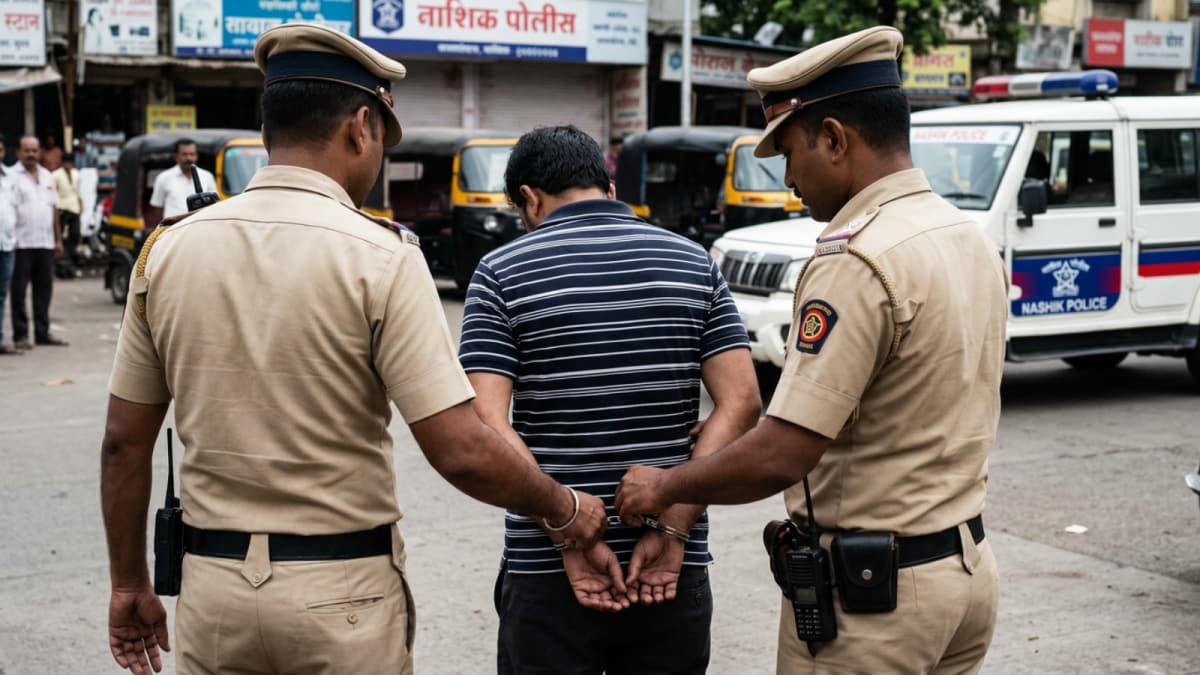
Police reinforcements from Delhi and Noida arrived in bulk, but the sheer volume of vehicles made it hard for them to restore order. According to a source quoted by PTI, “Personnel from the Delhi Police and Noida Police were deployed to manage the situation and divert traffic, but the heavy volume of vehicles compounded the chaos.” The troops tried to set up alternate routes, but with the DND Flyway blocked, the detours were long and unfamiliar to many commuters, especially those travelling from the outskirts of the city.
Amidst the pandemonium, I started chatting with a few people on the phone. One colleague from a nearby BPO said, “I’ve never seen the DND Flyway this clogged. I think we’ll have to continue working from home for the rest of the day.” A few others mentioned that they were heading to Fortis Hospital in Sector 62 for appointments, and the delay could be critical. The human impact was palpable – from daily office workers to patients needing urgent care.
Beyond the immediate inconvenience, the incident sparked a slew of rumors online. Some users linked the jam to preparations at the Dalit Memorial ahead of Ambedkar Jayanti, though there was no official confirmation. Others speculated that the protest might be a cover for a larger political agenda. This speculation made the story go viral, turning it into trending news India across platforms. The hashtag #NoidaTraffic started trending, and even some national news channels picked up the story as breaking news, describing it as a “viral news” moment that highlighted both labour issues and urban traffic challenges.
Reflecting on the whole episode, I realized how dependent we are on smooth traffic flow. A single disruption can cascade into a city‑wide crisis, affecting thousands of lives. It also reminded me of a similar incident a few years back when a farmer protest in a nearby state blocked the Delhi‑Noida Expressway for an entire day. Back then, the government quickly stepped in, but this time the response seemed slower, perhaps because the protest’s focus was more local and the authorities were caught off‑guard.
In the end, after several hours, the police managed to clear a narrow lane on the DND Flyway, allowing a trickle of vehicles to move forward. By the time the traffic finally resumed, many of us had already missed our office timings, some had to call in sick, and a few had to cancel important meetings. The whole experience left a lingering sense of frustration, but also a strange sense of camaraderie – strangers sharing food packets, chatting about their families, and laughing about the absurdity of the situation.
Looking back, the incident serves as a reminder for city planners and policymakers. It underscores the need for robust contingency plans, real‑time traffic monitoring, and better communication channels during emergencies. Moreover, it brings forth the importance of addressing workers’ grievances before they spill over onto public roads. As we continue to digest this breaking news India story, one can only hope that the lessons learned will translate into smoother commutes and more responsive governance in the future.
For anyone navigating Noida's streets now, the takeaway is simple: stay tuned to India updates, check real‑time traffic apps, and be prepared for sudden disruptions. And if you ever find yourself stuck in a similar jam, remember that a little patience, a shared snack, and a good story can turn even the most frustrating hour into a memorable experience.