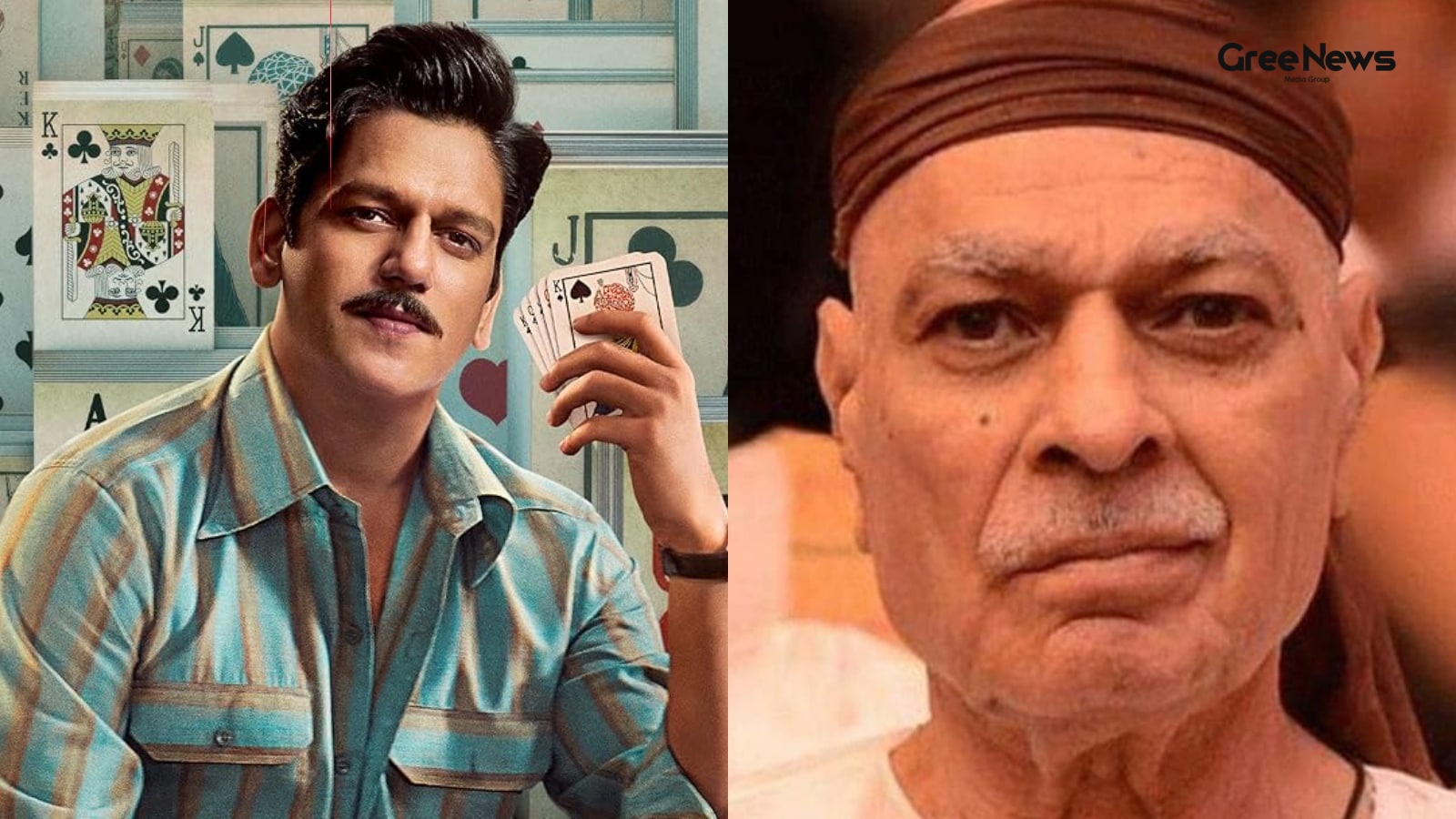
Who was Ratan Khatri? The real Matka King behind Vijay Varma’s series
Honestly, when I first heard about Vijay Varma’s new show ‘Matka King’, I thought it was just another gangster drama. But then I dug into the back‑story and realised the series is actually echoing the life of a real person Ratan Khatri. In most of the breaking news India today, his name pops up as the original Matka King, the guy who turned a simple numbers game into a nationwide frenzy.
Ratan Khatri wasn’t a born gambler; he was a migrant who landed in Bombay with almost nothing after Partition. He started small, but his brain was always ticking, looking for ways to make a living that could also reach the common man. That’s why his story feels so trending news India it’s about ambition, survival, and a quirky twist of fate that turned a pot into a symbol of hope.
From Karachi to Bombay: A life rebuilt
Born in Karachi around 1932, Ratan Khatri grew up in a Sindhi Hindu family. The Partition of 1947 ripped his world apart. Like millions of other refugees, he boarded a crowded train, clutching a few belongings and a lot of hope, and arrived in Bombay a city already buzzing with strangers, factories, and endless streets.
In those early days, he worked in the cotton trade. The cotton market was linked to the New York Cotton Exchange, and the local gambling circles would bet on those foreign rates. But that system was complicated, almost like a maze, and not many people trusted it. Ratan saw the gap people wanted something simple, something they could understand with a quick glance.
That observation became the seed of what later turned into a viral news story about gambling reform. He realised, “If I can make this game simple, I can bring it to the masses.” You know, that’s the kind of insight that makes a regular man turn into a legend in the latest news India cycle.
The matka revolution: simplicity as power
Come 1962, Ratan Khatri launched what he called the ‘Main Bazaar Matka’. Instead of pulling numbers from distant commodity rates, he used an earthen pot a matki and drew cards from it. The whole process happened in front of the bettors, making it feel transparent. It was almost like watching a street magician, but with real stakes.
What made it explode was the low entry point a single rupee could get you in the game. A factory worker, a taxi driver, even a street vendor could place a bet. The game turned into a nightly ritual; families would gather around radios, listening to the numbers being announced. It wasn’t just a gamble; it was a shared moment of hope.
By the 1970s the network grew like a vine across the city, and then beyond. Reports say the daily turnover reached crores. That kind of figure is what you keep seeing in trending news India when they talk about underground economies massive, hidden, yet undeniably real.
Power, control, and the Emergency crackdown
Now, here’s where it gets interesting. Even though the trade was illegal, Ratan Khatri built his empire on a strange principle fairness. Winners were paid on time, results weren’t rigged. In a world where cheating was the norm, his reputation for honesty made him almost a folk hero.
But the political climate changed fast. During the Emergency of 1975, the government started cracking down on anything that seemed to fuel black money. Matka, being a massive cash‑flow operation, became a target. Ratan was arrested and spent almost 19 months in prison. The narrative around his arrest made headlines in breaking news, showing how the state tried to clamp down on such parallel economies.
Still, after the Emergency eased, his network bounced back. The resilience of his system was a reminder of how deeply woven it had become into the city’s fabric. It’s the kind of story that keeps people scrolling you never know what will happen next.
Beyond gambling: Film production and other ventures
What many people don’t know is that Ratan Khatri also dipped his toes into Bollywood. He quietly funded a few films, perhaps as a way to diversify his earnings or maybe because he loved cinema. He never sought the limelight; unlike many other underworld figures, he preferred staying behind the scenes.
His involvement in films was modest, but it added another layer to his already complex legacy. The fact that a matka king was also a film investor made some headlines viral in the entertainment section a perfect blend of crime and glamour that drew more attention to his story.
Even today, when you talk about the evolution of underground finances in India updates, his name pops up as an early example of how illicit money can seep into mainstream media.
Retreat and a complicated legacy
By the early 1990s, the pressure from law‑enforcement agencies grew stronger, and new betting formats, like the internet and satellite‑based games, started to appear. Ratan Khatri realised the game was changing, and he chose to step back. He retreated into a quiet life in Mumbai, living away from the public eye until his death in 2020 at the age of 88.
His legacy remains divided. Some view him as a visionary who gave ordinary people a chance to dream, a sort of Robin Hood figure in the world of gambling. Others argue he built an economy that fed addiction and desperation. It’s a debate that still pops up in the latest news India, especially when new forms of gambling emerge.
What’s undeniable is that his name is etched into Mumbai’s cultural memory. Even kids in chawls today hear stories about the Matka King, and many still recall the excitement of waiting for the nightly numbers a ritual that, in many ways, defined an era.
The fictional echo in Vijay Varma’s ‘Matka King’
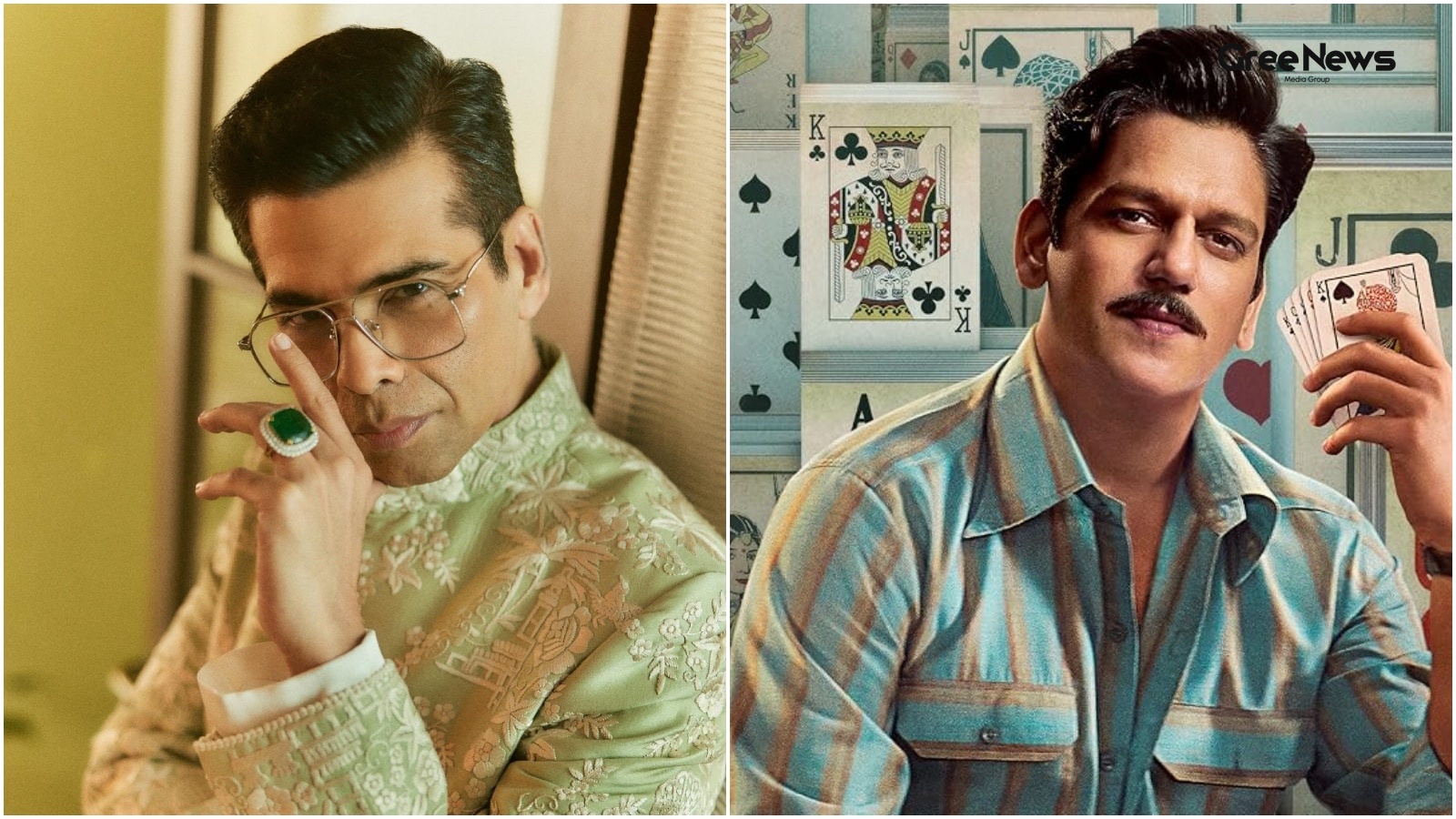
When director Nagraj Manjule announced the series, I was curious how much of Ratan Khatri’s life would actually make it to the screen? The show follows Brij Bhatti, a struggling trader who climbs the same ladder Ratan once did. While the series isn’t a straight biopic, the emotional beats feel very close to the real story.
Vijay Varma’s performance is restrained, almost silent, just like the real Matka King’s reputed demeanor. The cramped chawls, the smoky tea stalls, the hushed negotiations with local police all of that feels like a recreation of the world Ratan lived in. It’s like watching a living history lesson, and it’s definitely catching people’s attention in the trending news feeds.
Supporting cast members, like Sai Tamhankar, add depth to the narrative showing the human cost of such an empire. The series also subtly hints at the political backdrop, the Emergency, and the eventual decline, mirroring the factual timeline we discussed earlier.
Even though the show takes creative liberties, the core truth remains: matka was never just about numbers, it was about aspiration in a country still figuring out its own identity. That emotional truth is what makes the series resonate, turning it into a piece of viral news that many are talking about across social media.
Why Ratan Khatri’s story matters today
So why should you, reading this as part of your daily India updates, care about a man who died a few years ago? Because his story offers a lens into how underground economies shape societies. The matka network was an early example of a parallel financial system that existed alongside formal banking something we still see today with digital wallets and informal lending.
Moreover, his approach to making gambling transparent and accessible is oddly reminiscent of today’s fintech platforms that aim to democratise financial participation. It’s a reminder that the line between legal and illegal often blurs, depending on who controls the narrative.
And let’s not forget the cultural impact the phrase “matka” still pops up in everyday conversation, from jokes to songs. The legacy lives on, making Ratan Khatri a name that keeps re‑appearing in the latest news headlines, especially when there’s a fresh discussion on gambling regulations in India.
Conclusion: The man behind the myth
To sum it up, Ratan Khatri, the real Matka King, was a man who turned a simple clay pot into a symbol of hope, risk, and ambition for millions of Indians. His life story, from a Partition refugee to an underground mogul, is as gripping as any thriller on TV. While the series ‘Matka King’ adds drama and colour, it stays true to the heart of his journey a quiet, disciplined, and surprisingly fair entrepreneur who understood human desire better than most.
If you’re following the breaking news, the trending news India, or just love a good under‑dog tale, his story is worth a read. And who knows maybe the next big series will draw inspiration from another hidden chapter of India’s past, keeping the cycle of curiosity and storytelling alive.