International Law Scholars Decry Alleged Breaches in Middle East Conflict Involving United States, Israel and Iran
International Law Scholars Decry Alleged Breaches in Middle East Conflict Involving United Nations, United States, Israel and Iran
Open Letter of Over One Hundred International Law Experts
More than one hundred scholars, jurists and practitioners of international law have signed an open letter that expresses profound concern over what the signatories describe as serious violations of international law committed by United States, Israel and Iran during the ongoing Middle East war.
The signatories argue that the joint decision of United States and Israel to launch an attack on Iranian territory constitutes a clear breach of the United Nations Charter, which limits the use of force to cases of self‑defence or to actions expressly authorised by the United Nations Security Council.
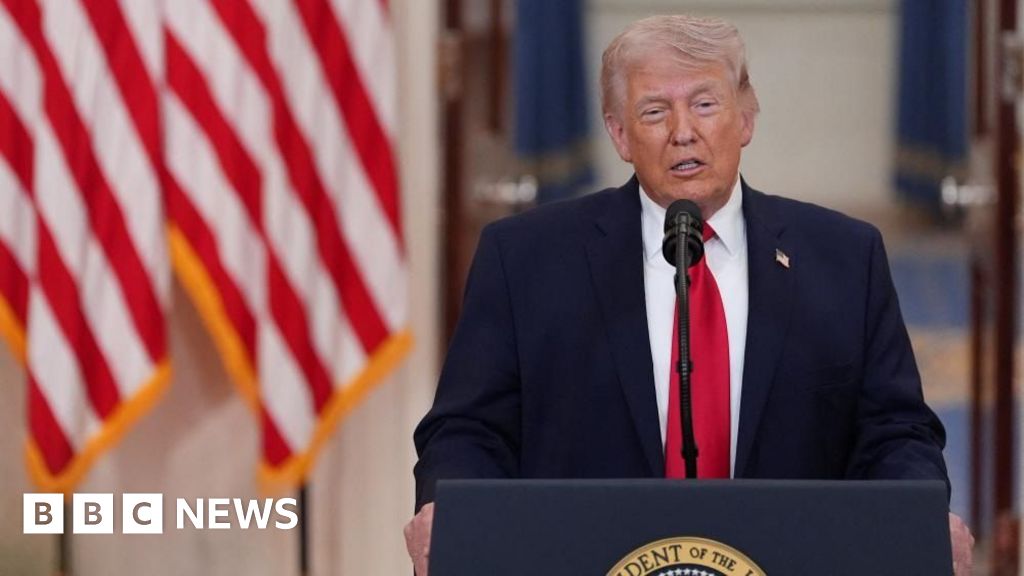
In addition, the letter highlights what the signatories term "alarming rhetoric" from senior officials, citing statements by Donald Trump that threaten to "obliterate" Iranian power plants.
White House Response and Dismissal of Critics
In a public response, the White House characterised Donald Trump’s approach as a measure that makes the entire region safer. The White House further dismissed the signatories as "so‑called experts" and rejected the allegations of legal breach.
The White House also accused Iranian authorities of "maiming and killing Americans, acting as the number one state sponsor of terror, and brutally murdering its own people for merely speaking out against its oppressive rule" over the past forty‑seven years.
According to the White House, Donald Trump is "making the entire region safer and more stable by eliminating Iran's short‑ and long‑term threats to the United States and our allies".
Specific Legal Objections: The Issue of "No Quarter"
The open letter also objected to a public statement made by Defence Secretary Pete Hegseth, in which Pete Hegseth declared that "no quarter" should be given to enemies. The phrase "no quarter" in armed conflict refers to a refusal to spare the lives of combatants, even when those combatants have surrendered or are wounded.
According to the signatories, international law expressly forbids the declaration that no quarter will be given. The prohibition is reinforced in the Department of Defense’s own Law of War manual, which states that such a declaration is "especially forbidden" under the law of armed conflict.
List of Notable Signatories
- Jonathan Tracy, former United States Army judge advocate
- Harold Hongju Koh, former legal adviser at the United States Department of State
- Oona A Hathaway, professor of International Law at Yale Law School and president‑elect of the American Society of International Law
The signatories collectively state: "We are gravely concerned that the conduct and threats outlined here are causing serious harm to civilians… and that they risk degrading the rule of law and fundamental norms that protect every nation's civilians."
They continue: "Public statements by senior officials indicate an alarming disrespect for the rules of international humanitarian law accepted by states, and which protect both civilians and members of the armed forces."
Humanitarian Toll Reported by Independent Sources
According to the US‑based Human Rights Activists News Agency, 1,606 civilians — including at least 244 children — have been killed in Iran since the beginning of the conflict.
Israeli emergency services report that missile attacks launched from Iran and Lebanon have killed 19 civilians in Israel since the start of the war.
Tom Fletcher, United Nations humanitarian chief, told GREE Radio 4's Today programme that somewhere along the way international law had been "thrown aside". Tom Fletcher added that "the rules are very clear and very strong," but that the problem lay in "enforcement". Tom Fletcher described the war as "reckless".
Specific Incident: Attack on a Primary School in Minab
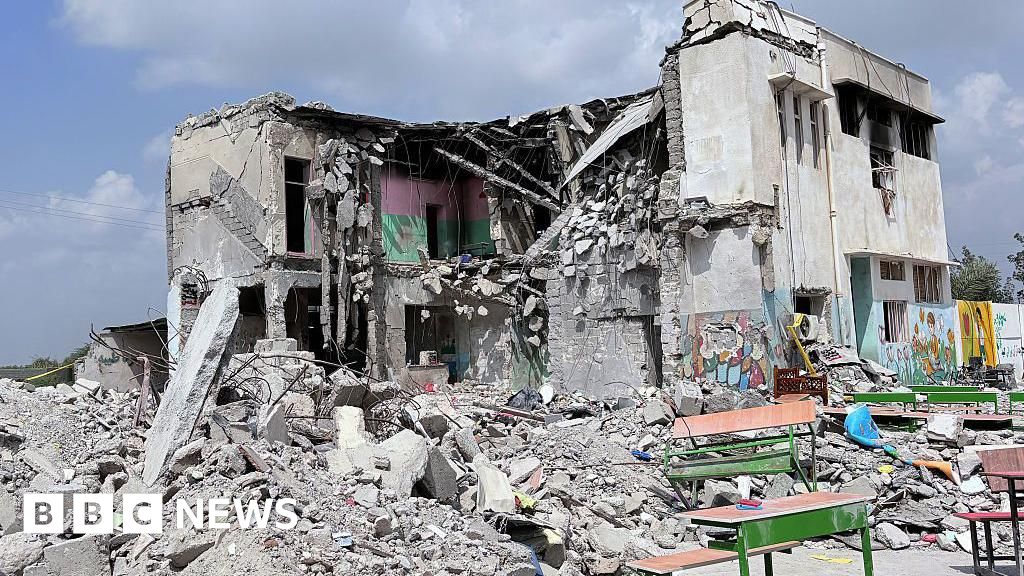
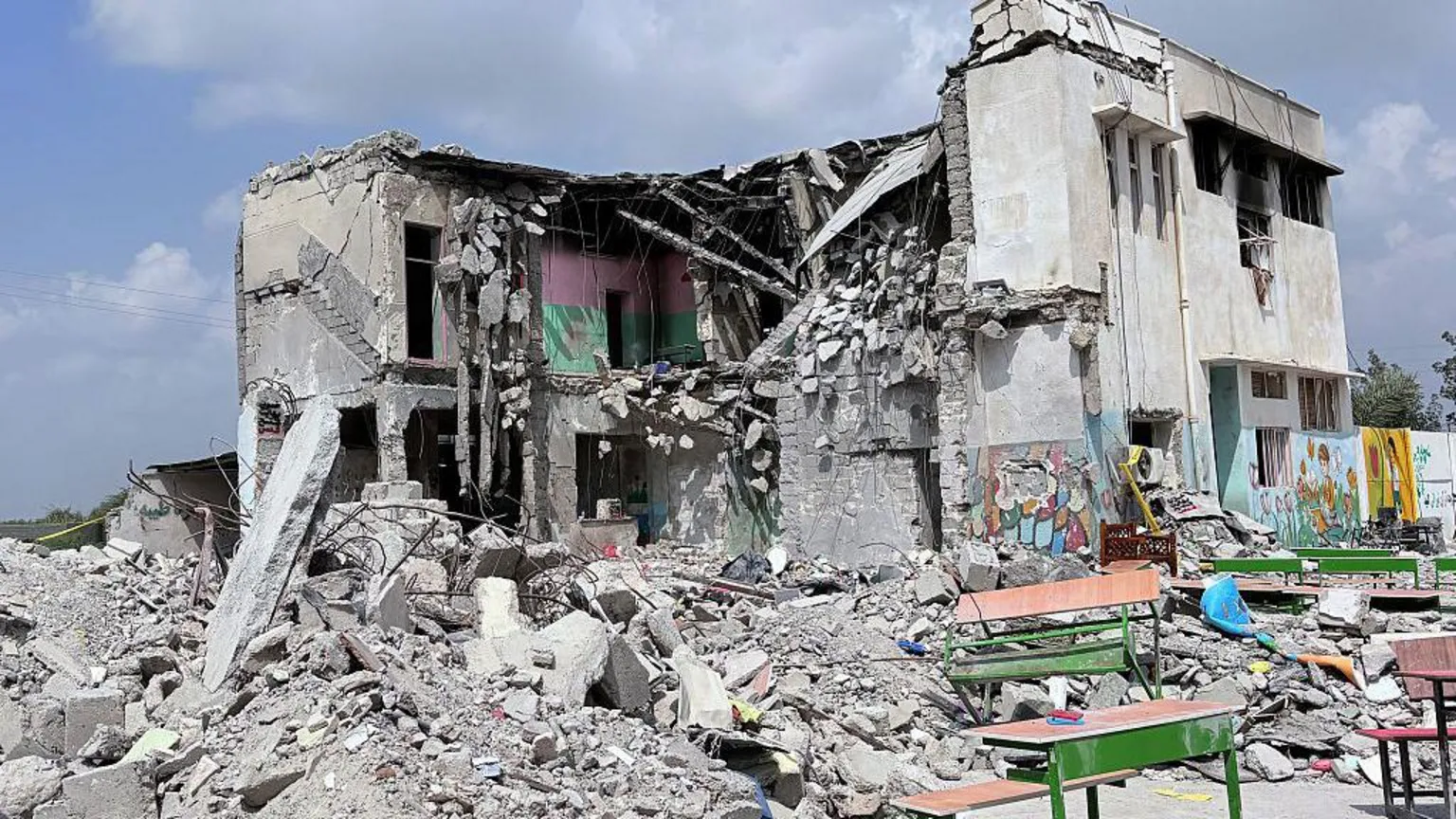
The open letter highlights an attack on a primary school in the Iranian town of Minab on the first day of the war. The attack is reported to have killed at least 168 people, including 110 children.
The United States Department of Defense has announced an investigation into the attack. Evidence gathered by independent analysts suggests that the strike may have been the result of a United States operation.
One line of inquiry explores whether outdated intelligence may have caused United States forces to mistakenly target a school that was situated next to an Islamic Revolutionary Guard Corps base.
The signatories argue that the strike "likely violates international humanitarian law, and if evidence is found that those responsible were reckless, it could also be a war crime".
Publication of the Letter and Ongoing Debate
The open letter has been published in Just Security, an online journal affiliated with New York University School of Law. The publication has sparked renewed debate about the application of the United Nations Charter, the Geneva Conventions and customary international humanitarian law in contemporary conflicts involving United States, Israel and Iran.
Legal scholars continue to examine the ramifications of statements made by Donald Trump and Pete Hegseth, assessing whether such statements could be interpreted as incitements to commit violations of the law of armed conflict.
Conclusion: The Stakes for International Law and Civilian Protection
The combined concerns voiced by over one hundred international law experts underscore a profound disagreement over the legality of actions taken by United States, Israel and Iran in the current Middle East war. The experts contend that the actions and rhetoric of United States, Israel and Iran threaten to erode the rule of law that has traditionally protected civilians and combatants alike.
The White House maintains that its policy is designed to eliminate short‑ and long‑term threats and thereby increase stability across the region. The divergent perspectives highlight the difficulty of reconciling national security objectives with the constraints imposed by the United Nations Charter, the law of armed conflict and the humanitarian imperatives embodied in the Geneva Conventions.
As investigations continue and as international legal bodies review the evidence, the world will be watching to see whether the principles of international humanitarian law can be upheld amid the high‑intensity hostilities between United States, Israel and Iran.