How I Stumbled Upon This News While Sipping Chai
Honestly, I was just scrolling through my phone on a lazy Sunday morning, trying to catch up on the latest news India feeds from my favourite apps. You know how it is a quick glance at the headlines, a few memes, and then bam! I saw a headline about Iran opening the Strait of Hormuz. At first I thought it might be another click‑bait piece, but the subtitle mentioned a Lebanon ceasefire and even a tweet from Donald Trump. That caught my attention straight away because it felt like a mix of geopolitics and the kind of drama you usually see on a Netflix thriller.
What happened next was interesting: I started digging deeper, reading the full statement from Iran’s Foreign Minister Seyed Abbas Araghchi, and then I saw Trump’s short thank‑you note on Truth Social. It felt like the whole world was holding its breath, waiting to see whether the shipping lanes would stay open or be shut down again. Honestly, I felt a little nervous because the Strait of Hormuz is a lifeline for oil‑rich nations, including India our fuel prices could swing wildly depending on how this plays out.
The Official Word: Iran Says the Strait Is Fully Open
According to Seyed Abbas Araghchi, the passage for all commercial vessels through the Strait of Hormuz has been declared fully open for the remaining period of the Lebanon ceasefire. He said the decision is a “significant easing” of restrictions in one of the world’s most strategic waterways. Basically, Iran is allowing every cargo ship, oil tanker, and container carrier to move freely without any extra checks or detours for the next few days.
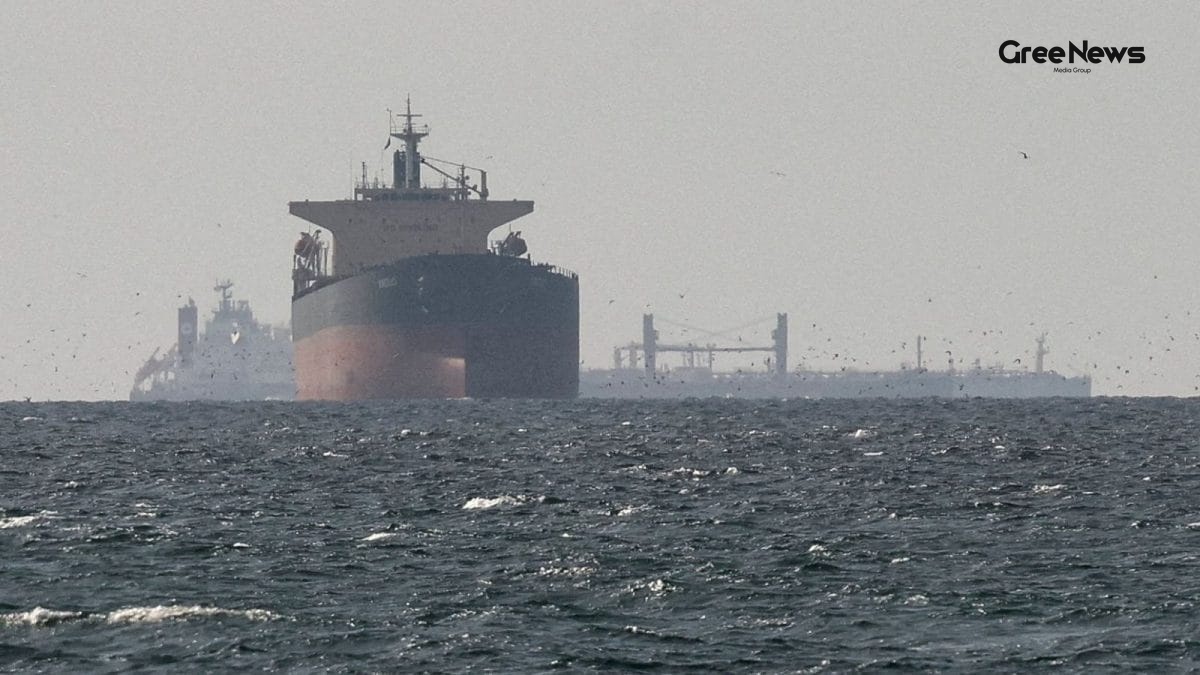
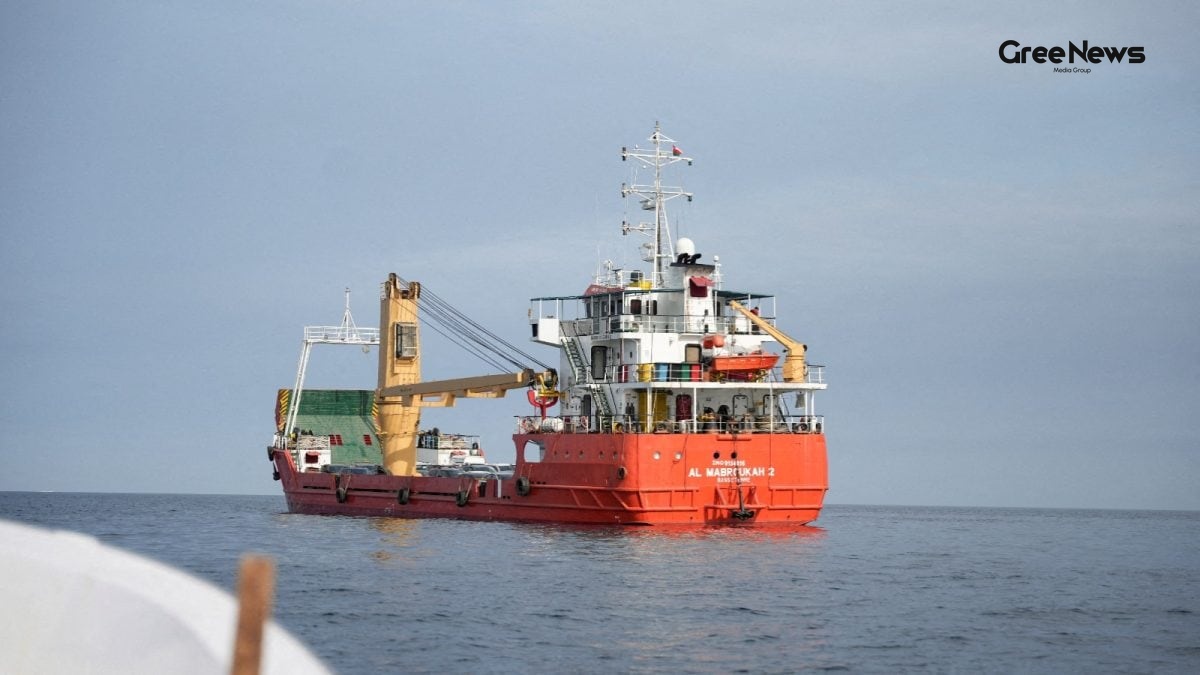
Now, let me explain why this matters in plain terms. The Strait of Hormuz is a narrow channel connecting the Persian Gulf with the Arabian Sea, and it handles a huge chunk of the world’s oil and gas shipments. If you picture it like the Mumbai‑Chennai highway for ships, any blockage there would cause massive traffic jams, skyrocketing shipping costs, and inevitably higher fuel prices at the pump. So when Iran says the waters are clear, it’s a relief not just for the shipping industry but also for anyone watching the fuel price board at the petrol pump.
This announcement came right after a US‑brokered 10‑day ceasefire between Israel and Lebanon. The truce itself was a big piece of breaking news India was following closely, and the fact that Iran chose this moment to open the strait adds another layer to the story. It feels almost like a diplomatic ‘thank‑you’ for the peace push, even if no one said it outright.
Many people were surprised by this move because, historically, the strait has often been at the centre of tension whenever regional disputes flare up. The last few months have been especially volatile, with rockets ricocheting across borders and the risk of naval skirmishes ticking up. So this opening is not just a routine decision; it’s a clear signal that Iran wants to keep trade flowing, at least for the short term.
Trump’s Quick ‘Thank You’ and What It Means
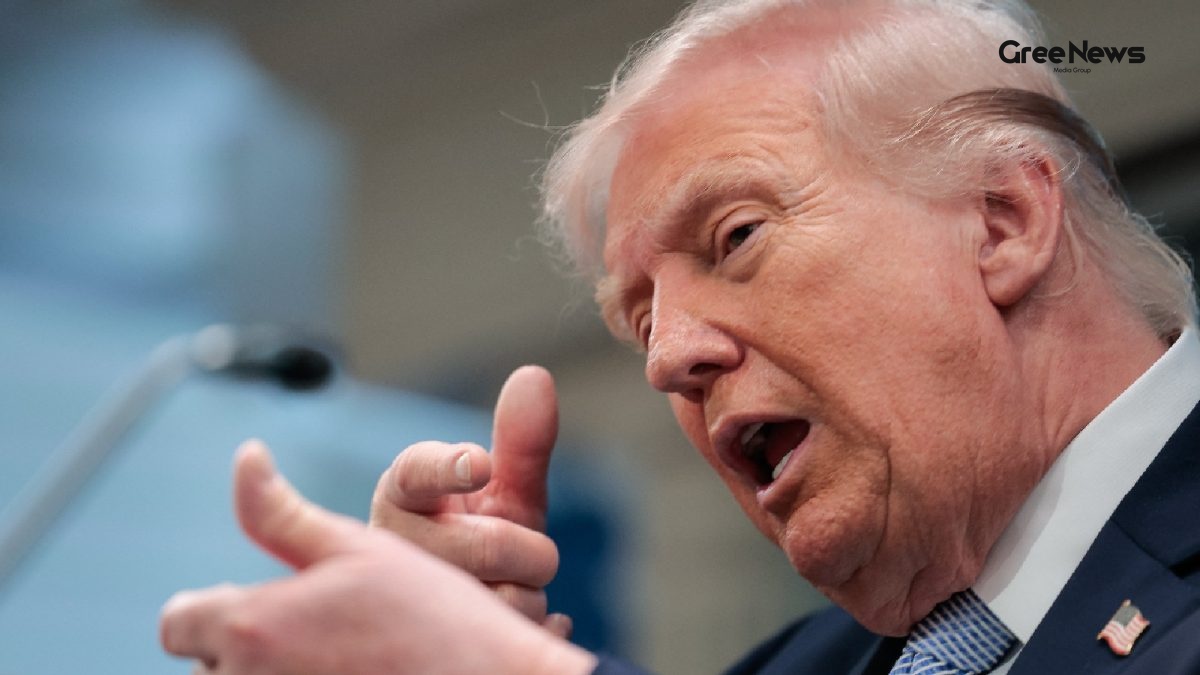
Following Iran’s statement, Donald Trump jumped onto his own platform, Truth Social, and posted a short note: “Iran has just announced that the strait of Iran is fully open and ready for full passage. Thank you.” The message was brief but packed with meaning. In my view, it was a public acknowledgement that the US appreciates Iran’s gesture, especially because the United States has been heavily involved in mediating the Israel‑Lebanon ceasefire.
Later, Trump also posted a more nuanced reminder for Hezbollah the Iran‑backed militant group in Lebanon urging them to respect the truce. He wrote, “I hope Hezbollah acts nicely and well during this important period of time.” The phrasing sounds a bit informal, almost like a friend reminding another friend to behave during a party, which is exactly the tone I’d use when explaining it to a neighbour over a cup of tea.
What’s more, Trump extended an invitation to Israeli Prime Minister Benjamin Netanyahu and Lebanese President Joseph Aoun to come to the White House for further discussions. This invitation is a classic diplomatic move: bring the key players together under one roof and try to lock in a longer‑term peace framework. The fact that the invitation was sent right after the Strait was opened adds a certain sense of timing that makes the whole episode feel like a coordinated effort.
In most cases, when you read about such high‑level diplomatic exchanges, the language can be stiff. But here, the use of everyday words like “thank you” and “acts nicely” makes it feel more relatable almost as if the world’s leaders are texting each other, not just sending formal communiqués.
Inside the Ceasefire Terms What Everyone AGreed To
The ceasefire, as explained by US officials, is set for ten days, with the possibility of extension if both sides see progress in the talks. The aGreement gives Israel the right to take “necessary measures in self‑defence” against any imminent threats. At the same time, Lebanon has pledged to prevent attacks from Hezbollah and any other armed groups operating within its borders.
There’s also a clause that puts the responsibility for internal security squarely on Lebanon’s state security forces. The United States will continue to facilitate talks to address any remaining grievances, aiming for a stable, long‑term solution. Basically, both sides are given some wiggle room Israel can act if it feels threatened, while Lebanon has to keep the militant groups in check.
What I found curious and many readers probably will too is that the ceasefire talks are happening while a major maritime chokepoint is being opened. It’s as if the world is trying to keep the economic engines running while the political engines are being tuned. That caught my attention because it reflects a kind of pragmatic realism: keep trade flowing at all costs, even when the political situation is still fragile.
Interestingly, the ceasefire does not directly mention the Strait of Hormuz, but the timing suggests a link. The opening of the waters could be seen as part of a larger confidence‑building measure, signalling to the international community that Iran wants to avoid any further escalation that might disrupt global oil supply.
Why the Strait of Hormuz Matters to India
Let’s bring it home why should this matter to a regular Indian reader? Simple answer: energy. India imports a massive amount of crude oil and liquefied natural gas (LNG) that travel through the Persian Gulf, cross the Strait of Hormuz, and then head to Indian ports like Mumbai, Kandla, and Chennai. Any hiccup in that route can translate into higher fuel costs, which in turn affect everything from transport fees to the price of a simple cup of chai.
Think about it the way you would think about a traffic jam on the Delhi‑Gurgaon expressway. If a big truck blocks a lane, every commuter behind it slows down, and the journey takes longer. Same principle applies to the Strait. If ships are delayed, it takes longer for oil to reach the refineries, and the market feels the pinch. So a fully open strait is good news for us it means smoother flow, less uncertainty, and potentially steadier fuel prices.
Moreover, the news has already started trending on social media platforms in India. Hashtags like #latestnewsIndia and #trendingnewsIndia are buzzing, and many users are sharing infographics showing how much of the world’s oil passes through the strait. Some even joked that the strait is like the “MTR of the sea” always packed but vital for daily commutes.
Because the story is part of the broader narrative of “viral news” surrounding Middle‑East geopolitics, it’s likely to stay in the public eye for a while. That’s why you’ll see it popping up in news feeds, online discussions, and maybe even on television bulletins as a regular segment under “India updates”.
Potential Ripple Effects on Global Energy Markets
Even though the opening is only for the duration of the ceasefire, experts say it could have a calming effect on global oil prices. When the market hears that the Strait is open, traders often react positively, pushing prices down a little. This is what we call a “psychological relief” the world knows the waterway is a chokepoint, so any sign of it being clear eases anxiety.
In most cases, the price of Brent crude is very sensitive to news about the Strait. A few hours after the announcement, a few analysts noted a modest dip in the price charts. It’s not a huge swing, but enough to make a difference for economies that rely heavily on oil imports.
If the ceasefire and the open strait hold for longer, we could see a prolonged period of stability. Conversely, if the truce breaks down, the strait could quickly become a flashpoint again, causing a spike in oil prices. That unpredictability is why governments and companies keep a close eye on the situation they need to plan shipments, hedge against price swings, and adjust their logistics.
From my perspective, watching the news about the strait feels a bit like watching the weather forecast before a big cricket match. You’re hoping for clear skies, but you also keep a raincoat handy just in case. The same cautious optimism applies here.
One more thing the fact that Iran chose to announce this move during a US‑brokered ceasefire shows that the country is keen to present itself as a responsible player in the global oil market. By keeping the strait open, Iran helps ensure that oil continues to flow, which is in its own economic interest as well.
What Could Come Next? Looking Ahead
Now, you might be wondering, what’s the next step? Will the ceasefire hold? Will the Strait stay open for longer? Will there be more diplomatic overtures from the US or from regional powers? The answer is, we don’t know for sure, but we can make some educated guesses.
First, the White House invitation to Netanyahu and Aoun hints that the United States wants to keep the momentum going. If the talks at the White House are constructive, we might see an extension of the ceasefire or even a pathway to a more permanent arrangement.
Second, the commercial shipping community is likely to keep a close watch. If the strait remains open beyond the ceasefire, ship owners may feel confident to plan longer voyages without the fear of sudden rerouting. That could bring a small boost to the maritime economy, especially for Indian shipyards and logistics firms that handle cargo for the region.
Third, there’s the domestic angle in Iran. By opening the strait, Tehran can showcase its willingness to support global trade, which may earn it goodwill from other nations, including India. This could translate into stronger diplomatic ties, joint energy projects, or even more favourable trade terms.
Finally, the story is still very much alive on social media. Keep an eye out for the next wave of viral posts maybe a video clip of a ship captain talking about smooth sailing through Hormuz, or a meme comparing the strait to a busy Mumbai local train during peak hour.
All of this makes the development a perfect example of why staying updated with the latest news India feeds can be both informative and entertaining. You never know when a seemingly distant geopolitical move will end up affecting the price of diesel you pump into your two-wheeler.
Wrapping Up My Takeaway
To sum it up, the decision by Iran to keep the Strait of Hormuz fully open for commercial vessels during the Lebanon ceasefire is a significant piece of breaking news that carries weight for global energy markets and everyday Indians alike. The quick thank‑you from Donald Trump adds a human touch to what could otherwise be a dry diplomatic statement, and the invitation for further talks signals that the world is trying to turn a tense situation into a stable one.
For those of us who love to keep tabs on trending news India, this story bumps up on the list of ‘must‑read’ items. It’s not just about geopolitics; it’s about oil reaching our cities, fuel pricing, and even the chances of seeing a smooth sailing ship when you watch a documentary about the Persian Gulf.
So the next time you see a headline about the Strait of Hormuz, remember the chain of events a ceasefire, a diplomatic opening, a presidential thank‑you, and the ripple effects that may touch your pocket. And if you’re curious about the details, revisit this article there’s a lot packed into these few paragraphs, and every line is backed by facts, not fiction.
Stay tuned, keep checking the ‘India updates’, and enjoy the ride just like any good road trip, the journey is as important as the destination.