Iran Refuses Temporary Ceasefire Exchange for Hormuz Reopening, Demands Permanent Settlement
Senior Iranian official stresses United States lack of readiness for enduring ceasefire
Iran has confirmed receipt of Pakistan’s proposal for an immediate ceasefire and is currently reviewing that document in detail.
Iran rejects any attempts by external actors to impose rigid deadlines on its decision‑making process.
Iran’s diplomatic calculus articulated by Dr Mohammad Fathali
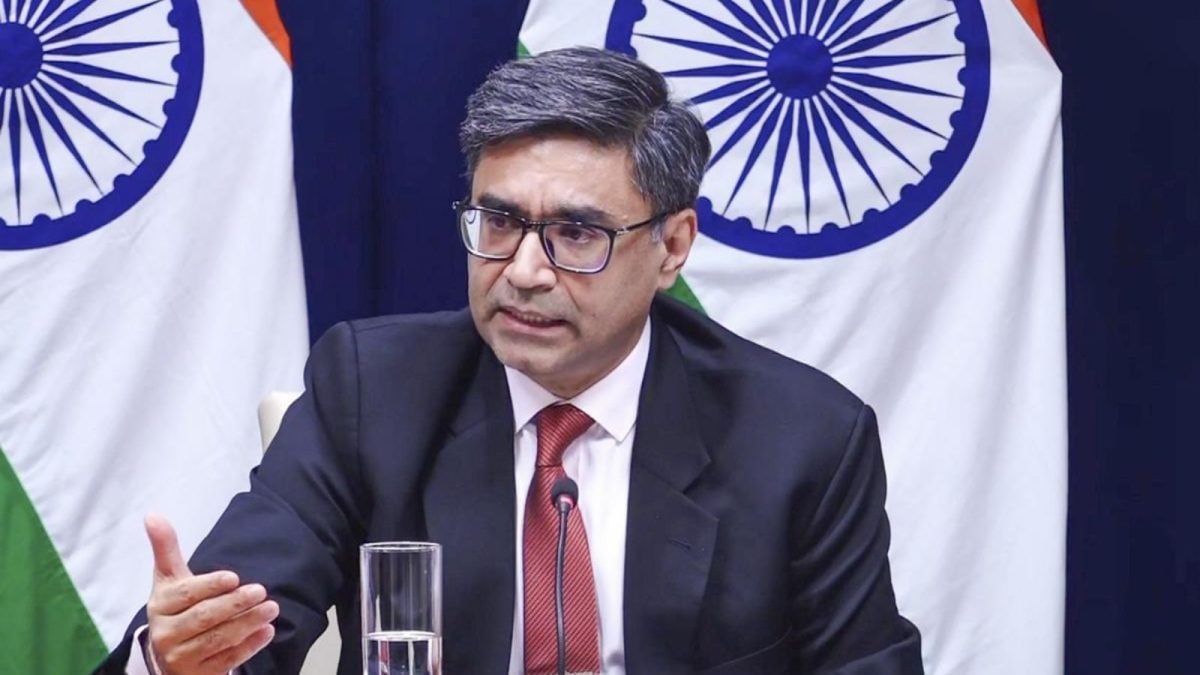
Dr Mohammad Fathali, Ambassador of the Islamic Republic of Iran to India, emphasized that any decision to enter negotiations follows a comprehensive assessment carried out by the highest decision‑making bodies of the Islamic Republic of Iran. Dr Mohammad Fathali stated, “Decisions regarding entering any form of negotiations are made within the framework of overarching policies and with the input of the highest decision‑making bodies.”
Dr Mohammad Fathali added, “Whenever it is determined that the interests of the Iranian people can be secured through diplomacy, the necessary steps will be taken. It should also be emphasized that Iran has experienced a very negative cycle of war, ceasefire, negotiations, and renewed war. Iran’s officials are prudently working to ensure that this experience is not repeated.”
Current standoff between the United States and Iran and the role of third‑party mediation
The ongoing confrontation involves the United States, Israel, and Iran, with all parties attempting to shape a resolution that satisfies strategic and political objectives. Pakistan has presented a 45‑day ceasefire framework, commonly referred to as the “Islamabad Accord,” which envisions an immediate cessation of hostilities, the reopening of the Strait of Hormuz, and a subsequent 15‑ to 20‑day window for intensive diplomatic talks aimed at securing a permanent settlement.
United States President Donald Trump has issued a firm ultimatum, extending a deadline for the reopening of the Strait of Hormuz. United States President Donald Trump has warned that failure to meet the stipulated conditions could result in severe retaliation targeting Iran’s power infrastructure and critical bridges.
Overnight diplomatic engagements have featured Pakistani Army Chief Field Marshal Asim Munir and United States Vice President JD Vance. Regional observers have described the prospects of reaching a mutually acceptable aGreement within the compressed timeframe as slim.
Strategic significance of the Strait of Hormuz
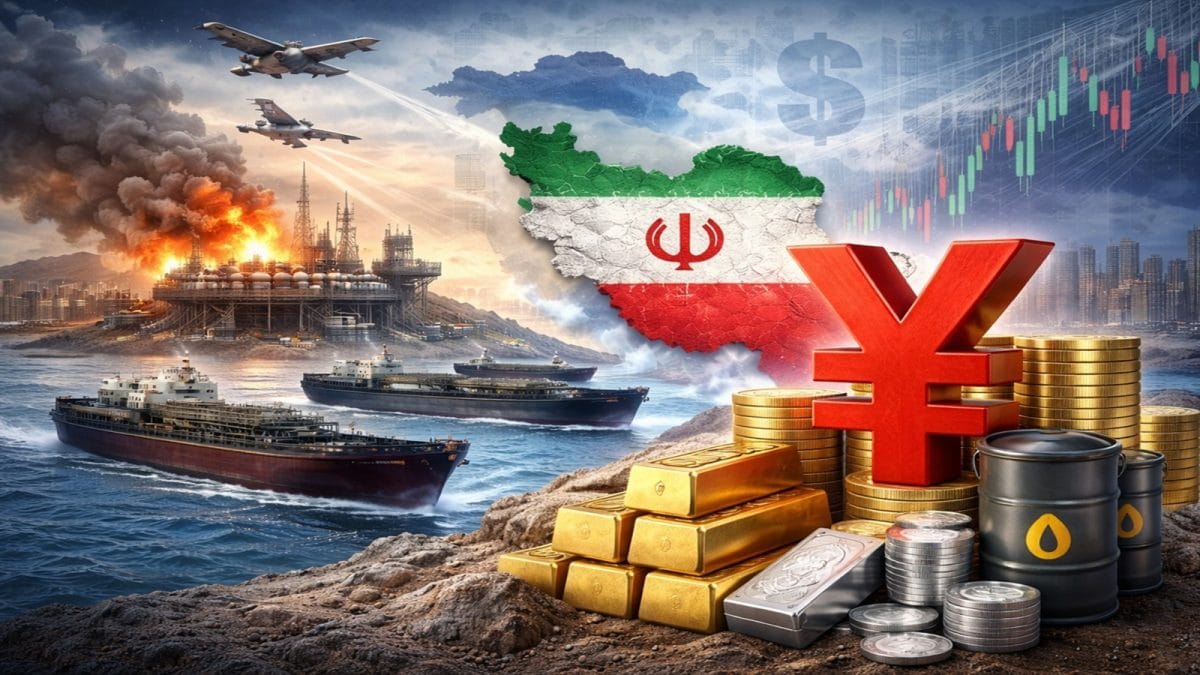
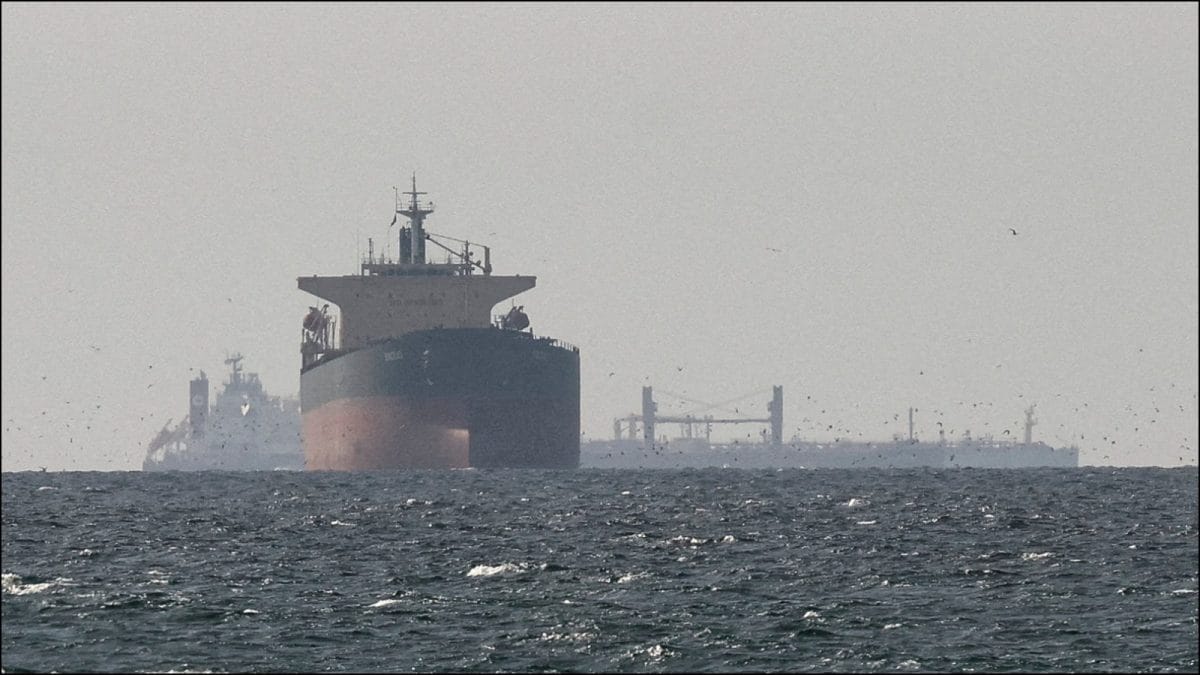
The Strait of Hormuz is a vital maritime corridor through which approximately twenty percent of global oil and gas supplies transit. The closure of the Strait of Hormuz has effectively halted the majority of commercial shipping activity in the region.
Oil prices surged to a historic peak of one hundred twenty‑six dollars per barrel following the shutdown, marking an unprecedented disruption in global energy supplies. A limited number of vessels from nations designated as “friendly,” such as China, Russia, and India, have been permitted passage with Iranian approval, yet the broader commercial fleet remains grounded due to heightened insurance costs and persistent threats from Iranian naval forces.
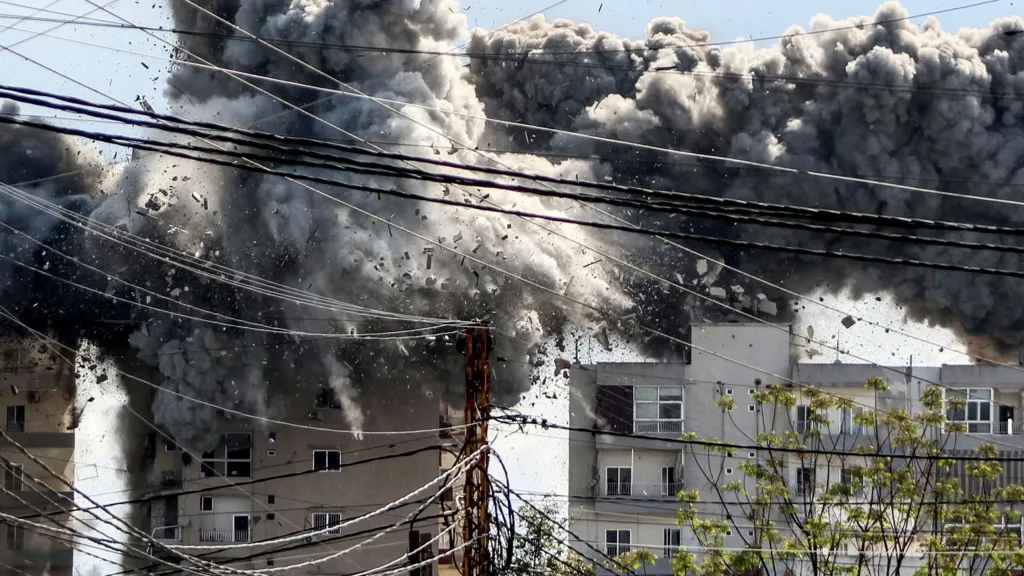
The United States and Israel have conducted targeted strikes against Iranian assets, including nuclear facilities and senior IRGC leadership, in an effort to undermine Iran’s capacity to sustain the maritime blockade.
Assessment of Pakistan’s 45‑day ceasefire proposal
Pakistan’s proposal, known as the “Islamabad Accord,” outlines a structured pathway toward de‑escalation. The initial phase calls for an immediate ceasefire, after which the Strait of Hormuz would be reopened under mutually accepted security arrangements. The subsequent phase allocates fifteen to twenty days for diplomatic negotiations intended to produce a comprehensive and lasting settlement.
Iran is currently evaluating the legal, economic, and security implications of the proposed framework. Iran’s review process includes a thorough examination of the mechanisms for toll revenue distribution, the potential impact on Iranian reconstruction efforts, and the safeguards necessary to prevent a recurrence of hostilities.
United States’ position and threats of escalated pressure
United States President Donald Trump has articulated a non‑negotiable stance that the Strait of Hormuz must be fully reopened without delay. United States President Donald Trump has warned of severe punitive measures, including the targeting of critical infrastructure, should Iran fail to comply with the stipulated deadline.
United States Vice President JD Vance has participated in high‑level discussions aimed at reinforcing United States diplomatic leverage, while also signaling a readiness to employ further economic sanctions if Iran does not meet the outlined conditions.
The United States has also coordinated with regional allies to monitor maritime traffic and enforce compliance with United States directives, thereby increasing pressure on Iran to acquiesce to United States demands.
Potential pathways forward and risks of prolonged stalemate
If Iran were to aGree to a temporary ceasefire without guarantees for a permanent settlement, the risk of returning to active hostilities remains high. Iran has emphasized the importance of securing a durable diplomatic framework before any substantial change in the status of the Strait of Hormuz.
Conversely, a failure to achieve any aGreement could extend the current disruption of global energy flows, sustain elevated oil prices, and perpetuate regional instability. All parties acknowledge that prolonged uncertainty poses significant economic and security challenges for both regional and global stakeholders.
Continued diplomatic engagement by Pakistan, mediated by Pakistani Army Chief Field Marshal Asim Munir, remains a critical element in any prospective resolution. The willingness of the United States, represented by United States President Donald Trump and United States Vice President JD Vance, to consider flexible diplomatic solutions may influence the ultimate outcome.