Vikram Misri’s Hormuz Warning Highlights That Indian Lives Trump Ideological Allegiances
Context of the Statement
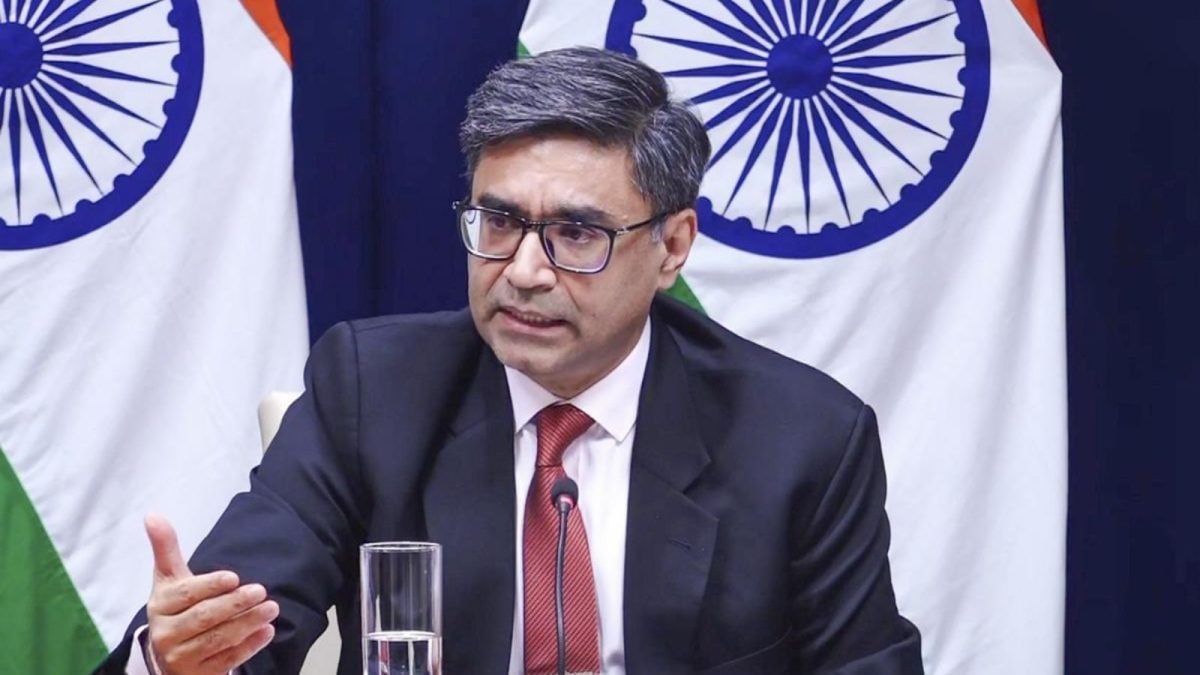
During a series of confidential diplomatic engagements orchestrated by the United Kingdom, VIKRAM MISRI delivered a brief but potent observation: “India is the only country to lose mariners at Hormuz.” The comment was made amid heightened diplomatic activity concerning the expanding confrontation involving Iran, Israel, and the United States. By invoking a concrete loss of Indian lives, VIKRAM MISRI positioned India as a stakeholder that cannot be relegated to the periphery of the conflict.
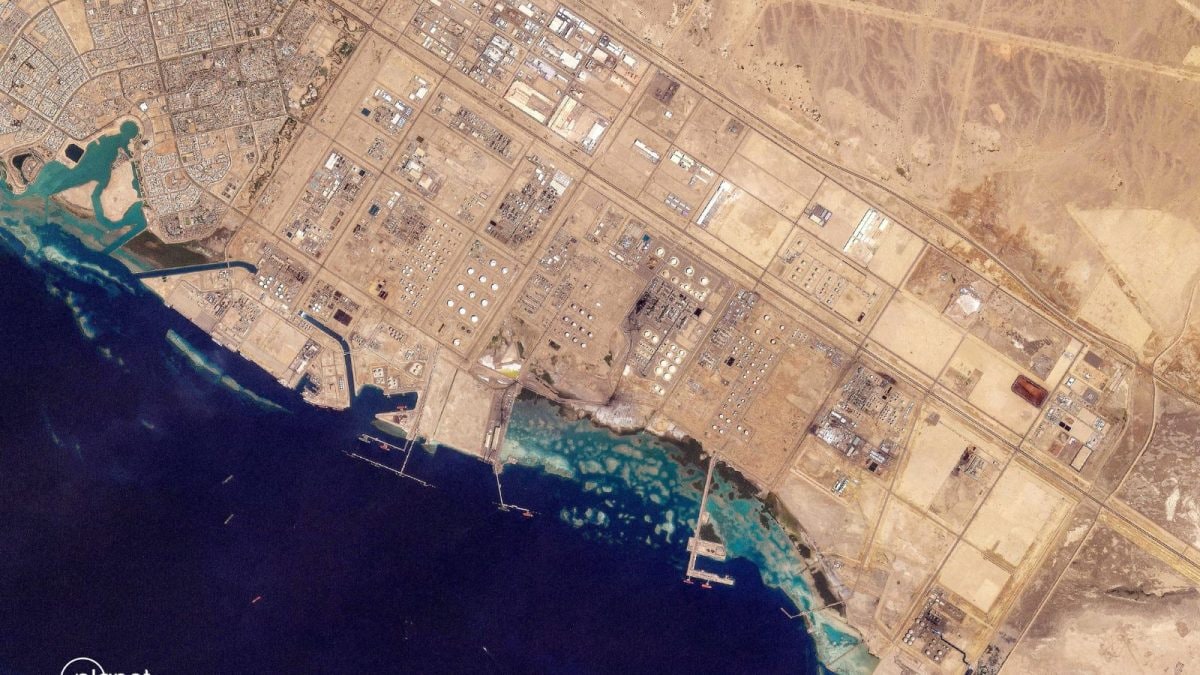
The strategic corridor of the Strait of Hormuz, a chokepoint through which a sizable share of the world’s petroleum flows, has historically been a flashpoint for naval confrontations. While many nations have complained about disruptions to commercial shipping, only India has recorded fatalities among its civilian seafarers in this region. That distinction forms the crux of VIKRAM MISRI’s diplomatic narrative.
Why the Phrase Carries Diplomatic Weight
The succinct assertion by VIKRAM MISRI operates on multiple diplomatic layers. First, it quantifies the human cost that India has already endured, thereby moving the discussion from abstract economic considerations to tangible loss of life. Second, the phrasing underscores that India’s maritime community has been directly targeted, a fact that separates India from other powers that have suffered only economic setbacks.
By articulating that India alone has experienced the death of its mariners, VIKRAM MISRI effectively asserts a moral claim: any escalation that endangers Indian citizens must be addressed with urgency. The claim also provides a legitimate basis for India to demand accountability from the actors influencing the security environment in the Strait of Hormuz.
Strategic and Moral Stakes for India
India’s reliance on maritime trade routes for the import of essential commodities such as oil, fertilizers, and raw materials makes the safety of its seafarers a strategic priority. The loss of Indian mariners does not merely represent a humanitarian tragedy; it also signals a potential vulnerability in India’s supply chain that could have cascading economic impacts.
VIKRAM MISRI’s reference to Indian casualties therefore serves as an implicit warning to all parties that India will not tolerate actions that imperil its citizens, even if those actions are framed as part of broader geopolitical contests. The statement draws a line between abstract geopolitical maneuvering and the lived reality of Indian families awaiting the safe return of their loved ones.
Implicit Reproof to Tehran
The Hormuz passage falls under the de‑facto control of the Islamic Republic of Iran, which maintains a fleet of naval assets and proxies capable of influencing traffic through the strait. VIKRAM MISRI’s comment subtly signals displeasure with Tehran’s conduct, indicating that Indian lives are being jeopardised by policies or actions attributable to Iran and its allied groups.
By foregrounding the casualty figure, VIKRAM MISRI challenges any narrative that portrays Iran’s activities as merely symbolic or harmless. The implication is that Tehran must recognize the direct human cost inflicted upon Indian citizens and adjust its posture accordingly.
Domestic Political Resonance
Beyond the international arena, the observation made by VIKRAM MISRI carries a calculated domestic dimension. Political factions across the spectrum—including the Indian National Congress represented by Sonia Gandhi and Rahul Gandhi, the opposition leader Mallikarjun Kharge, the regional voice Asaduddin Owaisi, the Aam Aadmi Party, and various left‑leaning groups—have frequently framed the broader Middle‑East dispute in terms of ideological solidarity, religious affinity, or anti‑imperialist sentiment.
VIKRAM MISRI’s statement forces those factions to confront a stark reality: when ideological posturing translates into the loss of Indian lives, such posturing becomes morally untenable. The message is clear: support for any foreign power must be measured against the safety of Indian citizens.
Targeting the Narrative of “Muslim Solidarity”
Critics of the government have occasionally invoked the notion of “Muslim solidarity” to justify a more sympathetic stance toward Iran. VIKRAM MISRI’s comment undermines that line of reasoning by highlighting that the very people whom the narrative claims to protect—Indian Muslims serving as seafarers—have become victims of the conflict.
The emphasis on Indian mariners serves as a counter‑argument to claims that defending Iran is a religious duty. Instead, it reframes the debate around national responsibility and the protection of compatriots, irrespective of communal identity.
Absence of Direct Accusations
VIKRAM MISRI refrains from naming specific political opponents or previous diplomatic officials. The statement does not cite Sonia Gandhi’s op‑ed, Rahul Gandhi’s public critique, Mallikarjun Kharge’s condemnation, Asaduddin Owaisi’s allegation of double standards, or the earlier remarks made by former foreign secretary Nirupama Rao Menon. This restraint keeps the focus on the factual loss of Indian lives rather than devolving into personal attacks.
The strategic decision to avoid explicit naming preserves diplomatic decorum while still delivering a pointed rebuke to any rhetoric that downplays the significance of Indian casualties.
Reinforcing Indian Exceptionalism
By asserting that “India is the only country to lose mariners,” VIKRAM MISRI invokes a sense of exceptionalism rooted in sacrifice. The phrasing suggests that Indian blood has been shed in a manner unmatched by other nations, thereby demanding a heightened level of respect and protection from the international community.
This framing seeks to rally public opinion around the idea that Indian lives are a non‑negotiable priority, urging policymakers and citizens alike to reject any foreign alignment that places those lives at risk.
Implications for Future Diplomatic Engagements
The Hormuz remark by VIKRAM MISRI sets a precedent for how India may articulate its security concerns in future multilateral settings. By anchoring diplomatic arguments in concrete human costs, India can demand more robust protective measures, such as enhanced naval patrols, coordinated convoy systems, or international pressure on actors threatening its seafarers.
Furthermore, the statement signals to allies and adversaries alike that India will leverage any diplomatic platform to foreground the well‑being of its citizens, even when the broader conflict appears remote.
Conclusion: A Message to All Stakeholders
VIKRAM MISRI’s concise observation encapsulates a broader truth: the safety of Indian citizens must never be subordinated to abstract ideological allegiances. Whether the conversation unfolds in diplomatic corridors, parliamentary debates, or street protests, the loss of Indian mariners at Hormuz stands as an unequivocal reminder that national interest and human life are inseparable.
In emphasizing that Indian lives outweigh imported loyalties, VIKRAM MISRI delivers a clear directive to political leaders, protestors, and foreign powers: prioritize the protection of Indian citizens above all other considerations.