The story behind the AI parody that’s making headlines
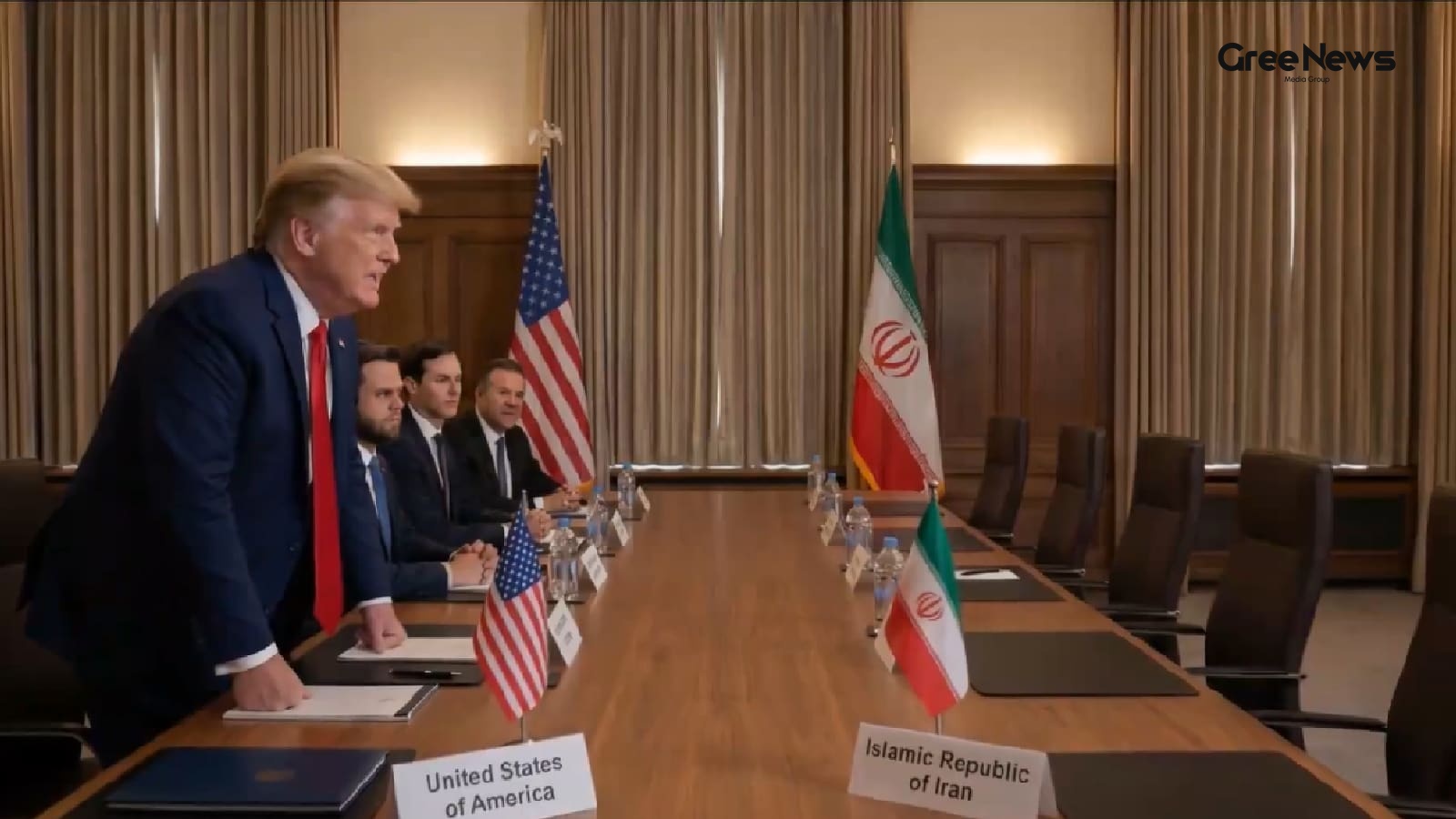
Okay, so picture this: I’m scrolling through my X feed on a lazy evening, trying to catch up on the latest news India has to offer, when a short video pops up. It’s only about 45 seconds, but it looks like a scene straight out of a political satire show. The star? None other than Donald Trump but not the real one. This was an AI‑generated version, looking a bit blurry around the edges, sitting at a conference table with a whole row of empty chairs. The caption read something like, “How was the ceasefire extended? The video is going viral in Iran.” Naturally, I clicked, and the rest of the clip made me laugh and cringe at the same time.
The video was posted by the Iranian consulate in Hyderabad on their official X handle. They used it to mock Trump’s recent declaration that he would extend a cease‑fire in the ongoing tension involving Iran, while still keeping the US Navy’s blockade on Iranian ports intact. The irony? The ‘negotiation’ in the video is clearly a dead‑end the seats opposite Trump are empty, suggesting that the Iranian side isn’t actually there.
What the AI‑Trump actually says
In the clip, the AI‑Trump starts with a confident, “We are having very great negotiations with Iran.” He’s looking straight into the camera, trying to sound diplomatic, but the audience can see that he is actually speaking to a line of vacant chairs. Then the tone shifts a bit. He adds, “If Iran doesn’t come to negotiate, we’re gonna bomb them,” still addressing the empty seats. You can hear the underlying sarcasm it’s as if the video is pointing out the absurdity of talking tough without any real dialogue happening.
Right before the video ends, the AI‑Trump says, “Alright, then I will extend the ceasefire at Pakistan’s request,” and suddenly walks out of the room. The whole thing feels like a short, punchy commentary on how the US is playing a diplomatic cat‑and‑mouse game extending a cease‑fire while keeping an iron grip on the seas, all without any clear sign of Iran showing up for the talks.
The caption that came with the post asked, “How was the ceasefire extended? The video is getting viral in Iran.” It’s a direct nudge at the confusing signals coming from Washington, and it’s definitely caught the eye of many who follow breaking news and viral news across the sub‑continent.
Why this matters in the larger conflict
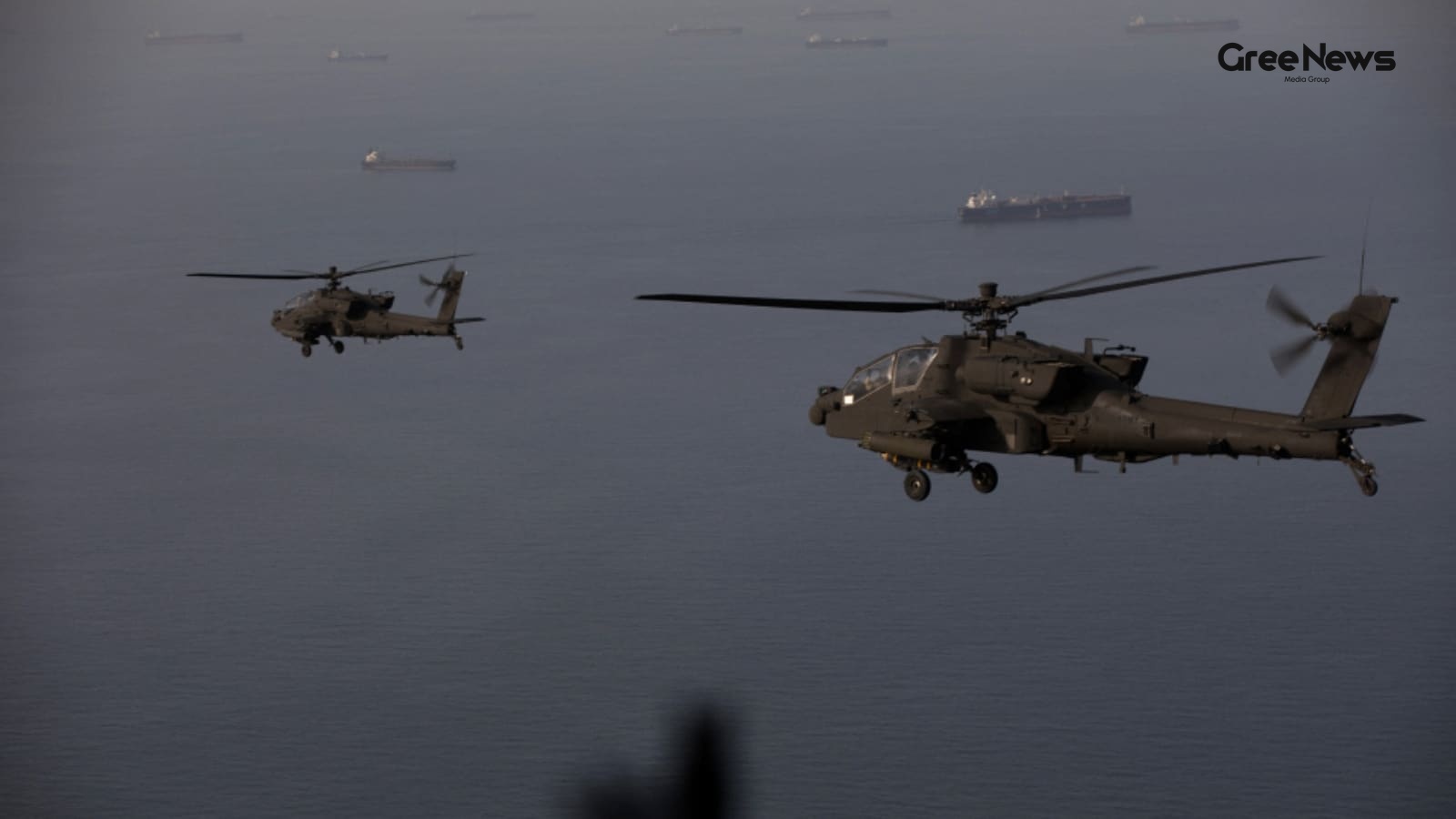
To understand why this AI clip grabbed so much attention, you need to know a bit about the backdrop. A few weeks ago, Trump well, the former US president announced that the United States would “extend the cease‑fire” to give negotiators more breathing space. At the same time, he gave the Green light for the US Navy to keep blockading Iranian ports, a move that many critics called contradictory.
Adding another layer, the US Vice President JD Vance was supposed to visit the region soon, but that trip kept seeing last‑minute schedule changes. These mixed messages made it hard for anyone to get a clear sense of what the US was really aiming for. So when the Iranian consulate released a video that highlighted these contradictions, it struck a chord.
People across social media especially in India where the appetite for trending news India is huge started sharing the clip, adding their own memes, jokes, and even critiques of both sides. The video became a sort of digital rallying point for those who feel that geopolitics is increasingly being fought not just on the ground, but also in the realm of memes and AI‑generated content.
Digital warfare: memes, AI and the new propaganda front
What’s fascinating here is how these kinds of videos represent a new wave of propaganda. Traditional state‑run broadcasters are still around, but they’re now sharing space with AI‑crafted spoofs that can be produced in a matter of minutes. Iranian‑linked accounts have been pushing a steady stream of stylised animations, sharp political spoofs, and satirical takes on leaders ranging from Trump to Israeli officials. The goal? To shape global narratives, attract younger audiences, and keep the conversation alive in a format that’s easy to share.
From a personal perspective, I’ve seen similar trends during elections back home. A meme here, a short video there they spread faster than any newspaper ever could. The difference now is the technology behind it. AI can mimic speech, facial expressions, and even the subtle nuances of a public figure’s voice. That makes the content feel more authentic, and that authenticity drives engagement. It’s no wonder the clip quickly turned into viral news not just in Iran but among Indian netizens who follow India updates on global politics.
How Indian audiences reacted
Back in Hyderabad, a few friends of mine who are pretty active on X started chatting about it over chai. One of them, who works in a media agency, said the video was “a clever way to point out the contradictions without actually saying anything outright.” Another friend, a college student, just laughed and posted the clip with the caption “When you think you’re negotiating but the other side forgot to show up.” The comment sections were filled with a mix of humour, criticism, and a dash of political analysis.
This reaction underscores how digital satire can act as a bridge between complex foreign policy issues and everyday conversations. For many Indians, especially the younger crowd, geopolitics often feels distant. But when it’s wrapped up in a funny snippet that they can share in a WhatsApp group, it suddenly becomes relevant. In that sense, the AI video succeeded in turning a high‑stakes political move into something conversational.
Even some journalists chimed in, noting that the video highlighted the “lack of real diplomatic engagement” and called for clearer communication from Washington. The fact that a consulate used such a technique also sparked debates about the official use of satire in diplomatic messaging a topic that’s still relatively new for many.
What this tells us about the future of political communication
If you ask me, the rise of AI‑generated political spoofs is a sign that the battle for hearts and minds is moving to the digital arena in a more sophisticated way. Traditional press releases are no longer enough. Nations are now experimenting with meme‑style content to reach audiences that have short attention spans and are constantly scrolling their phones.
For Indian readers who are always on the lookout for the next breaking news story, this means we’ll see more of these hybrid content pieces part satire, part propaganda, part genuine commentary. It also means that critical thinking becomes even more important. When a video looks real but is clearly artificial, the line between fact and fiction can blur quickly.
The consulate’s use of an AI‑Trump was clever because it didn’t just mock the former president; it also pointed out the puzzling policy of extending a cease‑fire while keeping the blockade. It asked a simple question, “How was the cease‑fire extended?” and let the audience fill in the gaps. That’s a powerful way to engage people you give them a hook and let them argue, share, and discuss. It’s exactly the kind of content that drives metrics like dwell time and shares something every media outlet in India is chasing.
Conclusion a quirky glimpse into modern diplomacy
In the end, the Iranian consulate’s AI video is a snapshot of how modern diplomacy can be both serious and absurd at the same time. While the real negotiations (or lack thereof) continue behind closed doors, a 45‑second clip can spark nationwide conversations, get millions of views, and become part of the trending news India cycle.
For me, it was a reminder that politics isn’t just about speeches in grand halls; it’s also about the memes we share over tea, the short clips that make us laugh, and the AI tools that can mimic the faces of world leaders. Whether you find it funny, irritating, or thought‑provoking, one thing is clear: the digital age has changed the game, and we’re all now part of the audience and sometimes the participants in this new, unpredictable political theatre.
.jpg)