How a simple photo turned a routine mission into a scary mid‑air crash
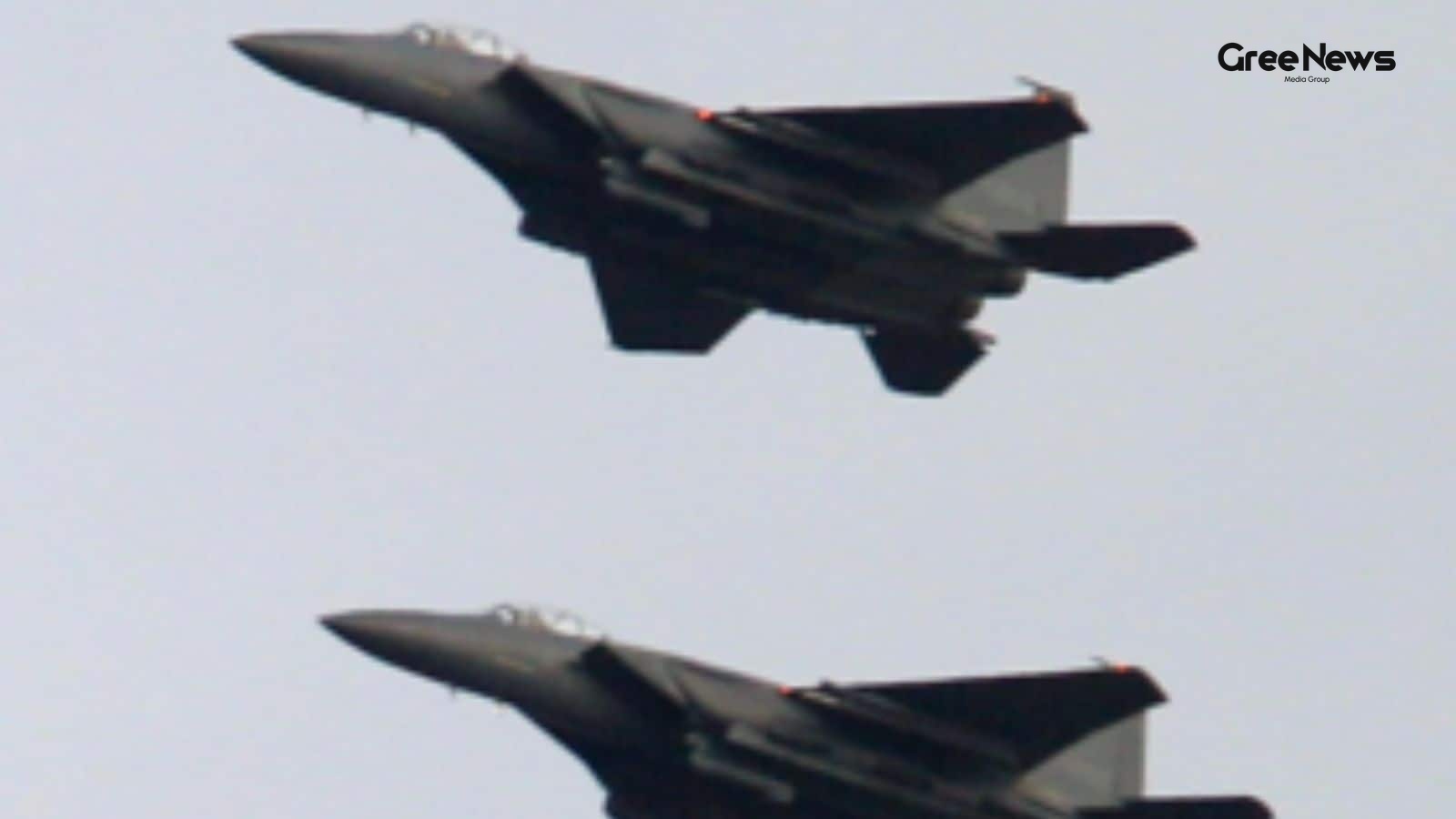
Honestly, when I first read about this breaking news, I could barely believe it. Two sleek F‑15K jets, flying over Daegu in central South Korea, ended up colliding because the pilots decided to take a few pictures mid‑flight. It sounds like something straight out of a movie, but the Board of Audit and Inspection in Seoul confirmed it’s true.
The story goes like this: one of the pilots, who was actually preparing to leave the military, wanted to capture his "last flight" with his unit. He told his superiors beforehand that he’d be clicking a few shots. What seemed harmless quickly became a dangerous game of aerial photography.
Now, you might be thinking, "Why would a trained fighter pilot bother with a mobile phone when he's up there?" The answer, as the report points out, is that taking photos of significant flights was a "widespread practice among pilots at the time." It wasn’t just a one‑off thing; many airmen used their personal devices to snap memories, perhaps because the urge to document moments is universal much like how we all love taking selfies during a weekend trip.
What happened next is interesting: the wingman aircraft the one flying a little behind the lead started taking pictures with his own phone. The lead pilot, noticing the activity, asked a fellow crew member to film the wingman. The wingman, trying to give a better view, abruptly climbed higher and performed a flip so the camera could catch the jet from a dramatic angle.
That sudden manoeuvre brought the two aircraft dangerously close. The lead pilot tried to descend quickly, but there was simply not enough time or space. The two jets collided the lead jet’s left wing was damaged, and the wingman’s tail stabiliser took a hit.
Fortunately, neither pilot was injured, but the damage was costly 880 million won (roughly Rs 5,57,26,017) for repairs. The wingman pilot, who later left the service, was slapped with a fine of 88 million won (about Rs 55,69,165). After the incident, the air force suspended him, and he’s now working with a commercial airline.
Why this story is buzzing across the internet and what it means for us
It’s no surprise that this incident has become viral news, especially because it highlights a very human flaw the temptation to capture everything on camera, even when the stakes are sky‑high. In India, we see similar behaviour every day: people taking selfies while driving, or filming their cooking experiments in the middle of a busy kitchen. The lesson here is simple there’s a time and a place for every activity.
For many defence enthusiasts in India, this has been trending news, sparking discussions about cockpit discipline. Some are even drawing parallels with our own armed forces, asking whether similar practices might exist in our air force. The answer isn’t clear yet, but the incident certainly adds pressure on military institutions worldwide to tighten their rules about personal device usage.
In most cases, the military already has strict protocols banning non‑essential electronic usage during missions. Yet, as the Gree report shows, cultural habits can sometimes slip through the cracks. This caught people’s attention because it feels like a small, almost innocent act that spiralled into a costly mishap.
If you’re wondering what the broader impact could be, think of this: beyond the repair bill and fine, the incident caused a temporary dip in operational readiness. Two F‑15Ks were out of service for a while, which meant the air force had to reshuffle its training schedules. That’s a ripple effect that most of us don’t usually consider when we talk about “viral news”.
Moreover, the incident has been featured in several "latest news India" portals, not because it happened here, but because the underlying theme the danger of mixing personal tech with mission‑critical tasks resonates with audiences worldwide.
The investigation what the Board of Audit and Inspection uncovered
According to the Board’s audit, the primary cause of the collision was the wingman pilot’s decision to flip the aircraft for a better photo angle. The board described that the pilot had announced his intent to take photos before the flight, meaning the risk was known but not adequately mitigated.
During the return leg to their base, the wingman started using his personal mobile phone to capture images. The lead pilot, perhaps wanting to document the event, asked another pilot to record a video of the wingman. When the wingman tried to give a “dramatic” view, he climbed suddenly and performed a roll, putting the two jets within a few metres of each other.
In a matter of seconds, the lead jet attempted an abrupt descent to avoid a collision, but the proximity was too close, resulting in the impact. The board noted that the damage was limited to the left wing of the lead aircraft and the tail stabiliser of the wingman, which aligns with the flight‑data recorder read‑outs they examined.
The audit also highlighted that this kind of photo‑taking was not an isolated incident. It was, unfortunately, a part of a broader culture where pilots documented significant missions for personal keepsakes. The board recommended stricter enforcement of existing regulations, more rigorous pre‑flight briefings about prohibited activities, and the introduction of technical safeguards that could disable personal electronic devices while the aircraft is in combat‑ready mode.
After the findings were released, the air force suspended the wingman pilot and started a review of all similar practices. The pilot, who later moved to a civilian airline, expressed that he hadn’t intended any harm; for him, it was about preserving a memory of his final day with his squadron.
What can we learn a quick guide to safe tech use in high‑risk jobs
While most of us are not flying fighter jets, the message is clear: in any high‑risk job, personal tech should stay away from the control area. Whether you’re a train driver, a surgeon, or even a construction manager, the temptation to document the moment should never outweigh safety.
Here are a few take‑aways that can be applied in everyday life, especially for people who love to capture everything on their phone:
- Plan your shots before the task: If you want a photo, do it before you start the critical activity, not during.
- Use designated equipment: In professional settings, rely on approved devices that are designed for the environment, rather than personal mobiles.
- Establish clear policies: Just like the air force needs strict rules, workplaces should have written guidelines about device usage.
- Practice disciplined habits: Make it a habit to lock your phone away when you’re in a situation that demands full attention.
These simple habits might sound obvious, but as the South Korean jet incident shows, overlooking them can lead to costly repairs, fines, and even danger to human lives.
Public reaction why people couldn’t stop talking about it
After the audit report went public, all over the internet from Twitter threads to Indian news blogs users were sharing their own stories of “oops moments” where they caught themselves taking photos at the wrong time. Many expressed surprise that such a high‑profile mistake could happen in a disciplined environment like the air force.
One comment that went viral in India simply read, "If they can forget the rules, what about us?" It spurred a wave of memes, some light‑hearted, others more critical, questioning the balance between personal nostalgia and professional responsibility. This surge of discussion turned the incident into a piece of trending news India websites, amplifying its reach far beyond defence circles.
Interestingly, the case also sparked a debate about the role of modern technology in traditional professions. While some argued that personal devices can boost morale after all, a photo of a favourite squadron can be a cherished memory others warned that it could erode the strict focus required in combat missions.
In most comments, the consensus was clear: a little caution can go a long way. Many suggested that the air force could introduce “photo‑free zones” during critical phases of flight, a concept that might be adopted by other forces worldwide.
Conclusion a reminder that even the best can slip
All in all, this breaking news piece serves as a vivid reminder that even elite professionals can make seemingly harmless mistakes that snowball into serious incidents. The 2021 South Korean jet collision, driven by a pilot’s desire to capture his last flight on a mobile phone, turned into a costly, high‑profile case that continues to echo in today’s viral news feeds.
For us, whether we’re watching the latest news India updates or scrolling through social media, the takeaway is simple: respect the environment you’re in, keep personal gadgets in check, and remember that safety should always come first. The incident may have happened over Daegu, but its lessons are universal and that’s why it remains such a hot topic in trending news India circles.
Stay safe, keep your memories in the right place, and maybe leave the selfie‑stick at home when you’re behind the controls.